
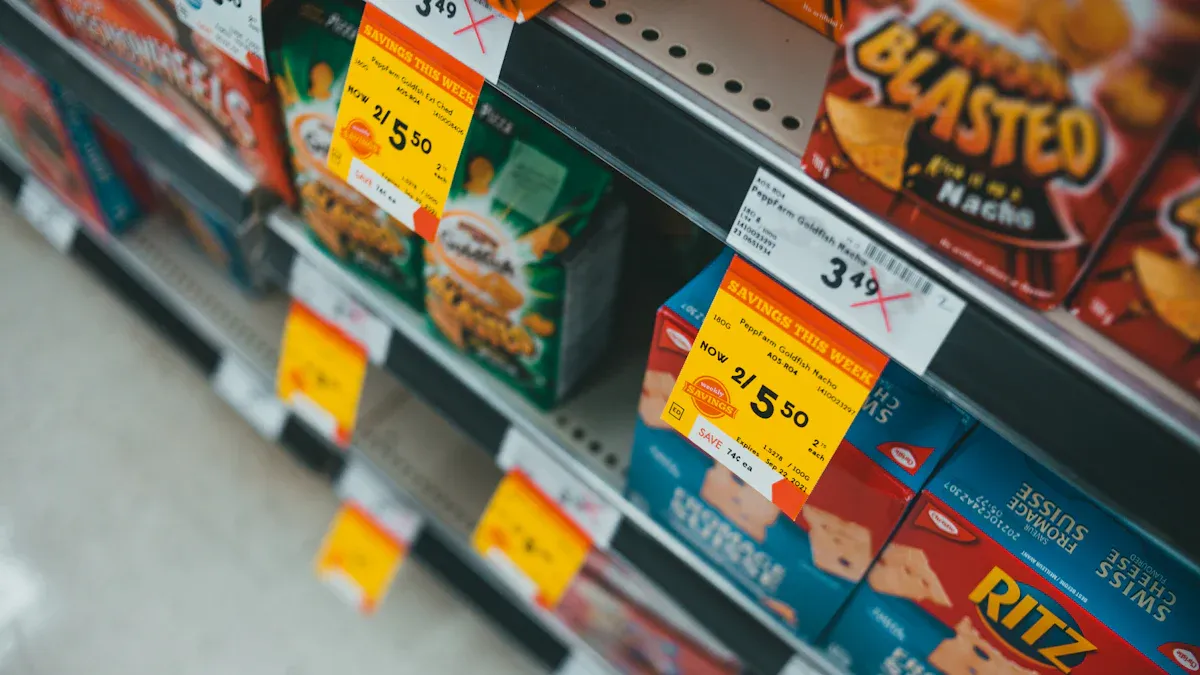
Digital price tags transform your retail environment by enabling you to deliver targeted, real-time offers at the shelf. You can update prices instantly across your stores with Electronic Shelf Labels and ESL Price Tag systems. Digital price tags connect through an ESL Gateway AP, allowing you to launch flash sales or dynamic promotions in seconds. Customers benefit from accurate, transparent prices, as shelf and checkout amounts always match. Digital displays highlight promotions, making it easy for customers to spot deals. By automating updates, you reduce manual work and minimize errors, giving staff more time to assist customers. Esl Retail solutions support precision marketing, helping you respond quickly to customer behavior and market trends.
- Traditional paper tags slow down price changes and often cause mismatches between shelf and checkout prices.
- Digital price tags use real-time, cloud-based updates to ensure accuracy and efficiency.
- Digital tags reduce labor costs, eliminate manual errors, and create a better experience for customers.
Digital Price Tags: Definition and Core Features

Electronic Shelf Labels Explained
What Are Digital Price Tags?
You encounter digital price tags as advanced replacements for traditional paper labels in retail environments. These tags, often called electronic shelf labels, use e-paper or e-ink displays to present product prices, descriptions, and promotions directly on the shelf. Unlike paper tags, digital price tags connect wirelessly to your store’s central system, allowing you to update prices and product information instantly across all locations. This technology eliminates the need for manual updates, reduces errors, and ensures that customers always see accurate pricing.
Tip: Digital price tags not only display prices but also provide detailed product information, care instructions, and even promotional messages, enhancing the in-store experience for your customers.
Key Components and Technology
Digital price tags rely on several core components that work together to deliver real-time updates and operational efficiency. The system includes a centralized Label Management System, an Internet Gateway for wireless communication, and the electronic shelf labels themselves. These ESLs use e-paper displays for clear visibility and low power consumption. Many models feature NFC or QR codes, allowing customers to access additional product details or verify authenticity with their smartphones.
Here’s a comparison that highlights how digital price tags stand apart from traditional pricing methods:
| Feature | Traditional Pricing Methods | Digital Price Tags (Core Technological Features) |
|---|---|---|
| Display Technology | Manual paper labels | Electronic Shelf Labels (ESLs) with e-paper displays and NFC technology |
| Update Mechanism | Physical manual updates | Real-time wireless updates synchronized with POS and inventory systems |
| Accuracy & Consistency | Prone to errors and outdated pricing | High accuracy with centralized management ensuring consistent pricing |
| Customer Interaction | Static price display | Interactive features such as QR codes and NFC for product info and authenticity |
| Operational Efficiency | Labor-intensive manual updates | Automated updates reducing manual labor and improving efficiency |
| Aesthetic Customization | Basic, less customizable paper tags | Customizable to match brand aesthetics, slim and elegant design |
| Information Provided | Price only | Detailed product descriptions, care instructions, promotions |
| Environmental Impact | Paper-based, disposable | Energy-efficient, durable (e.g., IP65 rated), reduces paper waste |
You gain not only operational efficiency but also support sustainability goals by reducing paper waste and energy consumption.
How Digital Price Tags Work in Retail
Integration with Retail Systems
You integrate digital price tags seamlessly with your existing retail systems, such as POS, ERP, and inventory management platforms. The centralized management system stores all product and price data. When you need to update a price or launch a promotion, the system sends the information wirelessly to every electronic shelf label in your store. This integration ensures that every price change is reflected instantly and accurately, reducing the risk of mismatches between shelf and checkout.
Communication and Data Flow
The communication process begins when your back-office server transmits updates to the digital price tags using wireless technologies like Bluetooth, Wi-Fi, infrared, or radio frequency. Each ESL receives the update and refreshes its display in real time. This setup allows you to automate price changes, manage inventory levels, and even trigger dynamic promotions based on demand or competitor activity. Store staff can focus on customer service and merchandising, as manual price tag replacement becomes a thing of the past.
- Electronic shelf labels display not only prices but also stock levels and promotional offers.
- Advanced ESLs can light up to guide staff during restocking or order picking.
- Integration with IoT and smart store systems enables personalized marketing and enhanced customer interaction.
By adopting cutting-edge digital price tag solutions, you position your retail business at the forefront of innovation, delivering both operational excellence and a superior customer experience.
Real-Time Capabilities of Digital Price Tags
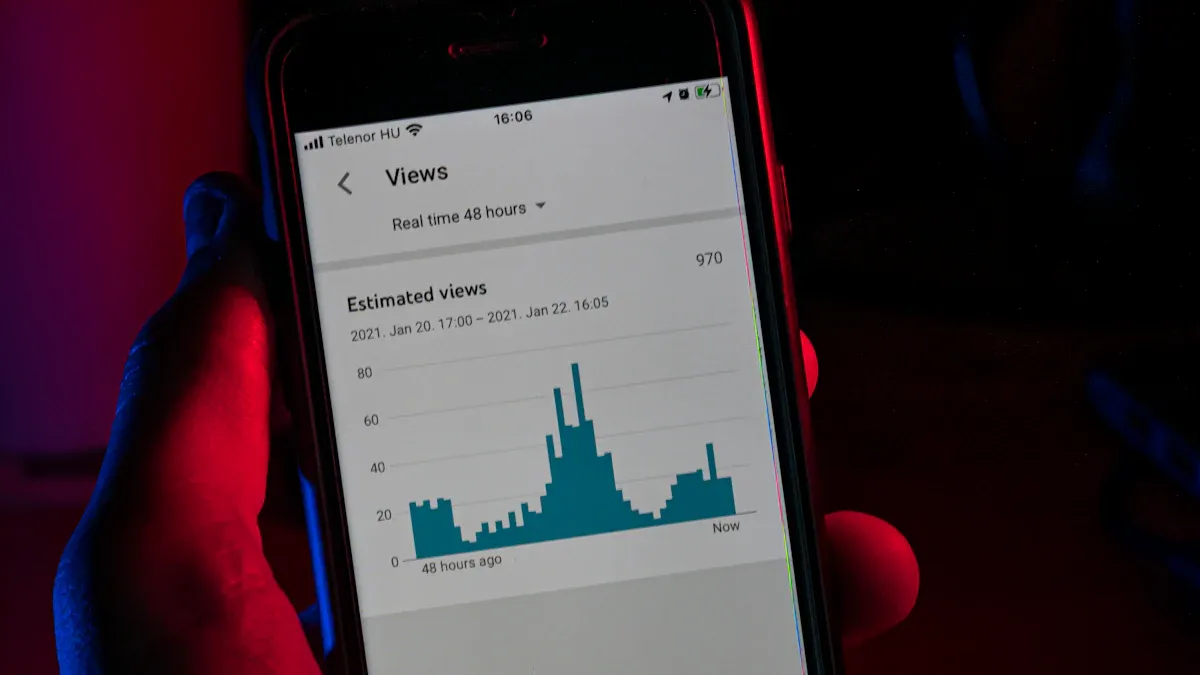
Instant Price Updates and Centralized Control
Synchronization Across Multiple Stores
You gain a significant advantage when you implement digital price tags in your retail operations. Centralized control allows you to synchronize prices across all your stores instantly. This real-time price management ensures that every location displays the same accurate information. You eliminate the delays and inconsistencies that often occur with manual updates. Retailers report that centralized wireless connections enable instant price changes, improving both speed and pricing accuracy. Integration with inventory and POS systems means your shelf prices always match checkout prices, which builds customer trust and reduces confusion.
| Evidence Aspect | Supporting Details |
|---|---|
| Pricing Error Reduction | Real-time synchronization reduces pricing errors by 60%. Automation decreases human errors by 58%. |
| Speed of Price Updates | Centralized wireless connection enables instant price changes across all stores. |
| Retailer Case Studies | Retailers report faster product rollouts and improved pricing accuracy after adopting digital price tags. |
| Integration Benefits | Integration with inventory and POS systems ensures prices reflect real-time stock and market conditions. |
| Audit and Transparency | Automated logging of every price change enhances accountability, reducing errors and disputes. |
| Customer Trust | Accurate shelf prices matching checkout prices build shopper confidence. |
Reducing Pricing Errors
You reduce pricing errors dramatically by automating updates with digital price tags. Manual processes often lead to mistakes, but digital systems connect wirelessly to your store databases. This automation increases pricing accuracy by around 60% and decreases human error by approximately 58%. Real-time updates ensure that shelf and checkout prices always align, which prevents disputes and enhances the customer experience. You also benefit from automated logs that track every change, making audits and compliance checks much easier.
Dynamic Pricing Strategies for Precision Marketing
Responding to Market Demand
You can leverage dynamic pricing capabilities to respond quickly to changes in market demand. Digital price tags let you adjust prices in real time based on inventory levels, customer behavior, or external factors. For example, you can lower prices on perishable goods nearing expiration to reduce waste or increase discounts during slow periods to boost sales. These strategies help you maximize revenue and minimize losses.
Competitor Price Matching
You stay competitive by using digital price tags to match or beat competitor prices instantly. Real-time updates allow you to monitor market trends and adjust your pricing strategies as needed. AI-powered systems can analyze competitor moves and automatically update your prices, ensuring you remain attractive to customers. This flexibility supports precision marketing and helps you engage shoppers with timely offers.
- Digital price tags enable demand-based pricing, competition-responsive pricing, inventory-driven pricing, and limited-time promotions with real-time updates.
- AI-powered dynamic pricing allows personalized pricing tailored to individual customer preferences by analyzing purchase history and behavior.
- Real-time price optimization adjusts prices instantly based on inventory changes, competitor moves, and market demand.
- Enhanced competitiveness is achieved by dynamically matching or beating competitor prices and capitalizing on demand fluctuations.
- Risk mitigation is supported by lowering prices on perishable or soon-to-be obsolete items to reduce waste and maximize revenue.
Automated Compliance and Accuracy
Ensuring Regulatory Compliance
You ensure compliance with pricing regulations by using digital price tags. Instant and remote updates across thousands of items reduce manual errors and guarantee price accuracy between shelf and checkout. Some countries require digital price data to be published online and synchronized with POS systems, allowing AI agents to verify compliance in real time. This transparency supports legal requirements and prevents customer disputes.
- Digital price tags allow instant and remote price updates across thousands of items.
- This reduces manual price tag changes, minimizing human error and ensuring price accuracy between shelf and checkout.
- Enables quick markdowns on items nearing expiration, supporting pricing transparency and fairness.
- Improves efficiency by freeing employees from manual price updates.
- Reduces waste by eliminating paper tags.
Minimizing Human Error
You minimize human error by automating price changes. Digital price tags connect directly to your central database, so you no longer rely on staff to update labels manually. This automation virtually eliminates mistakes, increases pricing accuracy, and ensures that your retail operations run smoothly. Customers see consistent, accurate prices, which builds trust and improves satisfaction.
Precision Marketing Mechanisms Enabled by Digital Price Tags
Personalized Promotions at the Shelf
Customer Segmentation and Targeting
You can transform your approach to precision marketing by leveraging digital price tags for customer segmentation and targeting. These advanced tags connect with your centralized systems, integrating loyalty program information and customer data. When a shopper approaches a shelf, the digital display can show personalized discounts or messages tailored to their profile. For example, Etaggs™ digital price tags use QR codes and NFC tap technology, allowing customers to interact with the shelf using their smartphones. This interaction links to customized URLs, delivering targeted information and exclusive offers based on individual customer behavior data. You can instantly update promotional content without additional hardware, ensuring that every customer sees the most relevant deals.
Digital price tags also support dynamic loyalty messaging. You can display point balance reminders, time-sensitive offers, or exclusive member discounts directly at the shelf. This level of personalization increases customer engagement and encourages repeat visits. By tailoring promotions to specific segments, you maximize the impact of your marketing strategies and drive higher conversion rates.
Triggered Offers Based on Shopping Behavior
You can use digital price tags to trigger offers in real time based on customer shopping behavior. When a customer scans a QR code or taps an NFC-enabled tag, the system can recognize their preferences and purchase history. The display then updates to show a personalized promotion, such as a flash sale or a bundled offer. This immediate response to customer engagement creates a sense of exclusivity and urgency, motivating shoppers to act quickly.
You gain the flexibility to adjust offers as customer behavior changes throughout the day. For instance, if a product receives increased attention, you can launch a limited-time discount to capitalize on the interest. This dynamic approach to precision marketing ensures that your promotions remain relevant and effective, adapting to real-time data and customer needs.
Location-Based and Proximity Marketing
Proximity Triggers for In-Store Shoppers
You can enhance your precision marketing strategies by using location-based and proximity triggers with digital price tags. When customers move through your store, the system detects their location and delivers targeted promotions as they approach specific products. Research shows that consumers who receive location-based mobile promotions near a product or store demonstrate higher purchase and coupon redemption rates. Spatial proximity increases purchase intention by making offers more relevant and noticeable.
- Location-based marketing inside the store proves more effective than outside, especially for shoppers less involved with the product category.
- Price promotions delivered through proximity triggers work best for these customers, while non-price promotions may suit more engaged shoppers.
- Effective proximity marketing considers not just physical location but also previous customer behavior and consumption patterns, improving targeting accuracy.
By matching promotion types to customer segments and leveraging real-time location data, you increase the likelihood of conversion and boost overall sales.
Integration with Mobile Apps and Loyalty Programs
You can further strengthen customer engagement by integrating digital price tags with your mobile app and loyalty program. When a customer enters your store, your app can sync with the digital shelf labels to deliver personalized notifications, exclusive offers, or reminders about loyalty points. The digital tags update instantly, reflecting the latest promotions and customer-specific deals.
This seamless integration allows you to create a unified shopping experience. Customers receive consistent messaging across digital and physical touchpoints, increasing satisfaction and loyalty. You can also track engagement metrics, such as which offers customers redeem most often, to refine your future marketing efforts.
Data-Driven Decision Making in Precision Marketing
Real-Time Analytics and Insights
You gain a powerful advantage in precision marketing by harnessing the real-time analytics generated by digital price tag systems. These platforms provide instant insights into customer behavior, such as shelf dwell time and price-check frequency. You can identify which products attract the most attention and which promotions drive sales. Integration with POS, inventory, and CRM systems enables you to manage complex pricing strategies, including tiered discounts and location-based offers.
- Real-time pricing agility lets you adjust prices instantly based on demand, competition, or inventory changes.
- Analytics reveal customer engagement patterns, helping you optimize product placement and campaign timing.
- Predictive and dynamic pricing analytics support instant optimization of pricing, promotions, and inventory replenishment.
These insights empower you to improve conversion rates, grow revenue, and enhance customer satisfaction by delivering personalized marketing at the right moment.
Optimizing Campaigns Instantly
You can optimize your precision marketing campaigns on the fly using data-driven decision-making tools. Machine learning algorithms analyze internal and external data, predicting customer needs and segmenting your audience for targeted campaigns. You receive continuous feedback from customer responses, allowing you to refine your marketing recommendations and focus resources on the most effective channels.
- AI-powered price optimization platforms integrate real-time sales, demand forecasting, competitor pricing, and supply chain data to dynamically adjust prices.
- Scenario testing and customer mission analysis help you tailor pricing strategies to specific segments and store locations.
- Automated business rules engines reduce manual effort, enabling scalable and data-driven pricing decisions.
By linking marketing actions to behavioral outcomes, such as purchase or engagement rates, you measure campaign effectiveness and adjust your approach for maximum impact. This level of agility and transparency builds trust among your pricing professionals and ensures your precision marketing strategies deliver measurable results.
Practical Examples and Case Studies in Precision Marketing
Grocery Retail Success Stories
Boosting Sales with Flash Discounts
You can see the impact of digital price tags in grocery stores like ShopRite. At its Matamoras, Pennsylvania location, ShopRite installed nearly 40,000 digital price tags. This move eliminated manual price updates and improved operational efficiency. Store coordinators found the installation process smooth, and ShopRite now plans to expand this technology to other branches. Digital price tags synchronize prices in real time with the point-of-sale system, so you always display consistent prices at the shelf and register. This reduces customer complaints and builds trust, which supports higher sales. Walmart also introduced digital price tags to increase price transparency and consistency, reducing disputes and the need for refunds. You can launch flash discounts or adjust prices for hundreds of products in minutes, a process that once took days. This agility helps you respond quickly to market trends and customer demand.
Reducing Food Waste with Dynamic Markdowns
You can use digital price tags to reduce food waste by marking down perishable items as they near expiration. With real-time updates, you adjust prices instantly based on inventory levels and shelf life. One retailer managed 1,400 price updates in under 10 minutes, freeing staff to focus on customer service. This approach not only cuts labor costs but also ensures that your inventory moves efficiently, reducing waste and maximizing revenue.
Electronics and Specialty Retail Applications
Competitive Price Adjustments in Real Time
You can leverage electronic shelf labels in electronics and specialty stores to update prices in real time. These systems let you respond to market conditions, inventory changes, and consumer demand without manual intervention. For perishable goods, you can quickly apply markdowns, reducing errors and labor costs. Electronic shelf labels also improve inventory management by providing real-time stock data, helping you make informed decisions and keep shelves stocked. In North America, retailers like Walmart and Target use this technology to enhance operational efficiency and sustainability, focusing on accurate pricing and reduced labor.
Enhancing Customer Experience with Interactive Displays
You can enhance the customer experience by using digital price tags to communicate promotions and product information directly on the shelf. Advanced microprocessors in these tags enable seamless connectivity and rapid price adjustments across multiple locations. Shoppers benefit from clear, up-to-date information, which improves satisfaction and trust. You create a more engaging and transparent shopping environment, setting your store apart from competitors.
Fashion and Home Improvement Industry Applications
Personalized Offers in Apparel Stores
You can transform clothing retail with digital price tags that feature customizable e-paper displays. These tags support remote updates through IoT platforms, so you change prices and product details quickly. Interactive features like NFC and QR codes let shoppers access additional product information, real-time inventory data, customer reviews, and even augmented reality try-ons. You bridge online and offline experiences, allowing in-store product reservations or home delivery with a single tap. Automated promotions and event-based triggers ensure timely messaging, while omnichannel synchronization keeps prices consistent across all channels.
Real-Time Inventory Updates in Home Improvement Retail
You can use digital price tags in home improvement stores to display accurate inventory information at the shelf. Although explicit examples are limited, the technology supports real-time updates and location detection, ensuring that customers always see the correct product details. This capability streamlines inventory management and improves the overall customer experience by reducing confusion and helping shoppers make informed decisions.
Benefits of Digital Price Tags for Retailers
Increased Sales and Revenue through Precision Marketing
Higher Conversion Rates
You can drive higher conversion rates in your stores by using digital price tags. These smart displays let you adjust prices and promotions in real time, responding instantly to demand, competitor pricing, or stock levels. When you show dynamic discounts or highlight limited-time offers, you encourage customers to make faster purchase decisions. Digital price tags also allow you to display detailed product information and targeted promotions, which creates a more engaging and personalized shopping experience. This approach increases the likelihood that shoppers will buy, boosting your overall sales.
- Digital price tags enable real-time dynamic pricing and promotions, ensuring you always use optimal pricing strategies.
- AI-powered tags display prices and discounts dynamically, making it easier to upsell premium products.
- Interactive screens deliver personalized advertising, increasing customer engagement and purchase intent.
Upselling and Cross-Selling Opportunities
You can use digital price tags to highlight premium options or suggest complementary products right at the shelf. When you display targeted promotions or bundle offers, you guide customers toward higher-value purchases. Smart digital displays can recommend related items or showcase special deals, making upselling and cross-selling more effective. This technology helps you maximize each customer’s basket size and increase your revenue per visit.
Operational Efficiency and Cost Savings
Labor Cost Reduction
Switching to digital price tags streamlines your retail operations and reduces labor costs. You no longer need staff to manually update paper labels, which saves time and eliminates repetitive tasks. Retailers have reported up to 90% reduction in labor costs after automating price updates. Tasks that once took weeks, such as repricing an entire store, now take only minutes. This efficiency allows your team to focus on customer service and other high-value activities.
Streamlined Price Management
Digital price tags make price management simple and efficient, especially for large retail chains. You can update prices across multiple locations instantly, reducing errors and delays. Integration with inventory and point-of-sale systems ensures that prices and stock levels stay synchronized in real time. This automation supports dynamic pricing strategies and improves inventory management, helping you avoid stock discrepancies and maintain consistent pricing.
| Benefit Category | Reported Impact / Example | Details / Explanation |
|---|---|---|
| Labor Cost Reduction | Up to 90% reduction in labor costs | Kroger reduced repricing time from 2 weeks to 5 minutes, automating price updates and cutting manual work drastically. |
| Time Savings | Price updates reduced from weeks to minutes | Large retailers can complete full-store repricing in minutes instead of weeks, enabling rapid price changes across locations. |
| Pricing Accuracy | Up to 100% reduction in pricing errors | Automation eliminates manual errors, ensuring consistent prices across shelves and checkout, improving customer trust. |
| Staff Efficiency | 80% less time spent on price updates | Store associates focus on higher-value tasks instead of manual price tag changes, improving operational efficiency. |
| Cost Reduction | Elimination of printing and material costs | Digital tags remove the need for paper labels and frequent printing, saving costs and reducing waste. |
| Inventory Synchronization | Real-time stock updates and automated reordering triggers | Integration with inventory and POS systems allows instant price and stock synchronization, supporting dynamic pricing and reducing stock discrepancies. |
Enhanced Brand Reputation and Customer Trust
Consistent and Transparent Pricing
You build trust with your customers by providing consistent and transparent pricing. Digital price tags ensure that shelf prices always match checkout prices, reducing confusion and disputes. Industry surveys show that over 80% of consumers trust brands that display prices openly. When you offer clear and upfront pricing, you demonstrate fairness and ethical business practices, which strengthens your brand reputation.
- 87% of consumers prefer brands with clear upfront pricing.
- Transparent pricing increases customer loyalty and retention.
- Brands with transparent pricing report measurable revenue growth and higher customer satisfaction.
Improved Customer Perception
You improve customer perception by using digital price tags to deliver accurate information and timely promotions. Customers appreciate knowing they receive the best price and up-to-date product details. This transparency reduces cognitive dissonance and increases perceived fairness, making shoppers more likely to return and recommend your store. By adopting digital solutions, you position your brand as innovative and customer-focused, which leads to long-term loyalty.
Benefits of Digital Price Tags for Customers
Relevant and Timely Offers at the Shelf
Personalized Shopping Experience
You benefit from a personalized shopping experience when stores use digital price tags. These tags update in real time, so you always see the latest promotions and targeted offers as you browse. Digital displays can highlight discounts tailored to your shopping habits or loyalty status. Interactive features, such as QR codes and NFC, let you access exclusive deals or additional product details with your smartphone. This level of engagement increases your satisfaction and makes your shopping trip more rewarding.
- Digital price tags enable instant updates, ensuring you never miss a relevant offer.
- Pick-to-light technology guides you to products and visually highlights promotions, making shopping more efficient.
- Wireless connectivity keeps all information synchronized, so you receive consistent and timely deals.
Immediate Value and Savings
You enjoy immediate value and savings because digital price tags allow stores to adjust prices based on stock levels, expiry dates, or special events. For example, you might find a time-limited discount on a product nearing its expiration date or a loyalty-based offer during specific hours. These dynamic promotions help you save money and make smarter purchasing decisions. Research shows that digital price tags lead to lower average prices per unit and higher sales volumes, which benefits both you and the retailer.
Transparent and Accurate Pricing Information
Confidence in Purchase Decisions
Digital price tags give you confidence in your purchase decisions. You see accurate product information and up-to-date pricing at the shelf, which matches what you pay at checkout. This transparency builds trust and reduces the risk of disputes. The following table highlights improvements in pricing accuracy and speed:
| Metric Description | Improvement Detail |
|---|---|
| Reduction in price update time | 95% faster updates, from days to minutes |
| Price accuracy | Over 90% accuracy, nearly eliminating manual errors |
| Pricing errors reduction in grocery chains | 98% decrease due to direct system integration |
| Product return rate decrease at Walmart | 25% reduction attributed to accurate pricing |
| Price update frequency | Updates occur every 10 seconds, ensuring real-time pricing |
Reduced Confusion and Frustration
You experience less confusion and frustration because digital price tags synchronize prices across all channels. High-contrast displays make it easy to read prices and promotions. Real-time updates mean you always see the correct price, whether you shop in-store or online. This consistency supports customer satisfaction and helps you trust the information you see.
Improved In-Store Experience in the Future of Digital Retail
Faster Service and Checkout
Digital price tags streamline your shopping journey. Staff spend less time updating labels and more time assisting you, which leads to faster service. Pick-to-light solutions help associates fulfill orders quickly, so you receive prompt attention. Real-time updates reduce delays at checkout, as shelf and register prices always match.
- Digital price tags provide instant access to accurate product information, including stock levels and restock times.
- Integration with inventory systems ensures you know if a product is available before you reach the shelf.
Access to Real-Time Product Information
You gain access to real-time product information through digital price tags. QR codes and NFC features let you view videos, reviews, and special offers on your phone. You can check nutritional or allergen details instantly, supporting informed choices. Digital signage attracts your attention and keeps you updated on current deals. As the future of digital retail evolves, you can expect even deeper integration with smart technologies, making your shopping experience more interactive and efficient.
Note: Digital price tags also support sustainability by reducing paper waste and energy use, aligning with growing consumer awareness.
Challenges and Considerations in Adopting Digital Price Tags
Investment and Implementation Costs
Upfront Expenses and Budgeting
You face significant upfront expenses when adopting digital price tags. The initial investment covers hardware, software, installation, and setup. You must also budget for employee training and ongoing maintenance. Many retailers use innovative budgeting methods, such as zero-based budgeting, to justify these expenses and remain flexible in resource allocation. By identifying all potential costs early, you can avoid unexpected overruns and plan for a smooth rollout.
Return on Investment Analysis
You need a thorough cost-benefit analysis to evaluate the return on investment (ROI) for digital price tag adoption. This process involves comparing all costs—purchase, setup, training, and maintenance—against tangible benefits like increased sales, improved efficiency, and reduced labor costs. You should also consider intangible benefits, such as enhanced customer experience and brand reputation. Retailers often use key performance indicators like gross margin return on investment (GMROI), inventory turnover rate, and sales per square foot to measure ROI. Digital price tags support real-time promotional updates and dynamic pricing, which can boost sales and reduce advertising costs. Studies show that digital signage can increase sales by up to 30%. To maximize ROI, you should focus on quick wins and continuous optimization, including regular audits and feedback from employees and customers.
Integration with Existing Retail Systems
Compatibility and Technical Challenges
You may encounter technical challenges when integrating digital price tags with your current retail systems. Compatibility with inventory management and point-of-sale software is essential. You must ensure precise installation and connectivity testing for proper functioning. Dependence on technology infrastructure, such as Wi-Fi and power, can cause disruptions if not managed well. You also need to coordinate with IT teams and store leadership to minimize operational disruption. Environmental concerns, such as energy consumption and electronic waste, require careful planning.
Staff Training and Change Management
You must invest in staff training to ensure a successful transition. Employees need to adapt to new workflows and technologies. A skilled and adaptable workforce is crucial for handling live retail environments. Clear rollout strategies and phased adoption help minimize confusion and resistance. You should also prepare for potential customer resistance, as some shoppers may prefer traditional paper tags or find digital displays difficult to read.
Data Security and Privacy in Precision Marketing
Protecting Customer Information
You must address data security and privacy concerns when using digital price tags for precision marketing. These technologies often collect and process consumer data, raising issues about loss of control over personal information and exposure of sensitive data. Risks include unauthorized access, identity theft, and manipulation. Secure data handling and privacy-preserving technologies are essential to protect your customers.
Compliance with Data Regulations
You need to comply with strict data regulations to safeguard consumer privacy. Aggregation and processing of data through IoT devices and cloud computing create comprehensive consumer profiles, increasing the risk of exposure. Regulatory compliance ensures that you handle data responsibly and maintain customer trust. You should implement robust security measures during data storage and transmission, especially when using cloud services.
Tip: Regularly review your data protection policies and stay updated on privacy regulations to reduce risks and build customer confidence.
You shape the future of retail by adopting digital price tags. These solutions deliver real-time precision marketing and drive measurable improvements.
- You save up to 12 hours per week per store by automating price updates, which lets your staff focus on service and cuts labor costs.
- You see a 60% increase in pricing accuracy, fewer disputes, and stronger shopper trust.
- You gain dynamic pricing, sustainability benefits, and enhanced customer engagement through interactive digital features.
FAQ
What are digital price tags?
Digital price tags are electronic shelf labels that display product prices and information. You can update them wirelessly and instantly from a central system. These tags use e-paper or e-ink technology for clear, energy-efficient displays.
How do digital price tags improve pricing accuracy?
You eliminate manual errors by updating prices automatically through your central database. Digital price tags ensure shelf prices always match checkout prices, which builds customer trust and reduces disputes.
Can digital price tags integrate with existing retail systems?
Yes, you can integrate digital price tags with your POS, inventory, and ERP systems. This integration allows real-time synchronization of prices, stock levels, and promotions across all your stores.
Are digital price tags secure for customer data?
You protect customer data by using secure networks and encryption. Digital price tags follow strict data privacy standards. You should regularly review your security protocols to maintain compliance and safeguard information.
What is the typical ROI for digital price tag adoption?
You often see ROI through labor cost savings, increased sales, and improved pricing accuracy. Many retailers report a payback period of one to three years, depending on store size and implementation scale.
Do digital price tags support dynamic pricing and promotions?
Yes, you can use digital price tags to launch dynamic pricing, flash sales, and personalized promotions instantly. This flexibility helps you respond to market trends and customer behavior in real time.