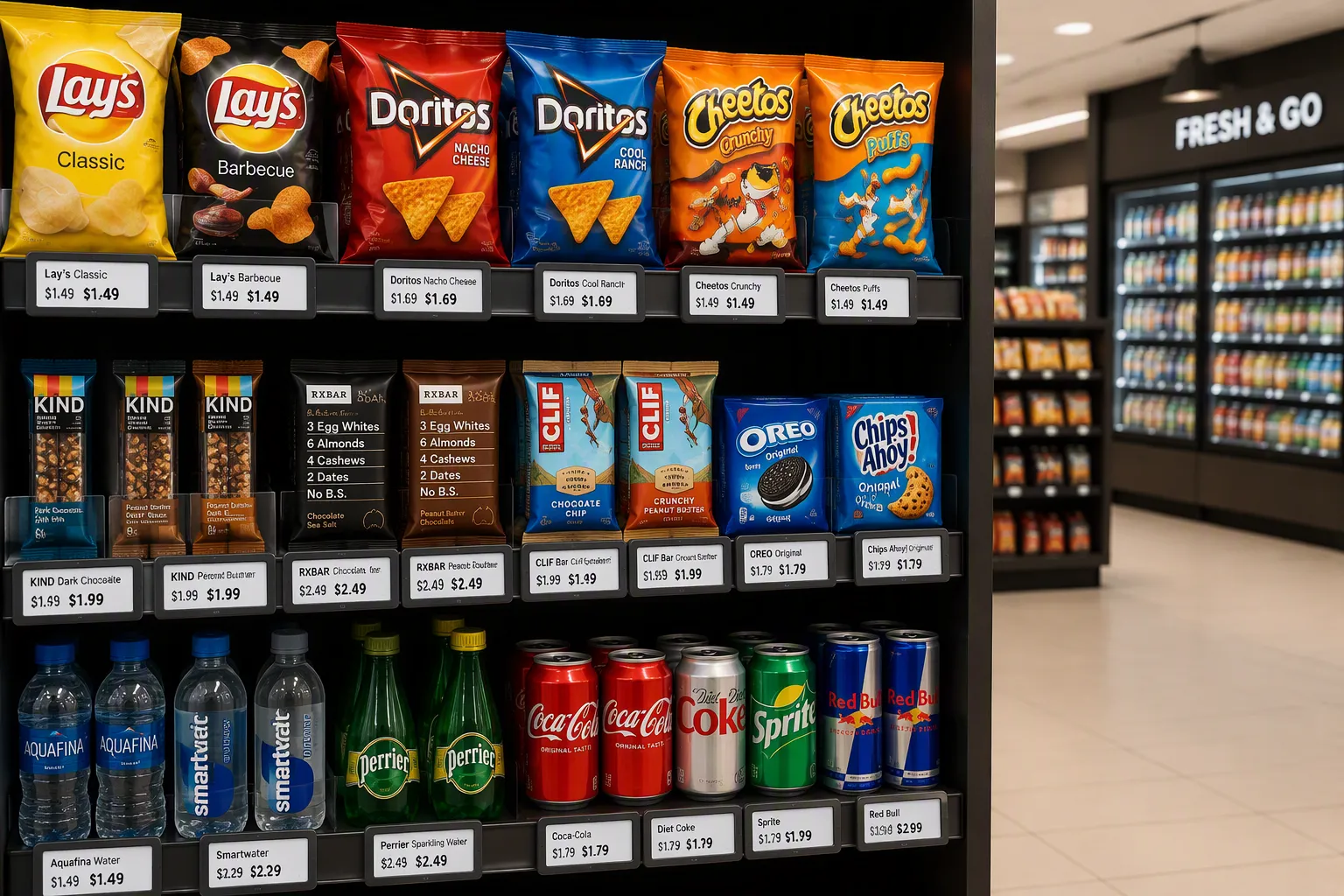
FamilyMart introduced digital price tags in 2026. The company calls these digital price tags ‘Smart Shelves With Digital Tags.’ The rollout began in early 2026 across flagship stores in Japan and expanded to over 500 locations. The high-tech price tags use low-energy e-ink displays. The displays receive real-time updates from a central system. The system incorporates an ESL Gateway AP. Each ESL Price Tag updates instantly. This adoption of Electronic Shelf Labels advances Esl Retail technology. Benefits include faster price changes, fewer errors, and improved accuracy. Some customers worry about dynamic pricing and data collection. FamilyMart published transparency measures. Expert opinions and regulatory responses provide context.
The 2026 Rollout of Digital Price Tags
Store Locations and Scale
Flagship Stores Lead the Way
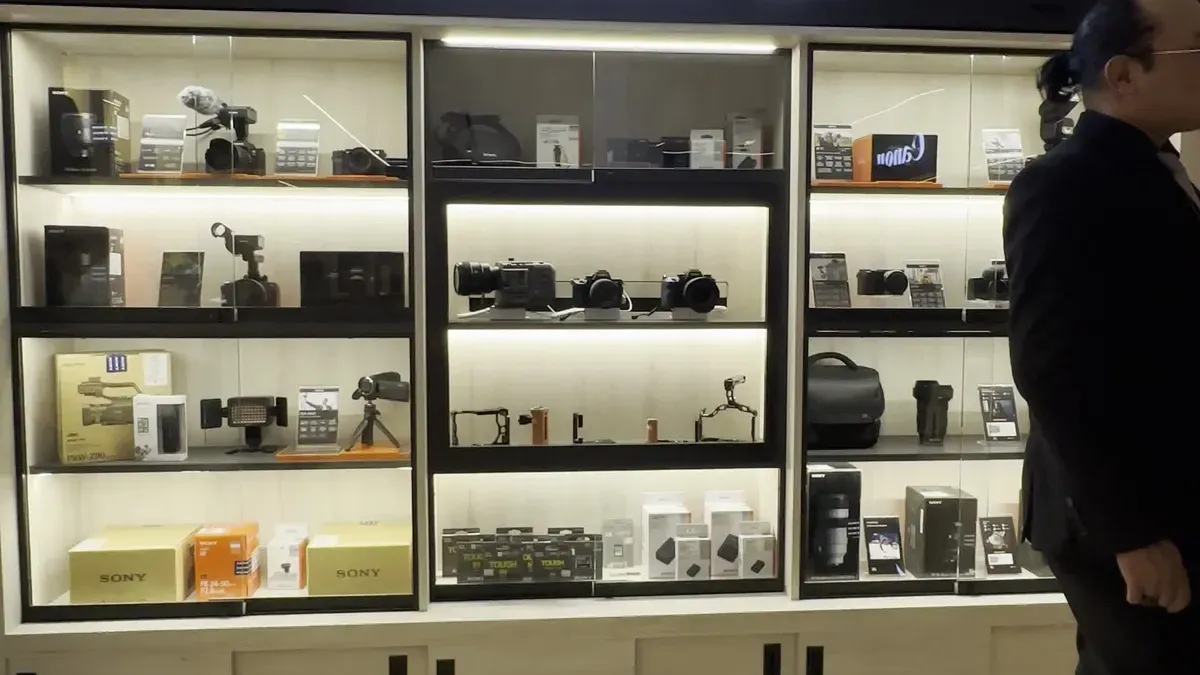
FamilyMart launched its smart shelf initiative in early 2026 at flagship stores across major Japanese cities. These locations included Tokyo, Osaka, and Nagoya. The company selected these high-traffic stores for several reasons. Flagship locations offer more space for testing new technology. They also attract more media attention. Store managers at these sites received special training on the new systems. The digital price tags replaced traditional paper labels on shelves throughout the stores.
The initial phase covered approximately 50 flagship locations. Each store received thousands of individual digital shelf labels. The company monitored performance metrics at these sites for three months. This pilot period allowed FamilyMart to identify technical issues. It also helped the company measure customer reactions. The data collected during this phase informed the broader rollout strategy.
Expansion Plans for 2027
FamilyMart expanded the program to over 500 locations by the end of 2026. The company plans to accelerate this growth throughout 2027. Executives have announced targets of 2,000 additional stores by December 2027. This expansion will cover regional areas beyond the major metropolitan centers.
The company will prioritize stores with high customer turnover. Locations near train stations and office districts will receive the technology first. FamilyMart also plans to install digital price tags in its newer store formats. These include the FamilyMart Plus concept stores. The full national rollout should reach completion by 2029. This timeline gives the company room to refine the technology further.
The Technology Behind the Tags
E-Ink Displays and Cloud Connectivity
The smart shelves use e-paper technology for their displays. This e-paper technology provides several advantages over traditional LCD screens. The displays consume very little power. They only draw electricity when the content changes. This feature extends battery life to approximately five years. The e-paper technology also offers excellent visibility. Customers can read the prices clearly from different angles. The displays work well under bright store lighting.
Each tag connects to a central cloud system through wireless networks. The system uses an ESL Gateway AP to manage communications. This gateway transmits price updates to individual tags. The entire network operates on low-energy protocols. Updates reach all tags within seconds of a price change. Store employees can also trigger updates manually when needed. The cloud platform stores all pricing data securely.
| Feature | Specification |
|---|---|
| Display Type | E-ink (electronic paper) |
| Battery Life | Approximately 5 years |
| Update Speed | Within seconds |
| Network Protocol | Low-energy wireless |
| Gateway | ESL Gateway AP |
Integration with Inventory Systems
The digital shelf labels connect directly to FamilyMart’s inventory management platform. This integration creates a seamless flow of information. When inventory levels drop, the system can alert staff automatically. The tags also display stock information for employees. This feature helps workers identify items that need restocking.
The integration extends to the company’s point-of-sale systems. Price changes at the register sync automatically with shelf displays. This synchronization eliminates discrepancies between shelf prices and checkout prices. Customers see the same price at every touchpoint. The system also tracks which products sell faster. This data helps store managers optimize their shelf layouts. The inventory integration represents a significant operational upgrade for the convenience store chain.
Why FamilyMart Adopted High-Tech Price Tags
Operational Efficiency
Automated Price Updates
FamilyMart implemented high-tech price tags to streamline store operations. The system allows employees to update prices instantly across all store locations. A single command pushes changes to every shelf in seconds. This capability transforms how the chain manages promotions. Managers launch new deals with minimal effort. Shoppers see updated prices immediately. The technology supports flash sales and limited-time offers without printing new tags. The system also supports time-based discounts. Managers schedule price drops for slow periods or products nearing expiration. These targeted promotions help move inventory and reduce waste.
Reduced Labor Costs
The digital price tags significantly reduce manual labor requirements. Traditional paper tags required staff to print, cut, and replace thousands of labels each week. The new system automates this entire process. Employees reallocate their time to customer service and store maintenance tasks. FamilyMart estimates the technology cuts labor costs related to price management by over 60 percent. Fewer workers spend less time on repetitive tagging tasks. This efficiency allows stores to operate with leaner teams.
Pricing Accuracy
Eliminating Human Error
Paper price tags introduced frequent errors. Employees placed wrong labels on shelves. Price changes fell behind schedule. The high-tech price tags eliminate these mistakes. The central system ensures every tag displays the correct price. Store managers rely on accurate pricing across all product categories. Customers trust the prices they see on the shelf. This accurate pricing builds confidence in the shopping experience. The system provides accurate pricing through real-time verification.
Real-Time Synchronization
The digital tags achieve instant synchronization with checkout systems. Prices at the shelf match prices at the register automatically. This instant synchronization eliminates discrepancies that previously caused customer frustration. Shoppers no longer encounter surprises at the payment counter. The system also synchronizes with inventory platforms. Stock levels and pricing data update together.
Enhanced Customer Experience
Clear, Dynamic Displays
The e-ink displays provide excellent readability from any angle. Customers see prices clearly under bright store lighting. The displays support dynamic content beyond simple price numbers. QR codes appear on many digital tags. Shoppers scan these codes with their smartphones. They access product details, nutritional information, and special offers. This feature empowers customers to make informed choices. The digital price tags draw attention to seasonal items and new products.
Potential for Personalized Offers
FamilyMart integrates RFID technology and deep learning algorithms into the smart shelf system. RFID tags enable rapid identification of products. The system scans up to 1,000 items in 10 seconds. Deep learning analyzes customer interaction data and preferences. The FamilyMart mobile app then delivers tailored product recommendations and promotions. Location-based promotions achieve 70 percent higher engagement rates compared to generic offers. Time-based discounts benefit shoppers with timely deals on fresh items. The system supports automatic price adjustments based on inventory levels and customer demand. These high-tech price tags create a foundation for future personalization features.
Real-Time Price Updates and Consumer Concerns
The Risk of Dynamic Pricing
Could Prices Change Too Quickly?
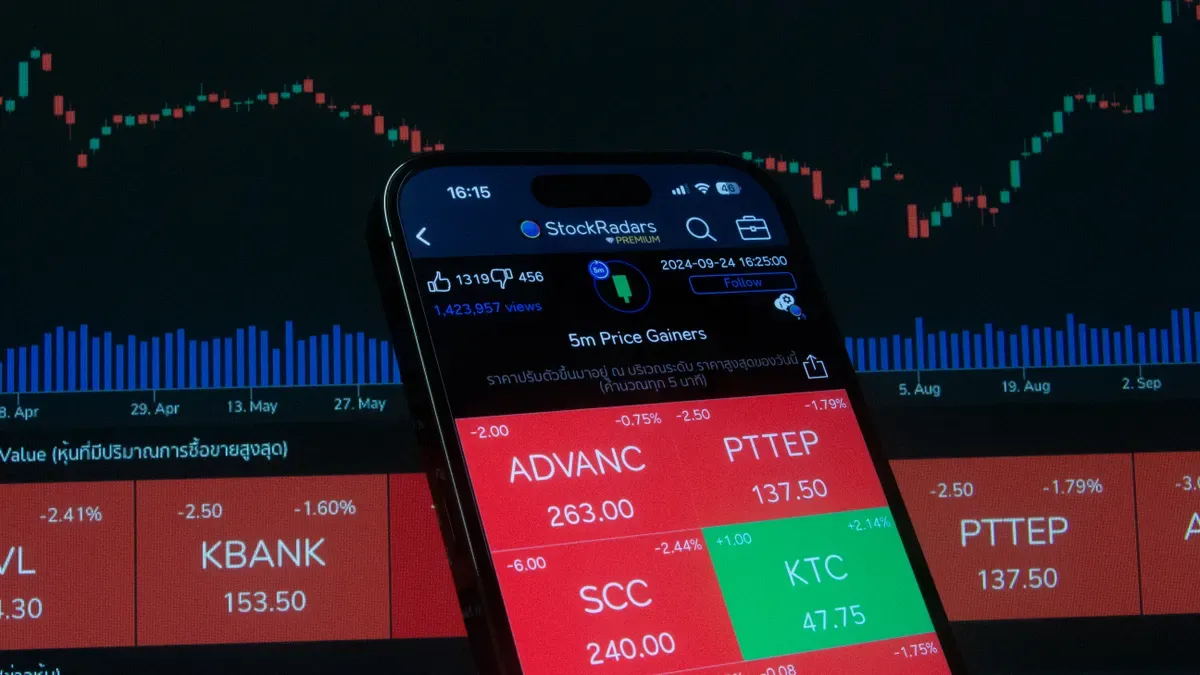
Real-time price updates bring clear benefits for store operations. They also raise questions about fairness. Dynamic pricing allows retailers to adjust prices based on demand, time of day, or inventory levels. Some shoppers worry that prices could rise during busy periods. A customer might pay more for the same product at lunchtime than in the evening. This possibility creates anxiety for budget-conscious buyers.
FamilyMart has addressed these concerns directly. The company states that most prices remain stable throughout the day. Dynamic pricing applies mainly to perishable goods nearing expiration. These items receive discounts rather than increases. The system lowers prices to reduce waste. Shoppers benefit from these markdowns on fresh food items.
Transparency Measures in Place
FamilyMart has implemented several transparency measures for its digital price tags. The company publishes clear guidelines about when prices can change. Stores display notices explaining the dynamic pricing system. Customers can check current prices through the FamilyMart mobile app before visiting. The app shows price histories for products when available.
The company also limits how often prices can change. Most products maintain stable prices for at least 24 hours. Promotional discounts follow predictable schedules. These rules prevent sudden price spikes that could surprise shoppers. FamilyMart reports that these measures have reduced customer complaints significantly.
Data Privacy and Tracking
What Data Is Collected?
The smart shelf system collects several types of data. The digital price tags track which products customers view. Sensors monitor how long shoppers stand near certain displays. The system records which items customers pick up and put back. This information helps FamilyMart understand shopping patterns.
The company emphasizes that it does not collect personal identification data through the shelves. The system does not use facial recognition technology. It does not link shelf interactions to individual customer accounts without consent. The data remains anonymous at the store level.
FamilyMart’s Privacy Policy
FamilyMart has updated its privacy policy to address the smart shelf system. The policy explains what data the company collects and how it uses that information. Customers can opt out of personalized offers through the mobile app. The company shares aggregated data with suppliers but never sells personal information to third parties.
The policy also outlines data retention periods. FamilyMart stores shelf interaction data for a limited time. The company deletes this information after 90 days. Independent auditors review the system regularly. These steps aim to build customer trust in the technology.
Expert Opinions on Electronic Shelf Labels
Retail Technology Specialists
Efficiency vs. Customer Trust
Retail technology specialists recognize the operational advantages of electronic shelf labels. The systems reduce labor costs and improve pricing accuracy. Automated updates save stores significant time each week. These experts also acknowledge the risks tied to dynamic pricing. Customers may feel manipulated if prices change too frequently. Trust becomes fragile when shoppers perceive unfair pricing practices.
Researchers at major Japanese universities study these systems extensively. They argue that transparency determines long-term success. Stores must communicate clearly about when and why prices change. FamilyMart follows best practices in this area. The company limits price fluctuation frequency. It also displays notices about dynamic pricing policies. These measures help maintain customer confidence.
The specialists point to a critical balance. High-tech price tags offer powerful capabilities. Retailers must use these capabilities responsibly. Companies that prioritize customer trust over short-term profit will succeed long-term. Those that exploit dynamic pricing may face public backlash.
Consumer Advocacy Groups
Calls for Regulation
Consumer advocacy groups have raised specific concerns about electronic shelf labels. These organizations represent shopper interests in the retail space. They worry about the potential for price discrimination. Electronic shelf labels could theoretically enable this practice. Different customers might see different prices for the same product. This possibility creates significant fairness concerns.
The Japan Consumer Union has issued a formal statement on the topic. The organization calls for clear regulations governing price display technology. It demands mandatory disclosure of pricing algorithms. The group also wants limits on how often prices can change. These regulations would protect vulnerable shoppers.
Data privacy represents another major concern for advocacy groups. The smart shelves collect information about customer behavior. This tracking happens without explicit consent in many cases. Advocacy groups want stricter rules around data collection. They argue that shoppers should control their personal information.
The groups acknowledge the benefits of electronic shelf labels for stores. They do not oppose the technology itself. They simply want safeguards in place. Fair pricing and privacy protection must remain priorities. The groups continue to monitor FamilyMart’s rollout closely. They will push for stronger regulations if necessary.
Regulatory Responses and Industry Standards
Government Oversight
Existing Pricing Laws
Japanese consumer protection laws already address retail pricing practices. The Act Against Unjustifiable Premiums and Misleading Representations requires stores to display accurate prices. This law applies to digital price tags just as it applies to paper labels. Retailers must show the correct price at the shelf and the register. Violations can result in fines or business suspensions. These existing rules provide a foundation for oversight.
New Guidelines for Digital Tags
Government regulators have introduced additional guidelines specifically for electronic shelf labels. The Ministry of Economy, Trade and Industry published new standards in late 2026. These guidelines require retailers to disclose how often prices change. Stores must also explain the logic behind dynamic pricing adjustments. The rules mandate clear signage informing customers about digital price tags. Retailers must provide price history data upon customer request. These guidelines aim to prevent unfair pricing practices while supporting retail innovation.
Industry Reactions
Competitors Watching Closely
Other convenience store chains have monitored FamilyMart’s rollout with great interest. Seven-Eleven Japan and Lawson both operate extensive store networks across the country. Executives at these companies have studied the operational results. They want to understand the return on investment before committing to similar systems. Early reports suggest strong efficiency gains. Competitors may accelerate their own adoption plans in response.
Partnerships and Pilots
FamilyMart has a history of technology partnerships that shaped its current smart shelf strategy. The company partnered with Panasonic to develop a next-generation convenience store in Yokohama, Japan, which opened on April 2, 2019. This collaboration implemented digital shelf solutions, including digital signage and digital price tags, to replace printed product information and improve operational efficiency. The initiative also included IoT-based technologies such as facial recognition payment and work assist systems.
FamilyMart also worked with CAYIN Technology to deploy digital signage in Taiwan. Starting in 2006, FamilyMart adopted in-store TV systems across its high-density outlets. By 2007, around 3,000 screens and players were running in 1,500 stores. CAYIN supplied the CMS-SE platform for playback and management, along with content updates and system monitoring. These earlier partnerships built the technical expertise that supports the current high-tech price tags rollout.
The Future of Smart Shelves at FamilyMart
Beyond Price Tags
Interactive Customer Features
FamilyMart plans to expand its smart shelves far beyond simple price display. The company envisions interactive features that engage shoppers directly at the shelf edge. Customers will soon touch digital shelf labels to access detailed product information. These displays will show nutritional data, allergen warnings, and recipe suggestions. The system will also support language switching for international visitors. Shoppers can scan QR codes to add items to a virtual shopping list. The company is exploring voice interaction capabilities for hands-free browsing. These features represent the future of digital price tags as full-service shopping assistants.
Supply Chain Visibility
The smart shelf system will provide unprecedented supply chain transparency. Each digital shelf label will display real-time stock levels for store employees. The system will automatically alert staff when inventory runs low. This capability extends to warehouse and distribution centers. Managers will track products from delivery truck to shelf placement. The technology will also monitor product freshness for perishable goods. Expiration dates will trigger automatic markdowns through the digital price tags. This integration reduces waste and improves product availability for customers.
Long-Term Impact on Convenience Stores
Setting a New Standard
FamilyMart’s adoption of smart shelves signals a broader industry shift toward automation. Market-trend-based strategies for convenience stores now include developing smart shelves as a core component. Player-adopted strategies include strategic mergers and acquisitions to increase geographic presence. These trends suggest that smart shelf adoption is part of a broader industry movement toward automation and expansion.
| Technology | Adoption Rate / Forecast | Relevance to Industry Standard |
|---|---|---|
| Smart shelves with RFID sensors and computer vision | ~74% of retailers deploying IoT/smart shelf tech | High adoption suggests potential to become a de facto standard |
| Self-checkout systems (AI kiosks, mobile wallets) | ~40% of global retail transactions expected by 2026 | Indicates broad acceptance and normalization in convenience stores |
| Computer vision and AI (planogram compliance, theft detection) | Becoming standard in smart convenience stores | Supports automation as an emerging industry norm |
The integration of ai in retail continues to accelerate. FamilyMart’s high-tech price tags demonstrate how automation reshapes store operations.
FamilyMart in Japan unveiled smart unmanned stores that use facial recognition and RFID automation, demonstrating a concrete step toward advanced store automation.
Challenges Ahead
The path forward presents several obstacles. Dynamic pricing systems require careful management to maintain customer trust. Privacy concerns will intensify as data collection expands. The company must balance innovation with transparency. Regulatory frameworks will evolve alongside the technology. Competitors will launch their own systems and create market pressure. FamilyMart must continue investing in infrastructure and training. The dynamic retail landscape demands constant adaptation. These digital shelf labels represent only the beginning of store automation.
FamilyMart’s smart shelves with digital price tags mark a major leap in convenience store technology. The system delivers clear gains in speed, accuracy, and cost savings. It also raises valid concerns about fairness and privacy. Regulators and consumer groups stress that transparency will prove critical. FamilyMart can build trust through open communication about price changes and data use. The rollout’s success depends on balancing innovation with customer confidence. This approach sets a precedent for the entire industry.
FAQ
What are smart shelves with digital tags?
Smart shelves use e-ink price tags instead of paper labels. They connect wirelessly to a central system. The tags receive instant price updates. They display product information and QR codes.
How do the digital price tags work?
Each tag contains a low-energy e-ink display. An ESL Gateway AP manages wireless communication. The cloud system sends price updates to individual tags within seconds. Batteries last approximately five years.
How many FamilyMart stores have digital price tags?
The company expanded the technology to over 500 locations by late 2026. FamilyMart plans to reach 2,000 additional stores by December 2027.
Can prices change throughout the day?
Yes, but FamilyMart limits changes primarily to perishable goods nearing expiration. These products receive discounts rather than price increases. Most items maintain stable prices for at least 24 hours.
Does FamilyMart collect personal data through the shelves?
The system tracks anonymous shopping patterns. It does not collect personal identification data. The smart shelves do not use facial recognition technology.
How does the system improve pricing accuracy?
The digital tags sync automatically with checkout systems. This synchronization eliminates discrepancies between shelf prices and register prices. Customers see the same price at every touchpoint.
What happens to the paper price labels?
FamilyMart replaced paper labels with digital tags in participating stores. Staff no longer print, cut, or replace thousands of paper labels each week.
See Also
How Digital Price Tags Create Smarter Retail Store Experiences
Why Electronic Shelf Label Technology Matters for Modern Retailers
SES Imagotag Leads the Future of In Store Pricing