You now expect a seamless shopping experience every time you visit a grocery store. Self-service checkout and digital price tags put control in your hands, making grocery shopping faster and more accurate. Technology shapes your shopping habits, from ESL Gateway AP to ESL Price Tag and Electronic Shelf Labels. Esl Retail solutions help you avoid pricing errors and streamline checkout.
- In the past five years, technology adoption in grocery shopping soared:
- 96% of grocery stores now offer self-service checkout.
- Over 70% of supermarket shoppers use self-service options regularly.
- Self-service technology drives convenience and improves the customer experience.
You benefit from technology that makes grocery shopping efficient, accurate, and enjoyable.
Self-Service Checkout: Transforming the Customer Experience
Empowering Shoppers with Self-Checkout System
Control and Flexibility in Grocery Shopping
You want more control over your shopping experience. Self-checkout systems give you the power to manage your own grocery shopping journey. You scan, bag, and pay for your items at your own pace. This autonomy means you can handle your purchases efficiently, especially when you have a busy schedule. Self-service checkout lets you choose your preferred payment method, whether you use cash, cards, or mobile payments. You also gain privacy, as you can scan items discreetly without interacting with staff. This level of control makes your shopping experience more comfortable and tailored to your needs.
- Self-checkout systems reduce wait times by eliminating queues at traditional cashier lanes.
- You gain autonomy by scanning and bagging items at your own pace.
- Flexible payment options cater to your preferences.
- Enhanced privacy allows you to shop discreetly.
- These features empower you and make grocery shopping more enjoyable.
Self-service technologies like scan&go technology and paperless self-checkout further enhance your flexibility. You can use handheld scanners or your smartphone to scan items as you shop. This approach streamlines the checkout process and gives you more time to focus on what matters most during your shopping trip.
Reducing Wait Times and Improving Flow
Long lines at the checkout can frustrate you and disrupt your shopping experience. Self-checkout systems address this issue by allowing multiple customers to check out simultaneously. Stores can fit more self-checkout machines in the same space as traditional lanes, increasing capacity and reducing congestion. You spend less time waiting and more time enjoying your shopping.
- 73% of consumers prefer self-service checkouts for speed and convenience.
- 60% of shoppers feel irritated by long checkout lines, which self-checkout helps reduce.
- Over 85% of consumers see self-checkout as faster than cashier-led checkout.
- Self-checkout reduces wait times and improves the overall flow of grocery shopping.
You benefit from a smoother, faster checkout process. Automated checkout solutions and scan&go technology make it easy to complete your purchases quickly. This efficiency leads to a better shopping experience and encourages you to return for future grocery shopping trips.
Meeting Modern Customer Expectations
Contactless and Convenient Shopping
Modern shopping demands convenience and safety. Self-checkout systems deliver both by supporting contactless payments and minimizing physical touchpoints. You can use mobile wallets, credit cards, or even scan and go self-checkout options to complete your purchase without handling cash or interacting with staff. This approach aligns with your expectations for a safe and efficient shopping experience.
- Self-checkout systems support multiple languages, making shopping accessible for everyone.
- Real-time error reduction ensures accurate pricing and stock availability.
- Integration with loyalty and rewards programs lets you redeem points or discounts instantly.
- Multiple payment options, including contactless methods, speed up the checkout process.
- Contactless shopping options enhance safety and convenience.
Paperless self-checkout and scan&go technology appeal to tech-savvy shoppers across all age groups. You can manage your entire checkout journey independently, making your shopping experience more personalized and liberating.
Adapting to Changing Retail Trends
Retail trends continue to evolve as technology advances. Self-service checkout adapts to these changes by offering innovative solutions for grocery shopping. You can choose from kiosk-based self-checkout units, scan-and-go systems, mobile app-based self-checkout, and even RFID-powered checkout processes. These options cater to your preferences and make shopping more enjoyable.
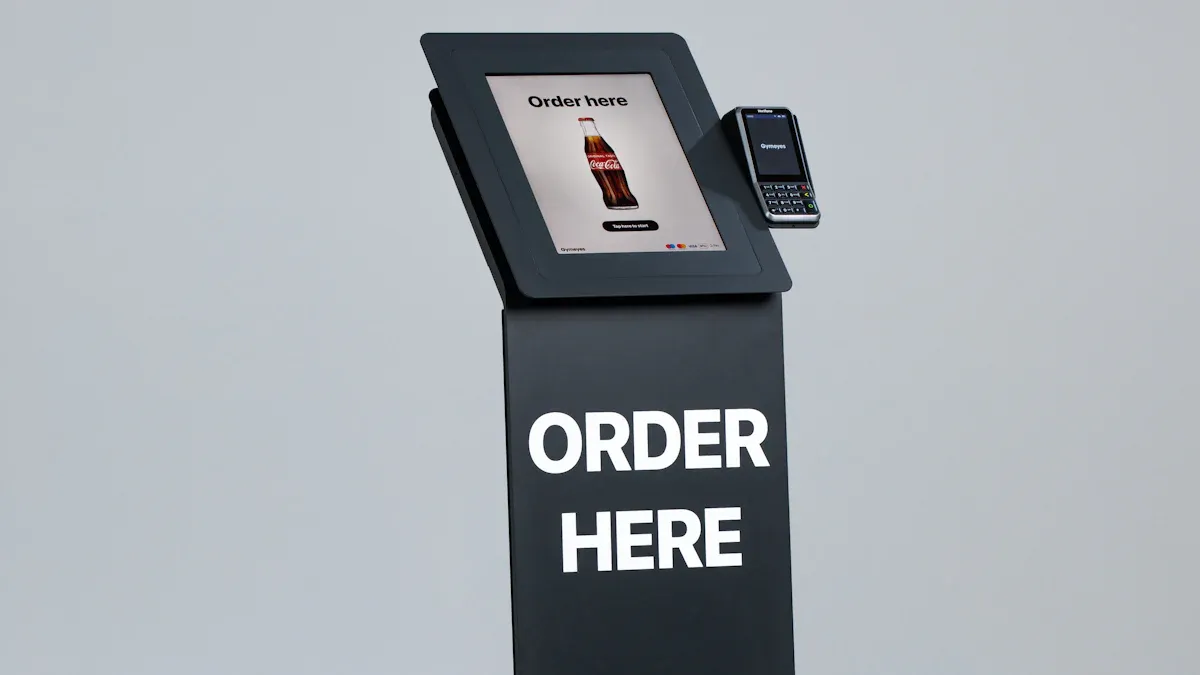
- Kiosk-based self-checkout units let you scan items and pay with cash, cards, or digital wallets.
- Scan&go technology provides handheld scanners or mobile apps for faster checkout.
- Mobile app-based self-checkout lets you use your smartphone to scan and pay, sometimes bypassing the checkout line entirely.
- RFID-powered self-checkout uses radio frequency identification tags for seamless checkout.
- Advanced systems like Amazon Go use AI and RFID to let you leave the store without a traditional checkout process.
You see these technologies as essential for a modern shopping experience. They offer speed, convenience, and flexibility, which are critical for today’s grocery shopping environment.
Tip: Embrace self-service technologies to enjoy a faster, more convenient shopping experience every time you visit the grocery store.
Customer Preferences in Checkout Options
You are not alone in your preference for self-service checkout. Many shoppers now choose self-checkout systems for their speed and convenience. The following table shows how customer preferences have shifted in recent years:
| Source & Year | Customer Preference Details | Percentage(s) |
|---|---|---|
| Feedback Group (2022) | Preference for staffed checkouts vs self-checkouts | 54% staffed, 46% self-checkout |
| Catalina (2021) | Consumers preferring only manned lanes | 49% |
| Consumers using only self-checkout | 12% | |
| Consumers using both methods depending on trip | 39% | |
| NCR Voyix (2025) | Shoppers choosing self-checkout for faster service | 77% |
| Gen Z preferring self-checkout | 63% | |
| Millennials preferring self-checkout | 45% |
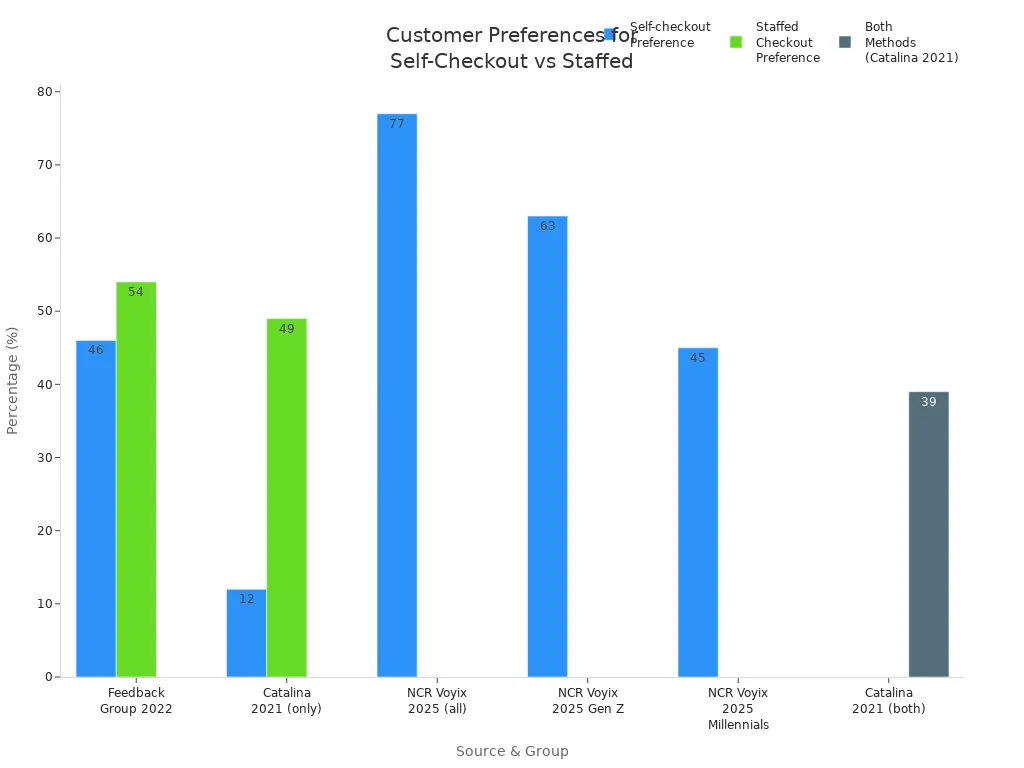
You can see that self-service checkout and automated checkout solutions have become a vital part of the modern grocery shopping experience. These technologies continue to shape the way you shop, making every trip to the grocery store faster, more convenient, and more enjoyable.
Digital Price Tags: Real-Time Accuracy and Transparency
Eliminating Pricing Errors in Self-Checkout
Real-Time Price Updates for Consistency
You expect prices on the shelf to match what you see at the self-checkout system. Digital price tags and electronic shelf labels make this possible by connecting directly to the store’s database. This technology enables instant updates, so you always see the correct price. When a store changes a price, the update appears on the shelf and at the self-checkout system at the same time. This real-time synchronization eliminates confusion and prevents pricing disputes.
- Digital price tags connect to the store’s database for immediate updates.
- Electronic shelf labels ensure prices on the shelf match those at checkout.
- Integration with the self-checkout system guarantees consistency for every transaction.
- Agile pricing lets stores adjust prices for promotions or demand, giving you relevant discounts.
Retailers who use electronic shelf labels report an average reduction of up to 20% in human pricing errors. This improvement means you can trust the price you see, whether you shop in-store or use the self-checkout system. You no longer need to worry about discrepancies between the shelf and your receipt.
Building Trust with Accurate Information
Accurate pricing builds trust between you and the store. Digital price tags and electronic shelf labels provide clear, consistent information. You see the same price on the shelf, at the self-checkout system, and on your receipt. This transparency helps you feel confident in your purchases.
- Real-time updates prevent outdated prices.
- Consistent pricing across all channels increases your trust.
- Electronic shelf labels display clear product details, reducing confusion.
You benefit from technology that eliminates manual errors and ensures you always pay the correct price. This reliability encourages you to return to stores that use digital price tags and electronic shelf labels.
Enhancing Promotions and Product Information
Displaying Dynamic Discounts and Offers
You want to find the best deals quickly. Digital price tags and electronic shelf labels make it easy for you to spot promotions and special offers. Stores can update discounts instantly, so you never miss a flash sale or limited-time offer. This technology supports dynamic pricing, allowing stores to adjust prices based on demand, season, or inventory levels.
| Feature/Benefit | Explanation |
|---|---|
| Real-Time Updates | Prices and promotions update instantly, letting stores react quickly to market changes. |
| Enhanced Pricing Strategies | Supports special promotions, time-sensitive discounts, and personalized offers. |
| Improved Operational Efficiency | Removes manual price changes, reducing errors and freeing staff for other tasks. |
| Consistent Pricing Across Channels | Ensures uniform pricing online and in-store, building your trust. |
| Sustainability | Reduces paper waste by replacing paper tags with digital displays. |
| Wireless Connectivity & Central Control | Enables seamless, centralized management of pricing and promotions. |
You see clear, up-to-date discounts on every shelf. The self-checkout system reflects these changes immediately, so you always pay the advertised price. This technology also supports sustainability by reducing paper waste.
Providing Inventory and Product Details
You rely on accurate product information to make informed choices. Digital price tags and electronic shelf labels display more than just prices. They show product details, inventory status, and even QR codes for extra information. You can scan a code to check for out-of-stock items or learn more about a product’s features.
- Digital price tags display inventory levels, helping you avoid out-of-stock items.
- Electronic shelf labels provide product descriptions, nutritional facts, and allergy warnings.
- QR codes and NFC features let you access online content or complete mobile payments.
This technology bridges the gap between physical and online shopping. You get a seamless experience, whether you shop in-store or use digital tools. Stores can manage inventory more efficiently, reducing the risk of out-of-stock items and improving your overall experience.
Tip: Look for stores that use digital price tags and electronic shelf labels. You will enjoy faster updates, better promotions, and more reliable information every time you shop.
Key Benefits for Grocery Shopping and Beyond
Speed and Convenience for Shoppers
Faster Checkout with Self-Service Options
You want your shopping experience to be quick and efficient. Self-service checkout and digital price tags deliver this by streamlining every step of your grocery shopping. With self-service options, you scan, bag, and pay for your items in under 90 seconds on average. This speed means you spend less time waiting and more time enjoying your day. Scan&go technology lets you use your smartphone or a handheld device to scan items as you shop, making the checkout process even faster. You avoid long lines and move through the grocery store at your own pace, which enhances your overall shopping experience.
Retailers also benefit from these systems. They see a 30-40% reduction in staffing costs and improved operational efficiency. You notice the difference as stores can redeploy staff to assist you on the floor, answer questions, or help with any issues during your shopping trip.
24/7 Availability and Flexible Shopping Hours
You value flexibility in your grocery shopping. Self-service checkout systems allow stores to offer extended hours or even 24/7 access. You can shop whenever it fits your schedule, whether early in the morning or late at night. This flexibility supports your busy lifestyle and ensures you never feel rushed during your shopping experience.
Digital price tags and electronic shelf labels update prices and promotions in real time, so you always see accurate information no matter when you shop. You enjoy the convenience of shopping at your own pace, knowing that the checkout process will be smooth and efficient every time.
Improved Customer Engagement
Interactive Features and Personalized Offers
You expect more than just speed from your grocery shopping experience. Interactive features in self-service checkout systems and digital price tags provide you with personalized offers and real-time notifications about deals. Mobile self-checkout apps integrate loyalty programs, allowing you to earn points and redeem rewards automatically. Personalized offers based on your shopping history make you feel recognized and valued.
Gamified loyalty features, such as achievement badges and shopping streaks, turn routine grocery shopping into an engaging experience. You receive instant notifications about exclusive deals and complementary products, which increases your satisfaction and encourages you to explore new items during your shopping trip.
Seamless Omnichannel Experiences
You want your shopping experience to be consistent across all channels. Self-service checkout and digital price tags support seamless integration with online and in-store systems. You can check inventory, view product details, and access personalized promotions whether you shop in person or online. Digital receipts and easy returns through mobile apps make post-purchase tasks simple and convenient.
The following table highlights key benefits for both shoppers and retailers:
| Stakeholder | Key Benefits of Self-Service Checkout |
|---|---|
| Shoppers | Faster transactions, contactless service, loyalty program integration |
| Retailers | Reduced staffing costs, improved efficiency, enhanced data capture, better security |
You experience a modern, efficient, and engaging grocery shopping journey every time you visit the grocery store.
How Digital Price Tags Enhance the Self-Checkout System
Real-Time Synchronization Across Store and Checkout
Instant Price Changes and Dynamic Pricing
You expect prices to update instantly when you shop. Digital price tags connect to a centralized retail management system, which allows you to see real-time price changes on both the shelf and the self-checkout system. Wireless communication technologies like Wi-Fi and Bluetooth make this possible. When a store manager updates a price, the change appears everywhere at once. This technology supports dynamic pricing, so you always see the most current deals and discounts.
- Digital price tags use cloud-based platforms for instant updates.
- Wireless networks ensure disruption-free synchronization.
- Integration with POS and inventory systems keeps pricing and stock information consistent.
You benefit from technology that adapts quickly to promotions and market trends. This approach helps stores manage stock efficiently and reduce the burden of stockouts, giving you access to accurate pricing and availability every time you visit the checkout.
Consistency Between Shelf and Self-Checkout
You want to trust that the price you see on the shelf matches what you pay at the self-checkout system. Real-time synchronization through electronic shelf labels ensures every price tag updates instantly and accurately. This consistency eliminates confusion and frustration. You no longer need to worry about mismatched prices between the shelf and the checkout terminal.
- Centralized control enables uniform pricing across all products and locations.
- Two-way communication between digital tags and central systems allows for error detection and remote monitoring.
- Automation removes manual price updates, reducing errors and supporting seamless checkout experiences.
This technology builds your confidence in the store’s pricing integrity. You know you can rely on the information displayed, which increases your trust and satisfaction.
Reducing Errors and Labor Costs
Minimizing Manual Updates and Human Error
Manual price updates take time and often lead to mistakes. A mid-sized retailer with 10,000 price tags can spend up to 50 hours a week updating prices, costing thousands of dollars each year. Digital price tags automate this process, eliminating manual changes and nearly removing pricing errors. The self-checkout system always displays the correct price, so you avoid surprises at the register.
Retail workers no longer need to spend hours checking, printing, and changing price labels. Electronic shelf labels automate updates from a central system, freeing staff to focus on helping you and managing stock. This shift improves accuracy and efficiency throughout the store.
Streamlining Store Operations
Digital price tags and self-checkout systems work together to streamline store operations. Automated price changes reduce labor costs and minimize human error. Centralized updates ensure consistent and accurate pricing, which supports a smooth checkout process. Staff can now dedicate more time to customer service and stocking shelves.
NFC technology in digital tags also supports self-checkout and cashless payments, further reducing manual labor and transaction errors. This technology-driven approach creates a more efficient store environment and enhances your overall shopping experience.
Tip: Stores that invest in technology like digital price tags and self-checkout systems deliver faster, more accurate, and more reliable service.
Overcoming Challenges in Implementing Self-Service Checkout
Adoption and Training for Staff and Customers
User-Friendly Interfaces and Support
You expect self-service technologies to offer convenience and simplicity. Retailers often face integration complexities when combining new checkout systems with legacy technology. Open retailing platforms, open APIs, and modular hardware help bridge these gaps, making the transition smoother. When you use a checkout station, a user-friendly interface ensures you can complete the checkout process without confusion. Retailers must strategically place checkout stations for easy navigation and visibility, reducing customer frustration and supporting convenience.
Maintaining in-person assistance remains essential. Staff can resolve issues quickly and provide support, which improves your confidence in self-service technologies. A dedicated team of self-checkout specialists can guide you through the checkout process, troubleshoot problems, and keep checkout processes running smoothly.
Educating Shoppers for Smooth Transitions
You benefit from clear instructions and support during your first experiences with self-service technologies. Retailers use signage and instructional videos near checkout stations to guide you step by step. Incentives, such as loyalty points or small discounts, encourage you to try new checkout processes. Staff training ensures employees can assist you, answer questions, and perform basic maintenance on checkout equipment.
Retailers continuously monitor usage and collect feedback to optimize the checkout process. This approach helps you adapt quickly and builds trust in the technology. You experience greater convenience and efficiency as you become familiar with self-service technologies.
Security, Privacy, and Fraud Prevention
Protecting Customer Data in Self-Checkout Systems
You want your personal information protected during every checkout. Security risks include barcode switching, partial scanning, and fake payment attempts. Retailers use integrated weight sensors, AI-powered camera monitoring, and POS software alerts to detect suspicious activity. These technologies help protect your data and ensure a reliable checkout process.
Employee oversight stations provide visible supervision, deterring theft and offering immediate assistance. Enhanced customer identification, such as registration or biometric verification, reduces anonymity and increases security. Communication through mobile apps educates you about proper checkout processes and the consequences of theft.
Preventing Theft and Ensuring Reliability
Theft and shrinkage remain major challenges for self-service technologies. Over 60% of losses come from non-scanned items, often due to confusing interfaces or packaging issues. Retailers combine AI monitoring, employee training, and customer education to reduce both accidental and intentional losses. Video analytics software enables real-time theft detection, alerting staff immediately and improving the reliability of checkout processes.
You benefit from fewer interruptions and faster resolution of scanning issues. Staff productivity increases as automated monitoring targets only high-risk transactions. Comprehensive reporting from analytics software provides insights for improving security and operations, ensuring you enjoy a secure and convenient shopping experience.
Managing Costs and Maximizing ROI
Upfront Investment vs. Long-Term Savings
You may wonder about the costs of implementing self-service technologies. Digital price tags and self-service checkout systems require upfront investment. However, these technologies typically pay for themselves within 12 to 24 months. Larger stores or those with frequent price changes see faster returns. Labor cost savings, reduced pricing errors, and increased sales through dynamic pricing drive ROI.
A European supermarket chain reported a 40% reduction in pricing errors, which improved customer trust. Another grocery chain saved $200,000 annually by eliminating manual price tag replacements. These savings allow retailers to reinvest in technology and enhance your shopping convenience.
Measuring Success and Store Performance
Retailers measure success by tracking labor savings, pricing accuracy, and sales performance. Independent grocers often see ROI in about two years due to significant labor savings and improved accuracy. Wireless updates across multiple stores save labor hours and ensure consistent pricing. Self-service checkout solutions also contribute to positive ROI by reducing labor costs and meeting your preference for convenience.
Tip: When you choose stores that invest in self-service technologies, you support innovation that delivers convenience, security, and efficiency in every checkout process.
Real-World Impact on the Shopping Experience
Case Studies in Grocery Shopping and Retail
Success Stories from Leading Retailers
You see the impact of self-service checkout and digital price tags every time you visit a modern grocery store. Leading retailers around the world have transformed the shopping experience by adopting these technologies. When you shop at Woolworths in Australia, you notice automated price updates and real-time stock data. This integration improves operational efficiency and ensures accurate pricing throughout your grocery shopping journey. Carrefour stores across Europe and the Middle East use digital price tags to launch promotions quickly and keep prices consistent. You benefit from increased price compliance and better customer satisfaction.
Lidl in Germany uses real-time price adjustments during sales. You find nutritional information displayed right on the shelf, which helps you make informed choices during your shopping experience. The Home Depot in the United States provides detailed product information and accurate pricing through electronic shelf labels. You enjoy faster promotion launches and improved inventory tracking, making your shopping more efficient.
| Retailer | Location | Implementation Details | Impact on Grocery Shopping Experience |
|---|---|---|---|
| Woolworths | Australia | ESLs integrated with central pricing platform; automated price updates and real-time stock data | Improved operational efficiency; accurate pricing; enhanced customer experience |
| Carrefour | Europe, Middle East | Digital price tags enable quick price changes and promotions | Increased price compliance; reduced labor costs; better customer satisfaction |
| Lidl | Germany | Real-time price adjustments during sales; nutritional info displayed | Better price transparency; improved promotions; reduced manual update costs |
| The Home Depot | United States | ESLs provide accurate pricing and detailed product info | Enhanced pricing accuracy; faster promotion launches; improved inventory tracking |
Customer Feedback and Measurable Results
You notice that self-service checkout terminals give you more control over your grocery shopping. You scan and bag your items, which reduces checkout times and gives you autonomy. Research shows that these systems lower labor costs and increase efficiency, especially when you shop during busy periods or for small purchases. However, you may encounter usability issues if you prefer human interaction, especially if you are an older adult. Your acceptance of these technologies depends on their usefulness, speed, reliability, and convenience. When you experience frequent technical problems, your satisfaction drops. Stores that focus on improving service quality see you return more often and enjoy a better shopping experience.
Changes in Shopper Behavior and Loyalty
Increased Repeat Visits and Basket Size
You change your shopping habits when you use self-service checkout and digital price tags. The Technology Acceptance Model shows that you value autonomy, speed, and convenience in your grocery shopping. You find these systems especially useful when you want to shop quickly or buy just a few items. You visit stores more often because you know you can manage your shopping experience independently. You also tend to buy more items per trip, as the process feels smoother and more efficient.
However, your acceptance of these technologies can vary. If you are an older shopper, you might feel less confident using self-service checkout and may miss the personal touch of traditional staff. Despite this, most shoppers appreciate the reduced queue times and the ability to personalize their shopping experience.
Building Long-Term Customer Relationships
You build loyalty with stores that offer a seamless shopping experience. When you trust that prices are accurate and promotions are up to date, you feel more confident in your grocery shopping. Digital price tags and self-service checkout systems help stores deliver a consistent in-store experience. You appreciate the ability to check product details, see real-time inventory, and receive personalized recommendations.
Retailers like Walmart use digital signage and self-checkout to provide real-time product information and faster checkout processes. You benefit from analytics that help stores understand your shopping behavior, which leads to better marketing and engagement. While some shoppers worry about dynamic pricing and data privacy, you still enjoy the operational efficiencies and sustainability benefits these technologies bring. Over time, you develop a stronger connection with stores that prioritize your convenience and satisfaction during every shopping trip.
Note: Your feedback and shopping patterns help retailers refine their technology, making your grocery shopping experience even better with each visit.
Action Steps for Retailers Considering Self-Service Checkout
Assessing Store Readiness and Needs
Evaluating Technology Partners and Solutions
You need to start by evaluating your store’s readiness for self-service checkout and digital price tags. Begin with a thorough assessment of your product range. If you sell items with security tags, consider how this will affect the self-checkout process. Make sure all products have barcodes that scan easily to avoid delays at checkout.
Next, review your store layout. Check if you have enough space near entrances or exits to install multiple self-checkout stations without disrupting customer flow. Reliable hardware is essential. Choose lightweight POS systems and durable scanners that can handle frequent use.
Your software should offer an intuitive interface. Customers must be able to scan, add or remove products, apply discounts, and pay securely without confusion. Select technology partners who provide scalable solutions and strong customer support. Balance technology with a human touch to maintain a positive customer experience and effective loss prevention.
Tip: Look for partners who offer AI-enabled video surveillance, RFID integration for real-time pricing, and beacon technology for personalized offers.
Planning for Integration and Scalability
Plan for seamless integration with your existing systems. Your self-checkout and digital price tag solutions should connect with your POS, payment gateways, loyalty programs, and inventory management. This integration ensures consistent pricing and smooth operations.
Scalability matters. Choose solutions that can grow with your business. As your store expands or customer needs change, your technology should adapt without major disruptions. Consider how you will transform staff roles—freeing associates from checkout duties allows them to focus on customer service and support.
Best Practices for a Successful Rollout
Pilot Programs and Continuous Improvement
Start with a pilot program in selected locations. This approach lets you test the system in real-world conditions and identify technical or usability issues early. Collect feedback from both customers and staff through surveys, interviews, and system logs. Analyze checkout times, error rates, and customer satisfaction to guide improvements.
Continuous improvement is key. Regularly monitor system performance, update software, and enhance features based on user feedback. Train your staff thoroughly and provide clear documentation. Maintain open communication channels to support ongoing innovation and adaptation.
Gathering Feedback and Adapting Strategies
Gather feedback at every stage of your rollout. Use customer surveys, staff observations, and analytics to understand what works and where you need to adjust. Adapt your strategies based on this input. For example, you might refine your user interface, adjust store layouts, or introduce new security features.
Note: A phased rollout with ongoing feedback helps you create a stable, effective self-service checkout system that meets evolving customer expectations and supports long-term success.
You transform your grocery shopping every time you use self-service checkout and digital price tags. These technologies streamline your grocery shopping, making each shopping experience faster and more accurate. You enjoy real-time price updates, dynamic promotions, and instant access to product information during grocery shopping. Self-service kiosks let you control your grocery shopping, reducing wait times and improving your shopping experience. Digital price tags ensure pricing accuracy and consistency throughout your grocery shopping journey. You benefit from seamless integration between digital and physical grocery shopping, which enhances your shopping experience. Retailers who invest in these solutions see improved operational efficiency, sustainability, and customer satisfaction in grocery shopping. You expect innovation in grocery shopping, and these tools deliver a superior shopping experience. Embrace self-service checkout and digital price tags to elevate your grocery shopping and set new standards for the shopping experience.
FAQ
What are digital price tags?
Digital price tags, also called electronic shelf labels (ESLs), display product prices and information electronically. You see real-time updates on shelves, which ensures pricing accuracy and consistency throughout your shopping experience.
How do self-service checkout systems improve efficiency?
Self-service checkout lets you scan and pay for items yourself. You avoid long lines and complete your purchase quickly. Stores can redeploy staff to assist you on the floor, which improves overall service.
Are digital price tags secure?
Yes, digital price tags use encrypted wireless communication. You benefit from secure updates and reduced risk of tampering. Retailers monitor systems to maintain data integrity and prevent unauthorized changes.
Can self-service checkout handle promotions and discounts?
You can redeem promotions and discounts at self-service checkout. The system applies offers automatically when you scan eligible items or loyalty cards. You see the final price before payment.
What happens if you need help at self-checkout?
If you need assistance, you can call for staff support using the help button. Trained employees resolve issues, answer questions, and ensure your checkout process runs smoothly.
Do digital price tags help with inventory management?
Digital price tags display real-time inventory levels. You see if a product is in stock before you buy. Retailers use this data to restock shelves efficiently and reduce out-of-stock situations.
Are self-service checkout systems accessible for everyone?
Most self-service checkouts offer multiple language options and user-friendly interfaces. You can adjust screen settings for better visibility. Staff remain available to help if you need extra support.
How do digital price tags support sustainability?
Digital price tags reduce paper waste by replacing traditional paper labels. You help the environment by shopping at stores that use electronic shelf labels, which support greener retail operations.