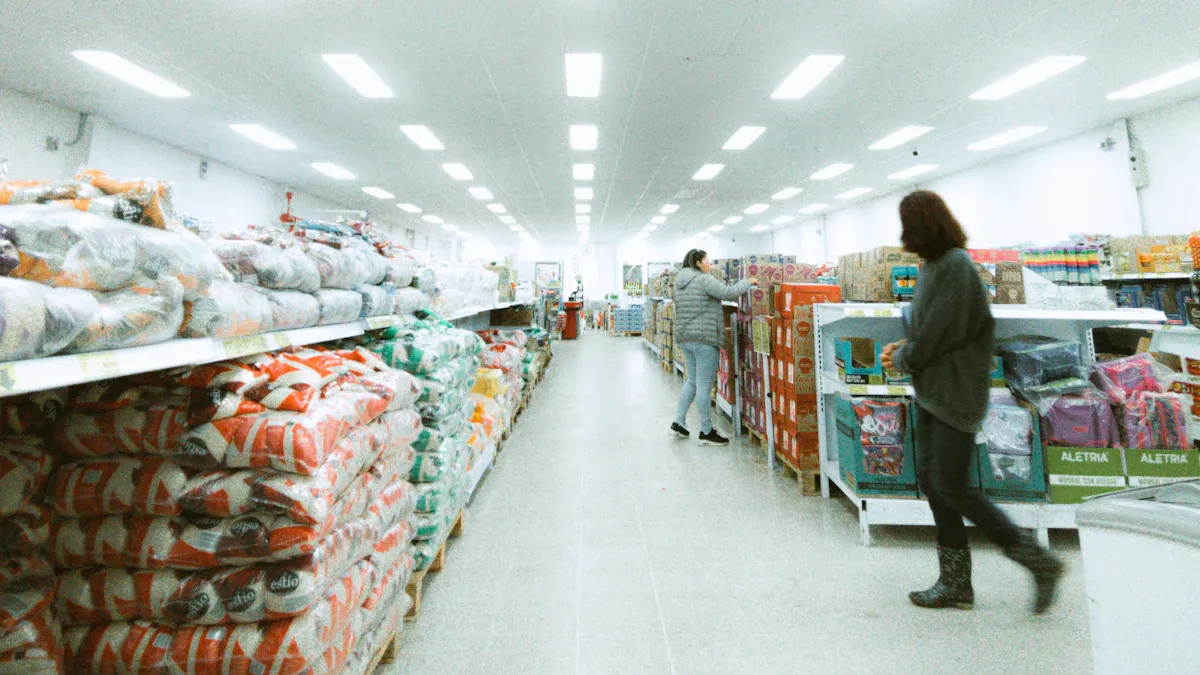
The electronic shelf label market is projected to hit USD 1,602.3 million in 2026, marking a pivotal moment for the retail industry. For most retailers, SES electronic shelf labels are a strategic investment driving this retail transformation. An Esl Retail solution uses an ESL Gateway AP to manage every ESL Price Tag, enabling accurate, real-time pricing. This technology moves stores beyond the limitations of paper, turning each electronic price tag into a tool for efficiency and customer engagement.
What Are SES Electronic Shelf Labels and How Do They Work?
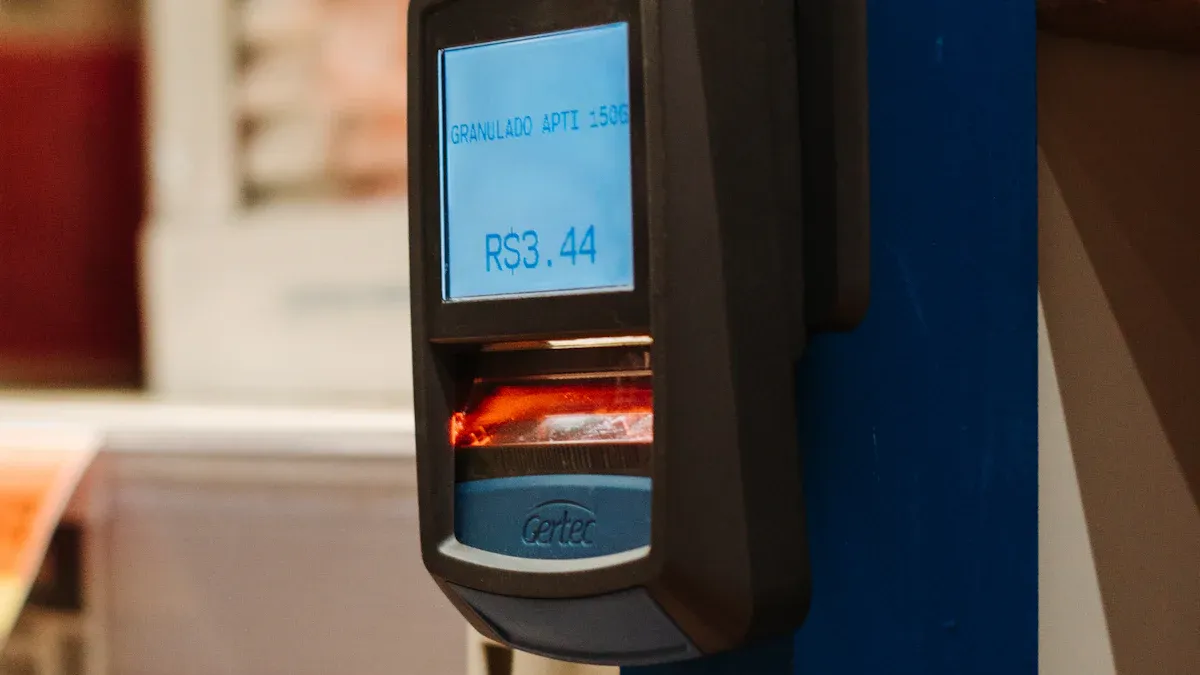
SES electronic shelf labels are small, battery-powered digital displays that replace traditional paper price tags. They connect wirelessly to a central system, allowing retailers to update pricing and product information automatically across thousands of labels simultaneously. This system eliminates manual price changes and ensures accuracy from the checkout counter to the shelf edge.
The Core Technology Behind the VUSION Platform
The VUSION platform is the engine powering this retail transformation. It operates as a secure Software as a Service (SaaS) solution, centralizing control over every electronic price tag in the network. The platform uses robust radio frequency (RF) technology for reliable, high-speed communication between the central gateway and each label.
VUSION integrates seamlessly with a retailer’s existing ecosystem, including ERP and POS systems, through a documented REST API. This connection allows the system to pull data and synchronize prices automatically. Store managers can monitor infrastructure status and resolve issues using a real-time dashboard, ensuring every electronic price tag displays correct information.
Key Features Driving Retail Innovation in 2026
Modern electronic shelf labels offer more than just price automation. In 2026, these devices are hubs for digital interaction and operational excellence.
Key Innovations Include:
Interactive Customer Engagement: Integrated NFC and QR codes allow shoppers to tap their smartphones on a label. This action can link them to product reviews, detailed specifications, or even augmented reality content.
Omnichannel Consistency: The platform ensures prices and promotions are perfectly synchronized between a retailer’s online store and physical aisles.
Extended Battery Life: Each label is engineered for longevity. Optimized power management and low-energy connectivity give them a battery life of 5 to 10 years, minimizing maintenance and replacement costs.
These features transform the shelf edge into a dynamic and data-rich touchpoint, enhancing the shopping experience while streamlining store operations.
The Business Case: Analyzing the ROI of an Electronic Price Tag System
Adopting an electronic price tag system delivers a compelling return on investment (ROI) by transforming core retail operations. The business case extends beyond simple automation, creating value through enhanced efficiency, protected margins, and an elevated customer journey. Retailers can analyze the ROI by quantifying labor savings, measuring the impact of pricing accuracy, and assessing the value of an improved in-store experience.
Calculating Operational Efficiency and Labor Savings
Manual price changes are a significant operational bottleneck, consuming valuable employee hours that could be redirected toward customer-facing activities. SES electronic shelf labels eliminate this task, generating immediate and measurable labor savings. Instead of dedicating days to updating paper tags, staff can execute thousands of price changes in minutes.
Major retailers have documented substantial gains in efficiency. For example, Kroger reduced its repricing time from two weeks to just five minutes, achieving a remarkable 90% reduction in associated labor costs. Similarly, Maurer’s Market cut its price update process from four days to under ten minutes. These improvements free up staff to focus on high-value tasks like restocking, customer service, and maintaining store appearance.
Note: The impact on labor is clear. Automating price updates can save up to 12 hours per week per store and reduce labor costs tied to pricing tasks by approximately 52%.
Furthermore, integrated task management software enhances these efficiencies. ESLs with flashing indicators guide employees directly to shelves needing attention, speeding up picking and restocking. This system minimizes errors and ensures shelves are replenished faster, improving inventory turnover and operational flow.
Protecting Profit Margins with Pricing Accuracy
Pricing errors are a silent drain on profitability. A mismatch between the shelf price and the point-of-sale (POS) system can lead to lost revenue, customer dissatisfaction, and potential legal compliance issues. An electronic price tag system automates synchronization, ensuring 100% accuracy and protecting profit margins.
This automation is crucial for implementing dynamic pricing strategies. Retailers can adjust prices in real-time based on competitor moves, demand shifts, or inventory levels.
Promotional Agility: Launch store-wide flash sales instantly without the lag of manual updates.
Waste Reduction: Intelligently mark down items nearing their expiration date to encourage sales and minimize spoilage.
Competitive Response: React immediately to a competitor’s price drop on a key item to retain customer loyalty.
By enabling agile pricing, retailers can maximize revenue on high-demand products and efficiently clear slow-moving stock. This capability transforms pricing from a static necessity into a powerful tool for margin optimization. The system ensures every price displayed is correct, eliminating the financial losses that occur when a lower shelf price must be honored at checkout.
Using Digital Shelf Technology to Enhance Customer Experience
Beyond operational gains, digital shelf technology fundamentally improves the in-store shopping experience. Each electronic price tag becomes an interactive touchpoint, providing shoppers with the information they need to make confident purchasing decisions.
Labels can display more than just a price. Retailers can show key product details directly on the shelf edge, such as:
Real-time stock levels to create a sense of urgency.
Product reviews and ratings to build trust.
Promotional details and multi-buy offers.
This enriched information bridges the gap between online and in-store shopping, giving physical retail a digital advantage. When customers have immediate access to comprehensive data, they feel more empowered and are more likely to complete a purchase. This enhanced engagement builds brand loyalty and encourages repeat visits, turning the shelf edge into a driver of sales and customer satisfaction.
Implementing Electronic Shelf Labels in Your Store
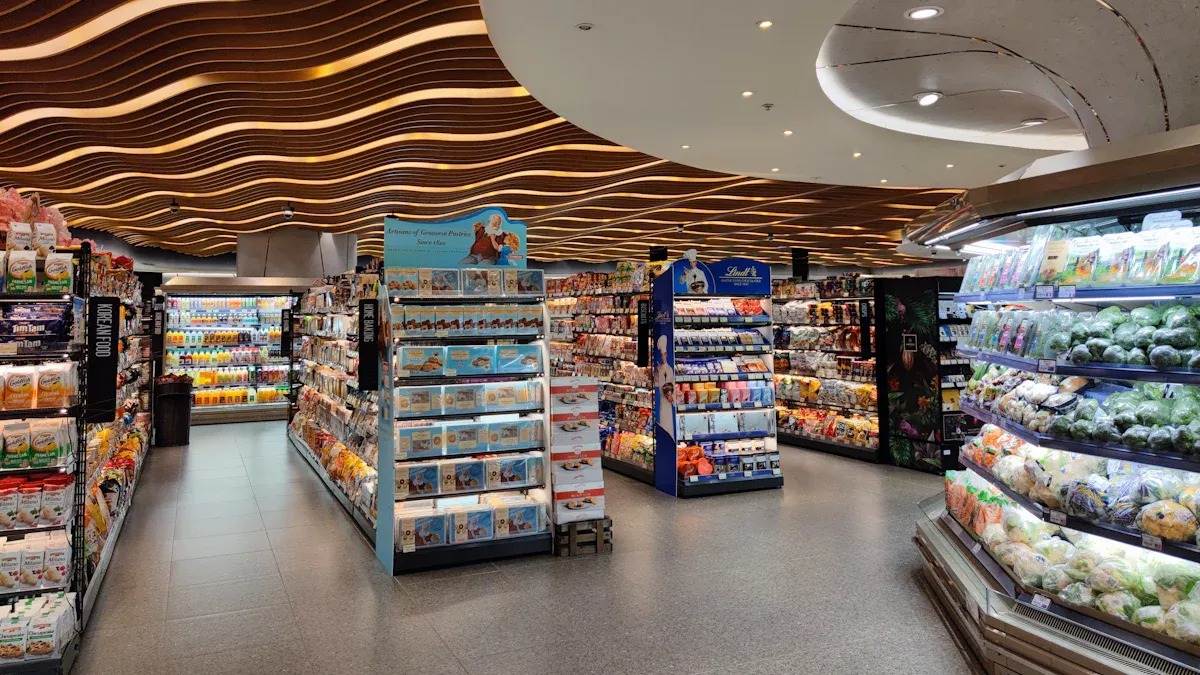
Deploying ses electronic shelf labels is a structured project that transforms store infrastructure. A successful rollout follows a clear path from initial planning to full operational status, ensuring a smooth transition and rapid value realization.
The Installation Process: From Survey to Go-Live
A methodical installation process ensures the system aligns with a retailer’s specific operational goals. The journey from initial assessment to a fully functional system typically involves three key phases:
Needs Assessment: The process begins with a thorough survey of the store’s environment. Retailers identify key objectives, such as eliminating pricing errors or enabling dynamic promotions, which guide the entire project.
System Integration: Retailers select an integration method that fits their existing infrastructure. Cloud-based POS systems often connect via a direct API for real-time data synchronization. Legacy systems may require a middleware solution to bridge the gap between the POS and the new label network.
Deployment and Testing: Technicians install the physical hardware, including gateways and each electronic price tag. They configure the wireless network and test the system extensively to confirm price accuracy and reliable, real-time updates before the official “go-live.”
A 2026 Cost Analysis: Upfront Investment vs. Long-Term Gains
The financial case for electronic shelf labels balances initial capital outlay against significant long-term returns. In 2026, the upfront cost for an individual electronic price tag generally ranges from $5 to over $20, depending on size and features.
While this initial investment is notable, most retailers achieve a full return on investment within 18 to 36 months. This payback period comes from labor savings, improved pricing accuracy, and reduced material costs. Ongoing software costs also factor into the total cost of ownership.
Software Licensing Models:
Perpetual License: This model involves a large, one-time payment. It requires a separate annual maintenance contract, which can cost up to 22% of the original software price, to receive updates and support.
Subscription License (SaaS): This model spreads costs over time through recurring monthly or annual payments. It includes continuous support and upgrades, offering greater budget flexibility.
Careful analysis of these factors helps retailers build a comprehensive business case that justifies the investment and projects long-term profitability.
SES vs. The Competition: A 2026 Market Comparison
Choosing the right electronic shelf label partner is a critical decision for any retailer. The market offers various solutions, but a closer look reveals significant differences in technology, software capabilities, and global reach. In 2026, SES-imagotag distinguishes itself through a superior technology stack and a proven track record of innovation.
Technology Showdown: SES (RF) vs. Competitors (Infrared)
The communication protocol is the backbone of any ESL system, directly impacting its reliability, speed, and functionality. Most systems use either Radio Frequency (RF) or Infrared (IR).
SES-imagotag builds its VUSION platform on advanced RF technology. This choice provides robust, bi-directional communication that is not dependent on line-of-sight. RF signals can easily travel through shelves, fixtures, and other common store obstacles. This ensures every label receives updates quickly and reliably, regardless of its location. The two-way communication also allows each label to send data back to the central system, confirming updates and reporting its status.
Key Advantages of RF Technology:
Unmatched Reliability: RF signals are not blocked by physical objects, guaranteeing consistent communication across the entire store.
High-Speed Updates: The system can update thousands of labels simultaneously in minutes, enabling true dynamic pricing.
Two-Way Communication: Labels can confirm successful updates and report battery status, simplifying system management.
In contrast, many competing systems rely on older Infrared technology. IR requires a direct, unobstructed line-of-sight between the transmitter and the label. This limitation makes it vulnerable to interference from shoppers, employees, or misplaced products, often leading to failed updates and data inaccuracies. IR systems are also typically slower and lack the robust two-way feedback loop that makes RF systems so powerful.
Comparing Software, Analytics, and Integration Capabilities
An ESL system’s true value lies in its software. While competitors may offer basic price automation, SES-imagotag provides a comprehensive Retail IoT platform that transforms store operations. The VUSION ecosystem delivers advanced features that drive efficiency and compliance far beyond the shelf edge.
Key software differentiators include:
Captana: This cloud-based computer vision solution uses ultra-low-power cameras and sensors for automated product detection. It monitors on-shelf availability and ensures planogram compliance, improving task clarity for employees.
EdgeSense: This system provides real-time product location data. It helps staff set up shelves according to planograms and simplifies inventory processes like stock audits and cycle counting.
Planogram Execution: The platform actively assists with planogram execution. Correct product placement and stocking can boost sales by up to 2% by ensuring a consistent and appealing shelf presentation.
VusionCloud: This central management platform enables automated pricing and promotions. Its VUSION Manager feature provides real-time control over every label in the network.
These tools empower retailers to automate tasks, gain deep insights into shelf conditions, and ensure operational excellence. This level of integration and analytics sets SES-imagotag apart from competitors who focus primarily on price changes.
Market Leadership and Global Support Networks
A technology partner’s stability and global presence are crucial, especially for retailers with large or expanding footprints. SES-imagotag has established itself as the clear market leader, trusted by some of the world’s largest retail brands. This leadership is built on a foundation of continuous innovation and a reliable global support network capable of managing complex, multi-national deployments.
The company’s position as a market leader is reinforced by major strategic partnerships. These collaborations demonstrate the platform’s ability to scale and integrate with other leading technology ecosystems.
Retailer Name | Description | Partnership Details |
|---|---|---|
Global Leading Furniture Retailer (Swedish brand) | World’s largest furniture retailer | Deploying VUSION IoT Cloud platform and Digital Shelf Labels in 110 stores across 6 European countries. |
Instacart | Leading grocery technology company in North America | Integrating SES-imagotag’s in-store technologies, including digital price tags and the VUSION Retail IOT cloud platform. |
Choosing a partner with a proven global support system ensures a smooth rollout and ongoing operational success. SES-imagotag’s extensive network provides the expertise and resources needed to deploy and maintain its solutions anywhere in the world, giving retailers confidence in their investment.
In 2026, adopting this technology is a decisive step for any business aiming to lead the modern retail industry. The investment delivers unmatched efficiency and enables agile pricing strategies, fundamentally streamlining store operations. Success stories from retailers like Carrefour and Sephora confirm these significant operational gains.
Ready to move beyond paper tags? Contact an SES-imagotag specialist to get a custom quote for your ses electronic shelf labels.
FAQ
How long do the batteries in SES labels last?
SES labels feature a battery life of 5 to 10 years. This longevity results from low-energy RF communication and optimized power management. The design minimizes maintenance requirements for retailers, reducing the total cost of ownership over the system’s lifespan.
Can SES labels integrate with our existing POS system?
Yes, the VUSION platform integrates with existing systems. It uses a documented REST API for seamless connection to modern ERP and POS systems. Retailers with legacy systems can also connect using available middleware solutions, ensuring broad compatibility.
What happens if a label loses connection?
The system’s two-way communication protocol immediately flags any disconnected label. The VUSION Manager dashboard alerts staff to the issue. This feature allows for quick resolution and ensures data integrity across the store.
Are the labels durable enough for a busy retail environment?
Yes, the labels are built for busy retail environments. They feature robust construction and protective casings to withstand daily impacts. This durable design ensures a long operational life despite contact with carts, products, and customers.