
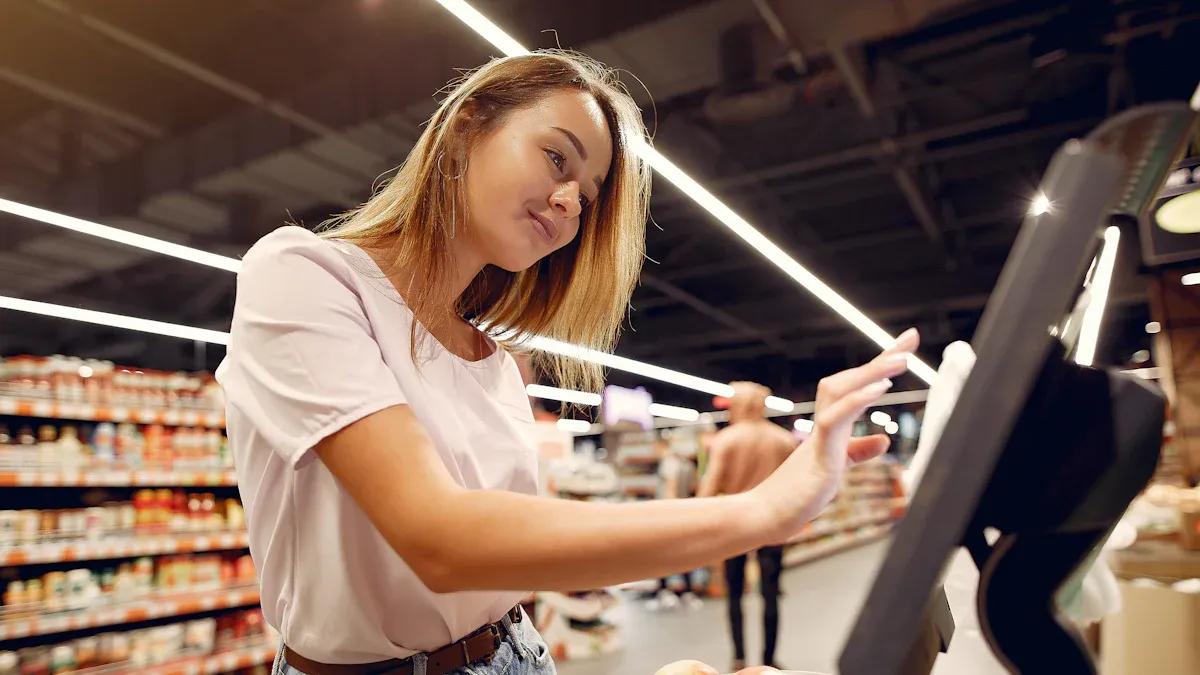
You step into a smart supermarket and notice how technology shapes every aspect of your shopping experience. Many shoppers now use features like smart shopping carts, QR code scanning, and retail apps to make grocery trips more efficient.
- 15% of shoppers have used a smart shopping cart.
- 40% have scanned a QR code on a product for more information.
- 33% of food samplers have tried one from a vending machine.
- 20% have used a retail app to checkout.
As you explore, you might see Electronic Shelf Labels connected to an ESL Gateway AP or spot an ESL Price Tag managed by Esl Retail. These innovations help you find products quickly and keep prices updated, creating a streamlined supermarket visit.
How Smart Supermarkets Are Transforming Grocery Shopping
Major Shifts in the Shopping Experience
When you enter a smart supermarket, you notice how technology changes the way you shop for groceries. The shopping experience feels faster and more personalized. You see innovations that make every step easier and more engaging.
- Just Walk Out technology lets you scan a QR code or your palm, pick up your groceries, and leave without waiting at a checkout counter. The system bills you automatically, saving you time.
- Smart carts help you skip the line. You scan items as you shop, and the cart tracks your purchases. You pay directly from the cart, making your supermarket visit efficient.
- QR code-based personalization gives you instant access to product details and tailored offers. You scan codes to learn more about items and receive deals based on your shopping habits.
- Smart packaging provides product traceability. You check where your groceries come from and get information about freshness and sourcing.
- Voice-based ordering allows you to use voice assistants to order groceries for pickup. You save time and avoid searching for items in the store.
These changes create a seamless shopping experience. You move through the supermarket with less hassle and more control over your grocery choices.
Direct Impacts on Shoppers
Smart supermarket features directly improve your satisfaction and engagement. You benefit from technology that makes grocery shopping easier and more enjoyable.
| Aspect | Impact on Shopper Satisfaction and Engagement |
|---|---|
| Personalized Experiences | Smart carts provide tailored shopping experiences, enhancing satisfaction. |
| Operational Efficiency | Streamlined processes reduce wait times, improving overall shopping experience. |
| Sustainability Concerns | Innovations help reduce food waste, appealing to environmentally conscious shoppers. |
| Targeted Promotions | Opportunities for personalized promotions foster customer loyalty. |
Smart carts use AI and computer vision to scan items. You manage your purchases from the cart and pay without standing in line. This integration saves you time and improves your overall shopping experience.
You also see benefits like tailored recommendations and efficient stock management. AI analyzes your shopping habits and suggests products that match your preferences. Smart shelves use RFID to track inventory in real time, reducing waste and keeping products available. Automated checkout systems cut wait times and increase accuracy. For example, Hema Stores reduced waiting time at cash points by 25% and raised client satisfaction by 30%. Target saw a 10% increase in online sales and a 15% increase in customer retention after introducing personalized shopping experiences. Billa reported a 15% increase in inventory accuracy and a 10% reduction in manual pricing costs.
Smart supermarkets transform your grocery shopping experience. You enjoy faster service, better product availability, and personalized offers. These innovations make your supermarket visits more convenient and satisfying.
What Is a Smart Supermarket?
Defining Smart Supermarkets and Smart Grocery Stores
When you walk into a smart supermarket, you enter a space where technology and convenience work together to improve your shopping journey. According to industry experts, a smart supermarket is a retail grocery store that integrates advanced technologies and innovative solutions to enhance your experience and connect the physical store with the digital world. You see the impact of IoT devices, mobile applications, and data analytics as they optimize store operations and boost customer satisfaction.
A smart grocery store uses personalization features to tailor promotions and recommendations to your preferences. You benefit from real-time updates, efficient navigation, and seamless checkout options. These stores use technology to bridge the gap between traditional shopping and the digital age, making your grocery trips faster and more enjoyable.
Differences from Traditional Grocery Stores
You notice clear differences between a smart supermarket and a traditional grocery store as soon as you start shopping. Smart supermarkets rely on core technologies that set them apart:
- Advanced inventory management software streamlines product tracking and reduces manual errors.
- Electronic Shelf Labels (ESLs) display and update product information digitally, keeping prices accurate.
- RFID technology automatically tracks product movement, improving inventory accuracy.
- IoT applications integrate smart devices, creating a more engaging experience for you.
Tip: You can often spot ESLs as digital price tags on shelves, which update instantly without paper tags.
The customer experience also changes in several key ways. The table below highlights the main differences you will encounter:
| Aspect | Smart Supermarkets | Traditional Grocery Stores |
|---|---|---|
| Store Navigation | Simplified layout for efficient navigation | Often complex and less intuitive layouts |
| Checkout Efficiency | Quick and effective checkouts | Longer wait times at checkout |
| Communication | Proactive channels keep you informed | Limited, often reactive communication |
| Customer Support | Comprehensive support for navigation and info | Basic, less personalized support |
Smart supermarkets provide real-time pricing updates with electronic shelf labels. You receive data insights on inventory performance and suggestions for product placement, which help you find what you need quickly.
Operational costs remain a concern for both types of stores. Grocery stores operate with slim profit margins, averaging only 1.6%. Expenses such as inventory, rent, utilities, and labor play a major role in daily operations. However, smart supermarkets use technology to reduce manual labor and improve efficiency, which can help manage these costs.
You experience a more streamlined, interactive, and efficient shopping trip in a smart supermarket. Technology supports every step, from finding products to checking out, making your grocery experience smoother than ever.
Technologies Behind Smart Supermarkets

Internet of Things (IoT) and Smart Inventory
Real-Time Stock Tracking
You see the impact of the Internet of Things every time you visit a smart supermarket. IoT devices, such as RFID tags and smart shelves, track inventory levels in real time. This technology allows you to find your favorite grocery items in stock more often. Sensors monitor product availability and alert staff when shelves need restocking. Temperature sensors in refrigeration units help maintain the freshness of perishable goods, reducing spoilage and waste. With these innovations, you benefit from a more reliable shopping experience and fewer out-of-stock frustrations.
| Evidence Description | Impact on Out-of-Stock Incidents |
|---|---|
| Real-time inventory management using sensors to monitor product levels | Enhances tracking and reduces stockouts |
| Smart shelves with sensors and RFID technology notify staff for restocking | Ensures shelves remain stocked, minimizing customer frustration |
| RFID-enabled systems streamline manual checks and expedite inventory management | Reduces stockouts and improves operational efficiency |
Automated Restocking
IoT systems do more than just track inventory. They automate restocking by sending alerts to staff when products run low. This process ensures that you always find essential grocery items on the shelves. Real-time data helps supermarkets make informed decisions about product orders, matching supply with demand. As a result, you enjoy a smoother shopping experience and greater product availability.
Artificial Intelligence and Automation
Predictive Analytics
Artificial intelligence powers many aspects of the smart supermarket. AI analyzes shopping patterns and predicts which grocery products will be in demand. This predictive analytics capability helps stores optimize inventory, reducing both overstocking and shortages. You benefit from better product selection and fewer empty shelves.
- AI enhances demand forecasting, improving accuracy and speed.
- Predictive analytics minimize overstocking and shortages.
- AI analyzes consumer data to create personalized recommendations.
Automated Decision-Making
AI-driven automation streamlines supermarket operations. Self-checkout systems allow you to pay quickly, reducing wait times. AI also optimizes supply chain logistics, ensuring that grocery items reach the shelves efficiently. Intelligent surveillance systems help prevent theft, creating a safer environment for you. The adoption of AI technology in supermarkets is projected to drive significant improvements, including enhanced inventory management and better customer experiences.
| Improvement Type | Description |
|---|---|
| Improved markdown of perishable goods | Analyzing inventory and proposing promotional campaigns, which are automatically generated. |
| Frontline workers guided by wearable devices | Using tools like AR glasses to enhance stocking efficiency and customer assistance. |
| Invoice vs. order matching and reconciliation | Automating invoice matching to reduce human intervention. |
| Digital in-store customer solutions | Innovations like smart carts and checkout-free stores to enhance the shopping experience. |
Mobile Apps and Digital Integration
Shopping Lists and Store Navigation
Smart shopping assistants, such as mobile applications and voice-activated devices, provide real-time assistance to customers, helping them navigate stores efficiently and make informed purchasing decisions. This technology not only simplifies the shopping process but also encourages customers to explore new products.
Mobile apps help you create shopping lists and guide you through the store. You find products faster and avoid unnecessary wandering. These apps also let you add grocery items to your cart with a single click, making your trip more efficient.
Personalized Offers and Notifications
Mobile apps deliver personalized recommendations and notifications based on your shopping habits. You receive tailored promotions and loyalty rewards, enhancing your overall experience. This digital transformation deepens your connection with the supermarket and encourages you to return for future grocery trips.
| Feature | Benefit |
|---|---|
| Seamless navigation | Helps customers find products easily and efficiently. |
| Personalized recommendations | Tailors shopping experiences based on customer preferences and purchase history. |
| Efficient shopping processes | Streamlines the checkout process, saving time for customers. |
| Integration of retail media ads | Enhances user experience while providing targeted deals and offers. |
| Customizable app design | Strengthens brand identity and customer loyalty. |
Smart Shelf Labels and Digital Signage
Dynamic Pricing
When you shop in a smart supermarket, you notice that prices on the shelves can change instantly. Smart shelf labels allow retailers to update prices in real time. This technology helps stores respond quickly to changes in market demand and inventory levels. You always see accurate pricing, which builds trust and reduces confusion.
- Smart shelf labels enable real-time price updates, so you never see outdated prices.
- Retailers can manage inventory better by adjusting prices based on stock levels.
- You benefit from accurate information, which improves your shopping experience.
- Retailers log into their POS system to change prices.
- Prices update instantly across the entire supermarket, without manual effort.
- This process saves time and reduces errors compared to traditional paper labels.
Digital signage and smart shelf labels also support dynamic pricing strategies. Stores can adjust prices based on supply and demand, which is important in a competitive grocery market. You see these changes reflected immediately, making your shopping trip more transparent and efficient.
Product Information Displays
Digital signage in a smart supermarket does more than show prices. These displays capture your attention and encourage you to try new products. You see real-time updates on product availability and promotions, which helps you make quick decisions.
- Eye-catching displays stimulate impulse purchases.
- You receive tailored messages based on your shopping habits.
- Digital wayfinding systems help you locate grocery items and navigate the store efficiently.
- Menu boards show daily specials and nutritional information, making it easier to choose what fits your needs.
Digital signage creates an immersive shopping experience. You stay informed about the latest grocery deals and product launches, which enhances your visit to the supermarket.
Self-Checkout and Contactless Payments
Scan-and-Go Systems
Self-checkout systems have become a core feature in the modern supermarket. You use scan-and-go systems to scan items as you shop. This process speeds up your trip and reduces time spent waiting in line. Self-checkout systems can increase transaction speed by up to 30%, which is especially helpful during busy hours.
- You scan each grocery item with your phone or a handheld device.
- The system tracks your purchases and totals your bill automatically.
- You avoid long lines at traditional checkout counters.
Mobile and Cardless Payments
Contactless payment options make your checkout process even faster. You can tap your NFC-enabled card or use mobile wallets like Apple Pay or Google Pay. These technologies use RFID or near field identification to ensure secure and convenient transactions.
- You complete your purchase without swiping a card or entering a PIN.
- Self-checkout systems support mobile and cardless payments, saving you time.
- The process is swift and secure, which improves your overall grocery shopping experience.
Smart Carts and Baskets
Automated Scanning
Smart carts in a smart supermarket use advanced cameras and scanners to identify grocery items automatically. You place products in your cart, and the system records each item instantly. Built-in weight sensors help with accurate pricing, reducing errors at checkout.
| Feature/Benefit | Description |
|---|---|
| Convenience | Smart carts reduce time spent in-store with item scanners and automated checkout. |
| Seamless Checkout Process | You scan and pay for items as you shop, avoiding long checkout lines. |
| Product identification and weighing | Cameras and sensors ensure accurate item tracking and pricing. |
In-Cart Recommendations
Smart carts also enhance your shopping journey by offering personalized suggestions. AI integration analyzes your previous purchases and recommends grocery items or discounts that match your preferences. You see coupons and deals for products you might like, which can increase your savings.
| Feature | Description |
|---|---|
| Real-time cost tracking | You see exactly how much you spend as you shop. |
| Coupons and product recommendations | The cart highlights current deals and suggests complementary products. |
| Store navigation | Built-in maps help you find grocery items quickly. |
Smart carts collect data on your shopping habits, which helps retailers improve inventory management and store layouts. You benefit from a more efficient and enjoyable supermarket experience.
Robotics in Smart Grocery Stores
Shelf-Scanning Robots
You encounter shelf-scanning robots as you walk through a modern supermarket. These robots use advanced sensors and cameras to monitor product placement, stock levels, and pricing accuracy. They move along aisles, scanning shelves for missing or misplaced items. This technology ensures you find the products you need, reducing the frustration of empty shelves.
| Robotic System | Functionality |
|---|---|
| ERIS | Detects SKU and item count, reports occupancy percentage, updates stock volume, sends low-stock alerts. |
| Tally | Monitors shelves for product placement, informs ordering and merchandising through data collection. |
| Inventory Robots | Improve accuracy, reduce stockouts, optimize supply chain management. |
| Badger | Provides 95% accuracy in reporting out-of-stock and incorrectly priced products. |
| Tally Spot | Uses computer vision to monitor products in specific areas more frequently. |
- ERIS reports occupancy percentage, helping staff manage inventory efficiently.
- Tally ensures products are stocked correctly, supporting both in-store and e-commerce fulfillment.
- Badger achieves 95% accuracy in automated scans, far surpassing manual checks.
Automated Cleaning and Restocking
Robots in the supermarket do more than scan shelves. Automated cleaning robots keep aisles spotless, working quietly during store hours. Restocking robots transport products from storage to shelves, reducing the need for manual labor. These systems operate continuously, which means you shop in a cleaner, more organized environment.
| Benefit | Description |
|---|---|
| Increased Operational Efficiency | Automation streamlines inventory and cleaning, allowing employees to focus on customer service. |
| Cost Savings | Robots reduce labor costs by working around the clock and optimizing staff allocation. |
| Improved Inventory Management | Automated systems minimize waste and ensure accurate stock levels, supporting cost control. |
AI-powered tools can save stores over 10% in labor costs by predicting demand and automating routine tasks. Service robots like Tally can improve operational efficiency by up to 50% through automated inventory tracking and restocking.
Augmented Reality (AR) and Virtual Reality (VR)
In-Store Navigation
You use your smartphone or a store-provided device to access AR navigation in the supermarket. AR overlays digital directions onto your real-world view, guiding you to grocery items quickly. Retailers such as Target and Harrod’s use beacon technology and AR markers to help you find products without confusion.
- AR apps display clear paths to products when you scan visual markers.
- ARway.ai enables indoor navigation without complex hardware, offering directional arrows and voice instructions.
- Engaging AR experiences along your route increase interaction and brand awareness.
This technology saves you time and encourages you to return for future shopping trips.
Virtual Product Demos
Mixed-reality navigation carts represent a new trend in smart supermarket design. These carts combine digital and physical elements, letting you interact with virtual objects as you shop. Features include 3D product models, personalized shopping lists, and interactive promotions. You gain a deeper understanding of grocery products and enjoy a more engaging experience.
Click-and-Collect and Delivery Integration
Online Ordering
You place your grocery order online and choose a convenient pickup or delivery time. The supermarket prepares your order, ensuring accuracy and freshness. This process saves you time and fits your busy schedule.
| Aspect | Findings |
|---|---|
| Convenience | Self-collection options appeal to you due to convenience and privacy. |
| Reliability | Reliable service increases your satisfaction and trust in the supermarket. |
| Facilitating Conditions | Clear instructions and timely assistance make self-collection easy and satisfying. |
- Retailers focus on making click-and-collect services fast and simple.
- A positive first experience often leads you to use the service again.
- High satisfaction encourages you to recommend the service to others.
Curbside Pickup
You drive to the supermarket and park in a designated area. Staff bring your grocery order directly to your car, minimizing contact and wait time. Automating parcel handover speeds up the process, meeting your expectations for quick and flexible service. This approach reduces missed deliveries and increases your satisfaction with the supermarket.
Features Enhancing the Smart Grocery Store Experience
Personalization and Customization
Tailored Promotions
You notice that smart supermarkets use advanced analytics to deliver tailored promotions. These stores analyze your purchase history, preferences, and shopping behavior to create offers that match your needs. You receive discounts and deals on products you buy frequently, making each visit more rewarding. Instacart’s Smart Shop, for example, uses machine learning to understand your habits and dietary preferences. The system recognizes patterns in your previous purchases and provides real-time prompts, ensuring that personalized recommendations align with your lifestyle.
Smart supermarkets utilize customer data and analytics to improve the shopping experience by providing personalized recommendations, displaying targeted promotions, and offering discounts tailored to individual purchase histories, preferences, and behaviors.
Dietary and Allergen Filters
You benefit from health tags and dynamic search filters powered by artificial intelligence. These features allow you to filter products based on dietary needs or allergens. You can quickly find gluten-free, vegan, or nut-free options, making your shopping experience safer and more convenient. The system tags products by dietary characteristics, so you spend less time searching and more time enjoying your visit.
| Personalization Feature | Description |
|---|---|
| Product Recommendations | Displays personalized product suggestions based on your affinities and purchase history. |
| Quick Reorder Functionality | Shows recently purchased items and recommends products based on your shopping behavior. |
| Shoppable Recipes | Offers recipes with relevant products, simplifying meal prep. |
| Personalized Emails | Sends tailored emails with promotions and recommendations based on your past purchases. |
| Health Tags and Dynamic Search Filters | Uses AI to tag products by dietary characteristics, allowing you to filter by preference. |
You also see inspiration pages and item carousels that showcase products and meal ideas, helping you discover new favorites.
Convenience and Speed
Reduced Wait Times
You experience shorter wait times at checkout thanks to self-checkout kiosks, scan-and-go systems, and contactless payment options. These technologies streamline the process, allowing you to complete your purchase quickly. You avoid long lines and spend less time in the store, which increases your overall satisfaction.
Streamlined Store Layouts
Smart supermarkets design store layouts to maximize convenience. You navigate aisles more efficiently because digital signage and mobile apps guide you directly to the products you need. The layout reduces unnecessary walking and helps you find items faster, making your shopping experience smoother and more enjoyable.
Sustainability Initiatives
Energy-Efficient Systems
You see supermarkets adopting energy-efficient systems as part of their sustainability initiatives. LED lighting, smart refrigeration, and automated climate controls reduce energy consumption. These improvements lower operational costs and support environmental goals.
Waste Reduction Technologies
You also notice waste reduction technologies in action. Smart inventory management systems track product freshness and alert staff to items nearing expiration. This approach minimizes food waste and ensures that you always find fresh products on the shelves. By supporting sustainability, smart supermarkets create a positive impact on both your experience and the environment.
- Learning your preferences automatically through machine learning.
- Real-time prompts for better accuracy in product recommendations.
- Customizable shopping experience with manual preference settings.
- Tailored item carousels based on your preferences.
- Inspiration pages showcasing products and meal ideas.
Enhanced Security and Privacy
Smart supermarkets prioritize your safety and privacy throughout your shopping journey. You encounter advanced security features that protect your transactions and personal information. These innovations ensure you shop with confidence, knowing your data remains secure.
Secure Payment Systems
You benefit from secure payment systems every time you check out at a smart supermarket. Retailers use encrypted payment gateways and tokenization to safeguard your financial details. You can choose from multiple contactless payment options, such as mobile wallets and NFC-enabled cards. These systems reduce the risk of fraud and unauthorized access.
- You tap your phone or card to pay, avoiding physical contact with payment terminals.
- The store’s system encrypts your transaction, making it difficult for hackers to intercept your data.
- You receive instant confirmation of your payment, which adds another layer of security.
Tip: Always use official supermarket apps or trusted payment platforms to maximize your protection during checkout.
You see that smart supermarkets also monitor payment terminals for suspicious activity. Automated alerts notify staff if a terminal shows signs of tampering. This proactive approach keeps your transactions safe and maintains trust between you and the retailer.
Data Protection Measures
You share personal information when you use loyalty programs, mobile apps, or online ordering services. Smart supermarkets implement strict data protection measures to keep your information private. You control your privacy settings and decide how much data you want to share.
| Data Protection Feature | How It Protects You |
|---|---|
| End-to-end encryption | Secures your data from the moment you enter it until it reaches the retailer’s system. |
| Multi-factor authentication | Requires you to verify your identity, reducing the risk of unauthorized access. |
| Regular security audits | Ensures the supermarket’s systems remain up-to-date and resistant to cyber threats. |
You receive notifications about privacy policy updates and data usage. Retailers explain how they use your information to personalize your shopping experience and improve sustainability efforts. You can opt out of data sharing or adjust your preferences at any time.
Note: Smart supermarkets balance convenience and privacy by giving you control over your data while using technology to support sustainability and operational efficiency.
You shop with peace of mind, knowing your personal and payment information stays protected. Enhanced security and privacy features make smart supermarkets a reliable choice for your grocery needs.
Benefits of Smart Supermarkets for Shoppers
Time Savings
You save valuable time every time you visit a smart supermarket. Automated checkout systems, such as scan-and-go or contactless payment options, let you complete your purchase quickly. You no longer need to wait in long lines. Smart carts and mobile apps guide you directly to the grocery items you need. You avoid unnecessary wandering and finish your shopping faster. Many stores use digital signage and real-time inventory tracking to help you locate products instantly. These features streamline your shopping experience and give you more time for other activities.
Tip: Use the store’s mobile app to create a digital shopping list before your visit. This step helps you move through the aisles efficiently.
Improved Product Availability
You notice that shelves in a smart grocery store stay stocked more consistently. IoT sensors and automated inventory systems monitor product levels in real time. Staff receive alerts when items run low, so you find your favorite grocery products available more often. Smart shelf labels update instantly, showing you accurate pricing and availability. This technology reduces the frustration of out-of-stock items and ensures you get what you need. You benefit from a smoother experience and fewer wasted trips.
Here’s a quick overview of how technology improves product availability:
| Feature | Shopper Benefit |
|---|---|
| Real-time stock tracking | Fewer out-of-stock frustrations |
| Automated restocking | Consistent product availability |
| Smart shelf labels | Accurate pricing and information |
Personalized Shopping Journeys
You enjoy a tailored shopping experience every time you visit a smart supermarket. Personalization features analyze your purchase history and preferences. You receive recommendations for grocery products that match your needs. The system highlights deals and promotions relevant to your interests. You can filter products by dietary needs or allergens, making your trip safer and more convenient. Personalization also helps you discover new items that fit your lifestyle. This approach transforms your routine into a more engaging and rewarding experience.
Note: Personalization in a smart grocery store goes beyond simple suggestions. It creates a unique journey for you, making each visit feel special.
Greater Accessibility and Inclusivity
You experience a more accessible and inclusive environment when you shop at a smart grocery store. Technology removes many barriers that once made shopping difficult for people with disabilities or special needs. Voice-activated kiosks and mobile apps help you navigate the store with ease. You can use these tools to locate grocery items, check prices, or request assistance without needing to search for staff.
Smart grocery stores often feature wide aisles and adjustable shelves. These design choices make it easier for you to move through the store, especially if you use a wheelchair or mobility aid. Digital signage provides clear directions and product information in multiple languages. This approach supports shoppers from diverse backgrounds and ensures everyone can find what they need.
You also benefit from features like high-contrast screens and audio prompts. These tools assist you if you have visual or hearing impairments. Some stores offer shopping carts with built-in navigation aids or magnifiers, making it easier to read labels and find products. By focusing on accessibility, smart grocery stores create a welcoming space for all customers.
Tip: Look for stores that offer mobile apps with accessibility settings. These apps can enhance your shopping experience and provide extra support when you need it.
Safer, Contactless Experiences
You expect safety and hygiene when you visit a modern grocery store. Smart technology delivers on this promise by enabling contactless experiences throughout your shopping journey. Self-checkout stations and scan-and-go systems let you handle your purchases without touching shared surfaces. You scan items with your phone or a dedicated device, then pay using contactless methods. This process reduces your exposure to germs and speeds up your trip.
Many stores use automated doors and touchless dispensers for hand sanitizer. These features help you maintain good hygiene from the moment you enter. Some smart grocery stores also use sensors to monitor crowd levels. You receive real-time updates about busy areas, so you can plan your route and avoid congestion.
The table below highlights key contactless features and their benefits:
| Contactless Feature | Shopper Benefit |
|---|---|
| Self-checkout kiosks | Faster, safer transactions |
| Mobile payment options | Reduced physical contact |
| Automated entry systems | Touch-free store access |
| Real-time crowd monitoring | Improved social distancing |
You gain peace of mind knowing that smart technology supports your health and safety. The combination of convenience and advanced hygiene measures makes your grocery shopping experience both efficient and secure.
Benefits of Smart Grocery Stores for Retailers
Operational Efficiency
You gain a significant advantage when you implement smart technology in your store. Automated systems handle repetitive tasks, such as restocking shelves and updating prices. This automation frees up your staff to focus on customer service and store presentation. You see fewer errors in daily operations because machines follow precise instructions. Smart checkout solutions reduce bottlenecks at the front end, allowing you to serve more customers in less time. You also benefit from real-time monitoring tools that track store performance and highlight areas for improvement. These innovations help you boost efficiency and maintain a competitive edge in the supermarket industry.
Tip: Use automated scheduling tools to optimize staff shifts and reduce unnecessary labor costs.
Better Inventory Management
You improve your inventory management with smart grocery store solutions. Sensors and RFID tags provide instant updates on stock levels. You receive alerts when products run low or approach expiration. This information helps you avoid overstocking and understocking, which can lead to waste or missed sales. You can analyze data from your inventory system to identify trends and adjust your ordering process. Smart shelves and digital labels ensure that your product information stays accurate and up to date. You spend less time on manual checks and more time making strategic decisions for your business.
| Inventory Management Feature | Benefit to Retailers |
|---|---|
| Real-time stock tracking | Reduces out-of-stock situations |
| Automated restocking alerts | Minimizes manual intervention |
| Expiry monitoring | Lowers product waste |
| Data-driven insights | Improves forecasting and planning |
Increased Customer Loyalty
You build stronger relationships with your customers by using smart technology. Personalized promotions and loyalty programs encourage shoppers to return to your store. You can use data from purchase histories to tailor offers and recommend products that match customer preferences. This approach makes each visit feel unique and valued. You also create a smoother shopping experience with faster checkouts and better product availability. When customers trust your store to meet their needs efficiently, they are more likely to choose you over competitors. Consistent service and relevant rewards help you turn occasional shoppers into loyal fans.
Note: Investing in customer loyalty programs can increase repeat visits and boost your long-term revenue.
Data-Driven Insights
You gain a powerful advantage when you use data-driven insights in your smart grocery store. Data helps you understand shopper behavior, track inventory trends, and optimize store operations. You collect information from sensors, mobile apps, and checkout systems. This information allows you to make informed decisions that improve efficiency and boost sales.
You can analyze data to identify which products sell quickly and which ones need better placement. You see patterns in customer preferences and adjust your promotions to match their interests. Data also helps you predict demand, so you stock shelves with the right amount of inventory. You avoid overstocking and reduce waste.
Tip: Use dashboards to visualize your store’s performance. You spot issues early and respond before they affect your business.
You can share insights with your team to improve daily operations. For example, you track peak shopping hours and schedule staff when you need them most. You monitor equipment performance and address maintenance needs before problems arise. Data-driven strategies help you create a seamless shopping experience for your customers.
| Data Source | Benefit to Retailers |
|---|---|
| Inventory sensors | Real-time stock updates |
| Mobile app analytics | Shopper behavior insights |
| Checkout systems | Sales trend analysis |
You use data to measure the impact of new technologies and store layouts. You test changes and see results quickly. This approach supports continuous improvement and keeps your grocery store competitive.
Cost Savings
You achieve significant cost savings when you implement smart supermarket technologies. Automated systems reduce labor expenses by handling repetitive tasks like restocking and cleaning. You spend less on manual inventory checks because sensors provide real-time updates. You also lower energy costs by using smart lighting and climate controls.
You improve efficiency by streamlining checkout processes. Self-checkout kiosks and scan-and-go systems allow you to serve more customers with fewer staff. You reduce errors in pricing and inventory management, which saves money over time.
Note: Investing in technology may require upfront costs, but you see long-term savings through increased efficiency and reduced waste.
You can track expenses and identify areas for improvement using digital tools. You compare spending across departments and adjust budgets to maximize profitability. You also benefit from reduced food waste, as smart inventory systems alert you to products nearing expiration.
| Cost-Saving Feature | How It Helps You Save Money |
|---|---|
| Automated restocking | Lowers labor costs |
| Smart energy systems | Reduces utility expenses |
| Digital inventory tools | Minimizes product waste |
You create a more sustainable and profitable grocery business by focusing on efficiency and smart resource management.
Real-World Examples of Smart Supermarkets
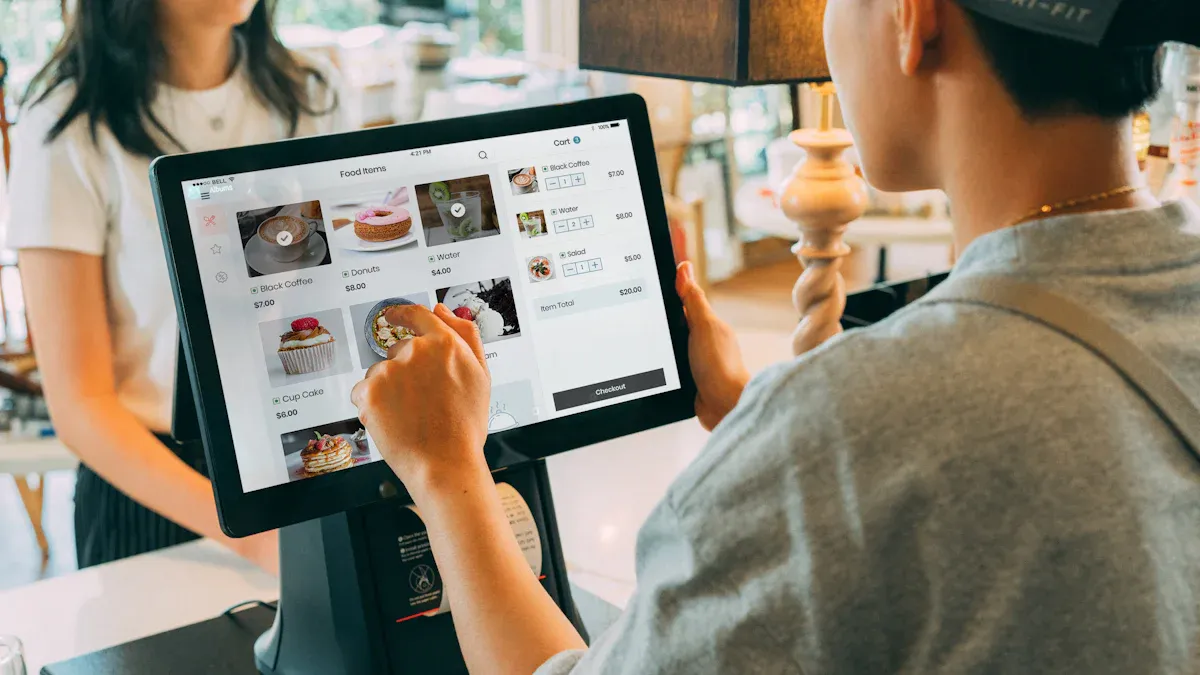
Leading Brands and Innovations
You see several global brands leading the way in smart supermarket technology. Amazon Fresh and Amazon Go have set new standards with their cashierless stores. When you enter an Amazon Go location, you scan your app, pick up items, and walk out without stopping at a register. The store uses sensors and computer vision to track your purchases and charge your account automatically.
Walmart has also invested in smart technology. You find their stores using shelf-scanning robots to monitor inventory and digital shelf labels to update prices instantly. Walmart’s mobile app helps you create shopping lists and navigate the store efficiently.
Carrefour, a major European retailer, has introduced smart trolleys and self-checkout kiosks. These features help you shop faster and receive personalized promotions. Tesco in the UK uses electronic shelf labels and AI-driven inventory systems to keep products available and prices accurate.
Note: Many leading brands focus on seamless integration between online and in-store experiences. You can order online, pick up at the store, or use curbside pickup for added convenience.
Case Studies and Success Stories
You can look at specific examples to understand how smart supermarkets work in practice. In China, Hema (Freshippo) by Alibaba combines digital and physical shopping. You use the Hema app to scan products, access detailed information, and pay with your phone. The store offers fast delivery and click-and-collect services, making your grocery experience flexible and efficient.
In the United States, Kroger has rolled out smart shelves and digital signage in many locations. These tools help you find products quickly and see real-time promotions. Kroger’s partnership with Ocado, a robotics company, has improved order fulfillment and delivery speed.
Ahold Delhaize, operating stores like Stop & Shop and Giant, uses robotic assistants to monitor spills and restock shelves. These robots help maintain a clean and organized environment for you. The company also uses AI to personalize offers and manage inventory.
| Brand | Key Innovation | Shopper Benefit |
|---|---|---|
| Amazon Go | Cashierless checkout | Faster, frictionless shopping |
| Walmart | Shelf-scanning robots | Better product availability |
| Hema (Freshippo) | App-based shopping | Flexible, tech-driven service |
| Kroger | Digital shelf labels | Real-time deals and info |
| Ahold Delhaize | Robotic assistants | Cleaner, safer environment |
These real-world examples show you how smart supermarkets use technology to improve your grocery shopping journey. You benefit from faster service, better product selection, and a more engaging experience.
The Future of Smart Supermarkets
Emerging Technologies to Watch
You will see new technologies continue to shape the smart supermarket landscape. Artificial intelligence will become more advanced, helping you receive even more accurate product recommendations. Edge computing will process information closer to where you shop, making your experience faster and more responsive. Blockchain will help you trace the journey of your grocery items, giving you confidence in product origins and quality.
Robotics will expand beyond shelf-scanning and cleaning. You may interact with robots that assist you in finding products or answer your questions in real time. Augmented reality will offer immersive product demos and help you visualize recipes as you shop. These innovations will support both sustainability and efficiency, helping stores reduce waste and energy use.
Tip: Stay updated on new store features by checking supermarket apps or newsletters. You can often try new technology before it becomes mainstream.
Evolving Consumer Expectations
Your expectations as a shopper will continue to evolve. You want a seamless blend of online and in-store experiences. You expect personalized offers, quick service, and flexible delivery or pickup options. You also care about sustainability. You look for stores that use eco-friendly packaging and energy-saving systems.
You value transparency. You want to know where your food comes from and how stores use your data. You expect retailers to protect your privacy while delivering a tailored experience. As technology advances, you will demand more control over your shopping journey and the information you share.
| Expectation | What You Look For |
|---|---|
| Personalization | Offers and suggestions just for you |
| Convenience | Fast checkout and easy navigation |
| Sustainability | Eco-friendly practices and products |
| Transparency | Clear info on sourcing and data use |
Challenges and Opportunities Ahead
You will notice both challenges and opportunities as smart supermarkets grow. Stores must balance innovation with privacy concerns. They need to secure your data and build trust. Adopting new technology can be costly, and not every retailer will have the resources to upgrade quickly.
However, you will benefit from opportunities that come with these changes. Improved efficiency will make your shopping trips faster and more enjoyable. Advances in sustainability will help reduce the environmental impact of grocery retail. As stores collect more data, they can better predict demand and reduce waste. You will see a future where technology, sustainability, and customer experience work together to create a smarter way to shop.
You now see how smart supermarkets transform your grocery shopping. These stores deliver unmatched convenience for both you and retailers. You enjoy a seamless experience that adapts to your needs. As technology advances, you will notice even greater convenience and sustainability in every visit. Ongoing innovation ensures that your future grocery trips become more efficient and enjoyable.
FAQ
What is a smart supermarket?
A smart supermarket uses advanced technology to improve your shopping experience. You see features like automated checkout, digital shelf labels, and personalized offers. These innovations help you shop faster and more efficiently.
How do smart supermarkets protect my personal data?
Smart supermarkets use encryption, secure payment systems, and regular security audits. You control your privacy settings and decide how much data you share.
Tip: Always use official apps for added security.
Can I use my smartphone for shopping in a smart supermarket?
Yes, you can use your smartphone for shopping lists, store navigation, and contactless payments. Many stores offer dedicated apps that help you find products, receive offers, and check out quickly.
Are smart supermarkets accessible for people with disabilities?
You benefit from wide aisles, digital signage, and voice-activated kiosks. Many stores offer mobile apps with accessibility features. These improvements help you navigate the store and find products easily.
What happens if I need help in a smart supermarket?
You can use in-store kiosks, mobile apps, or ask staff for assistance. Many stores provide digital help points and real-time support to answer your questions or guide you through the shopping process.
Do smart supermarkets help reduce food waste?
Yes, smart supermarkets use real-time inventory tracking and automated alerts for expiring products. These systems help staff restock efficiently and reduce food waste, ensuring you find fresher products on the shelves.