Electronic Shelf Labels transform the way you experience price updates in Esl Retail environments. When you request a price change, the ESL Gateway AP transmits new pricing directly to each ESL Price Tag. You see the latest price instantly, without waiting for manual updates.
- You benefit from instant price changes, allowing hundreds of updates in minutes.
- Manual relabeling disappears, reducing employee workload.
- Thousands of prices can update in seconds, saving stores substantial time during frequent promotions.
Electronic Shelf Labels: Core Components

Central Management Software
You interact with the central management software whenever you update prices or product details. This software acts as the brain of your store’s pricing system. It stores all product information, manages pricing rules, and schedules updates. You can access the dashboard from any authorized device, making it easy to control thousands of shelf labels at once. The software ensures that every change you make reaches the right shelf label quickly. You gain full visibility into pricing, inventory, and promotions, which helps you maintain accuracy across your store.
Communication Gateway
The communication gateway connects your central management software to the Electronic Shelf Labels on the sales floor. You rely on this gateway to transmit data reliably and efficiently. When you update product information, the gateway receives commands from the server through a network cable. It then wirelessly sends refresh instructions to each ESL tag, ensuring that every label displays the correct price. The gateway acts as a bridge, relaying updates from the cloud platform to the ESLs. You benefit from timely and accurate price changes, which keep your store competitive and compliant.
Tip: A robust communication gateway reduces the risk of transmission errors and ensures that your labels always show the latest information.
ESL Tags
ESL tags display the prices and product details directly on your shelves. You attach these tags to each product location, allowing shoppers to see up-to-date information instantly. Most ESL tags use advanced battery technology, which supports long-term operation. Under normal conditions, you can expect batteries to last between 3 to 10 years. Advanced models, such as Newton ESL, may offer up to 10 years of battery life. Battery lifespan depends on how often you update prices, the store environment, and the complexity of the display. You minimize maintenance and replacement costs by choosing reliable ESL tags.
- ESL tag battery lifespan:
- Typical range: 3–10 years
- Average: 5 years
- Advanced models: up to 10 years
- Influencing factors: update frequency, environment, display complexity, label technology
Electronic Shelf Labels: Display Technologies
E-Paper Displays
You rely on e-paper displays for their exceptional energy efficiency and readability. E-paper technology uses minimal power, drawing energy only when you update the content. This feature allows batteries to last between five and ten years, which helps you reduce electronic waste and maintenance costs. You benefit from clear visibility, even in direct sunlight, because e-paper screens do not produce glare or reflections. The wide viewing angle ensures that you and your customers can read prices from different positions without distortion.
Note: E-paper displays maintain crisp text and high contrast, similar to traditional paper. You can update content remotely, which streamlines your store’s operations.
Here is a comparison of e-paper display characteristics:
| Characteristic | Description |
|---|---|
| High Readability | Offers excellent readability similar to traditional paper, with crisp text and high contrast. |
| Sunlight Visibility | Remains readable in bright sunlight without glare or reflection. |
| Wide Viewing Angle | Allows clear viewing from various perspectives without distortion or color shift. |
You achieve long-term energy savings with e-paper displays. This technology supports your sustainability goals and reduces operational costs.
LCD Displays
You choose LCD displays when you need vibrant colors and dynamic promotional graphics. LCD screens use backlighting, which provides high visibility in indoor environments. However, this backlighting consumes more energy, so you must replace batteries more frequently or use wired power sources. LCD displays suit high-visibility promotional areas, where you want to attract attention with animated content.
Consider the following comparison of energy consumption:
| Technology | Energy Consumption Characteristics |
|---|---|
| E-Paper Displays | Minimal power usage; consumes energy only during updates. |
| Batteries last 5 to 10 years, reducing electronic waste. | |
| Ideal for long-term energy savings for retailers. | |
| LCD Displays | Always-on backlighting drains energy faster. |
| Requires frequent battery replacements or wired power. | |
| More suited for high-visibility promotional displays. |
You gain instant remote updates and dynamic pricing capabilities with LCD displays. You also reduce manual labor and eliminate pricing mismatches. However, you must plan for higher upfront costs and ongoing maintenance, including battery replacements and staff training.
Electronic Shelf Labels: Wireless Technologies
Radio Frequency (RF)
You often find radio frequency (RF) technology at the core of large-scale Electronic Shelf Labels systems. RF enables you to update thousands of shelf labels at once, making it the most common choice for big retail stores. This technology supports mass updates, so you can change prices across your entire store in seconds. RF systems use secure communication protocols. Hardware-accelerated encryption, secure boot, and ARM TrustZone features protect your data from tampering. You gain peace of mind knowing your pricing information stays safe.
Tip: RF networks can handle up to 1,500 ESL tags in a single test environment, ensuring reliable performance even during busy promotions.
Here is a quick comparison of RF features:
| Feature | Benefit for You |
|---|---|
| Mass Updates | Change thousands of prices instantly |
| Security | Advanced encryption and secure boot |
| Scalability | Supports large networks without lag |
Bluetooth
You see Bluetooth technology gaining popularity in modern ESL systems. Bluetooth, especially with the new 5.4 standard, improves how you synchronize updates across many shelf labels. This technology enhances interoperability, so you can use different brands of ESL tags together. Bluetooth Low Energy (LE) also reduces power consumption, which helps your batteries last longer. The new PAwR feature in Bluetooth 5.4 allows you to update many tags at once, keeping your store’s pricing accurate and current.
- Bluetooth is becoming standardized for ESLs, making it easier for you to expand or upgrade your system.
- You benefit from efficient, synchronized updates and lower maintenance costs.
WiFi
You may choose WiFi for ESL communication if you want to integrate shelf labels with your existing store network. WiFi offers high data rates and broad coverage, which suits stores with strong wireless infrastructure. However, WiFi consumes more power than RF or Bluetooth. You might need to replace batteries more often or use wired power for your shelf labels. WiFi works best in environments where you already rely on wireless devices for daily operations.
Note: WiFi-based ESLs provide flexibility but require careful planning to avoid network congestion.
NFC
Near Field Communication (NFC) gives you a powerful tool for managing electronic shelf labels in your store. You use NFC to update prices, pair ESL tags, and verify product information with a simple tap of your mobile device. NFC operates at close range, usually within a few centimeters. This short distance ensures that only authorized personnel can interact with the shelf labels, which helps you maintain control over pricing and product data.
You benefit from NFC’s fast and intuitive operation. When you need to change a price or update product details, you simply hold your NFC-enabled device near the ESL tag. The system instantly transmits the new information. You do not need to rely on complex network setups or wait for batch updates. NFC streamlines your workflow and reduces the risk of errors during manual price changes.
Security remains a top priority when you use NFC in your store. The technology includes several advanced features that protect your data and prevent unauthorized access. You can review the main security features in the table below:
| Security Feature | Description |
|---|---|
| Unique Encryption Key | Each ESL has a unique key to secure data during transmission, preventing unauthorized access. |
| Bidirectional Authentication | NFC interactions use a two-way authentication process for secure data transmission. |
| Dual Wireless Transmission Security | Bluetooth 5.1 supports encrypted communication, enhancing overall security against data leaks. |
Tip: You should always verify that your ESL system uses the latest encryption standards. This practice helps you safeguard sensitive pricing information and maintain compliance with industry regulations.
You gain flexibility with NFC because you can integrate it with other wireless technologies, such as Bluetooth or RF. This combination allows you to manage shelf labels efficiently, even in busy retail environments. You improve operational speed, reduce mistakes, and keep your store’s pricing accurate and secure. NFC empowers you to deliver a seamless shopping experience for your customers.
Electronic Shelf Labels: Step-by-Step Update Process
Data Input and Price Change
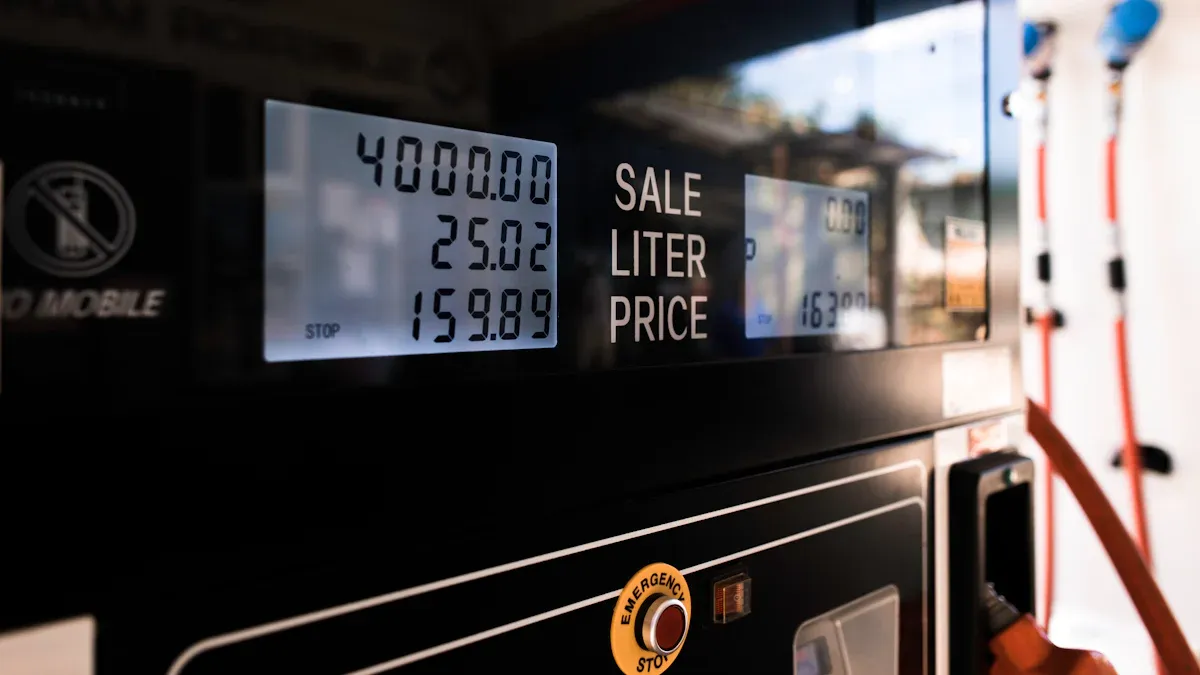
You begin the price update process by entering new pricing data into your store’s central management software. This system acts as your command center, allowing you to adjust prices for individual products or entire categories. You can schedule updates for specific times or make changes instantly, depending on your store’s needs.
Retailers like you ensure data accuracy by integrating Electronic Shelf Labels with inventory systems. This integration automates price changes and reduces manual errors. Real-time updates let you respond quickly to competitor pricing and stock levels. Automation also supports dynamic pricing strategies, which help you stay competitive.
“A price change that used to take an associate two days to update now takes only minutes with the new DSL system,” — Daniela Boscan, Walmart Food & Consumable Team Lead.
You can see the dramatic improvement in efficiency in the table below:
| Description | Time Required |
|---|---|
| Previous Method | 2 days |
| New DSL System | Minutes |
You no longer need to rely on manual relabeling. The system ensures that every price change is accurate and timely.
Synchronization with Central System
After you input the new price, the central management system synchronizes the data across your entire store. This step guarantees that every ESL tag receives the correct information. The system uses real-time updates to push changes instantly, so you never have to worry about outdated prices on your shelves.
- Real-time updates allow instant price changes across all store locations.
- Wireless communication protocols like Wi-Fi and Bluetooth are utilized for synchronization.
- A central management system controls ESL tags and sends updates wirelessly.
- Integration with POS and inventory systems enables automatic price adjustments.
You benefit from seamless integration with your point-of-sale and inventory systems. This setup ensures that your pricing remains consistent and accurate throughout your store. You can trust the system to handle large-scale updates without delays or errors.
Wireless Transmission to ESL Tags
Once the central system processes the new pricing data, it transmits the information wirelessly to each ESL tag on your shelves. The reliability of this wireless transmission is critical for maintaining accurate pricing and smooth store operations.
You should consider several factors when evaluating wireless transmission reliability:
- Store Size: Larger stores require robust wireless technology to maintain seamless communication across greater distances.
- Network Infrastructure: Assess your current setup to ensure compatibility and easy integration.
- Interference Sources: Busy areas with many electronic devices can cause interference. Choose a system designed to counteract this.
- Update Frequency: Frequent price updates demand a system optimized for high activity, though this may affect battery life.
- The radio frequency communication technology is forecasted to contribute 67.0% of the electronic shelf label market in 2025.
- Retailers are increasingly focused on communication reliability, preferring radio frequency technology for its ability to maintain consistent connectivity across large retail spaces.
- Radio frequency technology provides the range and reliability necessary for comprehensive store coverage, reassuring retailers about system performance and data transmission accuracy.
You gain confidence knowing that your system can handle thousands of updates quickly and reliably. This process ensures that your customers always see the correct price, no matter how often you change it.
Display Refresh on Shelf Labels
When you update prices through your central management software, the change does not stop at wireless transmission. The final step happens right on the shelf, where the ESL tag refreshes its display to show the new price or product information. This process ensures that your customers always see the most accurate data.
Most modern Electronic Shelf Label systems refresh their displays within seconds. You benefit from this rapid update speed in several ways:
- You can adjust hundreds or even thousands of prices almost instantly.
- You reduce the risk of price mismatches between the shelf and the checkout.
- You improve inventory management by keeping product information current.
Tip: Fast display refresh rates help you respond quickly to market changes, competitor pricing, and promotional events.
The refresh process depends on the display technology used in your ESL tags. E-paper displays update content with minimal power, so you see crisp, clear text without draining the battery. LCD displays refresh quickly as well, especially when you need to show dynamic graphics or promotional messages.
You should know that the update speed directly affects your store’s efficiency. When you can refresh displays in seconds, you save time during price changes and reduce manual labor. This efficiency allows you to focus on customer service and store operations.
Here is a quick overview of what you can expect from display refresh rates in modern ESL systems:
| Feature | Benefit to You |
|---|---|
| Refresh in Seconds | Enables instant price and info updates |
| Consistent Accuracy | Reduces pricing errors and mismatches |
| Improved Efficiency | Streamlines store operations and promotions |
You gain a competitive edge by ensuring that every shelf label reflects the latest information. Your customers trust your pricing, and your staff spends less time on manual updates. Display refresh speed stands as a key factor in the success of your electronic shelf label system.
Electronic Shelf Labels: Installation and Setup
Placing ESL Tags on Shelves
You start by preparing your shelves for ESL installation. Rails provide a stable and durable mounting solution. Secure the rails to the shelf edge using appropriate fasteners. Clip ESL labels onto the rails at designed grooves. This method keeps your labels aligned and prevents accidental dislodging.
To maximize visibility, place ESL tags at eye level for new or high-margin products. Position labels in high-traffic areas, such as endcaps, to boost sales. Ensure all relevant information, including pricing and product descriptions, is clearly visible. Use colored label holders to highlight special promotions and draw attention to featured merchandise.
Tip: Select high-contrast display options and adjust type size based on viewing distance and shelf height. This approach ensures readability under various lighting conditions.
| Step | Description |
|---|---|
| Custom configuration | Tailor the setup to your store’s environment |
| Seamless integration | Match ESLs with existing fixtures and systems |
| Technology testing | Confirm every label functions as expected |
| On-site training | Align your team with the new system |
| Final approval | Review installation before launch |
Connecting Gateways and Software
You connect the communication gateway to your central management software. Compatibility with existing network devices is essential. Many retailers operate with legacy POS or inventory systems that lack modern APIs. You must ensure robust network infrastructure to support wireless communication between the central system and thousands of ESL tags.
Follow these steps for a smooth connection:
- Assess legacy system compatibility.
- Synchronize data across ESL, POS, and online channels.
- Strengthen your network infrastructure for reliable wireless updates.
Note: Data synchronization guarantees that price changes appear simultaneously on shelf labels, checkout systems, and online platforms.
Testing Instant Price Changes
You test the system to confirm instant price updates. Begin by entering sample price changes in the central management software. Observe how quickly the ESL tags refresh on the shelves. Technology testing ensures every label functions as expected. On-site training helps your team understand the update process and troubleshoot any issues.
Use clear signage and bold, easy-to-read price tags to attract shoppers. Strategic use of color highlights sales and special promotions. Testing verifies that your ESL system delivers accurate, timely information to every customer.
Tip: Final approval after testing ensures nothing is left unchecked before you launch your ESL solution.
Electronic Shelf Labels: Benefits for Stores and Shoppers
Faster Price Changes
You experience a dramatic improvement in price update speed with Electronic Shelf Labels. When you need to change prices, you can do so in seconds. Traditional paper labels require manual effort and often take days to update.
“Before, this operation took us four to five days.”
Now, you complete the same task almost instantly. This efficiency boosts retail operations and allows you to respond quickly to market changes or promotions.
Key advantages of faster price changes:
- You save time during sales events and seasonal promotions.
- You reduce labor costs by minimizing manual updates.
- You eliminate paper waste, supporting sustainability goals.
Fewer Mistakes
You notice a significant reduction in pricing errors after switching to Electronic Shelf Labels. A study found that businesses using ESLs experienced a 90% drop in pricing mistakes. Real-time updates ensure shelf prices match checkout prices, which builds trust with your customers.
| Benefit | Description |
|---|---|
| Enhanced Price Accuracy | ESLs ensure real-time updates, eliminating human error and preventing price mismatches. |
| Improved Operational Efficiency | Reduces labor and material costs by minimizing the need for manual price updates. |
| Increased Employee Productivity | Employees can focus on higher-value tasks instead of manual price adjustments. |
You gain peace of mind knowing your pricing remains accurate and consistent throughout your store.
Better Shopping Experience
You deliver a better shopping experience with Electronic Shelf Labels. Customers see accurate prices and detailed product information at the shelf. ESLs provide real-time data, including reviews and promotions, which helps shoppers make informed decisions. You facilitate quicker checkouts by linking shelf prices directly to the Point-of-Sale system, reducing wait times.
- ESLs improve pricing accuracy, building customer trust.
- They enable dynamic pricing and personalized offers, making shopping more engaging.
- You promote sustainability by eliminating paper waste and highlighting eco-friendly products.
Your store stands out by offering transparency, convenience, and a modern retail environment.
You achieve instant price updates with Electronic Shelf Labels, streamlining your store’s operations through wireless technology. Automated price changes reduce labor costs by up to 80%, while e-ink displays consume minimal energy and require little maintenance. You maintain high reliability, with leading systems reaching over 99.9% uptime. The table below highlights the long-term cost savings you gain:
| Cost Saving Aspect | Description |
|---|---|
| Reduced Labor Costs | Automated updates lower staffing expenses significantly. |
| Elimination of Printing Expenses | No need for paper or ink, cutting supply costs. |
| Enhanced Pricing Accuracy | Digital price locking protects profits and prevents errors. |
| Improved Operational Efficiency | Minimal maintenance leads to lasting savings. |
| Environmental Benefits | Less paper waste supports sustainability initiatives. |
FAQ
How do you update prices on Electronic Shelf Labels?
You use the central management software to enter new prices. The system sends updates wirelessly to each shelf label. You see the new price on the shelf within seconds.
What is the typical battery life for ESL tags?
You can expect ESL tag batteries to last between three and ten years. E-paper displays use less power, which helps you reduce maintenance and replacement costs.
Can you integrate ESLs with your existing store systems?
You connect ESLs to your point-of-sale and inventory systems. This integration allows you to automate price changes and maintain consistent pricing across all channels.
Tip: Always check compatibility with your current software before installation.
Are Electronic Shelf Labels secure?
You benefit from advanced encryption and authentication features. These security measures protect your pricing data and prevent unauthorized access to your shelf labels.
| Security Feature | Benefit |
|---|---|
| Encryption | Protects your data |
| Authentication | Blocks unauthorized use |
Do ESLs work in large retail environments?
You can deploy ESLs in stores of any size. Wireless technologies like RF and Bluetooth support thousands of labels, ensuring reliable updates throughout your entire store.