Retailers are constantly striving to boost efficiency and customer satisfaction, and electronic shelf label technology provides a robust solution. This innovative system eradicates the substantial costs and labor associated with manual paper tag changes, a burden that can surpass $10,000 annually for an average supermarket. Electronic Shelf Labels ensure precise price accuracy from the shelf all the way to the checkout, eliminating frustrating errors for shoppers. The integration of an ESL Gateway AP facilitates instant, store-wide price updates, allowing for dynamic responses to competitor pricing or promotional events. Each ESL Price Tag contributes to a modern, informative, and more trustworthy shopping experience for every customer, revolutionizing ESL Retail.
What Are Electronic Shelf Labels?
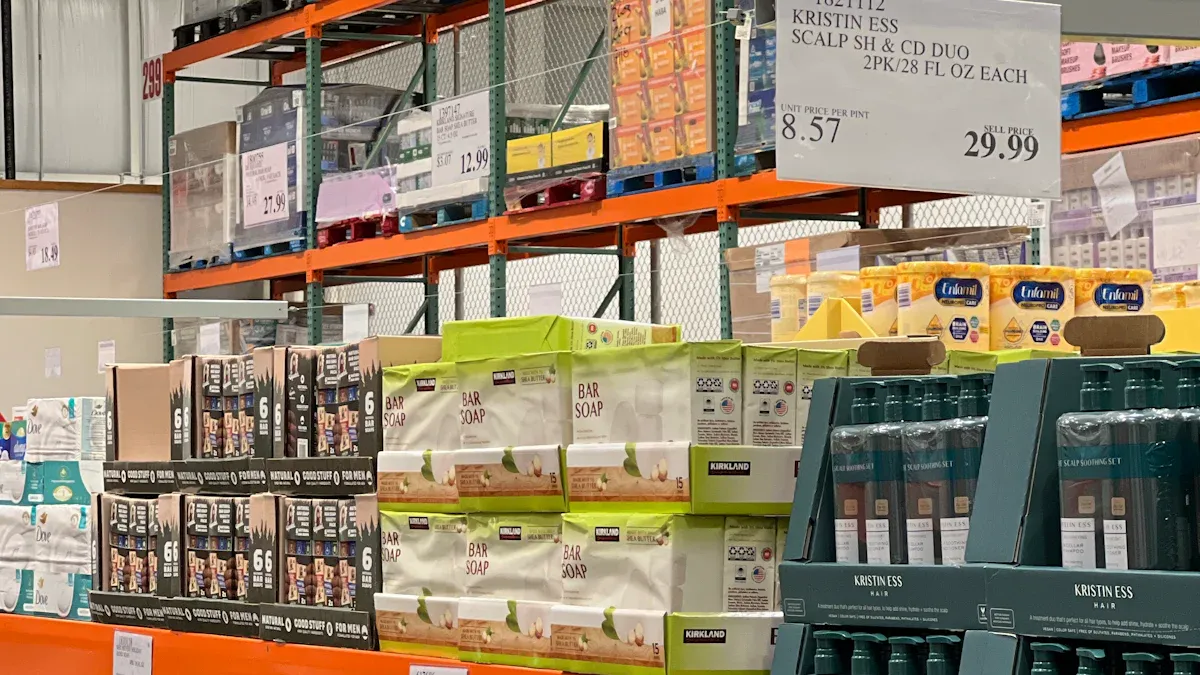
Electronic Shelf Labels (ESLs) are small, battery-powered digital display modules that retailers attach to store shelves. They replace traditional, static paper price tags with dynamic screens. These devices connect wirelessly to a central server, allowing retailers to change prices and display information automatically and instantly across an entire store.
From Paper Tags to Digital Displays
The journey from paper to digital pricing began in the 1990s. The first generation of ESLs used simple Liquid Crystal Displays (LCDs), similar to a basic calculator screen. While innovative, these early models had limited display capabilities and slower update speeds.
A major leap forward occurred with the adoption of electronic paper (e-paper) displays. This technology offered several key advantages:
- Superior Readability: E-paper screens are easy to read even in bright store lighting and from various angles.
- Low Power Consumption: The displays only use power when the image is updated, giving their internal batteries a lifespan of several years.
- Enhanced Display Options: Modern e-paper labels support multiple colors, such as black, white, red, and yellow, to highlight promotions and draw customer attention.
Today’s third-generation electronic shelf label technology represents a full integration of hardware and software. These systems are faster, more reliable, and serve as a cornerstone for building a truly smart retail environment.
More Than Just a Price Tag
Modern ESLs have evolved far beyond simple price displays. They act as a digital hub of information right at the shelf edge, bridging the gap between online and in-store shopping. Retailers can display a wealth of useful data to inform and empower customers.
This additional information often includes:
- Product name and price
- Unit pricing (e.g., price per ounce or pound)
- Promotional details and sale prices
- Nutritional facts or origin information
- Current stock levels
Furthermore, many ESLs feature interactive elements like QR codes and Near Field Communication (NFC) chips. These features transform a passive label into an active engagement tool. A shopper can scan a QR code with their smartphone to pull up recipes, watch a product video, or read customer reviews. Tapping an NFC-enabled label can instantly add a digital coupon to a loyalty account or link to detailed product specifications.
This enhanced functionality significantly improves the shopping journey. Research shows that two-thirds of consumers feel that stores using ESLs provide a superior customer experience compared to stores that do not. By providing accurate, detailed, and interactive content, these digital tags build trust and create a more satisfying in-store visit.
The Core of Electronic Shelf Label Technology
An electronic shelf label system is a sophisticated ecosystem composed of three primary components. These are the digital tags on the shelf, the communication network that transmits data, and the central software that manages the entire operation. Each part plays a critical role in delivering the efficiency and accuracy that define modern retail technology.
The Digital Tags
The most visible part of any ESL system is the digital tag itself. These are not simple screens; they are advanced, low-power devices engineered for the retail environment. Most modern labels use e-paper display technology, which offers paper-like readability and consumes energy only when updating the display. This efficiency allows their batteries to last for years. The lifespan depends on several factors:
| Condition/Factor | Typical Battery Life (Years) |
|---|---|
| General Use (ambient temp) | 5 to 10 |
| Frequent Daily Updates | 3 to 6 |
| Freezer Environments | Around 3 |
Display technology has also evolved significantly. Retailers can choose from various options to fit their needs, including:
- Grayscale HD Displays: Offer crisp, high-resolution text and images.
- 3- and 4-Color E-Ink Displays: Use black, white, red, and yellow to highlight promotions and attract customer attention effectively.
These tags are the frontline of the electronic shelf label technology, providing clear and dynamic information directly to shoppers.
The Communication Network
The communication network is the invisible backbone of the ESL system. It wirelessly connects the central server to every tag in the store. Systems typically use either Radio Frequency (RF) or Infrared (IR) protocols. RF offers excellent coverage and flexibility, while IR provides fast, direct line-of-sight data transfer.
Security is a paramount concern. To protect pricing data from tampering, these networks employ robust security measures. Communication is encrypted using advanced algorithms like AES-CCM. Many systems also feature secure boot processes and hardware-level protections to prevent malware injection, ensuring the integrity of all transmitted information. This secure and reliable data transmission is essential for maintaining retailer and customer trust.
The Management Software
The management software is the brain of the operation. This powerful platform allows retailers to control every aspect of the ESL system from a central dashboard. A key feature is its ability to integrate seamlessly with a retailer’s existing systems, such as their Point of Sale (POS) and Enterprise Resource Planning (ERP) software. This integration is often handled by a middleware layer that acts as a translator, ensuring data synchronization across all platforms.
Through the software, retailers can execute store-wide price changes, schedule promotions, and monitor the status of every label. The platform also provides valuable analytics, offering insights into promotion effectiveness and customer engagement. This centralized control enables remote management, enhances scalability for large deployments, and provides the data-driven intelligence needed for smarter retail strategies.
Why ESLs Are a Game-Changer for Retailers

Adopting electronic shelf label technology fundamentally transforms retail operations. It moves stores beyond simple price updates into a new era of efficiency, strategic agility, and intelligent inventory control. Retailers gain powerful tools to optimize workflows, respond to market changes instantly, and build a smarter, more connected store environment.
Boost Efficiency and Accuracy
Manual price changes are a significant drain on store resources. The process is slow, labor-intensive, and prone to human error. Electronic shelf labels automate this entire workflow, delivering immediate and measurable improvements. Retailers report a staggering 60–90% reduction in labor dedicated to price tag changes. This can save a single store up to 50 hours of work every week.
This automation frees employees from tedious tasks. Staff can then focus on higher-value activities like assisting customers, managing inventory, and improving the overall shopping experience. This shift not only boosts productivity but can also lead to higher job satisfaction and reduced staff turnover.
Accuracy is another critical benefit. ESLs sync directly with a retailer’s central pricing system. This ensures the price displayed on the shelf perfectly matches the price at the checkout, eliminating frustrating discrepancies for customers. This consistency builds significant trust and loyalty. Major industry leaders have already recognized these advantages.
| Retailer | Implementation Details | Impact |
|---|---|---|
| Walmart | Piloted ESLs to automate price changes and improve efficiency. | Improved pricing accuracy, reduced labor costs, and enhanced customer satisfaction. |
| Kroger | Implemented ESLs across hundreds of stores, integrating them with their digital pricing system. | Streamlined price updates and enabled dynamic pricing strategies. |
| Woolworths | Rolled out ESLs to enhance operational efficiency and customer experience. | Reduced manual errors and freed up staff for customer service. |
The return on investment (ROI) is compelling for retailers of all sizes. The initial cost is quickly offset by labor savings and improved accuracy.
| Retailer | Key Driver for ESL Adoption | Expected/Realized ROI |
|---|---|---|
| Naifeh’s Cash Saver | High volume of price changes (2,000/week). | Expected to recoup costs in less than two years. |
| Houchens Food Group | Testing digital shelf labels at two stores. | Expected ROI in about 3.5 years. |
| Tate Family Foods | Optimizing customer experience and labor savings. | Significant labor savings noted, freeing up staff for other tasks. |
Enable Dynamic Pricing Strategies
In today’s competitive market, pricing agility is a major strategic advantage. Paper tags make it nearly impossible to react quickly to market shifts. ESLs give retailers the power to implement dynamic pricing strategies with the click of a button. This capability allows stores to:
- React to Competitors: If a nearby competitor lowers a price, a retailer can instantly match it across all relevant stores to remain competitive.
- Launch Flash Sales: Retailers can create time-sensitive discounts to drive impulse buys and generate excitement. A “happy hour” sale on snacks or a weekend promotion can be deployed and removed automatically.
- Optimize Pricing: Prices can be adjusted based on demand, time of day, or inventory levels to maximize revenue and move slow-selling products.
This level of control empowers retailers to manage their pricing strategy proactively rather than reactively. They can execute nationwide discounts, regional promotions, and store-specific sales simultaneously, ensuring a consistent and effective strategy that directly impacts profitability.
Achieve Smarter Inventory Management
Modern ESLs function as a vital link to a store’s inventory management system. By integrating with backend data, the labels provide real-time visibility right at the shelf edge. This connection unlocks several powerful capabilities for smarter operations.
First, ESLs can display current stock levels directly on the tag. This information helps both customers and employees. More importantly, the system can send automated low-stock alerts to staff, prompting timely replenishment and preventing costly out-of-stock situations.
Second, this technology is crucial for streamlining omnichannel services like “click-and-collect.” Fulfilling online orders is a major operational challenge. ESLs make the process much faster and more accurate. 🛒
- Guided Picking: An employee fulfilling an order can trigger an LED light on the correct product’s ESL. This flashing light guides them directly to the item, reducing search time by several seconds per pick.
- Route Optimization: The system can generate the most efficient path through the store for an employee to pick all items in an order.
- Reduced Training: New employees can become effective order pickers almost immediately, as the system guides them visually. This reduces the need for extensive store knowledge and makes staffing more flexible.
By connecting the digital shelf to inventory data, retailers create a highly efficient environment for both in-store operations and online order fulfillment.
How ESLs Improve the Customer Experience
Electronic shelf labels do more than just help retailers; they significantly enhance the shopping journey for customers. These digital tags create a more transparent, efficient, and engaging in-store environment, bridging the gap between the convenience of online shopping and the experience of a physical store.
Accurate and Detailed Information
Customers value transparency. ESLs provide a wealth of information directly at the shelf, empowering shoppers to make confident purchasing decisions. Beyond just the price, these digital displays can show a wide range of useful data.
- Product Details: Shoppers can see a complete ingredient list, nutritional facts, and critical allergen warnings.
- Origin and Certifications: Information like country of origin or eco-certifications (e.g., Fair Trade, organic) builds trust.
- Usage Information: Expiration dates and usage instructions help customers select the best products for their needs.
This level of detail ensures customers have all the facts they need right at the point of decision, creating a more trustworthy and informative shopping experience.
A Smoother In-Store Journey
A well-organized store makes for a happy customer. ESLs contribute to a clean, modern aesthetic with their sleek design and clear, high-contrast displays. This eliminates the visual clutter of mismatched paper tags and ensures pricing is always easy to read. The technology also streamlines navigation. Some systems feature a “pick-to-light” function, where a flashing LED on the label guides a customer directly to a specific item on their shopping list app. This visual cue dramatically reduces search time and frustration, making the trip through the aisles faster and more efficient.
Interactive Shopping Features
Modern ESLs turn a passive shelf into an interactive touchpoint. Many labels include QR codes or NFC chips that connect a customer’s smartphone to a world of digital content. Shoppers can interact with products in new ways. For example, they can scan a QR code to:
- Receive personalized coupons or add an item to a digital loyalty account.
- Access customer reviews, product demonstration videos, or recipes.
- View augmented reality (AR) previews to see how a product might look in their home.
This interactivity transforms the shopping trip from a simple transaction into an engaging, personalized experience, giving customers the rich content they expect from online retailers.
Electronic shelf labels are a pivotal upgrade. They solve the chronic issues of manual pricing while unlocking new strategic advantages. This electronic shelf label technology bridges the gap between digital efficiency and the physical store, creating a smarter, more responsive retail environment.
Adopting ESLs is a strategic investment in operational excellence and profitability. It future-proofs the business for evolving customer expectations and upcoming integrations with IoT ecosystems.
FAQ
How much do electronic shelf labels cost?
The cost of an ESL system varies significantly. It depends on the number of labels, the type of display technology chosen, and the complexity of the software integration. Retailers typically receive a custom quote based on their specific store requirements and operational scale.
Are ESL systems secure from hacking?
Yes, security is a core design feature. ESL communication networks use advanced encryption, like AES, to protect data transmissions. Secure hardware and software protocols prevent unauthorized access and tampering, ensuring pricing information remains accurate and safe from external threats.
How long does it take to install an ESL system?
Installation time depends on the store’s size and the number of labels. A typical supermarket installation can take several days to a week. The process involves setting up the network infrastructure, mounting the labels, and integrating the software with existing retail systems.
Can ESLs work in all store environments?
Modern ESLs are designed for versatility. Most labels operate effectively in standard ambient temperatures. Retailers can also source specialized labels engineered to function reliably in challenging environments, including refrigerated sections and freezers, though battery life may be shorter in extreme cold.