
Are your retail ads failing to convert? You invest in advertising, but your budget disappears without a return. This is a common frustration in retail advertising. Surveys show 74% of people are influenced by social media ads, yet turning that attention into sales is difficult. Modern Esl Retail success requires a full-funnel strategy. This includes everything from your online advertising to in-store tech like Electronic Shelf Labels. An ESL Gateway AP can instantly update every ESL Price Tag, aligning your promotions seamlessly. Let’s make every advertising dollar work for you.
Mastering the Fundamentals of Retail Advertising
An excellent retail advertising campaign begins with a solid foundation. Before you spend a single dollar, you must understand who you are talking to, what you want to achieve, and how much you can realistically invest. This initial planning phase is crucial for turning clicks into carts and ensuring your advertising efforts yield a positive return. Effective retail advertising requires precision and relevance, empowering your target market and delivering value. Let’s dive into the fundamentals that will set your retail campaign development up for success.
Build Your Ideal Customer Profile
Successful retail advertising starts with knowing exactly who you are trying to reach. You need to build a detailed ideal customer profile (ICP) to guide your targeting and messaging. This profile goes beyond basic demographics.
Pro Tip: Analyze your best current customers. Identify common traits like their industry, company size, location, and even the technology they use. Interviewing these “super users” can reveal their pain points, buying motivations, and how they discovered your brand. This data is invaluable for your marketing.
By understanding these characteristics, you can create a precise profile that informs every aspect of your campaign strategy. This ensures your advertising is relevant and powerful, speaking directly to the needs of your most valuable potential customers.
Define Clear and Measurable Campaign Goals
Your advertising needs a purpose. Without clear goals, you cannot measure success or optimize your performance. Define specific, measurable objectives for your retail marketing campaign. Are you aiming to increase online sales, drive in-store foot traffic, or generate new leads?
Set concrete benchmarks to track your progress. For example, you might aim for:
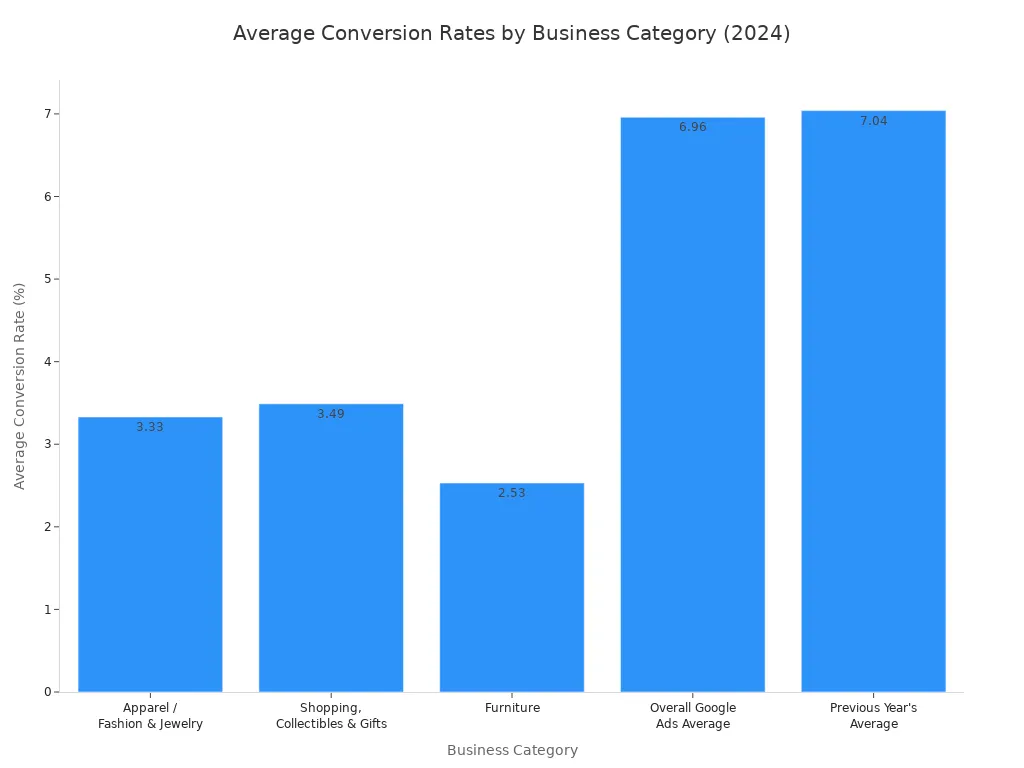
- Acquisition: Achieve 50 online purchases or a 10% conversion rate.
- Retention: Increase repeat purchases by 20%.
- Efficiency: Target a Return On Ad Spend (ROAS) of 4x or reduce your Cost Per Acquisition (CPA) by 15%.
These metrics provide a clear roadmap for your advertising efforts and help you determine if your digital strategy is working.
Establish a Realistic Advertising Budget
Finally, you must establish a realistic budget for your retail advertising. Your budget will influence the platforms you choose and the scale of your campaign. A common benchmark for the retail industry is to allocate between 5% and 13% of your total revenue to advertising.
Start by outlining your total available funds. Then, focus your spending on the channels most likely to drive sales, whether it’s online social media ads or geo-targeted search advertising for your in-store locations. A well-planned budget ensures you can sustain your marketing efforts and effectively reach your audience without overspending. This strategic approach to advertising is key to long-term retail success.
Crafting Compelling Retail Ads That Convert

Once you establish your foundation, your focus must shift to the creative elements. High-performing retail ads are a blend of art and science. They capture attention, communicate value, and persuade customers to act. Your advertising creative is the face of your campaign. It must resonate with your ideal customer and guide them smoothly from click to cart. Let’s explore how you can craft compelling retail advertising that drives real results for your business.
Write Cohesive Copy That Communicates Your Brand
Your ad copy is your direct conversation with the customer. It must be clear, persuasive, and perfectly aligned with your brand’s voice. To achieve this, you need a consistent strategy for both your messaging and your brand identity.
First, you should leverage proven copywriting formulas to structure your message for maximum impact. These frameworks help you address customer needs and motivations effectively. Consider using one of these approaches for your next advertising campaign:
- The 4 Cs: Make your copy Clear, Concise, Compelling, and Credible. This builds trust and makes your offer easy to understand.
- The 4 Us: Frame your message to be Useful, Urgent, Unique, and Ultra-specific. This creates a powerful incentive for customers to act now.
- Open Loops: Tease your audience with an intriguing statement. This makes them want to continue reading to find the answer.
- The “So What?” Test: After writing a feature, ask yourself, “So what?” from the customer’s perspective. This forces you to translate features into tangible benefits.
Note: To ensure your copy remains consistent across all your online and in-store promotions, you must establish and follow clear brand guidelines. This creates a unified experience that builds brand recognition and trust.
Develop a comprehensive brand book that outlines your visual and verbal identity. This document should define everything from logo usage and color palettes to your brand’s tone of voice and core values. By training your teams and using tools like a Digital Asset Management (DAM) system, you ensure every piece of advertising reinforces the same powerful brand message.
Design Strong Visuals and Use Video
In the fast-scrolling world of digital advertising, your visuals do the heavy lifting. People process images far faster than text, so your creative must make an instant impact. Whether you use static images or video, your visuals must be strategic and compelling.
For static image ads, follow these best practices to capture attention:
- Guide the Eye: Use large headlines, in-context product imagery, and bold callouts to direct the viewer’s focus to the most important elements.
- Trigger Emotion: Use colors and imagery that evoke specific feelings. Blue can build trust, while red creates urgency. Matching your image to the customer’s problem is a powerful way to grab attention.
- Maintain Simplicity: Avoid clutter. Minimalist images with a clear focal point often achieve higher click-through rates, especially on busy social feeds. Product images in real-life settings can also feel more authentic than polished studio shots.
While static images are effective, video takes engagement to another level. The impact of video in retail advertising is undeniable. Social video generates 1200% more shares than text and images combined. Furthermore, 64% of consumers report they are more likely to buy a product after watching a video about it. Incorporating video into your online strategy can dramatically boost performance. Explainer videos, for example, can even reduce product returns by 35% by setting clear customer expectations.
Choose the Right Format for Your Retail Ads
The final piece of the creative puzzle is choosing the right format for your retail ads. The best format depends on your campaign goal, your target audience, and the platform you are using. What works on TikTok may not perform well on Google Search. You must tailor your creative to feel native to each platform.
Here is a breakdown of the most effective ad formats for top retail advertising platforms:
| Platform | Most Effective Ad Formats |
|---|---|
| Google Ads | Text and image ads are powerful for search campaigns targeting high-intent users. For building awareness, YouTube video ads are highly effective for reaching audiences on connected TVs and other devices. |
| Meta Ads | Static images and video content are key. Meta’s strength lies in its visual nature and its dynamic ads, which automatically show relevant products to users based on their past interactions with your retail brand. |
| TikTok | Vertical video is king. This format is essential for capturing attention quickly. You can enhance your ads with interactive elements like polls and branded effects to boost engagement. |
Ultimately, success in retail advertising comes from aligning your message, visuals, and format. By making your ads feel organic to each platform, you create a seamless experience that encourages users to engage with your brand, whether they are shopping online or heading to an in-store location.
Structuring Your Campaign for the Full Customer Journey
A successful retail advertising strategy guides customers from initial discovery to final purchase. You must tailor your advertising to meet customers where they are. This means creating a full-funnel campaign that builds awareness, encourages consideration, and drives conversion. This approach ensures your marketing efforts build momentum and deliver a strong return for your retail brand.
Awareness: Introducing Your Brand
The first stage of your advertising campaign introduces your brand to a broad audience. Your goal is to build recognition and generate interest. You should focus your online advertising on capturing attention and making a memorable first impression. Success at this stage is not about immediate sales. Instead, you measure it with metrics that show growing brand familiarity.
You can track your progress with key indicators like:
- Direct Traffic: More users typing your website URL directly.
- Search Volume: An increase in online searches for your brand name.
- Social Engagement: Higher interaction rates on your social media posts.
This data shows your retail marketing is effectively reaching and resonating with new potential customers.
Consideration: Showcasing Your Products
Once customers know your brand, your advertising must help them evaluate your products. This stage is about showcasing value and addressing customer needs. You can use targeted ads to highlight specific product features that solve a customer’s problem. Retargeting is also a powerful digital tool here. It allows you to reconnect with users who visited your site but did not buy. You can show them educational content or personalized ads for products they viewed, keeping your retail brand top-of-mind.
Conversion: Driving the Final Sale and Loyalty
The final stage of your advertising focuses on securing the sale. Here, you should use powerful promotional tactics to create a sense of urgency. This encourages immediate action from shoppers in both your online and in-store channels.
Effective conversion tactics include:
- Limited-Time Offers: Use phrases like “Offer ends at midnight” to create urgency.
- Scarcity Messaging: Highlight low stock with messages like “Only a few left.”
Your work does not end with the sale. The conversion stage extends to fostering loyalty for your retail e-commerce business. Use post-purchase marketing and loyalty programs to encourage repeat business. This transforms a one-time buyer into a loyal customer, completing your omnichannel marketing loop from click to cart and beyond.
Launching, Measuring, and Optimizing Your Campaign

Your retail advertising strategy is ready. Now you must launch, measure, and refine it for maximum impact. This final phase turns planning into profit. You will select the right platforms, monitor performance, and continuously optimize your ads. This data-driven approach ensures your marketing budget works efficiently for both your online and in-store goals.
Select the Best Ad Platforms for Your Audience
You must choose platforms where your ideal customers are most active. Your choice of platform directly impacts your advertising success. Google Ads and Meta Ads are powerful options for retail, but they serve different purposes. Google is ideal for capturing high-intent customers already searching for products, while Meta excels at building brand awareness and using sophisticated targeting. Effective retail advertising matches the platform to the campaign goal.
| Platform | Best For Retail Businesses | Key Considerations |
|---|---|---|
| Google Ads | Reaching users with high purchase intent who are actively searching for your products. It is also effective for driving in-store visits. | Ads are primarily text-based and less interactive. The cost per click can be higher, but users are closer to making a purchase. |
| Meta Ads | Building brand awareness and telling engaging stories through visual formats like video and carousels. Its deep targeting options help you reach niche audiences. | Users are often scrolling for entertainment, not shopping. This may require more touchpoints to achieve a conversion for your retail e-commerce brand. |
Monitor Key Performance Metrics (KPIs)
After launching your ads, you need to track their performance. Monitoring key performance metrics (KPIs) tells you what is working. You should check your digital dashboards daily in the early stages of a campaign. This helps you spot opportunities or problems quickly for your online advertising.
Focus on these essential retail metrics:
- Return On Ad Spend (ROAS): This measures the total revenue your retail ads generate for every dollar spent. It is the ultimate indicator of profitability.
- Click-Through Rate (CTR): This shows the percentage of people who click your ad after seeing it. A low CTR may indicate your visuals or copy are not compelling.
- Cost Per Acquisition (CPA): This is the average cost to acquire one customer. Tracking CPA helps you manage your advertising budget efficiently.
Test and Optimize for Continuous Improvement
Great marketing campaigns evolve. You must use performance data to optimize your advertising continuously. A/B testing is a simple yet powerful method for this. You can test different ad elements to see what resonates with your audience. For example, try testing a question against a statement in your headline or a real product photo against a graphic.
Use the insights from your tests to make data-driven decisions. If one ad creative delivers a much higher ROAS, allocate more of your budget to it. If a certain audience segment responds well to specific promotional tactics, create more tailored ads for them. This cycle of testing and optimization is the key to long-term success in retail advertising.
Your path to retail advertising success begins with a strategic foundation. You must embrace data-driven optimization as your core marketing strategy. Start with a focused campaign, measure your outcomes, and scale what works.
- Glossier: Built a community first, then scaled with user feedback.
- Warby Parker: Launched with a Home Try-On program and grew through social proof.
Looking ahead, the future of retail advertising is immersive. AI-driven personalization and Augmented Reality (AR) are transforming marketing.
The intersection of AR and new technology is changing not only how brands reach people, but how those connections are built—and made to last.
This evolution in advertising represents a significant leap in brand communication.
FAQ
How much should I spend on retail ads?
You should allocate a budget based on your revenue and goals. A common benchmark for retail is 5% to 13% of total revenue. Start with a smaller, focused budget. You can scale your spending as you identify which online advertising channels deliver the best results.
What is the most important metric to track?
Return On Ad Spend (ROAS) is the most critical metric. It directly measures the revenue generated for every dollar you spend on advertising. A high ROAS indicates a profitable campaign and shows your online marketing efforts are working effectively.
How long does it take to see results from ads?
Results can vary based on your industry and campaign goals. You might see immediate traffic from a well-targeted campaign. However, building brand awareness and driving consistent online sales often takes several weeks of testing and optimization.
Pro Tip: Patience is key. Use the initial data to refine your strategy for long-term success rather than expecting overnight wins.
Should I use video ads for my retail business?
Yes, you should strongly consider video. Video ads are highly engaging and can significantly boost conversions. They are effective for:
- Showcasing product features
- Telling your brand story
- Building trust with your audience