
In 2026, retail customer engagement creates seamless, predictive, and deeply personalized relationships between a brand and its customers. This new era of engagement is powered by AI and unified data ecosystems. In-store, an ESL Gateway AP can instantly update an ESL Price Tag, a key part of Electronic Shelf Labels systems in Esl Retail. These retail trends meet consumer demand, as 39% of shoppers now expect a personalized customer experience. Furthermore, strong digital engagement is vital, with 61% of consumers preferring retail brands that offer advanced AR technology.
The Pillars of Future Retail Customer Engagement
The future of retail customer engagement rests on three core pillars. These pillars transform passive shopping into an active, continuous dialogue. They integrate technology not as a gimmick, but as the fundamental architecture for building lasting relationships.
Hyper-Personalization at Scale
Generic marketing no longer works. By 2026, hyper-personalization is the standard, driven by powerful AI that makes every customer feel like the only customer.
AI-Driven Predictive Analytics
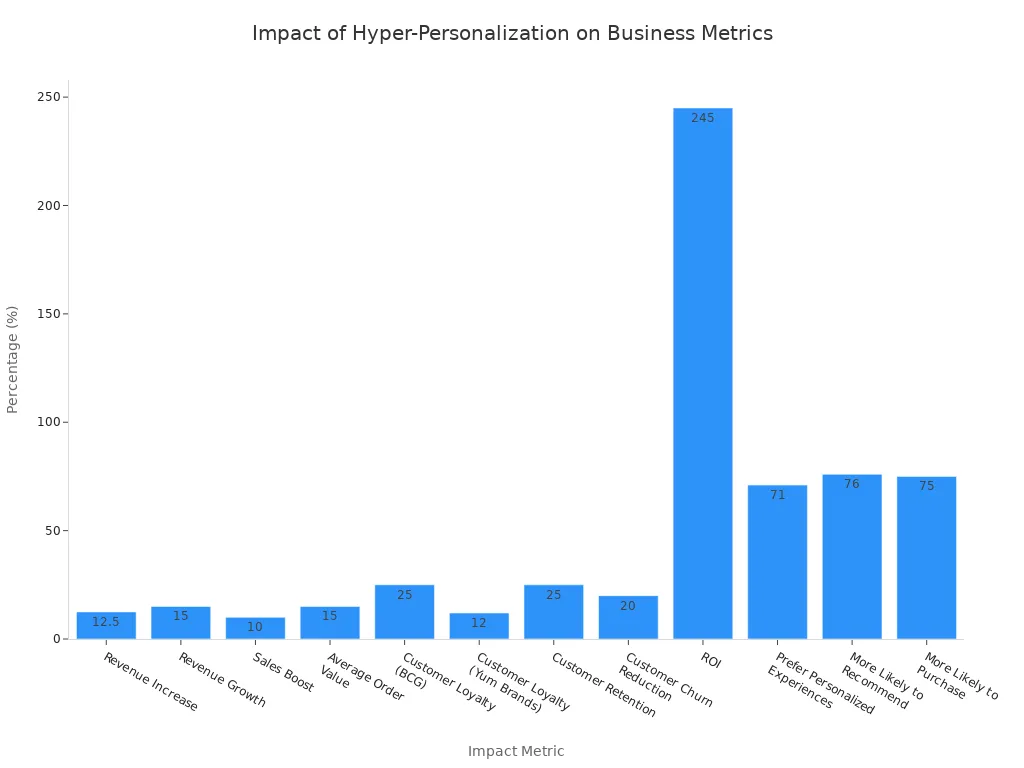
Brands use AI-driven predictive analytics to understand customer behavior before it happens. This approach moves beyond analyzing past purchases. It anticipates future needs, preferences, and even potential churn. For example, Stitch Fix built its entire business model on top-down personalization, using data to curate selections for customers. This strategy meets a clear consumer demand, as studies show over 70% of consumers now expect personalization from brands.
Real-Time Individualized Offers
Predictive insights power real-time, individualized offers delivered at the perfect moment. A retail brand like Tecovas equips its store associates with customer data at the point of sale, enabling them to make tailored suggestions. This level of personalized shopping drives significant business results. Companies that master it see an average revenue lift of 10-15%.
Immersive and Blended Experiences (Phygital)
The line between physical and digital retail continues to blur, creating a single, blended experience known as phygital. This pillar merges the convenience of online with the sensory engagement of in-store shopping.
AR/VR In-Home Try-Ons
Augmented and Virtual Reality bring the store directly into the customer’s home.
- Warby Parker lets customers virtually try on glasses with its app.
- Lush uses its app’s “Lush Lens” feature to scan products and display immersive videos and ingredient information, removing the need for packaging.
This technology removes purchase friction and makes online exploration more tangible and exciting.
Smart Store Environments
Physical stores are evolving from simple points of sale into dynamic experience hubs. Smart store environments use IoT sensors and real-time data to create frictionless customer interactions. This phygital retail model allows brands like Nike to adapt merchandise in its “live stores” based on local trends, creating a space that feels uniquely relevant to its community. These environments improve inventory management and optimize staffing, boosting both efficiency and in-store engagement.
Conversational Commerce and AI Assistants
Communication is becoming automated, instant, and incredibly intelligent. The global conversational commerce market is projected to reach $37.64 billion by 2029, signaling a massive shift in how brands and customers interact.
24/7 AI-Powered Support
Customers expect answers anytime, anywhere. AI-powered chatbots and voice assistants provide 24/7 support, resolving common inquiries instantly. This frees up human agents to handle more complex issues, improving overall service quality and efficiency.
AI Stylists and Advisors
Advanced AI assistants are evolving from reactive problem-solvers into proactive advisors. An AI stylist can analyze a customer’s purchase history, browsing behavior, and even social media activity to offer personalized style recommendations. This creates a valuable, ongoing dialogue that deepens the customer relationship far beyond a simple transaction.
Proactive and Predictive Service
The most advanced form of customer engagement in 2026 is service that solves a problem before the customer knows it exists. This pillar shifts the service model from reactive troubleshooting to proactive, data-driven support. It represents the ultimate expression of a brand understanding and valuing its customers’ time and experience.
Anticipating Needs with Data
By 2026, leading brands use predictive analytics to foresee customer needs with remarkable accuracy. They analyze vast datasets to understand not just what a customer bought, but what they will likely need next. This allows for sophisticated strategies that make shopping feel effortless and intuitive.
Leading companies already demonstrate the power of this approach:
- Amazon leverages predictive analytics to power its recommendation engine, suggesting products that align with a customer’s browsing and purchase history.
- Sephora uses its app to offer personalized services, allowing customers to book in-store makeovers, check product availability, and access tailored recommendations.
- Auchan, a multinational retailer, uses geo-tracking to guide customers to nearby stores and provide in-store suggestions, enhancing the shopping journey in real time.
These tactics go beyond simple marketing. They inform everything from personalized recommendations to inventory management, ensuring the right products are available when and where the customer wants them.
Pre-Emptive Problem Resolution
Proactive service also means identifying and resolving potential issues before they can cause frustration. Instead of waiting for a customer to contact support, the system flags a potential problem and initiates a solution. This builds immense trust and loyalty.
Preemptive customer service is a valuable strategy to boost customer satisfaction and loyalty. It helps prevent customer frustration and stress, which are key factors in improving the overall customer experience and building stronger relationships.
For example, a system might notice a customer’s data usage is trending high and automatically suggest a more cost-effective unlimited plan to prevent overage charges. Other examples include sending overdraft alerts before an account is overdrawn or notifying customers of a planned service outage. This approach significantly reduces the need for customers to call support centers. This level of foresight transforms the retail service dynamic from a necessary chore into a value-added feature of the brand itself.
How the Customer Experience Will Evolve by 2026
The core of retail is shifting from process-centric to customer-centric. This evolution transforms how brands interact with shoppers at every stage. By 2026, the customer experience will be defined by three fundamental changes that prioritize prediction, unity, and long-term relationships.
From Reactive to Predictive
The model of customer service is undergoing a complete overhaul. This change moves support from a defensive function to a proactive asset.
Today: Responding to Inquiries
Currently, most service models are reactive. A customer encounters a problem, contacts support, and waits for a resolution. This approach places the burden on the customer. It often leads to frustration and a negative perception of the brand.
2026: Anticipating Needs
By 2026, leading brands will operate on a predictive basis. They apply advanced data analytics to proactively address needs. This evolution represents a major improvement in the customer experience. AI-driven platforms analyze customer data to resolve issues before they even surface, transforming the entire CX dynamic.
“We’re seeing AI move from automation toward predictive and personal intelligence. It’s becoming a more empathetic layer rather than a reactive service.”
This shift to “predictive empathy” allows a brand to anticipate dissatisfaction and offer solutions preemptively, building significant trust and loyalty.
From Multichannel to Unified Commerce
The separation between online and offline shopping is disappearing. The future is a single, cohesive ecosystem that meets rising customer expectations for seamlessness.
Today: Siloed Channel Experiences
Many retailers operate a multichannel strategy. They have a website, a mobile app, and physical stores. However, these channels often function in isolation due to disparate systems and legacy technology. This creates data silos, resulting in a fragmented experience where online promotions do not apply in-store or inventory is not synced.
2026: A Single, Fluid Journey
Unified commerce erases these silos. In 2026, a customer’s journey is a single, fluid experience across all touchpoints. This phygital retail model ensures complete integration. A shopper can browse on their laptop, add items to a cart via a mobile app, and try them on in a smart fitting room. This seamless phygital environment is a key differentiator.
From Transactional to Relational
The ultimate goal of customer engagement is changing. The focus is moving from the immediate sale to the long-term value of the customer relationship.
Today: Focus on the Single Sale
Traditional retail often prioritizes the single transaction. Marketing campaigns and sales efforts concentrate on converting a browser into a buyer for one specific purchase. This short-term view overlooks the potential for future engagement.
2026: Building Lifetime Value
Future-focused retail strategies prioritize Customer Lifetime Value (LTV). LTV represents the total net revenue a brand can expect from a customer over their entire relationship. This metric helps identify the most profitable customer segments. One of the most important retail trends is understanding that building a lasting relationship creates far more value than securing a single sale. This relational approach fosters loyalty and turns customers into brand advocates.
Key Technologies Defining the New Era of Customer Engagement
The evolution of retail is powered by a suite of transformative technologies. These tools are the engine driving a new era of customer engagement. They enable brands to create the predictive, immersive, and unified interactions that shoppers in 2026 will expect as standard.
Generative AI and LLMs
Generative AI and Large Language Models (LLMs) are moving from novelty to necessity. They empower retailers to create personalized content and conversations at an unprecedented scale.
Personalized Marketing Copy
Brands now use generative AI to craft compelling and relevant marketing content automatically. Amazon’s ‘Product Prose’ AI, for example, generates effective sales copy from basic specifications, helping sellers achieve higher conversion rates. Other leading retailers are adopting similar strategies:
- CarMax creates detailed car comparisons and summaries.
- Sephora provides personalized product recommendations and tutorials.
- Sainsbury’s offers location-specific specials to enhance online search.
Advanced Conversational Agents
LLMs are transforming chatbots from simple Q&A tools into sophisticated advisors. These advanced agents understand context, remember past interactions, and offer proactive advice. They can act as personal stylists or product experts, guiding customers through complex purchase decisions 24/7.
Augmented (AR) and Virtual Reality (VR)
AR and VR are bridging the gap between the digital and physical worlds. They create tangible, interactive experiences that build buyer confidence and make shopping more exciting.
Virtual Product Visualization
This technology allows customers to see products in their own environment before buying. IKEA’s ‘IKEA Place’ app is a prime example, letting users virtually place 3D furniture models in their homes. This AR tool influences the entire buying journey:
- Information Gathering: Customers visualize how products fit and look.
- Purchase Decision: Shoppers make more confident and informed choices.
- Post-Purchase: The process reduces returns by setting clear expectations.
- Loyalty: A hassle-free experience fosters strong brand advocacy.
Immersive In-Store Navigation
AR is also enhancing the physical store. Immersive navigation systems can guide shoppers directly to products on their list, display promotions, and provide extra product information through a smartphone camera. This application is a cornerstone of phygital retail, merging digital convenience with the in-store environment.
The Internet of Things (IoT)
IoT devices create a network of smart, interconnected objects that generate real-time data. This technology is revolutionizing store operations and personalization.
Smart Shelving and Inventory
Inventory management is a primary use case for IoT in retail, accounting for nearly 38% of adoption. Smart shelves with RFID tags automatically track stock levels, reducing out-of-stock scenarios and freeing up staff. Fashion retailer Lindex, for instance, deployed RFID across its 440 stores to enhance inventory accuracy.
Wearable-Integrated Experiences
IoT integration with wearables and other smart devices is one of the fastest-growing retail trends. These connections enable a deeply personalized customer experience, from automated checkouts to beacon-based marketing. This data-driven approach helps optimize store layouts and streamline operations, directly improving shopper satisfaction.
Unified Data Platforms (UDPs)
Unified Data Platforms (UDPs) are the central nervous system for modern retail engagement. These platforms ingest, process, and unify customer data from every conceivable touchpoint. They break down the walls between a brand’s e-commerce site, mobile app, physical stores, and marketing channels. A UDP creates a single source of truth. This foundation makes hyper-personalization and predictive service possible at scale. Without a unified data strategy, all other engagement efforts remain fragmented and less effective.
Creating a Single Customer View
The primary function of a UDP is to build a comprehensive, 360-degree profile for every customer. It aggregates disparate data points into one cohesive identity. This single customer view provides deep insights into behavior, preferences, and history. Retailers leverage this complete profile to deliver superior experiences and build lasting loyalty. The benefits are significant and transform core business operations.
- Improved Omnichannel Experience: Brands can ensure consistency across all touchpoints. Disney’s MagicBand system, for example, unifies data for ticketing, dining, and attractions to create a seamless park experience.
- Sophisticated Loyalty Programs: Retailers can design rewards based on a customer’s entire relationship with the brand. Sephora’s Beauty Insider program uses unified data to power personalized rewards, driving over 80% of the company’s sales.
- Optimized Inventory: Customer data informs demand forecasting. Zara uses these insights to identify trending products early, reducing stockouts and aligning inventory with local preferences.
Enabling Real-Time Personalization
A single customer view is powerful, but its true value is unlocked through immediate action. UDPs enable brands to use unified data in real time. This capability allows for dynamic personalization that responds instantly to a customer’s current context and behavior. When a shopper browses a product online, the UDP can trigger a relevant offer on their mobile app or inform a store associate of their interests before they even walk in.
A unified data stream allows a brand to move from historical analysis to in-the-moment action. This shift is what separates a good customer experience from a truly predictive and personal one.
This real-time capability powers the recommendation engines that customers now expect. Netflix, for instance, uses its unified viewing data to generate personalized suggestions. These recommendations drive an estimated 80% of all viewer engagement on the platform. For retailers, this means delivering the right message, product, or offer at the exact moment it will have the most impact, dramatically increasing conversion rates and customer satisfaction.
The Strategic Shift for Future-Ready Retail
Technology alone is not enough. To thrive in 2026, retailers must undertake a fundamental strategic shift in their culture, physical spaces, and operational mindset. This evolution moves the organization from traditional practices to a dynamic, data-driven, and experience-focused model.
Building a Data-First Culture
A data-first culture treats information as a core strategic asset. It requires a company-wide commitment to using insights to drive decisions at every level.
Prioritizing Data Literacy
Organizations must prioritize data literacy for all employees, not just analysts. This begins with leadership championing data’s value through storytelling and consistent use in communications. A successful approach involves:
- Establishing a Foundation: Create a shared understanding of data as a valuable asset.
- Reinforcing with Structure: Appoint data stewards and embed data review into team routines.
- Scaling What Works: Expand successful data practices and formalize training programs.
- Sustaining the Culture: Use feedback loops and recognition to make data-informed thinking self-reinforcing.
Ensuring Ethical Data Governance
As retailers collect more data, ethical governance becomes paramount for building trust. This means moving beyond mere compliance to embrace true accountability. Key principles include transparency in data collection, fairness to avoid algorithmic bias, and data minimization.
Businesses must take full responsibility for their data practices. This involves assigning clear ownership for every dataset and maintaining detailed records to ensure accountability.
Implementing role-based access controls and clear data quality standards are essential first steps in protecting customer information and maintaining loyalty.
Redefining the Physical Store
The physical retail store is transforming from a simple point of sale into a destination for brand interaction and community building. This is one of the most important retail trends.
From Point of Sale to Experience Hub
Stores are becoming experience hubs that offer unique, memorable interactions. Brands like Lululemon integrate fitness studios and meditation rooms, while Sonos creates immersive sound booths. This phygital approach blends a physical location with engaging activities, turning the store into a powerful tool for customer engagement. These spaces prioritize brand immersion over simple transactions.
Equipping Associates with Tech
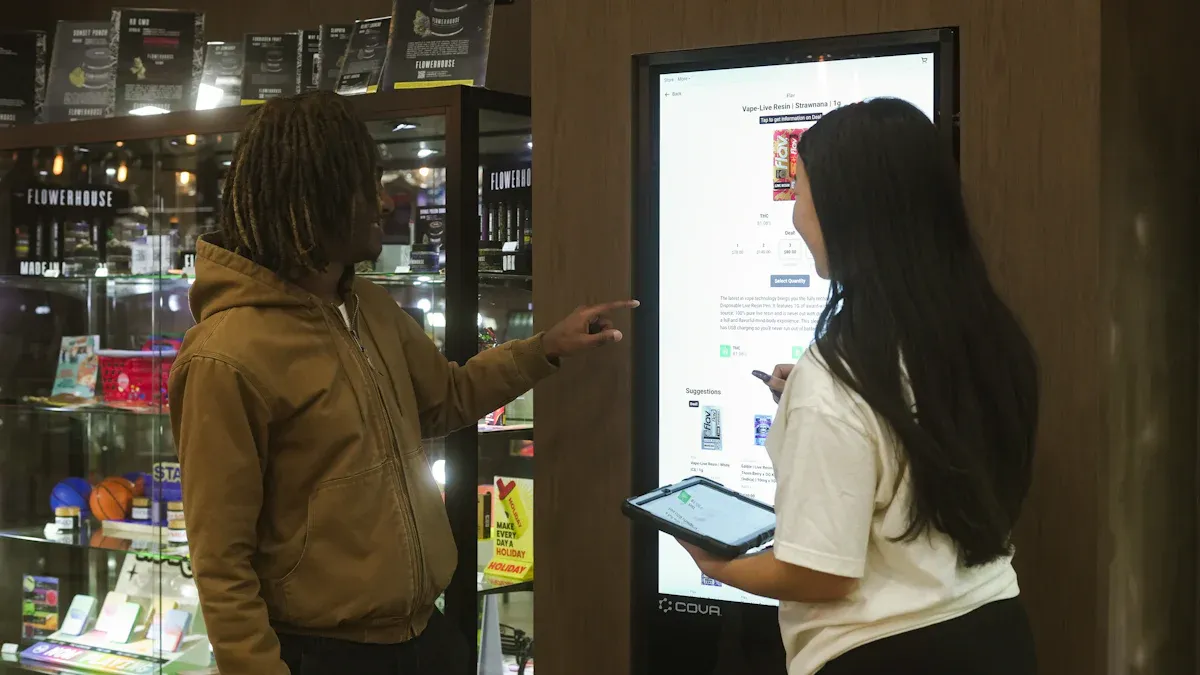
Technology empowers store associates to elevate the customer experience. When equipped with tablets or mobile devices, employees become versatile brand ambassadors. They can instantly check inventory, process payments on the floor to eliminate lines, and access a customer’s purchase history to offer personalized recommendations. This tech-enabled support transforms the in-store engagement, making it more efficient and personal.
Fostering Agility and Experimentation
Future-ready retail organizations embrace change through a culture of continuous learning and experimentation. This agile mindset allows them to adapt quickly to new technologies and consumer behaviors.
Adopting a Test-and-Learn Mindset
A true test-and-learn mindset requires concerted buy-in from leadership. Leaders must create an environment where teams have permission to experiment and even fail. This involves establishing clear, structured processes for planning, launching, and analyzing tests. The goal is to learn from every outcome, celebrate successes, and share insights across the organization to drive innovation.
Piloting New Technologies
Instead of attempting large-scale, high-risk overhauls, agile retailers pilot new technologies in controlled settings. A brand might test an AR feature in its mobile app or deploy a new phygital retail concept in a single flagship store. This approach allows the company to gather data, measure ROI, and refine the strategy before a wider rollout, ensuring new initiatives are both effective and scalable.
Actionable Steps to Elevate Your Retail Customer Engagement
Transitioning to the future of retail customer engagement requires a deliberate and strategic plan. Brands can begin this transformation by taking concrete, manageable steps that build momentum and demonstrate value. These actions focus on auditing technology, piloting new programs, and investing in people.
Audit Your Current Tech Stack
A thorough technology audit is the essential first step. It provides a clear picture of a company’s current capabilities and reveals the gaps that prevent a modern customer experience.
Identify Data Integration Gaps
Retailers must first examine how data flows between systems. A primary goal is to break down silos between e-commerce platforms, in-store POS systems, and marketing tools. The audit should also scrutinize security protocols to ensure data is protected.
A secure foundation is non-negotiable for data integration. Key security measures include end-to-end encryption, multi-factor authentication, and role-based access controls to protect sensitive customer information and build trust.
This process identifies vulnerabilities and ensures that a unified data strategy can be built on a secure and reliable framework.
Assess Personalization Capabilities
The audit must also evaluate the systems that enable personalization. This involves looking beyond basic CRM functions to assess the core data and content infrastructure, such as Product Information Management (PIM) and Digital Asset Management (DAM) systems. Key capabilities to assess include:
- Product Data Enrichment: The ability to transform basic supplier data into structured content that AI can use.
- Retail Content Automation: Using AI to generate unique product descriptions and metadata at scale.
- AI Image Recognition: Automatically tagging images with detailed attributes to power visual search.
This assessment determines if the current stack can support the sophisticated personalization required for future engagement.
Start Small with Pilot Programs
Large-scale change is risky. Pilot programs allow a retail brand to test new technologies in a controlled environment, gathering data and proving ROI before a full rollout. This agile approach minimizes risk and accelerates learning.
Test AR Features in Your App
Implementing an Augmented Reality feature, such as a virtual try-on, within a mobile app is an excellent pilot project. It allows a company to measure user adoption and its impact on conversion rates. This type of test provides valuable insights into a broader phygital retail strategy.
Implement an Advanced Chatbot
Deploying an advanced, AI-powered chatbot on a specific product page or for a particular customer segment is another effective pilot. This helps gauge the chatbot’s ability to improve the CX by resolving queries efficiently. It also provides a new stream of data on customer needs.
Invest in Talent and Training
Technology is only as effective as the people who use it. Preparing for 2026 requires a dual investment in acquiring new talent and upskilling the existing workforce.
Hire Data and AI Specialists
Companies need to hire specialists with expertise in data science, AI engineering, and machine learning. These experts can build and manage the complex systems that power predictive analytics and hyper-personalization.
Upskill Your Current Workforce
Simultaneously, brands must invest in training their current employees. Upskilling programs that promote data literacy across all departments are crucial. This ensures that everyone, from marketing to store associates, understands how to use data-driven insights to enhance their roles and contribute to a superior customer journey.
Map Your Customer Journey
A deep understanding of the customer journey is the foundation for all modern engagement strategies. Brands must move beyond assumptions and create a detailed map that visualizes every interaction a shopper has with them. This process illuminates both the pain points that need fixing and the hidden opportunities for creating value.
Identify Friction Points
Identifying friction is the first critical step. Retailers must systematically uncover where and why shoppers struggle or abandon their path to purchase. A structured approach delivers the most actionable insights.
- Identify Key Drivers: The process begins by understanding the initial need that brings a customer into the journey. Brands can use a blend of quantitative data and qualitative methods, like mobile chat-based research, to capture the emotions and context behind a shopper’s intent.
- Understand Common Pathways: Next, companies analyze the most frequent routes customers take. This involves tracking digital behaviors and using tools like in-the-moment surveys to quantify which interactions are most important.
- Isolate Tensions and Blockers: Finally, brands must pinpoint the exact triggers and blockers in the purchase path. Screen share recordings and video feedback can reveal specific usability issues on a website or app, helping teams develop precise action plans to alleviate these pain points.
Pinpoint Engagement Opportunities
Mapping the journey also reveals prime opportunities to build stronger relationships. It shows brands where they can proactively engage, personalize, and delight shoppers. The goal is to create a seamless and consistent experience across every channel.
A comprehensive map must include every significant point of interaction. This includes initial discovery on search engines, visits to comparison websites, in-store browsing, and online reviews. No touchpoint is too small to consider.
By analyzing this complete picture, retailers can identify the best moments to intervene with value. Key opportunities often include:
- Proactive Assistance: Offering help via a chatbot when a user hesitates on a complex product page.
- Personalized Content: Delivering relevant guides or tutorials after a customer shows interest in a specific category.
- Bridging Channels: Sending a follow-up email with product details after a customer interacts with an item in a physical store.
This strategic mapping ensures that personalization and high-quality service are delivered consistently, no matter where the customer is in their journey.
By 2026, retail customer engagement becomes a predictive, immersive, and unified dialogue. Success in retail hinges on integrating advanced technology with a genuine, human-centric approach. The primary goal shifts from transactions to building lasting, loyalty-driven relationships by providing continuous value.
These retail trends are fast approaching. The time for retail brands to prepare is now.
FAQ
What is phygital retail?
Phygital retail merges physical and digital shopping elements. It creates a single, seamless customer experience. For example, a brand might use an AR app to enhance its physical store. This strategy blends the convenience of online with the engagement of in-person shopping.
How does a Unified Data Platform (UDP) help retailers?
A Unified Data Platform (UDP) gives retailers a complete view of each customer. It combines data from all touchpoints, like online browsing and in-store purchases. This single profile allows brands to deliver consistent, real-time personalization and build stronger relationships.
Why is building lifetime value important in 2026?
Building customer lifetime value (LTV) shifts focus from single sales to long-term relationships. This approach is more profitable over time.
Loyal customers who feel valued become powerful brand advocates. This relational strategy fosters sustainable growth and deeper brand engagement.
What role does Generative AI play in future retail?
Generative AI powers personalization at a massive scale. Retailers use it to create unique marketing copy and product descriptions. It also enables advanced conversational agents, like AI stylists, that provide proactive, expert advice to shoppers 24/7.
How can a retailer start preparing for these changes?
Retailers can begin with small, strategic steps. A successful approach involves:
- Auditing the current technology stack to find data gaps.
- Running pilot programs to test new tools like AR or chatbots.
- Investing in data literacy training for employees.
What is the main goal of retail engagement in 2026?
The primary goal is to create predictive, immersive, and deeply personal relationships. Brands move beyond simple transactions to provide continuous value. This human-centric approach builds lasting loyalty and turns customers into dedicated brand advocates, securing long-term success.