
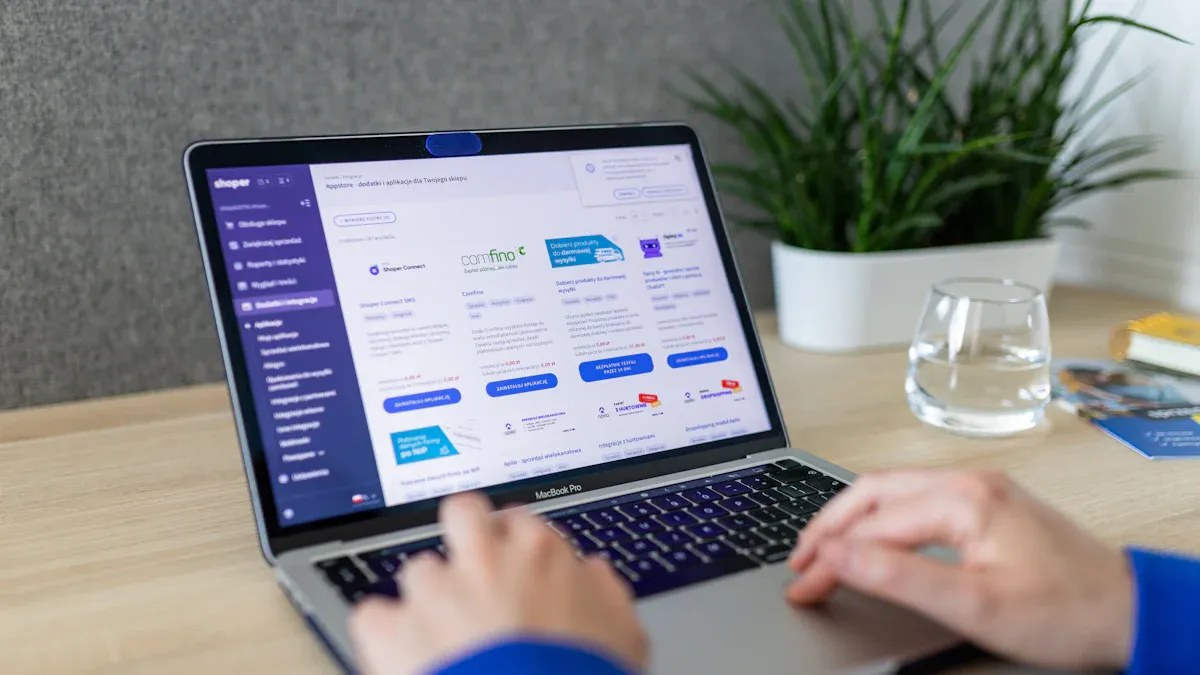
Predictive analytics in retail uses customer data and algorithms to forecast future outcomes. Its goal is helping the retail sector make smarter decisions, creating a better experience for the customer. This predictive power is seen in Esl Retail systems. The growth of predictive analytics is significant, with the market expanding rapidly.
| Year | Market Size (USD Billion) | CAGR (%) |
|---|---|---|
| 2024 | 1.47 | N/A |
| 2025 | 1.72 | N/A |
| 2032 | 5.67 | 18.35 |
This predictive technology relies on rich data. Sources include the ESL Gateway AP which manages each ESL Price Tag. Electronic Shelf Labels provide real-time pricing data for analysis.
What Is Predictive Analytics in Retail?
Predictive analytics in retail is a strategic discipline. It uses advanced analytical techniques on large data sets to forecast future events. At its heart, this technology empowers the retail sector to move from reactive decision-making to proactive strategy, anticipating trends before they happen.
The Core Concept
The foundation of predictive analytics is built on two key components: historical data and the algorithms that interpret it.
Using Past Data to Predict the Future
Think of predictive analytics as a highly advanced form of pattern recognition. Every action you take while shopping, from clicks to purchases, creates a data point. The system collects this historical data from thousands or millions of shoppers. It then identifies subtle patterns and correlations. This process allows a retailer to make a strong predictive guess about what a customer might want or do next.
Note: The core principle is simple: past behaviors are often strong indicators of future actions. The technology just applies this logic at a massive scale with incredible speed and accuracy.
Algorithms and Machine Learning Explained
Algorithms are the engines that drive this predictive process. They are sets of mathematical rules and statistical models programmed to analyze data and produce an outcome. Machine learning takes this a step further. It enables these algorithms to “learn” from new data without being explicitly reprogrammed. Each new interaction refines the model, making its future predictions progressively more accurate and relevant.
The Goal for Retailers
For businesses, the implementation of predictive analytics is not just a technological upgrade; it is a fundamental shift in operational strategy. The primary goals are to understand shoppers deeply and make smarter, data-driven business decisions.
Understanding Customer Behaviors
A key objective is to gain a comprehensive understanding of customer behaviors. This goes beyond knowing what was purchased. It seeks to understand why a purchase was made, what influences a decision, and what a shopper is likely to do next. Leading companies use this to create highly tailored experiences.
| Retailer | Predictive Analytics Application |
|---|---|
| Amazon | Personalized online shopping experience, real-time offers, and incentives for frequent buying. |
| Sephora | In-store consultations and makeovers, app features for checking item stock, booking appointments, and providing makeup artists with customer profile data. |
| Auchan | Geo-tracking app for recommending nearby stores and providing in-store product recommendations (e.g., similar products when scanning a barcode). |
| Microsoft Cloud for Retail | Intelligent Recommendations service offering personalized product recommendations, telemetry insights, and features like ‘shop similar looks’ and ‘real-time’ recommendations. |
Making Smarter Business Decisions
Ultimately, understanding customer behaviors allows the retail industry to operate more efficiently and profitably. Predictive analytics in retail helps achieve several critical business objectives:
- Reduce rates of stock issues, such as sold-out or overstocked products.
- Engage customers more effectively through personalized marketing and offers.
- Improve supply chain efficiency.
- Improve sales, profit margins, or revenue by a specific amount.
By leveraging predictive insights, retailers can align their inventory, marketing, and operations directly with anticipated consumer demand.
The Data Powering Predictive Analytics
Effective predictive analytics relies on vast and varied information. This information comes from two primary areas: your individual actions and broader market trends. The system combines these sources to build a comprehensive predictive model.
Your Digital Footprint
Every interaction you have with a retailer creates a trail of data. This digital footprint is a valuable resource for understanding your personal preferences and shopping habits.
Browsing History and Clicks
Retailers meticulously track your online behaviors. This includes the products you view, the links you click, and how you navigate their website. Even items you add to your cart and later remove provide important signals. This shopper-level data helps build a profile of your immediate interests and how you interact with the brand.
Past Purchases and Wish Lists
Your transaction history is one of the most powerful data points. It shows what you bought, when you bought it, and which channel you used. Retailers use identity resolution, often linking your email or customer ID, to connect your online activity with your in-store purchases. This creates a unified profile, giving the retail business a 360-degree view of your preferences and enabling more intelligent predictive models.
Broader Data Sources
Predictive analytics in retail extends far beyond a single customer. It incorporates large-scale data sets to understand the market environment and anticipate shifts in demand.
Historical Sales Trends
Past performance is a key indicator of future results. Retailers analyze historical sales data to identify patterns, cycles, and seasonal demand. This quantitative forecasting uses statistical models to create a baseline prediction for future sales.
We use up to three years of data, averaged at product level, along with lead time as the basis of the demand forecasting formula. When you have this data, you can then add factors like plans to increase sales, or the input from your marketing team, to understand how demand will change so you can prepare your supply on time. — Sissy McQuaig, COO of Industry West
External Factors like Seasons and Holidays
External events significantly influence consumer spending. Predictive analytics models incorporate a wide range of external data to refine their forecasts. This includes everything from major holidays to local concerts and weather patterns. By analyzing these variables, a retailer can make smarter adjustments to inventory and marketing.
| Category | Key Sources | Data Type/Features |
|---|---|---|
| Demand Intelligence | PredictHQ | Verified event data (e.g., concerts, sports), demand impact scoring |
| Geospatial & Mobility | SafeGraph, Google Maps | Foot traffic data, mobility patterns, ideal location identification |
| Consumer Behavior | Nielsen, Experian | Purchase trend analysis, demographic profiling, brand sentiment |
| Weather | PredictHQ | Severe weather event data, demand prediction for seasonal products |
How Predictive Analytics Shapes Your Shopping Journey

Predictive analytics operates beyond the back-end systems of a retail business. It actively influences and customizes your shopping experience from the moment you open a website or enter a store. This technology is the invisible hand guiding you toward products, prices, and promotions tailored specifically for you.
Personalized Product Recommendations
Personalization is one of the most visible applications of predictive analytics in retail. The goal is to transform a generic catalog into a curated boutique experience, making discovery easier and more relevant.
“Customers Also Bought” Sections
This familiar feature is a classic example of a predictive model at work. The system analyzes millions of transactions to identify products that are frequently purchased together. It then presents these items to you, anticipating a potential need you may not have considered. The effectiveness of this strategy is significant. Nearly 45% of online shoppers are more likely to purchase from websites offering personalized recommendations.
Impact on Conversions: Data shows that personalized recommendations can increase conversion rates by an impressive 288% compared to generic suggestions. Furthermore, a remarkable 92% of customers report being influenced by personalized shopping cart recommendations.
Tailored Email and App Suggestions
Personalization extends far beyond the product page. Retailers use your data to customize marketing communications, ensuring the content you receive is valuable. Companies like Spotify have set a high standard for this, using AI to personalize music and podcast suggestions. This has created a consumer expectation for a similar level of curation in the retail sector.
Leading retail brands have adopted this model to great effect:
- Thrive Market uses an onboarding quiz and dynamic web content to master one-to-one curation. It tailors the shopping experience based on dietary restrictions and preferences.
- Amazon provides sizing recommendations based on a customer’s past purchases. This simple predictive insight increases confidence and reduces returns.
- Fabletics displays a user’s loyalty points balance with clear calls to action, using personalization to drive engagement and repeat purchases.
Dynamic Pricing and Promotions
Pricing is no longer a static element. Predictive analytics enables retailers to adjust prices and offers in real-time based on a complex set of variables, ensuring competitiveness while maximizing value for both the business and the shopper.
Real-Time Price Adjustments
Dynamic pricing uses algorithms to modify product prices based on supply, demand, competitor pricing, and even the time of day. This strategy allows a business to remain agile in a fast-moving market. For example, the price of a popular electronic item might decrease slightly during off-peak hours to stimulate sales. The financial impact is substantial, as AI-powered dynamic pricing can boost profit margins by up to 25%.
This profit increase is achieved through several coordinated actions:
- Price Optimization at Scale: AI adjusts prices for thousands of products simultaneously.
- Demand-Based Pricing: Prices rise during high demand and are reduced during lulls to maintain volume.
- Competitive Intelligence: Real-time monitoring of competitors ensures prices are competitive yet profitable.
- Customer Segmentation: Algorithms identify different customer groups and their price sensitivity.
Companies like Uber and Airbnb are well-known for this model, where prices shift based on traffic, local events, or booking demand. Even Major League Baseball (MLB) uses dynamic pricing for tickets based on team performance and weather conditions.
Discounts and Offers Just for You
Predictive models also excel at identifying which shoppers are most likely to respond to a discount. Instead of offering a blanket promotion to everyone, a retailer can send a personalized coupon to a specific customer who has shown interest in a product but has not yet purchased it.
Retail giants like Amazon and MediaMarkt leverage this capability extensively. They use it to manage inventory, increase sales during peak periods like Black Friday with time-limited deals, and send personalized discounts based on an individual’s shopping history. This targeted approach makes promotions feel more like a personal perk than a mass-marketed gimmick.
Targeted Ads You Actually Find Useful
Predictive analytics is transforming advertising from a disruptive annoyance into a helpful service. By forecasting your interests and needs, it allows brands to show you ads for products you are genuinely likely to want.
Relevant Social Media Ads
Social media platforms are powerful engines for predictive advertising. They analyze user behavior—likes, shares, follows, and clicks—to build a detailed interest profile. This allows a skincare brand, for instance, to show its anti-aging products specifically to consumers who have shown interest in that category.
This technology also helps in several other ways:
- Preventing Ad Fatigue: It tracks ad exposure and adjusts frequency to keep users engaged without feeling overwhelmed.
- Optimizing Ad Spend: A beverage brand can increase ad spending in warmer regions during the summer, aligning its budget with estimated demand.
- Dynamic Creative Optimization (DCO): The system can test and select the best ad image, text, and call to action in real-time for each individual viewer, maximizing relevance.
Smarter Search Engine Results
When you search for a product online, predictive analytics works to deliver not only relevant organic results but also highly targeted ads. Google’s AI-powered tools can predict consumer behavior with up to 85% accuracy, ensuring the ads you see align with your search intent. This is far more effective than traditional advertising, where only 36% of TV ad impressions reach the intended audience.
The result is a more efficient and less frustrating search experience. If you search for “running shoes for trails,” the ads you see will be for durable, outdoor-focused footwear rather than generic sneakers. This alignment of intent and advertising is a core benefit, saving you time and connecting you directly with the right products.
Behind the Scenes: A Smoother Retail Experience
While personalized ads and recommendations are highly visible, predictive analytics also works quietly in the background. It optimizes the core operations of a retail business. These behind-the-scenes improvements create a more seamless and reliable shopping experience for every customer.
Smarter Inventory Management
Effective inventory management is crucial for retail success. Predictive models forecast demand with remarkable accuracy, ensuring products are available when and where you want them.
Preventing “Out of Stock” Frustration
Nothing is more disappointing than finding an empty shelf where your desired product should be. Predictive analytics directly addresses this issue by forecasting future sales. This allows retailers to order the right amount of stock at the right time. The impact is significant.
- Businesses using predictive inventory solutions have seen stockouts reduced by up to 35%.
- These systems can also lower inventory holding costs by 20-50% by preventing overstock situations.
Ensuring Products Are in the Right Store
A retailer must also stock the right products for each specific location. Major companies like Walmart use AI to analyze regional market needs. This ensures stores in warmer states have plenty of pool toys, while locations in colder climates are stocked with sweaters. Target also uses advanced algorithms to manage its inventory for a large portion of its product assortment, considering factors like supply lead times and transportation costs. This predictive capability gets the right products closer to the customer.
Optimizing Store Layout and Design
The physical layout of a store heavily influences your shopping journey. Data analysis helps retailers design spaces that are both intuitive and efficient.
Designing for an Easy Shopping Flow
Retailers use foot traffic analytics and heatmaps to visualize how shoppers move through a store. This data reveals popular paths, areas of congestion, and underutilized zones. By analyzing these patterns, a store can redesign its layout to create a smoother, more logical shopping flow. This reduces friction and makes finding what you need much easier.
Strategic Product Placement
Heatmap analysis also informs strategic product placement. If data shows most people turn right upon entering, a retailer can place high-margin or new items in that high-visibility area. Conversely, if a back corner is consistently ignored, placing a popular, high-demand product there can draw traffic to that zone. This data-driven approach helps you discover products while optimizing the store’s performance.
Improving Customer Service
Excellent customer service often means solving a problem before it occurs. Predictive analytics gives support teams the foresight to act proactively.
Anticipating Customer Needs and Issues
By analyzing past purchases and interactions, a company can anticipate future needs. A customer who buys a complex piece of electronics might receive a follow-up email with setup guides. Someone who repeatedly views a product category might be a good candidate for a helpful consultation.
Providing Proactive Support
This anticipation enables proactive support. Instead of waiting for you to report an issue, a company can reach out with helpful tips or check in to ensure a recent purchase is working correctly. This transforms customer service from a reactive function to a proactive, value-added part of the shopping experience.
The Key Benefits of Predictive Analytics for Shoppers
Predictive analytics in retail is not just a tool for businesses; it is an engine for creating a superior shopping experience. The technology directly translates into tangible advantages for you, the shopper. These benefits make your journey more convenient, affordable, and enjoyable. The ultimate goal of this retail technology is a happier, more satisfied consumer.
A More Relevant and Personal Experience
The most immediate benefit is a shopping environment that feels like it was designed just for you. Predictive analytics cuts through the clutter of endless options.
Saving Time and Reducing Effort
Modern online stores contain thousands of products. Finding the right one can be overwhelming. This technology saves you time by acting as a digital curator. It analyzes your behavior to understand your tastes. Then, it pushes the most relevant items to the forefront. You spend less time scrolling through irrelevant products and more time considering items you actually want. This reduces decision fatigue and makes shopping a faster, more efficient process. ⏱️
Discovering New Products You’ll Love
A great shopping experience often includes the joy of discovery. Predictive models excel at this. The system connects you with items you might not have searched for but are likely to enjoy. It identifies patterns in your interests and connects them to other products or brands. This is like having a personal shopper who understands your style and introduces you to new things, making your experience more exciting and personalized.
Access to Better Prices and Deals
Predictive analytics also works to ensure you get the best possible value. It helps retailers move beyond one-size-fits-all pricing and promotions.
Receiving Personalized Offers
Retailers use predictive models to understand which offers will be most appealing to you. Instead of seeing generic banner ads for a site-wide sale, you might receive a targeted discount on an item you viewed several times. This makes promotions feel more relevant and valuable.
Predictive analytics helps retailers identify customers who are likely to stop buying or unsubscribe from services. By analyzing factors such as purchase frequency, spending habits, and engagement, retailers can take preventive measures, like offering discounts or loyalty rewards, to retain high-value customers.
Maximizing Loyalty Rewards
Effective loyalty programs are built on a deep understanding of shopper behavior. A predictive model helps a retailer understand what truly motivates each customer. This allows them to create more meaningful and effective rewards. These systems help:
- Identify loyal customers and develop strategies to retain them.
- Determine a product’s appeal to different customer groups for better pricing.
- Uncover the motivations behind purchases to drive more sales.
- Detect early warning signs of churn to implement retention strategies.
This data-driven approach ensures the rewards you earn are genuinely rewarding, strengthening your connection to the brand.
Improved Product Availability
One of the biggest frustrations in shopping is not being able to buy what you want. Predictive analytics works behind the scenes to solve this problem.
Finding What You Need, When You Need It
Retailers use predictive forecasting to anticipate demand for products. This ensures they order the right amount of inventory at the right time. The result for you is a much lower chance of encountering an “out of stock” sign. This improved availability is a direct outcome of smarter supply chain management.
- Automated systems can reduce stock-outs by 30%.
- Advanced RFID automation may reduce stock-outs by up to 50%.
- Maintaining a data-driven safety stock can lower stock-outs by 25-40%.
Less Shopping Frustration
Ultimately, better inventory management leads to a smoother, more reliable shopping journey. You can shop with confidence, knowing the products you are looking for are likely to be available. This reduces wasted trips to physical stores and eliminates the disappointment of finding an item sold out online. It creates a seamless experience from discovery to purchase.
The Ethical Side of Predictive Analytics
While predictive analytics offers immense benefits, it also raises important ethical questions. The technology relies on your personal information. This creates a responsibility for the retail industry to use that information ethically and transparently. Understanding these issues empowers you to be a more informed digital citizen.
Understanding Data Privacy
Data privacy is the cornerstone of ethical analytics. It centers on how your personal information is collected, used, and protected.
What Data Is Being Collected?
Retailers collect a wide range of data to power their predictive models. This includes your browsing history, purchase records, and even location information. Best practices require businesses to be transparent about these activities. They must clearly define what types of data are collected and for what purpose, such as personalization or service optimization. This information should be easily accessible in their privacy policies.
Your Rights and Control Over Your Data
You are not powerless in this exchange. Major regulations give you significant control over your personal data. These laws ensure that your privacy is a priority.
Key regulations like the General Data Protection Regulation (GDPR) in Europe and the California Consumer Privacy Act (CCPA) establish your rights. They empower you to manage your information.
These laws provide several key protections:
- Right to Know: You can ask a company what personal data it has collected about you.
- Right to Delete: You have the right to request the deletion of your personal information.
- Right to Opt-Out: You can stop businesses from selling your data.
- Transparency: Companies must be clear about how they process and secure your information.
The “Filter Bubble” Effect
Personalization is helpful, but it has a downside. It can create a “filter bubble” that limits your exposure to new ideas and products.
The Risk of Limited Discovery
Algorithms are designed to show you more of what you already like. This can reinforce existing biases and narrow your worldview. Studies show that this algorithmic filtering can limit your knowledge base by reducing exposure to diverse viewpoints. You may become stuck in a cycle of seeing the same types of products, which reduces your autonomy and opportunities for genuine discovery.
How to Broaden Your Horizons
You can take steps to pop the filter bubble. Try searching in incognito mode, clearing your cookies, or intentionally browsing categories you normally ignore. Following diverse accounts on social media can also introduce new perspectives and products into your feed.
The Question of Algorithmic Fairness
An algorithm is only as fair as the data it is trained on. This raises concerns about whether everyone is being treated equally.
Is Everyone Seeing the Same Price?
Dynamic pricing can sometimes lead to price discrimination. In some documented cases, loyal customers have been charged more than new ones for the same product. For example, a 2008 study found that over half of Chinese consumers experienced algorithmic price discrimination. Amazon also faced criticism in 2000 for pricing DVDs differently based on user behavior.
Ensuring Fairness in Pricing
Ensuring fairness is a major challenge for the retail sector. It requires constant auditing of pricing algorithms to identify and correct biases. As a consumer, being aware that prices can vary is important. Comparing prices across different sites or using different accounts can sometimes reveal these discrepancies.
Predictive analytics is the invisible engine driving modern retail. Its predictive power anticipates your needs. This creates a more personal and efficient shopping journey for everyone. The technology’s predictive capabilities will continue to evolve, further shaping the future of shopping. This ongoing advancement promises an even more seamless and intelligent consumer experience.
FAQ
What is predictive analytics in simple terms?
It is technology using past data to forecast future shopping behavior. Retailers analyze your clicks and purchases to guess what you might want next. This process helps them personalize your experience and make smarter business decisions.
How does predictive analytics save me money?
The system identifies your interest in specific products. It can then send you personalized discounts or special offers. This targeted approach ensures you receive relevant deals, helping you purchase items you want at a better price.
Is my personal data secure with retailers?
Reputable retailers must follow data protection laws like GDPR and CCPA. They use encryption and other security measures to protect your information. However, the level of security can vary between different companies.
Can I stop retailers from using my data?
Yes. Privacy laws give you the right to opt out of data collection and sales. You can usually manage your preferences in your account settings or through the company’s privacy policy page. ⚙️
Does this technology only apply to online shopping?
No. Brick-and-mortar stores use it to manage inventory, optimize store layouts, and even power in-store digital displays. Your in-store purchases are often linked to your online profile, creating a unified customer view for the retailer.
Why do ads for a product follow me online?
This is called retargeting. A predictive model identifies your interest when you view a product. It then instructs ad networks to show you that same product on other websites or social media to encourage a purchase.
Is it fair for prices to change based on who is looking?
This practice, known as dynamic pricing, is controversial. While it helps retailers manage demand, it can lead to price discrimination. Industry ethics and regulations are still evolving to ensure fairness for all consumers.
See Also
Page Not Found: Navigating The Digital Abyss Of Missing Content