
Retail advertising is a promotional strategy used by retailers to drive immediate sales. Its primary goal is to place messages at or near the point of purchase. This retail marketing discipline encompasses online channels and offline environments. In-store promotions can include modern Esl Retail solutions like the ESL Price Tag, managed by an ESL Gateway AP. Unlike brand advertising, retail advertising focuses on generating a direct transactional response. For example, Sponsored Product ads often yield higher conversion rates than brand-awareness campaigns. The global commitment to this strategy is clear, with digital retail media spending surpassing $150 billion.
Note: The use of in-store technology like Electronic Shelf Labels is a growing part of modern retail advertising, directly influencing consumer decisions at the shelf.
What Is Retail Advertising and Why Is It Different?
Retail advertising is a distinct discipline of retail marketing designed with one primary objective: to persuade a consumer to make a purchase now. Unlike broader brand-building efforts, its success is measured by its direct impact on transactions. This focus on immediacy fundamentally separates it from other forms of advertising.
The Core Purpose: Driving Immediate Sales
The ultimate goal is converting a browser into a buyer as quickly as possible. This is achieved by creating a sense of urgency and providing a clear path to purchase.
Focus on Point-of-Purchase Conversion
One of the core functions of retail advertising is to influence decisions at the critical moment of purchase. This can happen online or in a physical store. The strategy is built around closing the gap between interest and action. Key elements include:
- Urgency: Using time-sensitive language like “Limited-Time Offer” or “Sale Ends Sunday.”
- Clarity: Presenting a specific product with a clear price and benefit.
- Convenience: Making the purchase process simple and frictionless.
Promotion of Specific Products and Offers
This strategy excels at promoting products with targeted campaigns. A specialty food brand, for instance, used a premium homepage placement on a grocery retail media network to drive immediate sales. The campaign generated over $196,000 in attributed sales and a 4.4x return on ad spend by highlighting a specific product during a peak demand period. Similarly, brands like Aperol have increased purchase intent by over 3.7x using shoppable ads across social media and email, often linking directly to a retailer’s site with a special offer.
Key Differentiators from Brand Advertising
While brand advertising builds long-term equity and awareness, retail advertising is tactical and action-oriented. Understanding the key functions of retail advertising helps clarify this distinction.
Emphasis on Retailer Over Manufacturer
A key difference is the focus on the place of purchase. A manufacturer might run a national campaign for a new soda (brand advertising). In contrast, a grocery store will run a local ad promoting that same soda on sale this week (retail advertising). The message is not just “buy this product,” but “buy this product here, now.”
Call to Action for Immediate Purchase
Every piece of retail advertising contains a direct and unambiguous call to action (CTA). This is one of the most important functions of retail advertising, as it guides the customer toward the final transaction.
Common CTAs in Retail Advertising:
- Buy Now
- Add to Cart
- Shop the Sale
- Get Coupon
- Find a Store Near You
Modern campaigns even embed these CTAs directly into content. For example, a QR code on a Times Square billboard can make the advertisement instantly shoppable, turning a moment of awareness into a direct sale.
Proximity to the Transaction Point
Effective retail advertising meets customers where they are closest to making a purchase. Digitally, this means placing ads on a retailer’s website or app. Physically, it means influencing shoppers in the aisle. PetIQ demonstrated this by using a full-funnel ad strategy that resulted in a 52% increase in offline sales and a 26% lift in foot traffic to retail locations. This approach proves that a well-executed campaign is highly effective at generating sales and revenue by bridging the online and offline worlds.
The Main Types of Retail Advertising

Retail advertising leverages a diverse mix of channels to reach consumers. These methods are broadly categorized into traditional and digital approaches. A successful retail marketing strategy often combines elements from both categories to create a comprehensive plan that engages customers at multiple touchpoints. Understanding these types is the first step toward building an effective campaign.
Traditional Advertising Methods
Traditional methods are the foundational pillars of retail advertising. They have proven their value over decades. These channels are excellent for building local awareness and driving customers to physical stores.
In-Store Displays and Signage
This is advertising at the final frontier: the point of purchase. In-store materials capture shopper attention and influence last-minute decisions. Effective displays can turn a browsing trip into a buying one.
- Point-of-Purchase (POP) Displays: Freestanding displays, often provided by manufacturers, that highlight a specific product.
- End-Cap Displays: Prime real estate at the end of aisles used for promotions or new items.
- Window Clings and Banners: Attract foot traffic from outside the store with bold offers.
- Shelf Talkers: Small signs attached to shelves that call out a price, feature, or promotion.
Print Media: Flyers and Circulars
Weekly flyers and newspaper circulars are classic retail advertising examples. Grocery stores, pharmacies, and big-box retailers use them to announce weekly specials, discounts, and limited-time offers. Their primary function is to drive in-store traffic by giving customers a tangible reason to visit. A well-designed circular bundles multiple offers, encouraging shoppers to plan their entire trip around a single retailer.
Broadcast: TV and Radio Spots
Television and radio remain powerful tools for reaching a broad, local audience. A retailer can use a TV spot to visually showcase products for a seasonal sale. Radio ads are effective at reaching commuters with timely promotions, like a lunch special or an after-work deal. The key to broadcast is high-frequency messaging targeted at specific times of day to capture listener and viewer attention.
Direct Mail and Outdoor Billboards
Direct mail and billboards are all about location-based targeting. Direct mail, such as postcards or catalogs, allows a retailer to target specific neighborhoods or demographics with personalized offers. Outdoor billboards, placed in high-traffic areas, build brand visibility and can direct drivers to a nearby location.
Pro Tip for Billboards: The message must be simple and instantly readable. A driver only has a few seconds to see it. Focus on a brand name, a single compelling image, and a clear directional cue (e.g., “Exit 5, Next Right”).
Digital Advertising Methods
Digital advertising has transformed the retail landscape. It offers precise targeting, real-time measurement, and interactive capabilities that traditional methods cannot match. This is where modern retail advertising truly shines.
Search Engine and Social Media Ads
These channels allow retailers to reach customers based on intent and interest. Search engine ads capture users who are actively looking for products. Social media ads find potential buyers based on their behaviors and demographics. These digital retail advertising formats are essential for a modern strategy.
| Channel | Primary Use Case | Best For |
|---|---|---|
| Search Engine Ads | Capturing active purchase intent. | Promoting specific products a user is searching for (e.g., “red running shoes”). |
| Social Media Ads | Generating awareness and demand. | Targeting users based on interests, life events, or past brand interactions. |
Email and Mobile Marketing
Email and mobile represent a direct line of communication to the customer. These channels are ideal for nurturing loyalty and driving repeat purchases with personalized offers. Many brands have found immense success by integrating mobile experiences into their campaigns. These retail advertising examples show the power of a well-executed mobile strategy:
- Adidas launched a mobile campaign to drive traffic to its physical stores. The campaign used video and banner ads to target users near a specific location for an in-store event. It achieved a 680% incremental increase in mobile ROI by successfully linking digital ads to in-store visits.
- Domino’s Pizza created the ‘Piece of the Pie Rewards’ program within its mobile app. Customers could scan pizzas to earn points toward a free pizza. This gamified loyalty program helped increase sales by 19% and grew its customer base to over 25 million members.
- Wendy’s used the game streaming platform Twitch to connect with a younger audience. The brand created a character resembling its logo and live-streamed a story within the popular game Fortnite, injecting its brand directly into the culture of its target demographic.
In-Store Digital Kiosks and Screens
This method bridges the gap between the physical and digital worlds. In-store digital screens can display dynamic promotions, replacing static posters. Interactive kiosks allow customers to look up product information, check inventory, or even place an order for an out-of-stock item. This technology enhances the shopping experience and provides another opportunity for targeted retail advertising right in the aisle.
How to Create a Retail Advertising Strategy
An effective retail advertising campaign doesn’t happen by chance. It is the result of a deliberate and well-structured marketing strategy. This process involves understanding your customer, setting clear goals, and allocating resources wisely. Following these steps ensures your efforts are focused and your budget is spent efficiently. The core functions of retail advertising are best served by a strategic foundation.
Step 1: Define Your Target Audience
The first and most critical step is to know exactly who you are talking to. A message intended for everyone resonates with no one. Defining your audience allows you to tailor your creative, offers, and channel selection for maximum impact. This is a fundamental part of engaging target audience members effectively.
Creating Customer Personas
Customer personas are semi-fictional representations of your ideal buyers. They are based on market research and real data about your existing customers. Personas help you humanize your audience, making it easier to craft relevant messages. For example, major retailers build their entire brand experience around specific personas:
- Target focuses on a younger, trend-conscious customer who values style at an affordable price.
- Walmart caters to a more value-driven shopper who prioritizes the best possible deal.
Creating a detailed persona involves more than just demographics. It includes motivations, pain points, and shopping habits.
Analyzing Purchase Behavior
Understanding what, when, where, and why your customers buy is essential. Analyze sales data to identify patterns. Do certain products sell better on weekends? Do customers bundle specific items together? This analysis reveals opportunities. For instance, a customer who frequently buys organic produce might be receptive to ads for a new line of natural cleaning products. This data-driven approach is one of the most important functions of retail advertising.
Step 2: Set Clear Advertising Objectives
Your retail advertising efforts must have a purpose. Vague goals like “increase sales” are not actionable. You need specific, measurable objectives to guide your strategy and evaluate its success.
Establishing SMART Goals
A powerful framework for setting objectives is the SMART criteria: Specific, Measurable, Achievable, Relevant, and Time-bound. This transforms a general goal into a clear target.
SMART Goal Example: Instead of “Sell more shoes,” a SMART goal would be: “Increase online sales of our new running shoe line by 15% over the next 90 days by running targeted social media ads and an email campaign.”
Identifying Key Performance Indicators (KPIs)
KPIs are the specific metrics you will use to track progress toward your SMART goals. They are the tangible measures of success. For the goal above, relevant KPIs would include:
- Return on Ad Spend (ROAS)
- Website Conversion Rate
- Click-Through Rate (CTR) on ads
- Customer Acquisition Cost (CAC)
Step 3: Allocate Your Budget
A clear budget is necessary to execute your strategy. Knowing how much you can spend and where to spend it prevents overspending and ensures resources are directed toward the most effective channels. This is one of the key functions of retail advertising management.
Common Budgeting Models
Retailers use several methods to determine their advertising spend. Common models include:
- Percentage of Sales: Allocating a fixed percentage of past or projected sales revenue.
- Competitive Parity: Matching the spending levels of direct competitors.
- Objective and Task: Defining goals first and then calculating the cost to achieve them. This is often the most effective model.
Allocating Spend Across Channels
The modern retail advertising landscape is heavily skewed toward digital. Data shows that digital channels command nearly 83% of retail ad spending, while traditional channels receive about 17%.
| Channel | Retail Ad Spending Percentage |
|---|---|
| Digital | 82.9% |
| Traditional | 17.1% |
Your specific allocation will depend on your target audience and objectives. If your goal is to drive foot traffic to a new local store, a mix of local search ads, social media geo-targeting, and direct mail might be appropriate. If you are an e-commerce pure-play, your budget will likely be almost entirely digital.
Core Strategies for Effective Retail Advertising

A well-defined plan is only the beginning. Executing a successful retail advertising campaign requires implementing proven strategies that connect with modern consumers. The most effective approaches are integrated, data-driven, and customer-centric. They bridge the gap between online and offline worlds to create a cohesive and compelling shopping experience.
Implement an Omnichannel Approach
Today’s shoppers do not see channels; they see a brand. An omnichannel approach recognizes this reality by creating a single, unified experience across all touchpoints. This marketing strategy is crucial for building customer loyalty. Companies with strong omnichannel customer engagement retain 89% of their customers, compared to just 33% for companies with weak implementation.
Unify Messaging Across Online and Physical Stores
Consistent messaging is the foundation of an omnichannel strategy. The promotion featured on your website should match the signage in your physical store. The tone of your social media posts should align with the service provided by your in-store associates. This consistency builds trust and reinforces your brand identity. Retailers engaging consumers across three or more channels see 250% more engagement than single-channel retailers. This highlights the power of a unified voice.
Create a Seamless Customer Journey
A seamless journey allows shoppers to move effortlessly between online and offline environments. This integration directly impacts revenue and retention. Omnichannel shoppers have a 30% higher lifetime value than those who shop on a single channel. Leading retailers demonstrate how this works in practice:
- Sephora integrates its mobile app and website with its physical stores. A customer can browse products online, check in-store availability, and then use the app to access reviews while shopping.
- Amazon has mastered the post-checkout journey. It allows customers to pick up online orders from secure Amazon Hub lockers, blending digital convenience with physical accessibility.
- Burberry created a social-native product line called ‘B Series’. These limited-edition items were available exclusively through social channels like Instagram and WeChat, driving hype and creating a seamless path from discovery to purchase.
Leverage Personalization with Customer Data
Generic advertising no longer cuts it. Consumers expect messages and offers tailored to their specific needs and interests. Leveraging first-party customer data allows you to move beyond one-size-fits-all campaigns and deliver truly personalized retail advertising. This focus is key to engaging target audience members effectively.
Deliver Targeted Ads and Dynamic Content
Data on past purchases, browsing history, and location can power highly relevant advertising. This creates a more meaningful interaction with each customer. Retailers are using this strategy to great effect:
- Walmart uses location data to send mobile push notifications with offers relevant to a shopper’s nearest store.
- Shein segments its audience to provide targeted product recommendations. It shows ‘Customers Also Viewed’ suggestions based on an individual’s unique style preferences.
- Old Navy implements on-site messaging that suggests fashionable pairings based on the item a shopper is currently viewing, encouraging larger basket sizes.
Create Personalized Offers and Promotions
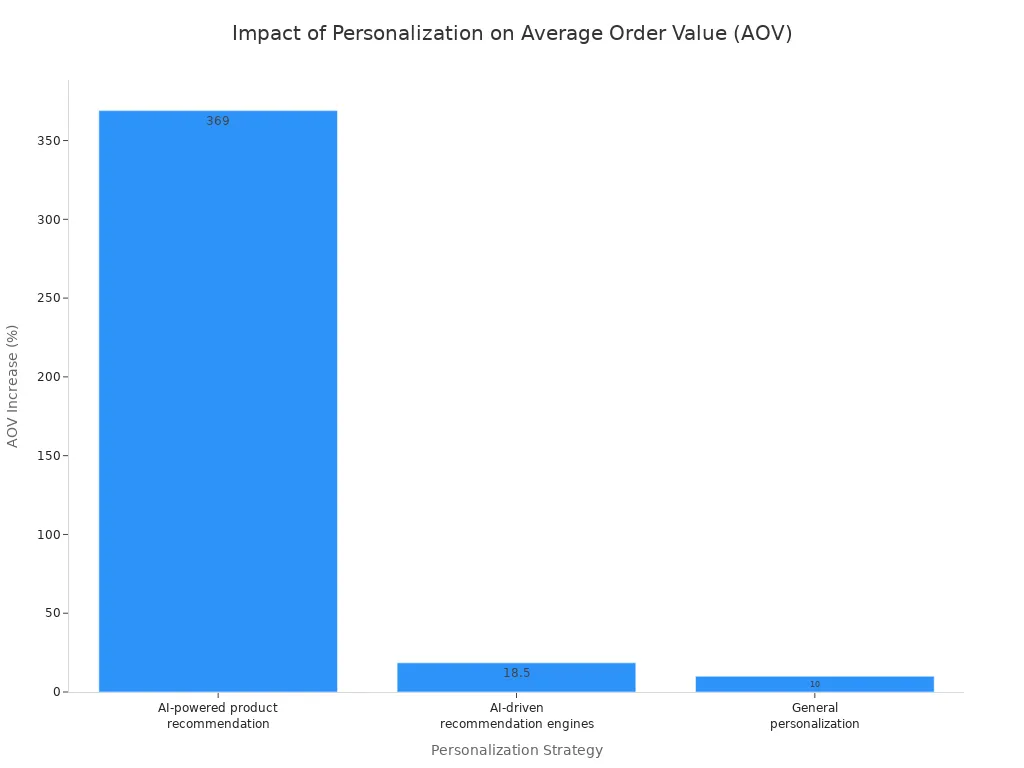
Personalization extends beyond ads to the offers themselves. Dynamic pricing, custom bundles, and exclusive discounts make shoppers feel valued and understood. The impact on sales is significant. For example, engaging with a single AI-powered product recommendation can increase average order value (AOV) by a staggering 369%.
| Strategy | Impact on Average Order Value (AOV) |
|---|---|
| General Personalization | 5-15% revenue increase |
| AI-Driven Recommendation Engines | 15-22% AOV increase |
| Single AI Product Recommendation | 369% AOV increase |
Google Play Books demonstrates this well. It sends targeted discounts via email when an item on a user’s wishlist experiences a price drop, turning passive interest into an immediate sale.
Optimize the In-Store Experience
Even in a digital-first world, the physical retail environment remains a powerful advertising channel. The store is your most immersive brand experience. Optimizing it can drive sales, enhance brand perception, and encourage impulse purchases.
Strategic Product Placement and Merchandising
Where you place products matters. Effective merchandising guides the shopper, highlights key items, and makes the shopping experience more intuitive. Best practices are rooted in understanding shopper psychology.
- Place Essentials at the Back: Position high-demand items like milk or bread at the rear of the store. This forces shoppers to walk through other aisles, increasing exposure to more products.
- Use the “Golden Zone”: The shelf space at eye level is prime real estate. Place your best-selling and high-margin products here to maximize visibility and sales.
- Cross-Merchandise Complementary Items: Group related products together. Placing tortilla chips next to salsa and guacamole encourages customers to buy the complete set, increasing basket size.
- Leverage End Caps: The displays at the end of aisles are perfect for promotions, seasonal items, and new arrivals. Their high visibility makes them ideal for impulse buys.
Use Point-of-Sale (POS) Promotions Effectively
The checkout area is the final opportunity to influence a purchase. POS promotions are designed to trigger last-minute, impulse buys. Approximately 85% of impulse purchases are driven by a promotion. Effective tactics include:
- Urgency and Scarcity: Use signs like “Limited Stock” or “Today Only” to create a fear of missing out (FOMO).
- Emotional Appeal: Feature products that offer instant gratification, such as snacks, drinks, or small gadgets.
- Strategic Displays: Use countertop displays, shelf wobblers, and queue line merchandisers to make low-cost, high-impulse items impossible to ignore. These simple tools are a core part of in-store retail advertising.
How to Measure the Success of Your Campaigns
An effective retail advertising campaign is only as good as its results. Measuring success is not just about seeing an increase in sales; it is about understanding what worked, what did not, and why. A data-driven approach allows you to refine your strategy, optimize your budget, and prove the value of your marketing efforts. This process involves tracking specific metrics and using the right tools to gather insights.
Tracking Essential Retail KPIs
Key Performance Indicators (KPIs) are the quantifiable measures that show whether you are achieving your advertising objectives. Focusing on a few essential retail KPIs provides a clear picture of campaign performance.
Return on Ad Spend (ROAS)
ROAS is the most critical metric for evaluating the profitability of your retail advertising. It measures the amount of revenue generated for every dollar spent on advertising. A high ROAS indicates a successful and efficient campaign.
Formula:
ROAS = (Revenue from Ad Campaign / Cost of Ad Campaign)
For example, if you spend $1,000 on a campaign and it generates $5,000 in sales, your ROAS is 5x.
Customer Acquisition Cost (CAC)
CAC tells you how much it costs to acquire a new customer. This metric is vital for understanding the long-term sustainability of your advertising efforts. A successful strategy keeps CAC well below the lifetime value of a customer.
Conversion Rate (Online and In-Store)
The conversion rate is the percentage of people who take a desired action, such as making a purchase. This KPI can be tracked for both online and physical stores. A low conversion rate might signal issues with your ad creative, landing page, or in-store experience.
Foot Traffic and Dwell Time
For brick-and-mortar retailers, measuring physical store visits is crucial. Foot traffic data shows how many people an ad campaign drove to your location. Dwell time, or how long shoppers stay in the store, can indicate their level of engagement.
Using Analytics Tools for Measurement
Modern analytics platforms provide the data needed to track KPIs and understand campaign performance in detail. These tools are essential for any retailer looking to make informed decisions.
Google Analytics for Website Performance
Google Analytics is an indispensable tool for measuring the effectiveness of your digital campaigns. It provides deep insights into website traffic and user behavior. Retailers use it to track a wide range of metrics, including:
- Channel Performance: See which sources (organic search, social media, paid ads) drive the most traffic and revenue.
- E-commerce Tracking: Monitor transactions, product sales, and conversion rates.
- Customer Behavior: Analyze reports on new vs. returning visitors, site speed, and the pages where users enter and exit your site.
POS Systems for In-Store Sales Data
Point-of-Sale (POS) systems are the digital cash registers of modern retail. They do more than just process transactions; they capture valuable sales data. By integrating your POS system with your advertising platforms, you can directly attribute in-store purchases to specific campaigns.
Salesforce for Customer Insights
Platforms like Salesforce provide a 360-degree view of the customer. They consolidate data from sales, service, and marketing into a single profile. This allows you to track the entire customer journey, from the first ad click to the final purchase and beyond.
HubSpot for Lead Nurturing
HubSpot is a powerful tool for managing and nurturing leads, particularly for retailers with a longer sales cycle. It helps track interactions across email, social media, and your website, allowing you to score leads and automate personalized follow-up communications to guide them toward a purchase.
The Growing Importance of Retail Media Advertising
A major evolution in retail advertising is the rapid rise of retail media advertising. This strategy involves brands paying to advertise on a retailer’s website, app, or other digital platforms. The growth is explosive. Global retail media ad spend is seeing double-digit growth, with some forecasts projecting the market could surpass $179 billion by 2025. This shift is transforming how brands reach consumers and how retailers generate revenue. Understanding retail media advertising is now essential for any competitive marketing plan.
What Are Retail Media Networks (RMNs)?
Retail Media Networks are the platforms that facilitate retail media advertising. Retailers create these networks to sell digital ad space to brands, turning their e-commerce sites into powerful media channels.
Definition and Examples
An RMN is essentially a retailer’s in-house advertising business. It leverages the retailer’s digital real estate and customer data to offer targeted ad placements to brands. These are some of the most prominent retail advertising examples in the market today:
- Amazon Ads: The dominant force, capturing the majority of U.S. retail media ad spend.
- Walmart Connect: A powerful network known for its high ROI, leveraging vast online and in-store shopper data.
- Target’s Roundel: Utilizes shopper data for precise targeting on Target’s properties and across the web.
- Kroger Precision Marketing: A leader in the grocery space, offering unique in-store digital screen placements.
How RMNs Generate Revenue
Retail media advertising provides a highly lucrative revenue stream for retailers. Advertising revenue carries significantly higher profit margins than merchandise sales, often exceeding 50%. This allows a grocery chain, for instance, to generate substantial income by selling ad space to a cereal brand. This new income strengthens the retailer’s bottom line while helping brands connect with shoppers.
Benefits for Retailers and Brands
The ecosystem of retail media advertising offers compelling advantages for both the retailers who host the ads and the brands that buy them. The relationship is symbiotic, driving value for everyone involved.
Access to First-Party Customer Data
Brands gain access to a retailer’s rich, first-party data on shopper behavior. This data is invaluable for creating highly relevant campaigns. For example, the neighborhood network Nextdoor used its internal data to create an Insights Hub. This hub provided data-backed recommendations to advertisers, boosting credibility and increasing web page views by 197% year-over-year. This shows how data can prove a platform’s unique value to advertisers.
Advertising at the Digital Point of Sale
Retail media advertising places brand messages directly at the digital point of sale. An ad for a specific brand of coffee can appear as a sponsored product when a shopper searches for “coffee” on a retailer’s site. This proximity to the transaction is a core strength of retail media advertising, influencing the customer at the critical moment of decision.
Closing the Loop on Ad Spend and Sales
A key benefit of retail media advertising is its clear measurement capability. Because the advertising and the transaction occur on the same platform, brands can directly attribute sales to their ad spend. This “closed-loop” reporting provides a clear return on investment, a level of clarity that is often difficult to achieve with traditional retail advertising.
Future Trends Shaping Retail Advertising
The landscape of retail advertising is continuously evolving, driven by technological advancements that create more personal and immersive shopping experiences. Staying ahead of these trends is critical for connecting with the modern consumer. The future is defined by intelligence, interactivity, and immersion.
AI and Machine Learning for Hyper-Personalization
Artificial intelligence is moving retail advertising from broad segments to individual precision. It allows brands to deliver the right message to the right person at the perfect moment.
Predictive Analytics for Customer Behavior
AI algorithms analyze vast amounts of first-party data to anticipate shopper needs. This technology powers highly relevant campaigns by making autonomous decisions.
- AI adjusts recommendations and offers based on real-time browsing behavior.
- It can trigger a push notification when a customer enters a store.
- It predicts the optimal time to send an email for the highest open rate.
Automated Ad Creative and Bid Optimization
AI also automates the operational side of campaigns. It can serve ads to finely tuned lookalike audiences on platforms like Instagram and TikTok. This ensures budget efficiency and delivers hyper-personalized communication based on a user’s past brand interactions.
The Rise of Shoppable Content
The line between content and commerce is disappearing. Shoppable media turns moments of discovery directly into transactions, streamlining the path to purchase.
Shoppable Posts on Instagram and TikTok
Social commerce is a dominant force, with 82% of consumers now using social media for product discovery. Platforms like Instagram and TikTok are becoming virtual storefronts. Among Gen Z, 55% prefer TikTok for finding new products. This direct integration boosts customer engagement and reduces friction in the buying process.
Livestream Shopping Events
Brands are using live video to create interactive shopping experiences that drive massive sales. These events combine entertainment with exclusivity, generating urgency and high conversion rates.
| Brand | Notable Livestream Success |
|---|---|
| Aldo | Its first live event attracted 17,000 page views and achieved a 308% engagement rate. |
| KitKat | A Facebook Live campaign generated over one-third of the brand’s annual sales in Australia. |
Immersive and Experiential Technologies
Emerging technologies like augmented and virtual reality are transforming digital advertising. They offer practical and entertaining ways for customers to interact with products before buying. The market for these technologies is projected to exceed $300 billion by 2024.
Augmented Reality (AR) for Virtual Try-Ons
AR solves the “what will it look like?” problem for online shoppers. It can boost conversion rates significantly by building purchase confidence.
- Warby Parker lets users try on eyeglasses through their phone’s camera.
- IKEA Place allows customers to visualize how furniture will fit in their homes.
- Gucci uses AR so shoppers can see how new sneakers look on their feet.
Virtual Reality (VR) for Store Previews
VR technology is creating fully immersive virtual stores. The VR retail market is expected to reach nearly $24 billion by 2030. This allows shoppers to browse aisles and explore products from their homes, offering a new frontier for brand experiences.
Retail advertising is an essential discipline focused on driving sales through a dynamic mix of strategies. Success today relies on an omnichannel, data-driven, and personalized approach that meets customers where they are. Understanding core types, strategies, and emerging trends allows you to build effective campaigns for generating sales and revenue. This approach is also vital for building customer loyalty. Start by defining your target audience and business goals. Then, select a few key retail advertising strategies, like targeted social media ads, to test and optimize for growth.
FAQ
What is the main goal of retail advertising?
The primary goal is to drive immediate sales. Retail advertising places promotional messages near the point of purchase. This strategy encourages consumers to buy specific products or services right away. It focuses on generating a direct transactional response from the shopper.
How is retail advertising different from brand advertising?
Retail advertising focuses on driving immediate sales at a specific retailer. Brand advertising builds long-term awareness and loyalty for a product manufacturer.
Key Distinction: Retail ads say “Buy this product here, now,” while brand ads say “This is a great product.”
What is an omnichannel approach in retail?
An omnichannel approach creates a single, unified customer experience across all channels. It seamlessly connects a retailer’s physical stores, website, and mobile app. This consistency builds customer loyalty and increases engagement by providing a smooth journey for the shopper.
Why is personalization important for retail ads?
Personalization makes advertising more relevant to individual shoppers. It uses customer data to deliver targeted offers and product recommendations. This strategy significantly boosts engagement, increases conversion rates, and makes customers feel understood by the brand.
What does ROAS mean in advertising?
ROAS stands for Return on Ad Spend. It is a key performance indicator (KPI) that measures the revenue generated for every dollar spent on an advertising campaign. A high ROAS indicates a profitable and efficient campaign.
What are Retail Media Networks (RMNs)?
Retail Media Networks (RMNs) are advertising platforms created by retailers. They allow brands to buy ad space on the retailer’s website and app. This lets brands reach customers directly at the digital point of sale using the retailer’s first-party data.