
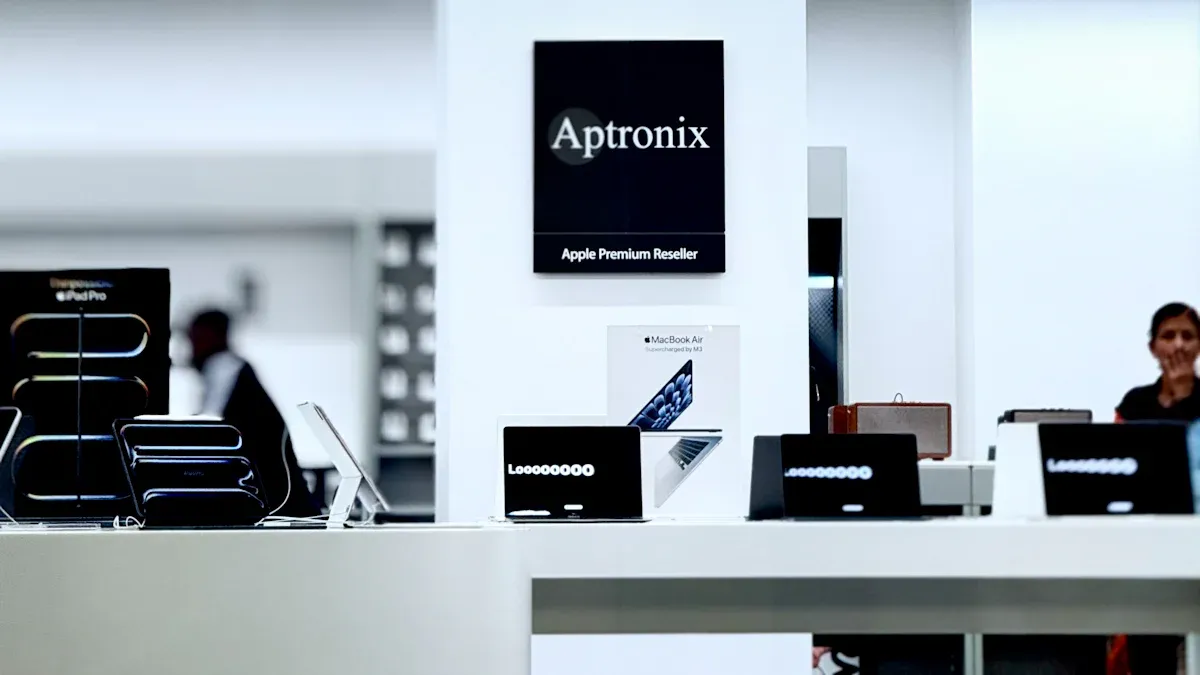
Effective retail marketing remains a critical function for business survival. This marketing discipline builds strong customer relationships. It delivers a superior customer experience that digital-only competitors cannot easily replicate. Modern retail success hinges on creating these unique connections with customers.
Note: Advanced tools now enhance this experience. Technologies like Electronic Shelf Labels, managed by an ESL Gateway AP, allow for dynamic updates on each ESL Price Tag. This capability defines the modern Esl Retail environment, enabling personalized shopping experiences and deeper engagement with customers. This strategic marketing approach is vital for any retail operation.
The Foundational Shift: Why Modern Retail Marketing Matters
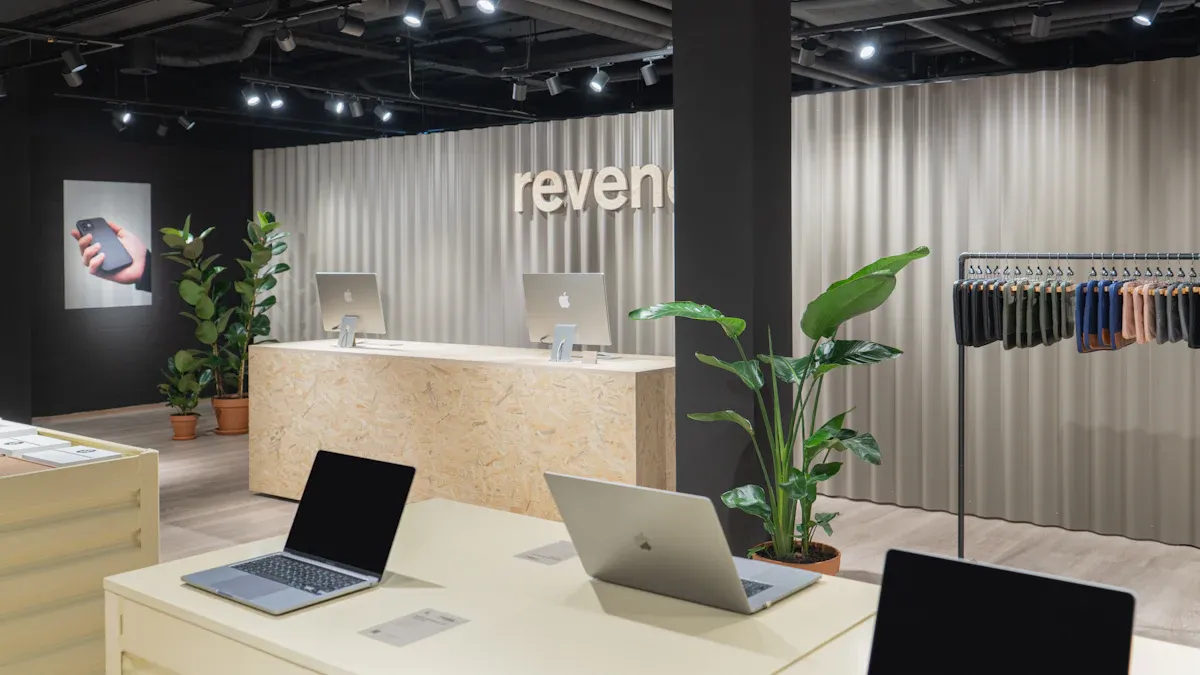
The landscape of retail has changed dramatically. Success in 2026 requires a fundamental shift in how brands approach their marketing and connect with shoppers. This new era prioritizes relationships over simple transactions.
Moving Beyond Transactional Relationships
The Failure of Price-Driven Mass Marketing
Traditional mass marketing strategies that relied heavily on price competition are losing their effectiveness. Today’s shoppers have less brand loyalty, often resulting in purely transactional relationships. A recent Sitecore study confirms this trend. It found that two-thirds of consumers have stopped shopping with a brand after a single poor experience. This data shows that competing on price alone is a fragile strategy. Customers will easily switch for a better deal or a better experience, making this form of marketing unsustainable for long-term growth.
The Rise of Relationship Commerce
The future of retail marketing lies in building authentic connections. While transactional loyalty has faded, the desire for connection has grown. The same study revealed that 70% of American customers crave deeper, more personal relationships with brands. This signals a clear demand for a new approach. Brands must now focus their marketing on creating value through empathy and transparency. This shift toward “relationship commerce” is essential for rebuilding loyalty and encouraging customers to return.
Building Defensibility in a Digital-First World
Creating Loyalty Amazon Can’t Copy
Physical retail brands can build a strong defense against digital-only giants. They can achieve this by creating unique value that large e-commerce platforms cannot easily replicate. This involves a strategic retail marketing approach focused on differentiation.
Key Defensive Strategies:
- Exclusive Products: Develop private labels with a distinct point of view or co-created collections with designers and influencers.
- Deep Personalization: Use first-party data to offer recommendations and promotions that reflect an individual’s specific preferences.
- Value-Driven Narratives: Build a brand story around sustainability and transparency, backed by real action.
These tactics help foster genuine customer loyalty that is not based on price or convenience alone.
Fostering Brand Community and Belonging
The most successful retail brands transform their stores and digital platforms into community hubs. This strategy turns passive customers into passionate brand evangelists. Companies like Nike and Patagonia excel at this. They build communities around shared values, such as environmental action or athletic achievement. They host in-store events, create interactive digital experiences, and encourage user-generated content. This powerful form of marketing creates a strong sense of belonging, making the retail brand an integral part of the customer’s lifestyle.
Driving Profitability with Strategic Customer Engagement

Effective retail marketing directly fuels profitability. Brands achieve this by focusing on strategic customer engagement. This approach moves beyond one-time sales to cultivate long-term value. Success in the modern retail environment depends on maximizing the worth of every customer relationship.
Boosting Customer Lifetime Value (CLV)
Focusing on Customer Lifetime Value (CLV) is a cornerstone of sustainable growth. Acquiring new customers costs 5 to 25 times more than retaining existing ones. A mere 5% increase in customer retention can boost profits by 25% to 95%. This data highlights a clear path to profitability. The marketing goal shifts from acquisition to maximizing the value of current customers.
The Power of Post-Purchase Communication
The customer journey does not end at the checkout. Thoughtful post-purchase marketing is essential for building loyalty. Follow-up emails, personalized offers, and requests for feedback make customers feel valued. This consistent communication encourages repeat visits. Earning just one extra visit per month from customers turns occasional shoppers into reliable regulars, significantly boosting CLV and creating predictable revenue.
Turning Staff into Brand Ambassadors
Well-trained employees are a powerful marketing asset. They transform a simple transaction into a memorable interaction. Staff who can offer expert advice and personalized service create a superior experience. This human touch fosters a strong connection that drives repeat business. Fully engaged customers are far more valuable than their non-engaged counterparts.
| Metric | Engaged Customers | Non-Engaged Customers |
|---|---|---|
| Purchase Frequency | 90% more | Base |
| Spend per Transaction | 60% more | Base |
| Annual Value | 3x higher | Base |
Increasing Average Order Value (AOV)
Another key profitability lever is increasing the Average Order Value (AOV). Strategic retail marketing encourages customers to add more items to their carts during each visit. This tactic directly increases revenue without needing to attract more foot traffic.
Strategic In-Store Upselling and Cross-Selling
In-store interactions provide a prime opportunity to increase spending. Associates can guide shoppers toward premium products or complementary items. Digital tools also enhance this process. For example, brands like Snipes and Nautica use “Shop the Look” features on product pages. This strategy shows customers how to build a full outfit, encouraging larger purchases and simplifying the path to conversion.
Curated Experiences that Drive Spending
Experiential retail is a core marketing tactic for increasing AOV. Immersive in-store activities create a destination that encourages longer visits and higher spending.
Success in Action: Brands like Dick’s Sporting Goods build megastores with rock walls and ice rinks. These features allow hands-on product engagement. This strategy works; customers visiting experiential retail stores increase their monthly spending by an average of 30%. These curated experiences make shopping an event, motivating customers to spend more per visit.
The Essential Retail Marketing Strategies for 2026
Success in the modern landscape requires more than just a good product. It demands a sophisticated set of retail marketing strategies designed to build deep, lasting connections. The most effective approaches blend data intelligence, immersive experiences, and digital convenience to meet customers where they are.
Hyper-Personalization as the New Standard
Generic, one-size-fits-all marketing no longer resonates with today’s consumers. The new standard is hyper-personalization, a data-driven approach that makes each customer feel uniquely seen and understood. This level of tailored marketing is a powerful differentiator.
Leveraging CRM and First-Party Data
Brands are moving away from unreliable third-party data. They now focus on collecting and analyzing their own first-party data through Customer Relationship Management (CRM) systems. This information, given willingly by customers, provides deep insights into individual behaviors and preferences. This direct data allows for a much higher degree of personalization. The clothing service Stitch Fix exemplifies this strategy’s power.
- Data Collection: The company gathers information on style, size, and price preferences during signup and through ongoing feedback.
- AI-Powered Curation: It uses a combination of data experts and AI to analyze these preferences, selecting items that perfectly match a customer’s taste.
- Continuous Improvement: Feedback from returns is crucial. It helps the system learn and refine future selections, improving the customer experience over time.
This commitment to deep personalization helped Stitch Fix grow its customer base to over two million people in just a few years.
Delivering One-to-One Communication at Scale
Technology now enables brands to deliver one-to-one communication to millions of individuals simultaneously. Automated systems can send personalized emails, app notifications, and product recommendations based on a user’s browsing history, past purchases, and stated preferences. This scalable personalization ensures that every interaction feels relevant and valuable, strengthening the bond between the brand and its customers.
Experiential Retail as a Core Marketing Tactic
Physical retail spaces are transforming from simple points of sale into dynamic brand destinations. Experiential retail marketing uses immersive and engaging activities to create memorable moments, build community, and drive sales.
Hosting In-Store Events and Workshops
Events and workshops are highly effective tools for drawing people into a physical store. They provide value beyond the product itself, positioning the brand as a resource and community hub. Launch parties for new products make loyal customers feel like insiders, while workshops empower them with new skills. The impact of this approach is significant.
| Impact Area | Effect |
|---|---|
| Foot Traffic & Sales | Can increase by over 200% on event days |
| Customer Sentiment | Two-thirds of attendees feel more positive about a brand |
| Brand Visibility | Makes the brand more visible and memorable |
| Customer Loyalty | Turns casual shoppers into loyal brand advocates |
These events create a positive atmosphere that directly encourages purchasing and builds long-term loyalty.
Creating Community Hubs for Brand Evangelists
The ultimate goal of experiential retail is to build a community. When a store becomes a hub for shared interests, it fosters a powerful sense of belonging. This strategy turns passive shoppers into passionate brand evangelists who provide invaluable word-of-mouth marketing. Several brands excel at creating this type of immersive experience.
| Brand | Experiential Marketing Campaign |
|---|---|
| Vans | Converted underground tunnels into ‘House of Vans,’ complete with skateparks and art galleries to reinforce its brand identity. |
| TOMS | Placed VR headsets in stores, allowing shoppers to virtually visit Peru and see the impact of the brand’s giving campaign. |
| Ikea | Hosted a ‘Big Sleepover’ for competition winners, creating a unique and highly shareable brand experience. |
Mastering Seamless Phygital Journeys
The line between physical and digital shopping has blurred. The most successful retail brands master the “phygital” journey, integrating online and offline channels to create a single, cohesive customer journey. This seamlessness provides convenience and enhances the overall brand interaction.
Perfecting Buy-Online-Pickup-In-Store (BOPIS)
Buy-Online-Pickup-In-Store (BOPIS), or click-and-collect, has become a consumer expectation. This service offers the convenience of online shopping with the immediacy of in-store pickup. Its growth is a clear indicator of its importance in modern retail.
By 2028, the global BOPIS market is projected to reach a staggering $666.2 billion. In the U.S. alone, click-and-collect sales are expected to hit $154.3 billion by 2025, with 67% of consumers having already used the service at least once.
Retailers that perfect their BOPIS process—ensuring it is fast, easy, and reliable—gain a significant competitive advantage.
Integrating In-Store Tech with Mobile Apps
Mobile apps are the bridge that connects a customer’s digital life to the physical retail space. Forward-thinking brands integrate in-store technology with their mobile apps to create a fluid and interactive shopping experience. This retail marketing tactic uses technology to add layers of information and convenience.
- Chanel uses AR-powered smart mirrors in fitting rooms that sync with a shopper’s app, allowing them to view product details and request different items without leaving the room.
- Lush developed the #LushLabs app, which features a “Lush Lens” that lets customers scan products to see videos of them in action, eliminating the need for excess packaging.
- Warby Parker offers a virtual try-on feature in its app, enabling customers to see how glasses look before they visit a store or make a purchase.
These integrations make the in-store visit more engaging, efficient, and personalized.
The Technology Powering Next-Generation Retail Marketing
Advanced technology is the engine driving the most effective retail marketing strategies of 2026. Artificial Intelligence (AI), Machine Learning (ML), and the Internet of Things (IoT) are no longer futuristic concepts. They are practical tools that enable brands to understand customers and deliver unparalleled value.
AI and Machine Learning in Practice
AI and ML have moved from theory to application, giving retailers powerful new capabilities. These technologies process vast amounts of data to uncover patterns and automate intelligent decision-making. This data-driven approach is central to modern marketing.
Predictive Analytics for Customer Behavior
Predictive analytics allows brands to anticipate shopper actions before they happen. Machine learning algorithms analyze historical data to forecast future behavior, identify at-risk customers, and optimize the sales funnel. This proactive marketing helps build stronger relationships.
Leading Retailers in Action:
- Home Depot uses prescriptive analytics to predict transaction patterns and identify potential fraud in real-time.
- ALDI leverages heat mapping and video analytics to optimize store layouts based on how shoppers move.
- Macy’s expanded its predictive pricing system, turning a significant loss into profit and boosting digital sales.
These tools enable retailers to group shoppers using clustering models and recommend products through collaborative filtering, making every interaction more relevant.
Dynamic Pricing and Personalized Offers
Machine learning has revolutionized pricing strategies. Algorithms can now analyze competitor pricing, demand fluctuations, and customer data to set optimal prices in real-time. A McKinsey study found this can boost revenue by up to 10%. This level of personalization extends to promotions, where AI creates individualized offers based on a user’s purchase history and browsing behavior. This tailored approach can increase sales by up to 15% by ensuring the right offer reaches the right person at the right moment.
The Internet of Things (IoT) for Enhanced Experiences
The Internet of Things connects physical objects in a retail store to the digital world. This network of smart devices gathers real-time data, creating a more responsive and efficient shopping environment. This technology is a cornerstone of next-generation retail.
Smart Shelves for Real-Time Inventory
Smart shelves are a game-changer for inventory management. Equipped with sensors, they provide a real-time view of stock levels. This technology helps a retail business achieve several key goals:
| Feature | Benefit |
|---|---|
| Real-Time Monitoring | Prevents stockouts and overstocking issues. |
| Instant Alerts | Notifies staff when items are low or misplaced. |
| Loss Prevention | Detects suspicious activity to reduce theft. |
This ensures products are always available, directly improving the customer experience.
Beacon Technology for Proximity Marketing
Beacon technology uses small, low-energy Bluetooth devices to interact with shoppers’ smartphones in the store. This proximity marketing tool enables a new level of engagement. When a shopper nears a specific display, a beacon can trigger a notification on their phone with a special offer, product information, or a video. This powerful retail marketing tactic makes the in-store visit more interactive and personal, guiding customers and delivering relevant content exactly when and where it matters most.
Measuring the True ROI of Your Retail Marketing Efforts
To justify investment in modern strategies, retail brands must look beyond surface-level data. The true return on investment (ROI) of retail marketing is revealed through deeper metrics that measure relationships, engagement, and the complex path to purchase. This sophisticated analysis is essential for sustainable growth.
Key Metrics Beyond Foot Traffic and Sales
Success in 2026 requires a broader view of performance. While sales are important, other indicators provide a clearer picture of a brand’s health and the effectiveness of its marketing.
Tracking Customer Retention and Churn Rates
A brand’s ability to keep its customers is a primary indicator of success. Customer retention measures the percentage of customers who return for repeat purchases, while churn rate tracks those who leave. For the general retail sector, an average retention rate of 63% is a common benchmark. Tracking these figures helps brands understand the strength of their customer loyalty and the long-term value they are building. Strong retention is a direct result of effective relationship-building.
Measuring Engagement with Personalized Outreach
Personalized marketing efforts must translate into action. Brands can measure this by tracking key performance indicators that reflect customer behavior.
Important engagement metrics include:
- Conversion Rate: The percentage of visitors who make a purchase after interacting with a marketing campaign.
- Average Transaction Value: The average amount customers spend per purchase, which shows if upselling and cross-selling efforts are working.
- Gross Margin Return on Investment (GMROI): This calculates the profit generated for every dollar invested in inventory, helping to identify which products resonate most with customers.
These metrics provide direct insight into how well personalized outreach drives profitable actions.
Attribution in an Omnichannel World
Today’s customers interact with a brand across many touchpoints before making a purchase. Omnichannel attribution is the process of assigning credit to each of these interactions, from a social media ad to an in-store visit. This helps brands understand which marketing channels deliver the most value.
Implementing Multi-Touch Attribution Models
Multi-touch attribution (MTA) models provide a holistic view of the customer journey. Instead of giving all the credit to the final touchpoint, these models distribute it across multiple interactions. The process involves several key steps:
- Collect Data: Track every touchpoint, including ad clicks, website visits, and email opens.
- Choose a Model: Select a model that fits the business, such as a linear model (equal credit to all touchpoints) or a time-decay model (more credit to recent interactions).
- Analyze and Optimize: Use the insights to reallocate marketing budgets to the most effective channels, maximizing ROI.
This data-driven approach ensures that every part of the marketing strategy is held accountable.
Linking In-Store Events to Online Conversions
One of the biggest challenges for retail is connecting offline activities to online sales. Brands can solve this by using unique identifiers. For example, when customers sign up for an in-store workshop with their email address, that identifier can be used to track their subsequent online purchases. Advanced platforms also use server-to-server connections or APIs to match anonymized in-store purchase data with online ad exposure, proving the direct impact of physical experiences on digital revenue and closing the loop on loyalty efforts.
Common Pitfalls to Avoid in Your 2026 Strategy
Even the most advanced retail marketing strategies can fail if they fall into common traps. Navigating the modern landscape requires brands to be vigilant against pitfalls that disconnect them from their audience and undermine their efforts. Avoiding these mistakes is crucial for building a resilient and profitable retail operation.
The Danger of a Siloed Approach
A fragmented internal structure creates a fragmented external experience. When marketing, sales, and service teams operate in isolation, the brand appears disjointed and unreliable to the outside world.
The Disconnected Customer Journey
Silos directly damage the customer journey. A shopper may interact with a brand on social media, browse its website, and then visit a physical store. If these channels do not share information or offer a consistent experience, the journey becomes broken. This friction frustrates customers and can lead them to abandon a purchase altogether.
Inconsistent Brand Messaging Across Channels
Inconsistent messaging is a primary “trust killer.” When a brand’s voice, visuals, or promotions differ across platforms, it signals disorganization. Research shows that 71% of businesses acknowledge this inconsistency confuses their audience. This confusion breeds doubt, causing buyers to hesitate or turn to competitors with a clearer message. A cohesive marketing strategy ensures every touchpoint reinforces the brand’s promise and builds confidence.
Forgetting the Human Element
Technology is a powerful tool, but it cannot replace genuine human connection. Brands that prioritize automation over people risk alienating the very customers they aim to serve. This is a critical misstep in the modern retail environment.
The Risk of Over-Relying on Automation
While AI can enhance efficiency, an over-reliance on it can create deeply negative experiences. Many consumers feel that retailers use automation to cut corners.
A recent survey highlights major consumer concerns about AI in customer service:
- Lack of Empathy: 61.3% of shoppers worry that AI cannot provide empathetic support.
- No Human Interaction: 54.5% are concerned about the inability to reach a person.
This can lead to an “automation hell,” where shoppers feel trapped in frustrating chatbot loops without a clear path to a human agent who can solve complex problems.
The Cost of Underinvesting in Staff Training
Failing to invest in employee training is a costly oversight. Well-trained associates are brand ambassadors who transform transactions into meaningful interactions, directly improving the customer journey. Comprehensive training programs deliver a significant return. One study showed a half-day training session yielded a remarkable 363% ROI by boosting sales performance. This proves that investing in people is a direct investment in profitability.
The 2026 verdict is clear. Retail marketing has evolved from a support function into a core business differentiator for any retail operation. Modern marketing became a strategic discipline decades ago, influencing everything from pricing to brand management. While technology has changed the methods, the goal of building meaningful customer relationships is more important than ever for retail. Mastering modern retail marketing strategies is the definitive way for brands to secure their market position and thrive against digital-only competitors.
FAQ
What is the main goal of modern retail marketing?
The primary goal is building deep, lasting customer relationships. Brands now prioritize creating value and fostering loyalty. This approach moves beyond simple, one-time transactions to encourage repeat business and create brand advocates.
Why is experiential retail so important?
Experiential retail turns a store into a destination. It uses immersive events and activities to create memorable moments. This strategy drives foot traffic, builds a strong community, and fosters a positive emotional connection with the brand.
What does “phygital” mean in retail?
“Phygital” describes the integration of physical and digital channels. It creates a single, seamless customer journey.
Examples include:
- Buying online and picking up in-store (BOPIS).
- Using a mobile app for in-store navigation or offers.
- Trying on items virtually before visiting a store.
How does AI help personalize the shopping experience?
AI analyzes vast amounts of customer data to understand individual preferences. It powers predictive analytics and dynamic pricing. This allows brands to deliver one-to-one communication and personalized product recommendations at a massive scale.
What is the biggest mistake to avoid in a 2026 retail strategy?
The biggest mistake is operating in silos. When marketing, sales, and service teams do not communicate, it creates a disconnected customer journey. This inconsistency confuses shoppers and erodes brand trust.
Are human employees still valuable with so much automation?
Yes, employees are more valuable than ever. They provide the human touch, empathy, and expert advice that automation cannot replicate. Well-trained staff are brand ambassadors who transform transactions into meaningful, loyalty-building interactions.