
Electronic shelf labels are digital displays retailers use for product pricing and information. These electronic labels serve as the modern equivalent of traditional paper price tags. An ESL Gateway AP updates each ESL Price Tag wirelessly and instantly from a central system. This technology eliminates manual price changes. Esl Retail businesses gain significant operational efficiency and ensure price accuracy. The market for the electronic shelf label is expanding rapidly, reflecting its growing adoption.
| Source | Market Size (2024) | Projected Market Size (2029) | CAGR (2025-2029) |
|---|---|---|---|
| MarketsandMarkets | USD 2.34 billion | USD 4.18 billion | 12.3% |
The shift to electronic labels and esl tags is a key step for modern stores. The future of retail pricing is digital, and the era of the esl is here.
What Are ESL Tags and How Do They Work?

Electronic shelf labels function as part of a sophisticated ecosystem. This system combines hardware and software to automate retail price management. Understanding its architecture reveals how simple yet powerful this technology is.
The Core Components of an ESL System
An electronic shelf system is composed of three essential elements. Each component plays a distinct role. Together, they create a seamless network for instant data updates.
The Digital Tag (E-Paper Display)
The digital tag is the most visible part of the system. These small, battery-powered electronic labels are affixed to the retail shelf edge. Their primary function is to display product information, such as price, promotions, and stock levels, using an e-paper screen.
The Communication Hub (Gateway/Base Station)
The communication hub, or gateway, acts as the central nervous system. It is a wireless access point that relays data between the central software and the individual tags on the floor. A single gateway can manage thousands of labels within its range.
Note: The effective range and speed of a gateway are critical for store-wide coverage. Performance can vary based on the store’s layout and any physical obstructions.
Typical communication specifications for a gateway are as follows:
The Central Management Software (CMS)
The Central Management Software is the brain of the entire operation. This software platform allows retail managers to control every tag in the store from a single computer or console. The CMS is where staff input new prices, schedule promotional campaigns, and monitor the status of all electronic shelf labels.
Modern ESL solutions are designed for deep integration with existing retail infrastructure. The software can connect with Point of Sale (POS), Enterprise Resource Planning (ERP), and Customer Relationship Management (CRM) systems. This integration ensures workflow coherence, allowing for automatic price updates without manual intervention and supporting centralized price management by multiple users.
The Step-by-Step Update Process
Updating a price across an entire store takes just a few clicks. The process is fast, secure, and reliable, following three simple steps.
Price Change in the Central Software
The process begins when an authorized employee initiates a change in the Central Management Software. This could be a single price adjustment, a store-wide sale, or a scheduled “happy hour” promotion. The user enters the new information, and the electronic shelf system prepares it for transmission.
Secure Wireless Transmission
Once the update is confirmed, the CMS sends the data packet to the communication hub. The hub then broadcasts this information wirelessly to the targeted esl tags. This transmission is protected to prevent unauthorized access.
Security is maintained through robust protocols:
- Authentication protocols are used to verify the identities of the software, gateway, and tag to ensure data integrity.
- Proprietary encryption methods, such as those used in 2.4G private protocols, secure sensitive business data against interception.
Instant Display Refresh on the Shelf
The designated ESL tag receives the secure data packet. It instantly processes the information and refreshes its e-paper screen to show the new price or promotion. The entire process, from click to refresh, often completes in just a few seconds, ensuring perfect synchronization between the checkout system and the shelf edge.
What Are the Key Features of ESL Tags?
Electronic shelf labels offer sophisticated capabilities far beyond simple price display. They provide retailers with a strategic advantage through dynamic pricing, advanced data presentation, and streamlined store management. These features transform the shelf edge into an interactive and efficient hub of information.
Dynamic Pricing Capabilities
The ability to change prices instantly is a core strength of any ESL system. This enables powerful strategies for revenue optimization and promotional execution. Effective price management becomes a key competitive differentiator.
Real-Time Price Adjustments
Dynamic pricing allows retailers to adjust prices in response to market conditions, competitor actions, or inventory levels. This strategy has a proven impact on financial performance. Multiple studies on dynamic pricing show significant gains in revenue and profitability.
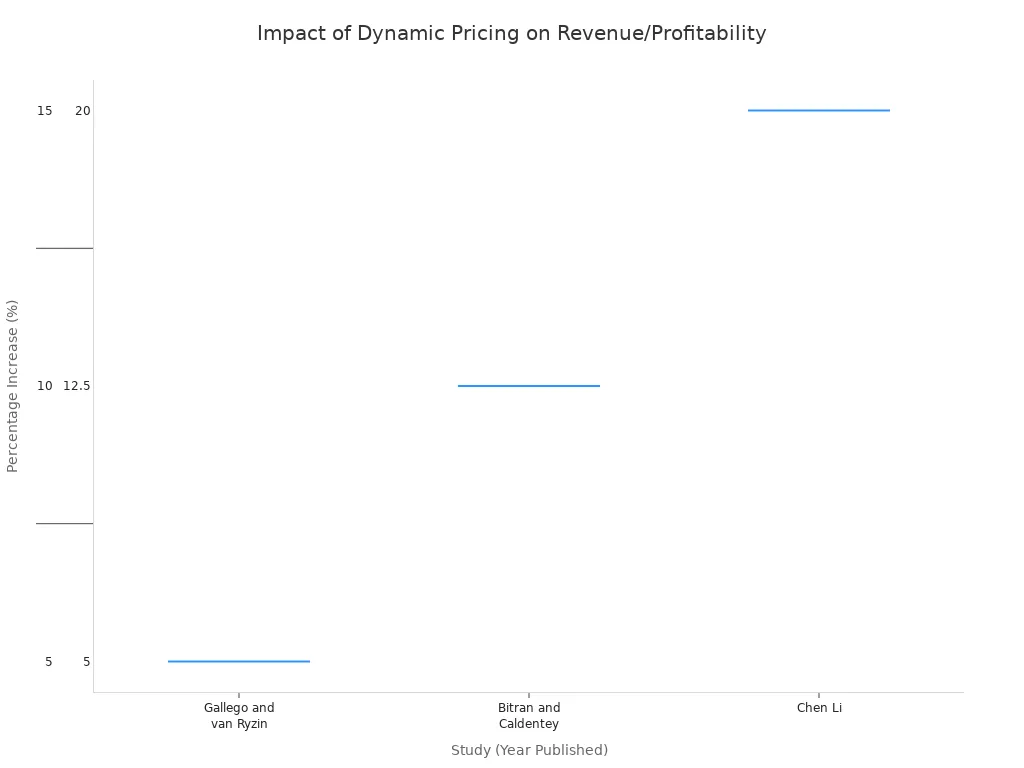
Real-world applications confirm these findings. For example:
- A North American retailer saw a 6% revenue increase after implementing dynamic pricing.
- Amazon increased its profits by an estimated 25% using dynamic pricing algorithms.
Scheduled Promotions and Happy Hours
Retailers can schedule price changes in advance. This feature is perfect for running timed promotions without manual intervention. Stores can easily execute campaigns like a “happy hour” sale on specific beverages, with prices automatically reverting after the promotional period. This automated approach to dynamic pricing ensures promotions start and end precisely on time, preventing lost revenue from forgotten price rollbacks.
Advanced Information Display
Modern electronic labels serve as rich data conduits, providing shoppers with valuable information directly at the point of decision. They transform the shelf into a more engaging and informative space.
More Than Just a Price Tag
Graphic esl tags can display much more than just a price. This additional context helps customers make informed purchasing decisions. Key information includes:
- Nutritional facts and allergen warnings
- Product origin details
- Current stock levels
- Customer reviews or ratings
Pro Tip: Some electronic labels feature LED lights. These can be programmed to flash, guiding associates during restocking or helping customers quickly locate a promoted item.
QR Codes for Customer Interaction
QR codes on electronic shelf labels create a bridge between the physical shelf and the digital world. A simple scan can unlock a wealth of interactive content. Customers can access extended product descriptions, watch demonstration videos, or sign up for a store’s loyalty program. This feature boosts customer engagement and provides multiple touchpoints for building a relationship, such as encouraging app downloads.
Centralized Store Management
The true power of an ESL system lies in its centralized control. It provides the operational backbone for efficient, accurate, and scalable retail price management.
Store-Wide Updates from One Place
Managers can update prices and product data across an entire store—or even a whole chain—from a single dashboard. Retail giant Macy’s, for example, centralized its tag updates to streamline operations and reduce infrastructure costs. This capability ensures consistency and eliminates the massive labor cost of manual changes.
Task Management for Associates
Automating price updates frees up store employees from tedious manual tasks. Retailer CJ Lang reinvests thousands of hours annually by eliminating manual label changes. This allows staff to focus on higher-value activities like assisting customers and improving the shopping experience. This shift not only boosts morale but also directly contributes to increased sales and customer loyalty.
The Technology Behind Electronic Labels
The effectiveness of electronic shelf labels stems from a sophisticated blend of display, communication, and power management technologies. These core elements work in concert to deliver a reliable and efficient system. Understanding this technological foundation reveals why the modern esl is a transformative tool for retail.
E-Paper (E-Ink) Display Technology
The visual component of an ESL tag is its e-paper screen. This display technology is engineered specifically for the demands of a retail environment, prioritizing clarity and energy efficiency over the features of conventional screens like LCDs.
Ultra-Low Power Consumption
E-paper displays are exceptionally energy-efficient. They operate on a principle called “bi-stability,” which means the screen only consumes power when the content is actively changing. Once an image or price is displayed, it requires zero energy to hold that information on the screen. This is a stark contrast to LCD screens, which need a constant backlight to remain visible. This ultra-low power consumption is the primary reason electronic labels can function for years on a single small battery.
Superior Readability and Viewing Angles
E-paper technology mimics the appearance of ink on paper. It is a reflective display, using ambient light to make the content visible rather than producing its own light. This results in several key advantages:
- Sunlight Visibility: The screen remains perfectly clear and readable even in direct sunlight.
- High Contrast: It offers excellent contrast, reducing eye strain for customers and staff.
- Wide Viewing Angle: The content is clearly visible from almost any angle, with a theoretical viewing angle of up to 180 degrees.
Wireless Communication Protocols
Data is sent from the central system to the tags using wireless protocols. The choice of protocol balances speed, range, security, and power consumption.
Radio Frequency (RF)
Most modern ESL systems use proprietary Radio Frequency (RF) protocols, often in the 2.4 GHz band. RF provides a robust and scalable solution for two-way communication. It allows the central system to send updates to tags and receive acknowledgments, ensuring data integrity. This technology is well-suited for navigating the physical obstacles found in a typical retail store.
Infrared (IR) and Other Options
Older systems sometimes used Infrared (IR) communication. However, IR requires a direct line of sight and has a shorter range, making it less practical for large stores. Newer protocols like Bluetooth Low Energy (BLE) are also emerging, offering excellent energy efficiency for bidirectional communication.
Power and Battery Life
The longevity of an ESL tag is a critical factor for its return on investment. Advanced engineering ensures that tags can operate for many years without maintenance.
Multi-Year Battery Lifespan
Thanks to the combination of e-paper displays and low-power communication, a typical ESL tag can last between 5 and 10 years on a single coin-cell battery. The exact lifespan depends on factors like the frequency of price updates and the size of the display.
A tag updated multiple times a day will consume more power than one updated weekly. However, even with frequent changes, the battery life remains exceptionally long.
How Tags Conserve Energy
Tags employ several strategies to maximize battery life. The bi-stable nature of the e-paper screen is the main contributor. Additionally, the internal electronics, such as the System-on-a-Chip (SoC), are designed for ultra-low power consumption. These chips spend most of their time in a deep-sleep mode, waking up only when they receive a signal to process an update. This intelligent power management makes the long lifespan of electronic labels possible.
The Main Benefits of Using Electronic Shelf Labels
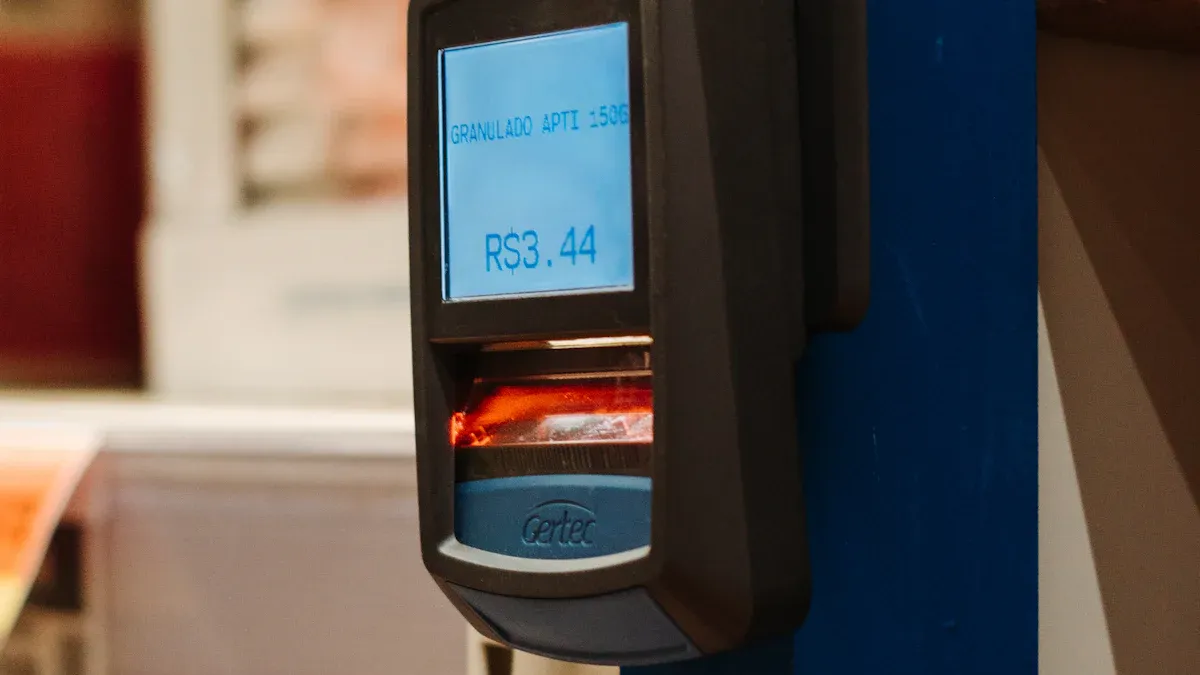
Adopting electronic shelf labels delivers transformative benefits across retail operations. The technology drives major gains in operational efficiency. It guarantees price accuracy and significantly enhances the in-store customer experience. These advantages provide a powerful return on investment.
Gaining Operational Efficiency
The most immediate impact of an ESL system is the optimization of store labor. Automating manual tasks frees up valuable resources. This allows retailers to reinvest time into activities that directly grow the business.
Automating Price Changes
Electronic labels eliminate the time-consuming process of printing, cutting, and replacing paper tags. This automation leads to a dramatic reduction in labor hours spent on price management. Key efficiency metrics include:
- Up to a 70% reduction in labor hours for price labeling
- A significant decrease in pricing errors
- The ability to perform more frequent price updates
- Fewer price-related customer complaints
For example, the retailer SOK implemented electronic shelf labels across 415 stores. The system managed over 100 million price updates, which boosted store efficiency and automated routine price management tasks.
Freeing Up Staff for Customer Service
Automating price updates allows employees to shift their focus from tedious administrative work to high-value customer interactions. Staff can spend more time on the sales floor assisting shoppers, restocking shelves, and improving store presentation. This strategic reallocation of labor directly improves service quality and customer satisfaction.
Ensuring 100% Price Accuracy
Pricing errors are a major source of customer frustration and operational loss. An esl system synchronizes shelf prices with the Point of Sale (POS) system, virtually eliminating discrepancies and building a foundation of trust.
Synchronizing Shelf and POS Prices
Manual pricing is prone to human error. Electronic labels ensure the price displayed on the shelf is always identical to the price at checkout. The difference in accuracy is stark.
| Label Type | Pricing Error Rate |
|---|---|
| Traditional (Paper) | 3% |
| Electronic (ESLs) | 0.01% |
This flawless synchronization prevents confusing experiences for customers at the checkout counter. It ensures they pay the price they expect, every time. This is a core benefit of advanced dynamic pricing strategies.
Building Customer Trust and Loyalty
Consistent and accurate pricing is fundamental to building customer trust. When shoppers see correct prices, they feel more confident in their purchasing decisions. This transparency fosters a positive shopping environment. Accurate esl tags help avoid frustrating disputes at checkout, leading to higher satisfaction and encouraging repeat business. The power of dynamic pricing is maximized when customers trust the prices they see.
Enhancing the In-Store Customer Experience
Beyond efficiency and accuracy, electronic shelf labels enrich the shopping journey. They turn the shelf edge into a dynamic and informative touchpoint, leveraging dynamic pricing to create engaging promotions.
Providing Clear, Rich Information
The crisp, clear displays of electronic labels provide more than just a price. They can show stock levels, promotional details, and product origins. This rich information helps customers make better-informed decisions directly at the point of purchase.
Enabling Interactive Promotions
The ability to schedule updates enables effective dynamic pricing. Retailers can easily run “happy hour” sales or flash promotions to create excitement and drive sales of specific items. This use of dynamic pricing transforms the store into a more interactive and engaging space, improving the overall shopping experience.
Choosing the Right ESL Tags for Your Business
Selecting the right electronic shelf labels is a critical decision for any retailer. The process requires a careful evaluation of available technologies, potential vendor partnerships, and your specific operational needs. A strategic approach ensures the chosen esl system delivers maximum value and a strong return on investment.
Types of ESL Tags Available
ESL tags come in various forms. Each type is designed for different use cases and budgets. Understanding these differences is the first step in making an informed choice.
Segmented, Graphic, and Color Displays
The display technology determines what information an electronic label can show. Retailers can choose the option that best fits their product and promotional strategy.
| Display Type | Key Features | Primary Use Cases |
|---|---|---|
| Segmented Displays | Basic, limited to numbers and simple text. | Displaying prices and essential information. |
| Full-Graphic Displays | Shows QR codes, barcodes, and brand logos. | Enhanced branding and detailed product data. |
| LCD-Based Displays | High contrast and full color, requires more power. | Highlighting promotions and flashing discounts. |
Different Sizes for Different Products
Electronic labels are not one-size-fits-all. They are available in a range of dimensions to suit various products and shelving types. Small tags are ideal for dense shelving in pharmacies or cosmetic aisles. Larger electronic shelf labels work well for produce sections or large appliances, where more information and greater visibility are needed.
Key Factors in Vendor Selection
Choosing a vendor is as important as choosing the hardware. The right partner provides a robust platform that integrates smoothly and scales with your business.
Software Integration Capabilities
A modern ESL system must communicate seamlessly with your existing retail infrastructure. API-level integration with Point of Sale (POS) and inventory systems is essential for automated, error-free operations. Connectivity and synchronization are critical; the system needs a stable wireless connection and backup processes to ensure price data is always accurate.
Scalability and Support
Your business will evolve, and your technology should grow with it. When evaluating vendors, consider the following:
- How does the system scale as your business grows?
- How does the system integrate with your current retail software?
Solutions built on open standards, like Bluetooth® 5.4, offer greater flexibility and future-proofing. These protocols support fleets of tens of thousands of esl tags per store, ensuring the infrastructure is scalable and interoperable. Continuous vendor support and maintenance services are also vital for long-term success.
Assessing Your Store’s Needs
Every retail environment is unique. A thorough assessment of your store’s layout, product assortment, and operational goals will help you define your requirements for an esl solution.
Store Size and Layout
The physical characteristics of your store influence system design. A large, open-plan supermarket has different needs than a multi-floor department store with many walls and fixtures. The layout will determine the number and placement of communication gateways needed for complete coverage.
Product Types and Shelving
Consider the products you sell and how they are displayed. A grocery store managing perishable goods may prioritize electronic labels with color displays to highlight freshness. A hardware store with a vast inventory might focus on graphic tags that can display stock information and QR codes for detailed specs.
Final Checklist: Before making a decision, validate vendor claims with independent data. Prioritize solutions that are scalable, compliant, and innovative. Finally, assess the total cost of ownership to ensure a positive long-term ROI.
How Are ESLs Used Across Different Industries?
The flexibility of electronic shelf labels allows for specialized applications across various retail sectors. From grocery aisles to pharmacy counters, this technology addresses unique industry challenges, driving efficiency and improving the customer experience. Different industries leverage ESLs to optimize their specific operational needs.
Grocery and Supermarkets
Grocers operate on thin margins and manage vast, fast-moving inventories. Effective price management is crucial for profitability and sustainability.
Managing Perishable Goods
Supermarkets use dynamic pricing to reduce food waste from perishable goods. Research shows that integrating electronic labels with inventory systems can nearly eliminate spoilage. Store managers can automate markdowns for items nearing their sell-by date. This strategy encourages customers to purchase products before they expire, cutting losses from unsold inventory by up to 15%.
Executing Frequent Promotions
The grocery sector is highly promotional. An esl system enables grocers to execute frequent campaigns like “happy hour” sales on specific items just before closing. This use of dynamic pricing helps clear shelves for fresh stock. It also provides value to shoppers and boosts sales without requiring manual label changes.
Electronics Retail
Electronics stores face intense competition from online retailers. The ability to react quickly to market changes is essential for survival.
Competing with Online Prices
Brick-and-mortar electronics retailers use dynamic pricing to stay competitive with online giants. They can identify key value items (KVIs) and apply competition-based strategies with frequent price updates. This real-time capability bridges the gap between online and offline price agility, allowing stores to match or beat rival prices instantly.
Displaying Detailed Tech Specs
Modern electronic labels do more than show a price. In an electronics store, graphic displays can present detailed technical specifications, model numbers, and feature comparisons directly on the shelf. This rich information empowers customers to make confident purchasing decisions without needing to search for details on their phones.
Pharmacies and Healthcare
The healthcare retail sector is heavily regulated. Accuracy and compliance are non-negotiable, making precise price management a top priority.
Ensuring Regulatory Compliance
Pharmacies use electronic labels to ensure compliance with strict pricing regulations. When tax laws like VAT change, prices across thousands of products must be updated.
ESLs automate this process, preventing the massive workload of manual changes and reducing the risk of regulatory penalties. This ensures all displayed prices are current and correct.
Displaying Expiration Dates
Patient safety is paramount in pharmacies. ESLs can display critical medication information, including expiration dates. Some systems use flashing LED indicators to alert pharmacists to drugs nearing their expiration. This feature of dynamic pricing helps maintain a safe inventory and prevents the sale of expired products.
DIY and Hardware Stores
DIY and hardware stores present a unique challenge with their vast and varied inventories. These retailers manage tens of thousands of SKUs, from tiny screws to large power tools. Electronic shelf labels provide a powerful solution for managing this complexity, streamlining operations and improving the customer journey. The use of dynamic pricing is particularly effective in this competitive sector.
Managing Large and Diverse Inventories
Hardware stores handle an enormous number of products. Manual price management is an immense operational burden. Electronic labels automate this entire process. This automation ensures accuracy across thousands of items and frees employees from tedious updates. Staff can then focus on providing expert advice to customers on the sales floor.
Successful implementations demonstrate these benefits clearly:
- Ferreteria Mengual, a leading hardware store in Spain, adopted an esl system to enhance its retail operations. The technology optimized replenishment tasks and improved overall efficiency.
- Busy Beaver, a US-based Home Improvement Center, equipped its flagship store with 30,000 electronic labels. This 100% implementation showcases how technology can manage a massive inventory effectively.
This shift allows for more agile price management. Stores can easily apply dynamic pricing strategies to respond to competitor moves or clear out seasonal stock. The ability to use dynamic pricing gives these retailers a significant competitive edge.
Assisting with In-Store Aisle Navigation
Large hardware stores can be difficult for customers to navigate. Finding a specific item among countless aisles can be a frustrating experience. Modern ESL systems offer a solution by integrating geolocation capabilities. This technology transforms the shopping trip into a guided, efficient process.
Some systems serve as digital signposts. They guide both customers and staff directly to a product’s location. This feature is especially valuable in large-format stores, saving time and improving satisfaction.
The French DIY chain Entrepôt du Bricolage provides a compelling example. The company rolled out a geolocation solution across its 38 stores. This use of dynamic pricing and navigation boosted productivity significantly. Customers could find what they needed faster. Associates could complete restocking and order-picking tasks with greater speed. This innovative application of dynamic pricing enhances the in-store experience. The strategic use of dynamic pricing helps stores manage promotions and guide shoppers effectively.
Electronic shelf labels represent the critical shift from static paper to dynamic pixels, revolutionizing retail operations. These electronic shelf labels deliver unparalleled accuracy and efficiency, powered by dynamic pricing. The use of electronic labels enhances the customer experience through interactive and agile dynamic pricing. The power of dynamic pricing is undeniable. Adopting an electronic shelf label is a foundational step. This esl technology, with its focus on dynamic pricing and data, builds a modern store ready for the future of retail.
FAQ
How much do electronic shelf labels cost?
The cost of electronic shelf labels varies significantly. Factors include display type (segmented, graphic, color), tag size, and system features. Vendors typically provide a custom quote based on a store’s specific needs, as the total investment includes hardware, software, and installation services.
How long does it take to install an ESL system?
Installation time depends on store size and complexity. A small retail space might take a day. A large supermarket could require several days. Professional installation teams work efficiently to minimize disruption, ensuring the esl system is operational quickly.
Are electronic shelf labels secure?
Yes, security is a core design feature. ESL systems use proprietary wireless protocols with robust encryption and authentication. These measures protect data transmissions between the central software and the tags, preventing unauthorized access or interference with pricing information.
What happens if a tag runs out of battery?
The central management software actively monitors the battery status of every tag. It sends an alert to store managers when a battery is low. Staff can then easily locate and replace the tag or its battery, ensuring continuous operation.
Can ESLs work in cold environments like freezers?
Absolutely. Manufacturers offer specialized tags designed to operate in extreme temperature conditions. These durable labels function reliably in refrigerated sections and commercial freezers, making them suitable for grocery stores and other businesses that handle frozen goods.
Do ESLs require a standard Wi-Fi network?
Most systems do not use a store’s standard Wi-Fi network. They operate on their own dedicated wireless protocols, often using Radio Frequency (RF). This creates a separate, stable, and secure network exclusively for communication between the gateways and the tags.
How are the tags physically attached to shelves?
Tags are attached using a variety of mounting solutions. Common options include:
- Custom rails that clip onto the shelf edge.
- Individual clips for different shelf types.
- Adhesive mounts for flat surfaces.
- Hooks for pegboard displays.
This flexibility ensures a secure fit for nearly any retail fixture.