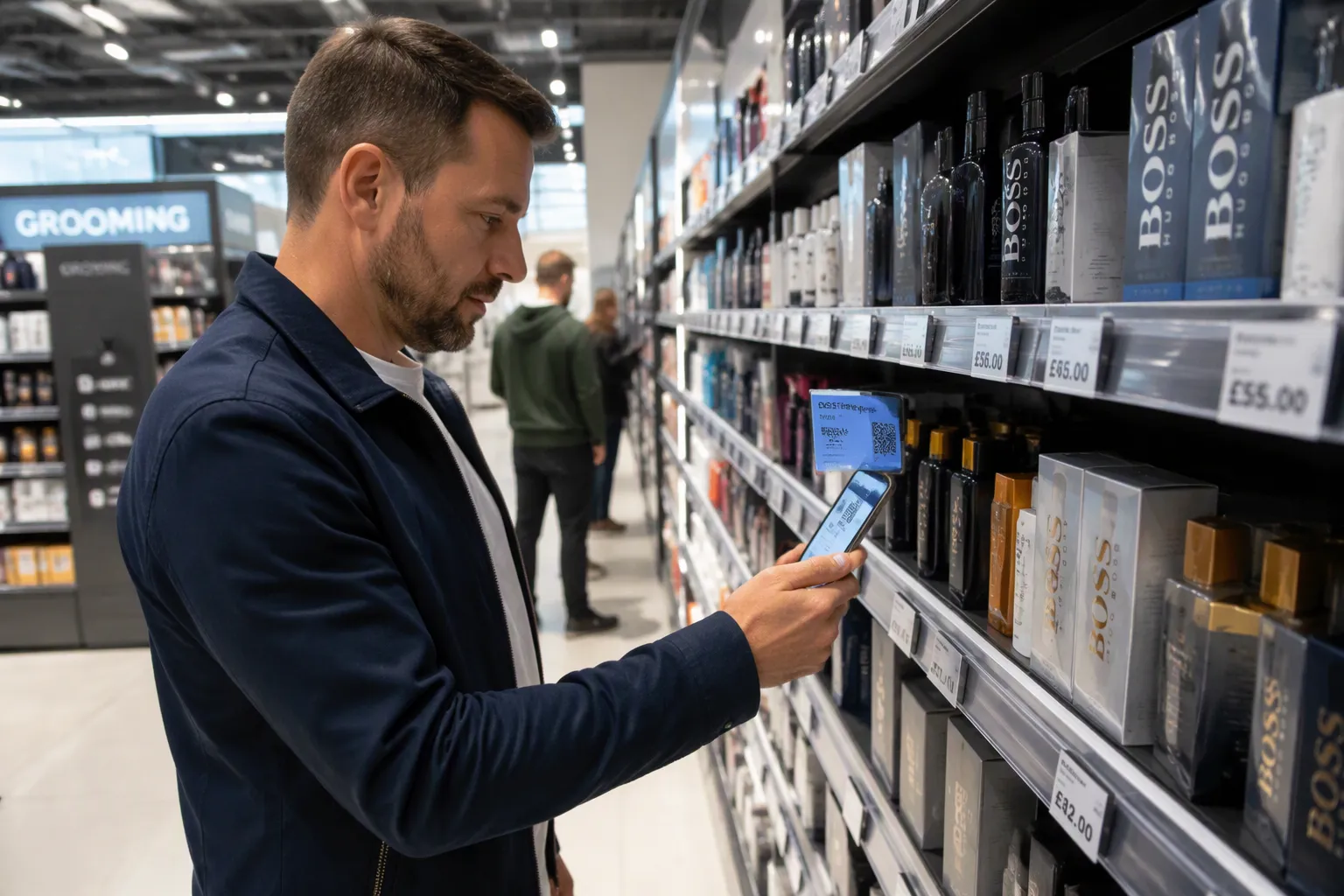
You will find several electronic shelf edge labels dominating the UK market today. The top Electronic Shelf Labels brands include SES-imagotag, Pricer, Displaydata, Hanshow, SoluM, and Opticon. These brands lead in electronic shelf edge labelling technology across UK retailers. Each brand delivers distinct features, pricing structures, and reliability levels for ESL Price Tag solutions. The UK Esl Retail systems market grows at 12.5% CAGR from 2024 to 2029, reaching approximately USD 288.5 million. This guide helps you evaluate electronic shelf edge options, including ESL Gateway AP compatibility, for your store.
SES-imagotag
SES-imagotag leads the electronic shelf edge labels market in the UK. The company’s VusionOX operating system powers a robust ecosystem of e-paper displays and connectivity tools. You can select from multiple display series designed for various retail environments.
Key Features of SES-imagotag
The following table outlines the core technical specifications you can expect from SES-imagotag labels:
| Specification | Details |
|---|---|
| Battery lifespan | Up to 15 years (e.g., V-Tag, V300 BWR Series) |
| Display series | V300 BWRY (black, white, red, yellow), V300 Waterproof & Freezer, V700 Full color, VSway unique formats |
| Operating system | VusionOX with Bluetooth-LE standard and proprietary features for scalability and plug-and-play connectivity |
Beyond the specs, each label supports a range of communication and integration options:
- Bluetooth® technology
- NFC (Near Field Communication)
- Integrated IoT and digital signage systems
- Bluetooth® LE (Low Energy) standard
These features enable seamless real-time price updates and reduce manual shelf-edge tasks.
Pricing Overview for SES-imagotag
Pricing for SES-imagotag electronic shelf labels depends on the display type and the volume you order. Basic e-paper labels offer a lower entry point, while full-color and freezer-grade models increase the investment. The company also bundles software licenses and installation services into its quotes. You should request a custom proposal for your specific store footprint and deployment size across the UK.
Pros and Cons of SES-imagotag
Pros
- Industry-leading battery life lowers long-term maintenance costs.
- Wide selection of display types suits various retail environments.
- VusionOX platform provides reliable real-time pricing updates and scalability.
- Strong UK-based support network ensures prompt assistance.
Cons
- Higher upfront investment compared to some other brands.
- System complexity may require dedicated IT resources for full configuration.
Pricer
Pricer stands as one of the most established electronic shelf labels brands in the UK market. The company built its reputation on a unique communication method that sets it apart from competitors. You will find Pricer systems in large supermarkets, pharmacies, and DIY chains across the country.
Key Features of Pricer
Pricer relies on an optical wireless network that transmits data through the infrared spectrum. This approach operates above the crowded frequency bands used by conventional wireless and Wi-Fi systems. The infrared method suits demanding environments such as aviation, healthcare, advanced manufacturing, and large-scale deployments. These settings require low power consumption, high reliability, massive scalability, and interference-free communication. Radio-based wireless infrastructure has received more attention in recent years. Infrared technology has continued to excel in electronic shelf label applications that demand long operational life and dependable performance.
The following table outlines the core specifications you can expect from Pricer labels:
| Specification | Details |
|---|---|
| Communication | Infrared optical wireless |
| Battery lifespan | Up to 10 years |
| Display options | Segmented, graphic, and full-color e-paper |
| Update speed | Near-instantaneous across thousands of labels |
Pricing Overview for Pricer
Pricer positions its pricing at the premium end of the market. The cost reflects the advanced infrared infrastructure and the reliability it delivers. You should expect to pay more per label compared to budget alternatives. The company offers flexible leasing options for large retail chains. This structure spreads the investment over several years and reduces the initial capital outlay.
Pros and Cons of Pricer
Pros
- Infrared communication avoids radio frequency interference.
- Proven reliability in large-scale deployments.
- Strong battery life reduces maintenance costs.
- Established presence in the UK retail sector.
Cons
- Higher upfront cost than many competitors.
- Infrared requires line-of-sight installation planning.
- Limited flexibility for stores with complex layouts.
Displaydata
Displaydata has built a strong reputation among electronic shelf labels brands in the UK. The company specializes in fully graphic color labels that help you showcase product details, promotions, and branding directly on the shelf edge. You will find their solutions in grocery stores, convenience chains, and specialty retail environments across the country.
Key Features of Displaydata
Displaydata’s four-color labels use the E Ink Spectra 3100 display technology platform. This platform combines black, white, red, and yellow in a single display. The labels present product information, promotions, and branding with sharp visual clarity. You can rely on electronic paper displays (EPDs) for their bi-stable nature and low power consumption. These displays mimic ink on paper and hold images without continuous power. Liquid crystal displays (LCDs) require constant power to maintain an image. Displaydata focuses on EPD technology for most of its product range.
The following table outlines the core specifications you can expect from Displaydata labels:
| Specification | Details |
|---|---|
| Display technology | E Ink Spectra 3100 (black, white, red, yellow) |
| Display type | Fully graphic color e-paper |
| Power consumption | Ultra-low (bi-stable EPD) |
| Integration | Compatible with major retail management systems |
Pricing Overview for Displaydata
Displaydata positions its pricing in the mid-to-upper range. The cost reflects the advanced color display technology and the visual impact it delivers. You should expect per-label prices higher than basic monochrome alternatives. The company offers tailored quotes based on your store size and deployment scope. Volume discounts are available for larger rollouts.
Pros and Cons of Displaydata
Pros
- Four-color displays create strong visual impact on the shelf edge.
- E Ink Spectra 3100 technology delivers reliable, sharp graphics.
- Low power consumption reduces long-term maintenance costs.
- Strong integration with existing retail management platforms.
Cons
- Higher per-label cost than monochrome competitors.
- Limited product range compared to larger brands.
- Fewer UK-based support resources than some rivals.
Hanshow
Hanshow has grown into one of the most competitive electronic shelf labels brands in the UK. The company serves supermarkets, convenience stores, and specialty shops with a broad product range. You will find Hanshow systems in thousands of stores across Europe and Asia.
Key Features of Hanshow
Hanshow labels use Bluetooth Low Energy (BLE) and NFC technology for fast communication. The company offers several display options to match different store needs.
| Specification | Details |
|---|---|
| Communication | Bluetooth Low Energy (BLE), NFC |
| Battery lifespan | Up to 10 years |
| Display options | Monochrome, three-color, and full-color e-paper |
| Update speed | Real-time updates across large networks |
The Stellar series delivers full-color displays for promotional content. The Nebular series provides cost-effective monochrome labels for high-volume deployments. You can also access cloud-based management tools for remote price updates.
Pricing Overview for Hanshow
Hanshow positions itself as a cost-effective alternative to premium brands. Per-label prices sit below SES-imagotag and Pricer for comparable specifications. The company offers flexible pricing tiers based on order volume. Smaller retail operations benefit from lower entry costs. Large chains can negotiate custom enterprise agreements. You should request a detailed quote to compare total ownership costs.
Pros and Cons of Hanshow
Pros
- Competitive pricing lowers the barrier to entry.
- Wide product range covers basic and advanced needs.
- BLE and NFC support enables flexible integration.
- Cloud management simplifies multi-store operations.
Cons
- Battery life trails the industry leader.
- UK support network is smaller than established rivals.
- Full-color options cost more than monochrome models.
SoluM
SoluM represents one of the most innovative electronic shelf labels brands in the UK retail market. The company emerged from South Korea with a focus on NFC-enabled technologies. You will find SoluM solutions in grocery stores, electronics retailers, and convenience chains across Europe and Asia. The systems emphasize interactive shopping features that go beyond simple price display.
Key Features of SoluM
SoluM labels rely on Bluetooth Low Energy (BLE) for fast, reliable communication. The real differentiator lies in the embedded NFC capabilities. These features turn each label into an interactive touchpoint for customers. The following table outlines the key NFC capabilities you can expect:
| NFC Capability | Description |
|---|---|
| Simplified label interaction | NFC enables easier interaction with the ESL for various applications. |
| Smartphone-based product info | Shoppers can use their smartphones via NFC to receive additional product information. |
| Marketing & engagement | NFC supports delivery of product details, special event coupons, advertisements, and product location. |
| Customer pattern analysis | Combined with location-based services, NFC-equipped ESLs help analyze shopping patterns. |
You also gain support for mobile payments, self-checkout validation, and digital coupon redemption through the same NFC interface. SoluM displays come in monochrome, three-color, and full-color e-paper variants. The company rates battery life up to eight years, depending on the model and update frequency. SoluM also provides cloud-based management platforms for centralized price control.
Pricing Overview for SoluM
SoluM positions its pricing in the mid-range segment. Per-label costs fall below premium brands like SES-imagotag and Pricer. The NFC features add value without a significant price premium. Volume discounts apply for large deployments. You should request a custom quote based on your specific display types and store count. The total cost includes labels, gateways, software licenses, and installation services.
Pros and Cons of SoluM
Pros
- NFC capabilities enable interactive customer experiences.
- Competitive pricing offers good value for feature-rich labels.
- BLE communication supports real-time updates across large networks.
- Cloud management simplifies multi-store operations.
Cons
- UK support network remains smaller than established rivals.
- Battery life falls short of the industry leader’s 15-year rating.
- Full-color options carry higher per-label costs.
Opticon
Opticon brings decades of data capture expertise to the electronic shelf labels market. The company built its name on barcode scanning technology before expanding into shelf-edge solutions. You will find Opticon labels in pharmacies, convenience stores, and specialty shops across the UK.
Key Features of Opticon
Opticon labels use 2.4 GHz wireless communication for reliable data transmission. The company designs its products for straightforward installation and minimal maintenance. The following table outlines the core specifications you can expect from Opticon labels:
| Specification | Details |
|---|---|
| Communication | 2.4 GHz wireless |
| Battery lifespan | Up to 7 years |
| Display options | Monochrome and three-color e-paper |
| Integration | Works with Opticon’s existing handheld scanners |
You gain a unified hardware ecosystem when you already use Opticon scanning devices. The labels sync with your inventory management software for automated price updates. Opticon also offers cloud-based tools for remote label control across multiple locations.
Pricing Overview for Opticon
Opticon positions its pricing in the mid-range segment. Per-label costs sit below premium brands but above budget alternatives. The company offers competitive rates for bulk orders. You should request a custom quote that includes gateways, software licenses, and installation support. Smaller retail operations benefit from lower entry costs compared to enterprise-focused competitors.
Pros and Cons of Opticon
Pros
- Seamless integration with existing Opticon hardware.
- Competitive mid-range pricing.
- Simple installation and setup process.
- Reliable 2.4 GHz wireless communication.
Cons
- Shorter battery life than leading competitors.
- Limited display options compared to larger brands.
- Smaller UK support network.
- Fewer advanced features for complex deployments.
Comparison of Electronic Shelf Labels Brands in the UK
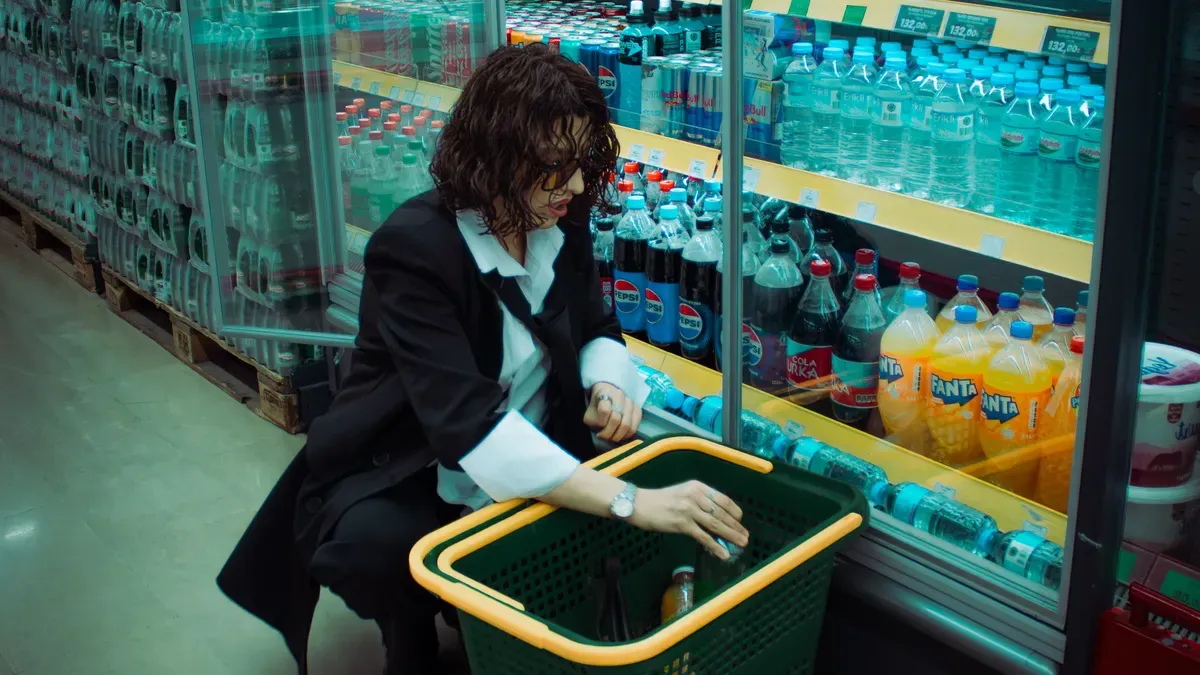
You now have a detailed picture of each brand. This section places them side by side. You can use these comparisons to narrow your shortlist before requesting quotes.
Feature Comparison Across Brands
Feature sets vary widely across the six electronic shelf label brands. You should match these capabilities to your store’s specific operational needs.
| Feature | SES-imagotag | Pricer | Displaydata | Hanshow | SoluM | Opticon |
|---|---|---|---|---|---|---|
| Communication | Bluetooth LE, NFC | Infrared optical | Wireless (system-dependent) | Bluetooth LE, NFC | Bluetooth LE, NFC | 2.4 GHz wireless |
| Battery lifespan | Up to 15 years | Up to 10 years | Ultra-low (bi-stable EPD) | Up to 10 years | Up to 8 years | Up to 7 years |
| Display options | Mono, 3-color, 4-color, full-color | Segmented, graphic, full-color | 4-color (E Ink Spectra 3100) | Mono, 3-color, full-color | Mono, 3-color, full-color | Mono, 3-color |
| NFC support | Yes | No | No | Yes | Yes | No |
| Cloud management | Yes (VusionOX) | Yes | Yes | Yes | Yes | Yes |
| Freezer-grade models | Yes | Yes | No | Yes | Limited | No |
SES-imagotag leads on battery life and display variety. Pricer offers the most interference-resistant communication method. Displaydata focuses on visual impact through four-color e-paper labels. Hanshow and SoluM both deliver strong NFC capabilities for interactive shopping. Opticon provides a straightforward feature set for basic digital price changes.
The communication method matters most for your store layout. Infrared systems like Pricer’s require line-of-sight planning. Bluetooth LE systems offer more flexibility in complex environments. You should evaluate your ceiling height, aisle structure, and shelving before choosing a communication protocol.
Pricing Comparison Across Brands
Pricing structures differ significantly across these electronic shelf label brands. The table below summarizes the general market positioning for each brand.
| Brand | Market Position | Per-Label Cost Range | Leasing Options |
|---|---|---|---|
| SES-imagotag | Premium | High | Available |
| Pricer | Premium | High | Yes (flexible terms) |
| Displaydata | Mid-to-upper | Medium-high | Limited |
| Hanshow | Cost-effective | Low-medium | Available |
| SoluM | Mid-range | Medium | Available |
| Opticon | Mid-range | Medium | Limited |
The total electronic shelf labels cost extends beyond the per-label price. You must factor in gateways, software licenses, installation, and ongoing support fees. Premium brands often bundle these costs into a single quote. Budget brands may charge separately for each component.
You should request a total cost of ownership analysis from each vendor. This analysis should cover a five-year period. It should include hardware, software, installation, maintenance, and battery replacement costs. A lower per-label price does not always mean a lower total investment.
Volume plays a major role in pricing negotiations. Large supermarket chains can negotiate significant discounts. Smaller retailers have less leverage but can still find competitive rates. You should always ask about volume tiers before committing to a purchase.
Reliability and Support Comparison
Reliability determines your long-term satisfaction with any electronic shelf label system. You should evaluate each brand’s track record before making a final decision.
SES-imagotag and Pricer both maintain strong reliability records in large-scale UK deployments. Their systems handle thousands of labels without significant downtime. Both companies invest heavily in research and development. This investment translates into stable, well-tested products.
Hanshow and SoluM have improved their reliability in recent years. Their systems now perform well in medium and large retail environments. However, their UK support networks remain smaller than those of the premium brands. You may experience longer response times for technical issues.
Displaydata and Opticon serve niche markets effectively. Displaydata excels in visual-heavy retail environments. Opticon works best for stores already using their scanning hardware. Both brands offer adequate support for their target customers.
Support quality varies by region within the UK. You should ask each vendor about their local support presence. Key questions include response times, on-site visit availability, and spare parts inventory. You should also request references from similar retail operations in your area.
Software updates and platform longevity matter for long-term value. SES-imagotag’s VusionOX platform receives regular updates. Pricer’s infrared ecosystem has proven stable for decades. Hanshow and SoluM both offer cloud-based platforms with active development. You should confirm each vendor’s update schedule and end-of-life policies before signing a contract.
Training and onboarding support also differ across brands. Premium vendors typically provide comprehensive training programs. Budget vendors may offer limited training or charge extra for it. You should include training costs in your total budget calculation.
How to Choose the Right Electronic Shelf Edge Labels Brand for Your Retail Needs
Selecting the right brand requires you to match technical capabilities with your operational reality. A convenience store with 500 products faces different challenges than a hypermarket with 50,000 SKUs. You should evaluate your store format, budget, and growth plans before committing to any vendor. This section breaks down the key factors for three distinct retail profiles.
Factors to Consider for Small Retailers
Small retailers operate with tight margins and limited IT resources. You need a system that delivers immediate value without overwhelming your staff. Hanshow and SoluM both offer cost-effective entry points for stores with fewer than 2,000 labels. These brands provide cloud-based management tools that require minimal on-site infrastructure.
You should prioritize ease of installation when evaluating electronic shelf labels. A system that demands extensive cabling or ceiling-mounted gateways will strain your budget and disrupt operations. Bluetooth Low Energy systems from Hanshow and SoluM work well in smaller spaces. You can deploy these labels without specialized networking equipment.
Battery life directly affects your long-term maintenance costs. A label rated for 10 years will outlast one rated for 7 years by a significant margin. You should calculate the total cost of ownership over a five-year period. This calculation should include battery replacements, software fees, and support charges.
Vendor support matters more for small retailers than large chains. You lack the internal IT team to troubleshoot complex issues. You should ask potential vendors about their response times and local support presence. A brand with a strong UK network will serve you better than one with limited regional coverage.
You should also consider esl mounting solutions for your specific shelving types. Not all labels fit every shelf edge profile. Some vendors offer universal mounting clips, while others require proprietary rails. You should confirm compatibility before placing an order.
Price automation delivers immediate benefits for small retailers. You can update prices across your entire store in minutes rather than hours. This capability reduces labor costs and eliminates pricing errors at the checkout. You should test this feature during any trial period.
Factors to Consider for Large Supermarket Chains
Large supermarket chains face unique scalability challenges. You manage thousands of labels across multiple locations. Your systems must handle real-time updates, integrate with existing platforms, and support future growth. The stakes are higher, and the margin for error is smaller.
You should start with a pilot program in a controlled environment. Select a specific department or product category for your initial rollout. This approach lets you test integration with inventory and POS systems before committing to a full deployment. You can monitor network stability and security during this phase. You should adjust automation rules based on real-world performance. Gathering feedback from staff and customers will help you refine your deployment strategy.
Staff training determines your rollout success. You should provide comprehensive, hands-on training that explains benefits such as reduced manual work and faster price updates. Encourage staff participation and feedback throughout the process. Ongoing training will keep everyone updated on best practices and system enhancements.
The following table outlines the scalability features you should prioritize:
| Scalability Feature | Evidence | Why It Matters for UK Large Supermarket Chains |
|---|---|---|
| RF technology for large-scale operations | RF holds ~65% market share in 2026 due to superior range, scalability, and data transmission vs IR/NFC; enables managing thousands of ESLs simultaneously across large store formats | Supports real-time updates and two-way communication across many stores, ideal for supermarkets and hypermarkets |
| Full graphic e-paper displays | Expected to hold highest market share in 2026; high-resolution, energy-efficient, readable in sunlight, supports dynamic pricing and QR codes | Enhances customer experience and brand presentation while scaling across large estates |
| Supermarket/hypermarket end-use fit | Projected largest end-use segment in 2026 due to vast inventories and frequent price changes; enables centralized pricing control across multiple locations | Directly matches the operational scale and complexity of UK large supermarket chains |
| Open APIs, data portability, multi-retailer integration | Platforms supporting these will define future market leaders; avoids vendor lock-in and inflated TCO; savings materialize when synchronized with POS and order management systems | Critical for interoperability and long-term scalability across UK chains |
You should evaluate several critical factors before selecting a vendor:
- Scalability and flexibility: Choose a digital shelf pricing solution that grows with your business and adapts to new product lines, seasonal changes, and evolving retail strategies.
- Vendor support and reliability: Prioritize partners offering strong technical support, regular software updates, and clear communication channels.
- Integration expertise: Ensure the vendor can smoothly connect with existing inventory and POS systems to reduce disruption.
- Pilot programs: Begin with a controlled pilot in a specific department or product category to test integration, network stability, and automation rules before scaling up.
- Staff engagement and training: Provide comprehensive, hands-on training and ongoing communication to ensure successful rollout and adoption.
SES-imagotag and Pricer both excel in large-scale deployments. Their systems handle the complexity of multi-store operations. You should request references from similar retail chains before making a final decision.
Factors to Consider for Specialty Stores
Specialty stores require different capabilities than supermarkets or convenience chains. You may need to showcase detailed product information, support interactive shopping experiences, or display promotional content. The right electronic shelf edge labels brand will align with your specific customer engagement goals.
Displaydata excels in visual-heavy environments. Their four-color E Ink Spectra 3100 labels create strong shelf-edge impact. You can display product details, promotions, and branding with sharp clarity. This capability suits stores that rely on visual merchandising to drive sales.
SoluM offers strong NFC capabilities for interactive retail experiences. Shoppers can use their smartphones to access additional product information, receive digital coupons, or validate self-checkout purchases. This feature works well for electronics retailers, specialty grocers, and stores with high-value products.
You should evaluate electronic shelf label integration with your existing retail management platforms. Specialty stores often use niche software for inventory, CRM, or loyalty programs. You need a vendor that can connect to these systems without extensive customization.
The physical environment of your store affects your choice. Freezer sections, refrigerated displays, and outdoor areas require specialized labels. SES-imagotag offers freezer-grade models that operate in extreme temperatures. You should confirm that your chosen vendor supports your specific operating conditions.
Customer experience should guide your decision. A pharmacy may prioritize clear pricing and product information. A fashion retailer may want dynamic promotional displays. An electronics store may focus on interactive features. You should match the brand’s strengths to your customer engagement strategy.
You should request demos or trials from your shortlisted brands. A trial lets you test the system in your actual store environment. You can evaluate display readability, update speed, and staff usability. This hands-on experience will reveal whether the system meets your expectations.
Budget remains a factor for specialty stores. You may not need the enterprise features of premium brands. Hanshow and Opticon offer mid-range options that balance cost and capability. You should compare total ownership costs across a five-year period before making your final choice.
You now know the top electronic shelf edge labels brands in the UK: SES-imagotag, Pricer, Displaydata, Hanshow, SoluM, and Opticon. SES-imagotag and Pricer lead in large-scale deployments, while Hanshow and SoluM offer cost-effective alternatives. You should evaluate your specific retail requirements before selecting a brand. Request demos or trials from your shortlisted brands to make an informed decision.
FAQ
Which electronic shelf labels brand offers the longest battery life?
SES-imagotag leads with labels rated up to 15 years. Pricer and Hanshow follow with 10-year ratings. SoluM offers up to 8 years, while Opticon provides up to 7 years. Longer battery life reduces your maintenance costs over time.
How does Pricer’s infrared technology differ from Bluetooth systems?
Pricer uses infrared light to transmit data. This method avoids radio frequency interference common in crowded wireless environments. Bluetooth systems offer more layout flexibility. Infrared requires line-of-sight planning. Your store ceiling and aisle structure determine the better fit.
Can I trial an electronic shelf labels system before committing?
Yes. Most vendors offer pilot programs or demos. You can test a system in your actual retail environment. Trials let you evaluate display readability, update speed, and staff usability. Request a trial from your shortlisted brands before signing a contract.
What is the main advantage of NFC-enabled labels?
NFC turns each label into an interactive touchpoint. Shoppers use smartphones to access product details, digital coupons, and self-checkout validation. SoluM and Hanshow both offer strong NFC capabilities. This feature suits electronics stores and specialty retailers.
Do premium brands justify their higher upfront costs?
Premium brands like SES-imagotag and Pricer deliver longer battery life, stronger support networks, and proven reliability at scale. These factors lower your total ownership costs over five years. Budget brands suit smaller stores with simpler needs. You should compare total costs, not just per-label prices.
See Also
A Complete Handbook for Understanding Digital Shelf Edge Labels
Navigating Electronic Shelf Labels in the Year 2025
Understanding Digital Shelf Labels for Today’s Modern Retail Businesses
Leading Electronic Shelf Label Options for Companies in America
Transitioning from Paper to Digital Installing Electronic Shelf Labels