

A winning retail strategy in today’s market blends digital efficiency with human connection. Top brands understand that back-end technology is a tool to perfect customer-facing experiences, not replace them. A projected 80.8% of retail sales are still expected in physical stores in 2025. This highlights the enduring value of the in-store visit. Operational excellence is therefore paramount.
Brands achieve this by focusing on behind-the-scenes systems. This media focus is a key part of their retail media strategy, a winning retail strategy that leverages all available media. Modern retail marketing uses tools like Electronic Shelf Labels, managed by an ESL Gateway AP, to update each ESL Price Tag instantly. This Esl Retail media approach frees staff to deliver authentic, high-value service, turning every media touchpoint into a seamless interaction.
They Build In-Store Destinations, Not Just Retail Spaces
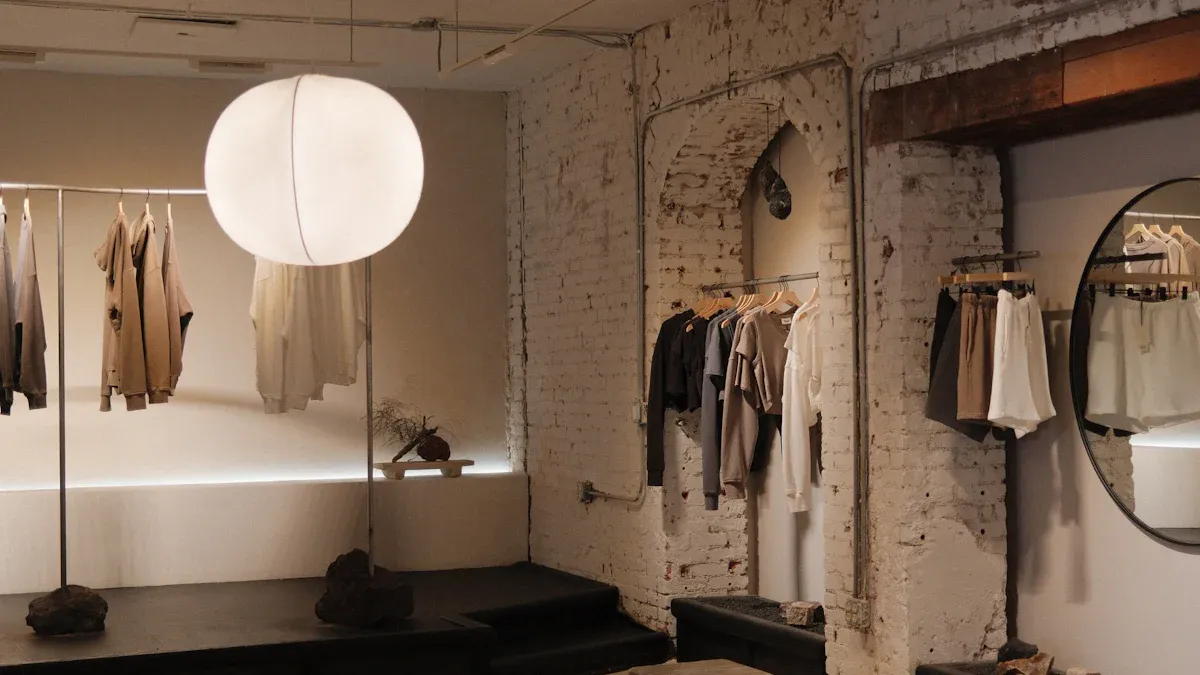
Leading brands recognize that a physical store must offer more than just products on a shelf. They transform their locations into destinations that provide value beyond the transaction. This approach, often called experiential retail, focuses on creating memorable customer experiences. Successful retailers achieve this by blending community engagement with functional design, giving customers compelling reasons to visit and stay.
Integrate Culture and Community
The most innovative retailers embed their stores within the local fabric. They create spaces that reflect the community’s identity, fostering a sense of belonging and emotional resonance. This strategy turns a global brand into a local favorite.
Host Local Events and Workshops
Smart retailers create opportunities for connection by hosting events. These gatherings build a community around the brand.
- Joint Events: Partnering with other local businesses for pop-ups or workshops introduces the store to new audiences.
- Charity Support: Aligning with local nonprofits for fundraisers solidifies customer loyalty. People prefer supporting businesses that give back to their community.
- Performance Tracking: Retailers measure event success by tracking metrics like attendance, social media engagement using event-specific hashtags, and sales data during the event. This helps them refine their event content for future success.
Feature Local Art and Collaborations
Brands create unique environments by showcasing local talent. Nike, for example, has created city-specific store interiors and merchandise for major marathons. These activations are tailored to the local running community’s interests. This localized content strengthens brand affinity. Similarly, IKEA enhances its shopping journey with an augmented reality app, allowing customers to visualize products in their own homes, turning a store visit into an interactive design session.
Prioritize Practical Comfort and Functionality
A store’s atmosphere directly impacts shopper behavior. A comfortable and intuitive environment encourages customers to spend more time and money. Retailers who invest in functional design see a tangible return.
Thoughtfully planned layouts guide shoppers, help them find products, and encourage discovery. A space that is easy to navigate and visually engaging builds trust and improves brand perception.
Design for Increased Dwell Time
Comfort is key to keeping customers in the store longer. Retailers who prioritize customer comfort and functional design can see a sustained sales increase of 7%-10%. They track key metrics to measure the return on their design investment, including:
- Average visit duration
- Average basket size
- Shopper return frequency
These metrics provide clear insight into how store design influences purchasing behavior.
Streamline the Checkout Process
A seamless checkout is the final, critical step in the customer journey. Long lines or complicated payment processes can erase all the goodwill built during the visit. Top retailers invest in mobile point-of-sale systems and efficient layouts to make purchasing quick and effortless. This final positive interaction provides new opportunities to solidify a lasting customer relationship.
They Drive Loyalty with Value-Added In-Store Services
Top retailers understand that loyalty is earned through experiences, not just transactions. They create this loyalty by offering services that add tangible value to the in-store visit. These offerings transform a simple shopping trip into a personalized, memorable event. A small 5% increase in customer retention can boost profits by 25% to 95%, showing the immense financial benefit of keeping existing customers happy. Smart retailers focus on services that build these lasting relationships.
Provide Exclusive In-Person Offerings
Exclusive in-person services create powerful incentives for customers to visit a physical store. These offerings cannot be replicated online. They provide a high-touch experience that justifies a trip and builds strong brand affinity.
Personal Styling and Consultations
Expert advice is a highly sought-after service. Retailers offering personal styling see significant returns. This service has been shown to increase Customer Lifetime Value (CLV) by an impressive 60%. Stylists build trust, guide customers toward confident purchases, and improve conversion rates. They create personalized shopping experiences that make customers feel understood and valued.
Bespoke Tailoring and Customization
Offering tailoring and customization provides a perfect fit and a unique product. This service elevates the perceived value of an item. It turns an off-the-rack purchase into a personalized piece. Retailers who provide these services create new opportunities to interact with customers, strengthening the relationship long after the initial sales transaction.
Integrate Unique Hospitality Elements
Leading retailers are blurring the lines between retail and hospitality. They create inviting atmospheres that encourage customers to relax and stay longer. This strategy makes the store a destination in its own right.
In-Store Cafes and Beverage Bars
Hospitality elements like cafes create a welcoming environment. Brands such as RH and Eataly have mastered this by integrating full-service dining into their retail concepts. Luxury retailers like Dior and Ralph Lauren also use cafes to extend their brand identity. These spaces offer new opportunities for engagement and generate incremental sales.
The Impact of Service on Loyalty
Value-added services have a direct and measurable effect on customer behavior. Good programs and seamless experiences are key drivers of repeat business.
Service Element Impact on Customer Loyalty Frictionless Returns 96% of customers with a positive return experience would buy again. Loyalty Programs 80% of consumers say programs motivate them to stay with a brand. Personalization Customers who click recommendations are 5.5% more likely to complete a purchase.
Exclusive Product Tastings or Demos
Interactive experiences drive immediate interest and sales. For food, beverage, or beauty retailers, offering tastings or live demonstrations is a powerful tool. These events allow customers to experience a product’s benefits firsthand. This direct engagement often leads to a quick conversion and a more confident purchase decision.
They Use AI as a Backstage Superpower for Retail Marketing
While customers see a seamless in-store experience, top brands are running a sophisticated digital operation behind the scenes. They use Artificial Intelligence not as a customer-facing novelty, but as a backstage superpower. A significant 85% of retail companies have already implemented AI-based solutions. The primary driver for this adoption is clear. 54% of decision-makers state they use AI to boost operational efficiencies. This focus on the back-end is the secret to perfecting the front-end experience. This strategic use of AI is a cornerstone of modern retail marketing.
Optimize Core Business Operations
Leading retailers leverage AI to refine their most critical business functions. This innovation creates a resilient and responsive operational backbone. The result is fewer errors, lower costs, and a greater ability to meet customer demand. Advanced analytics provide the engine for this transformation.
AI-Powered Inventory Management
AI transforms inventory management from a reactive task into a predictive science. Brands like Zara use AI to analyze sales data, purchasing patterns, and even weather forecasts. This data helps them anticipate demand with remarkable accuracy. AI tools then dynamically allocate stock to stores where it is most needed. This process minimizes out-of-stock situations and reduces excess inventory, directly impacting the bottom line. The right products are always in the right place at the right time.
Predictive Supply Chain Logistics
A modern supply chain must be agile. AI-powered analytics deliver the necessary intelligence. These systems create robust predictions about potential disruptions, from supplier delays to geopolitical risks. AI algorithms also optimize shipping routes in real time by analyzing traffic, weather, and fuel costs. This digital capability allows retailers to make proactive adjustments. It ensures goods move efficiently from the warehouse to the sales floor, safeguarding the customer experience from logistical challenges.
Build a Data Foundation for Future Trends
The true power of AI is unlocked with high-quality data. Forward-thinking retailers are not just using AI for today; they are building a data foundation for tomorrow’s trends. This involves structuring and enriching their internal data to make it “AI-ready.”
A connected data foundation provides AI with the context needed to generate powerful insights, predictions, and automations. The quality of AI output is directly tied to the quality of its input data.
Develop AI-Ready Product Catalogs
An AI-ready catalog is more than a simple product list. It is a rich, structured source of data. AI tools automatically enrich this data by adding granular attributes from product images, such as fabric type or silhouette. This detailed data improves on-site search and powers more relevant recommendation engines. It transforms a raw product feed into a powerful asset for personalization. This clean data is essential for future trends in commerce.
Enhance Internal Data Systems
Effective AI requires a unified view of all business data. Top retailers are breaking down internal data silos. They are creating connected systems that provide a complete, real-time picture of customers and operations. This holistic data allows AI models to generate more accurate analytics and predictions. A strong digital infrastructure ensures that every piece of data, from sales figures to customer interactions, contributes to a smarter, more responsive organization. These retailers are prepared for the next wave of AI-driven commerce.
They Empower People Through Technology
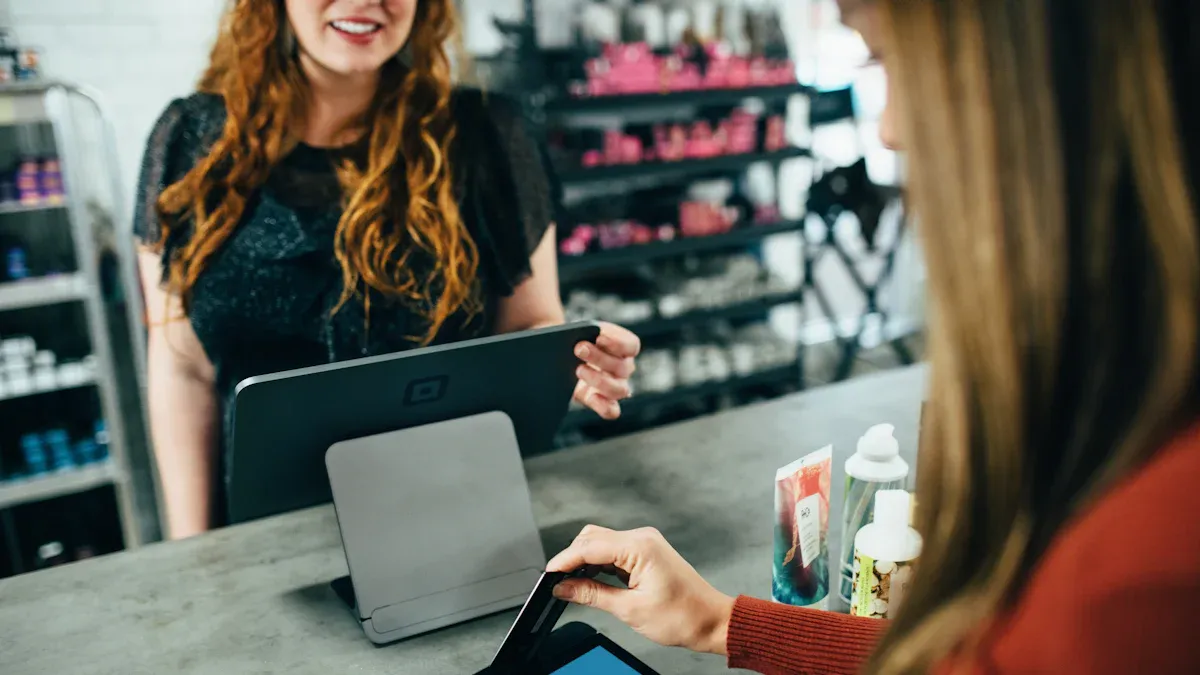
An exceptional retail experience hinges on empowered employees. Top brands understand that technology’s greatest value lies in its ability to augment human capabilities, not replace them. By automating routine tasks and equipping staff with powerful tools, retailers create a more engaged and effective workforce. This strategic empowerment directly translates to a superior customer experience. A recent IDC survey confirms this link. It found that 85% of business leaders agree that an improved employee experience leads to higher customer satisfaction and increased revenue.
Automate to Elevate Human Interaction
The most forward-thinking retailers use automation as a tool to elevate their teams. They strategically implement systems that handle mundane, repetitive work. This frees employees to focus on what they do best: building relationships and solving complex customer problems. The goal is not to reduce headcount but to enhance human value.
Free Up Staff from Repetitive Tasks
Automation excels at managing predictable, process-driven tasks. Smart retailers leverage technology for functions that consume significant staff time.
- Inventory Management: Automated systems track stock levels in real time and can even trigger reorders, ensuring shelves remain full.
- Order Fulfillment: In warehouses, robotic systems manage picking and packing, processing orders with greater speed and accuracy.
- Operational Monitoring: AI can monitor the shelf life of perishable goods in grocery stores, significantly reducing waste and manual checks.
By offloading these duties, retailers allow their teams to be more present and available on the sales floor.
Focus Teams on High-Value Customer Service
When employees are not burdened with administrative tasks, they can dedicate their energy to high-impact customer interactions. This human touch is a critical differentiator. While automation handles the process, employees provide the empathy and nuanced problem-solving that technology cannot replicate. A majority of consumers, 59% in fact, believe human interaction is essential for addressing complex issues. Leading retailers invest in upskilling their teams, training them to collaborate with new systems and focus on roles centered around customer engagement and expert consultation.
Arm Employees with Better Tools
Empowerment also comes from providing employees with the right information at the right time. Mobile devices and data-driven tools transform store associates from clerks into knowledgeable consultants. This shift enhances their confidence and effectiveness, directly improving the quality of customer service and driving a higher rate of conversion.
Provide Real-Time Customer Insights
Modern tools give employees access to a wealth of information directly on the sales floor. Associates can view a customer’s purchase history, loyalty status, and preferences. This insight allows for truly personalized recommendations and a more consultative sales approach. It transforms a generic interaction into a tailored experience, making the customer feel understood and valued. This level of service builds lasting relationships and fosters brand loyalty.
Enable Mobile Point-of-Sale Systems
Mobile Point-of-Sale (mPOS) systems are a game-changer for physical retail. These devices untether employees from the traditional cash wrap, allowing them to assist customers and complete transactions anywhere in the store.
Global apparel brand AllSaints equipped its associates with mPOS devices, enabling them to check real-time inventory, place online orders for out-of-stock items, and process payments on the spot. This bridges the gap between the online and in-store experience.
In a case study with Petstock, an impressive 86% of staff reported that mPOS devices improved their ability to sell and upsell. By providing instant access to product data and inventory levels, these tools empower employees to answer questions confidently and close sales efficiently.
They Master Hyper-Relevant Curation and Service
Top brands win by making global feel local and making shopping feel personal. They understand that relevance is the new currency in retail. This is achieved through a dual focus. First, they adapt their brand to fit the unique culture of each market. Second, they revive high-touch, individualized service. This combination creates an experience that is impossible to replicate online. Successful retailers know that a one-size-fits-all approach no longer works.
Localize the Global Brand Experience
The most successful global retailers do not impose a uniform identity on every location. Instead, they weave their brand into the local cultural fabric. This strategy makes the brand feel authentic and welcome. It shows respect for the community and its traditions.
Tailor Product Assortments by Location
Smart retailers curate their product offerings to match regional preferences. This goes beyond simple demographics. Nestlé, for example, found immense success in Japan by creating dozens of unique KitKat flavors like Japanese horseradish and powdered green tea. These products cater directly to local tastes and have become popular cultural gifts. Similarly, Nike developed the Pro Hijab after collaborating with Muslim athletes. This product addressed a specific need within a cultural market, demonstrating a deep understanding of the consumer.
Adapt Marketing to Local Tastes
Localization also extends to the store environment and marketing messages. Starbucks masterfully adapted its stores in Japan. It hired local designers to incorporate traditional architectural elements, making its cafes feel like a natural part of the neighborhood. This physical adaptation creates a strong sense of belonging. In the digital space, Spotify localizes playlist thumbnails to reflect different cultures, making the user experience feel more personal and familiar.
Revive High-Touch Customer Service
Technology provides the data, but people provide the service that builds loyalty. Leading retailers are reinvesting in the human element. They empower their teams to offer expert, personalized guidance that adds immense value to the shopping experience.
The Power of Personalization
True personalization is central to modern retail. Brands that excel understand that no two customers are the same.
- Sephora uses its robust loyalty program and data to create massively curated experiences.
- Function of Beauty offers nearly 54 trillion hair care formula combinations based on individual quizzes.
- Nike uses its Nike Fit app to provide accurate sizing, enhancing the customer journey with data-driven tools.
Invest in Expert Personal Shoppers
Expert advice transforms a transaction into a consultation. Retailers are investing in personal shoppers and stylists who can provide tailored recommendations. These experts use their knowledge to build trust and guide customers toward confident purchases. This high-level service justifies a trip to the physical store. It creates a memorable interaction that a chatbot or algorithm cannot match.
Build Long-Term Client Relationships
The ultimate goal of high-touch service is to build lasting relationships. This practice, known as clienteling, focuses on understanding and anticipating a customer’s needs over time. Associates who remember past purchases and preferences can provide proactive, relevant suggestions. This level of personalization fosters deep loyalty. It shifts the focus from a single sales event to a continuous, valuable partnership between the brand and the customer. These strong relationships are what drive sustainable growth for top retailers.
They Capitalize on Emerging Retail Media and AI Channels
Leading brands are navigating a profound shift in the digital landscape. They recognize that customer discovery and purchasing journeys are moving to new platforms. Success in modern retail marketing requires capitalizing on two key trends: AI-driven answer engines and the explosive growth of retail media networks. These channels offer unprecedented opportunities for connection and conversion.
Treat Answer Engines as a New Frontier
The traditional search bar is evolving. Conversational AI like Google’s AI Overview and Amazon’s Rufus are becoming primary tools for product discovery. These “answer engines” provide direct, synthesized responses, changing how consumers find and buy products. This new media requires a new approach to content.
Optimize Content for AI Shopping Agents
Brands must now create content designed for machine comprehension. An AI shopping agent relies on structured, high-intent data to make recommendations. Optimizing your digital content is essential.
- Structure product listing content with rich, specific keywords.
- Target long-tail buyer intent phrases that AI systems favor.
- Utilize AI tools to generate high-quality descriptive content at scale.
- Ensure all content is clear, accurate, and provides direct answers to potential questions.
This detailed content strategy ensures products are visible and favored by AI.
Ensure Brand Visibility on Emerging Platforms
Product discovery is no longer confined to a brand’s website or a single retail media marketplace. Consumers seek information across a wide array of digital media. Brands must practice “Search Everywhere,” ensuring their content is present on platforms like TikTok, YouTube, and Reddit. This diverse content footprint provides the citations and signals that answer engines use to validate and rank products, creating new opportunities for engagement.
Invest Strategically in Retail Media Networks
Retail media is a dominant force, with ad revenue projected to reach $178.2 billion by 2025. Top brands are not just participating; they are investing strategically in retail media networks. These platforms, run by retailers like Target and Walmart, offer direct access to high-intent shoppers. The rapid expansion of the retail media landscape presents significant opportunities.
Projected Growth in AI and Retail Media
The investment in technologies powering this shift is accelerating, highlighting the urgency for brands to adapt.
Source Year Worldwide AI Spending Growth Rate Gartner 2025 $1.48 trillion N/A Gartner 2026 > $2 trillion 36.8% (from 2025)
Leverage First-Party Data for Targeting
The primary advantage of retail media networks is their access to rich, first-party shopper data. Platforms like Target’s Roundel use this data to enable precise audience targeting. This allows brands to move beyond generic campaigns. They can deliver personalized media content to specific customer segments, boosting campaign effectiveness. Strong data analytics are crucial for unlocking the full potential of these retail media networks.
Measure On-Platform and In-Store Impact
Effective investment in retail media demands robust measurement. Top brands demand closed-loop analytics that connect digital ad spend to both online and in-store performance. This comprehensive measurement proves ROI and justifies media budgets. A unified data strategy for measurement is critical. It ensures that insights from retail media networks inform decisions across the entire organization, from marketing to supply chain, driving incremental sales. The right measurement framework turns retail media from a simple media buy into a strategic growth engine. Proper measurement of retail media networks is key. This focus on measurement is a core tenet of successful retail media. The data from this measurement provides invaluable analytics.
They Prepare for the Future of Commerce
Forward-thinking brands do not wait for the future; they build it. They actively prepare for the next wave of commerce by focusing on two pivotal trends: the rise of AI-driven shopping and the non-negotiable demand for sustainability. This preparation involves structuring data for machines and aligning business practices with consumer values. These proactive strategies ensure long-term resilience and relevance.
Structure Data for Agentic Commerce
The future of digital shopping involves AI agents making purchases on behalf of users. Brands must prepare their digital infrastructure for this shift. Success requires making product information easily understandable for these new automated systems. This is a critical step in future-proofing online sales.
Prepare Product Feeds for AI Shoppers
Brands must make their products machine-readable to be visible to AI shoppers. This involves more than just listing specifications.
AI agents require rich, structured data to make accurate predictions and recommendations. Preparing this data now is essential. Key actions include:
- Implementing schema markup to create a consistent, machine-readable view of products.
- Including contextual metadata and natural-language copy to help agents map products to shopper goals.
- Ensuring product feeds are clean and current on trusted third-party media channels.
- Allowing discovery crawlers like OAI-SearchBot and Googlebot to access your site, making your catalog visible to large language models.
This clean data foundation ensures your media is ready for AI.
Develop Conversational Commerce Strategies
Conversational AI is a powerful new media channel. Brands must develop strategies to engage with it effectively. This means creating content that directly answers consumer questions. Integrating FAQs and user-generated content into product data provides valuable training material for AI agents. These conversational media strategies improve visibility and build trust with both AI and human shoppers. The predictions for this space show rapid growth.
Embrace Sustainable Retail Marketing Practices
Modern retail marketing must reflect a deep commitment to sustainability. A significant 67% of both Millennial and Gen X shoppers prefer sustainable brands. This shift is part of a larger ‘slow living’ trend, where consumers prioritize high-quality, durable products. Brands that embrace this ethos build powerful connections.
Implement Eco-Friendly Packaging
Sustainable practices begin with tangible changes. Eco-friendly packaging is a highly visible commitment. Walmart, for example, is replacing packaging for its in-house brands with plant-based fibers and recycled materials. Their goal is to use entirely reusable or industrially compostable packaging by 2025. This type of initiative serves as powerful brand media, with positive predictions for its impact.
Highlight Sustainable Sourcing
Transparency in sourcing is a cornerstone of modern brand trust. Leading companies are not just adopting sustainable practices; they are making them a core part of their brand story.
- Farm Rio achieved B Corp certification and builds its brand around pillars like reforestation and using recycled fabrics.
- Mars launched an animal-free chocolate bar with certified cocoa, reducing its carbon footprint.
Highlighting these efforts through digital media and on-product labeling turns sustainable operations into a compelling marketing asset. These data-backed stories resonate with the modern consumer, driving loyalty and influencing purchase decisions. The predictions for this trend are strong.
The future of retail marketing is not a choice between technology and the human touch; it is about using technology to perfect it. Top brands prove that operational excellence, powered by AI and data, is the engine for creating authentic and valuable customer experiences. This media strategy, centered on retail media, is a critical media focus.
By focusing on in-store value, hyper-relevant service, and strategic adoption of new channels, brands build resilience. This includes mastering retail media, retail media, retail media, retail media, retail media, retail media, retail media, and all digital media. This media approach, leveraging retail media, is the future media.
FAQ
What is experiential retail?
Experiential retail transforms stores into engaging destinations. It focuses on creating memorable customer experiences through events, community integration, and unique in-store services. The goal is to build brand affinity beyond the transaction.
How does AI help in retail marketing?
AI acts as a backstage superpower for operational efficiency. It optimizes core functions like inventory management and supply chain logistics. This allows staff to focus on high-value customer interactions and service.
Why is employee empowerment so important?
Empowered employees deliver superior customer service. Technology that automates routine tasks and provides real-time data allows staff to become expert consultants. This human touch is a critical differentiator for top brands.
What is a retail media network (RMN)?
An RMN is an advertising platform operated by a retailer. It gives brands direct access to the retailer’s first-party shopper data. This enables highly targeted ad campaigns on the retailer’s digital properties.
How can brands prepare for AI shopping agents? 🤖
Brands must structure their product data to be machine-readable. Key actions include:
- Implementing schema markup.
- Creating rich, descriptive content.
- Ensuring product feeds are clean and current.
This preparation ensures visibility to automated shopping systems.
Why is sustainability a key retail trend?
Modern consumers actively prefer sustainable brands. Highlighting eco-friendly practices in sourcing and packaging builds powerful trust. This commitment resonates with customer values and drives long-term loyalty and sales.