
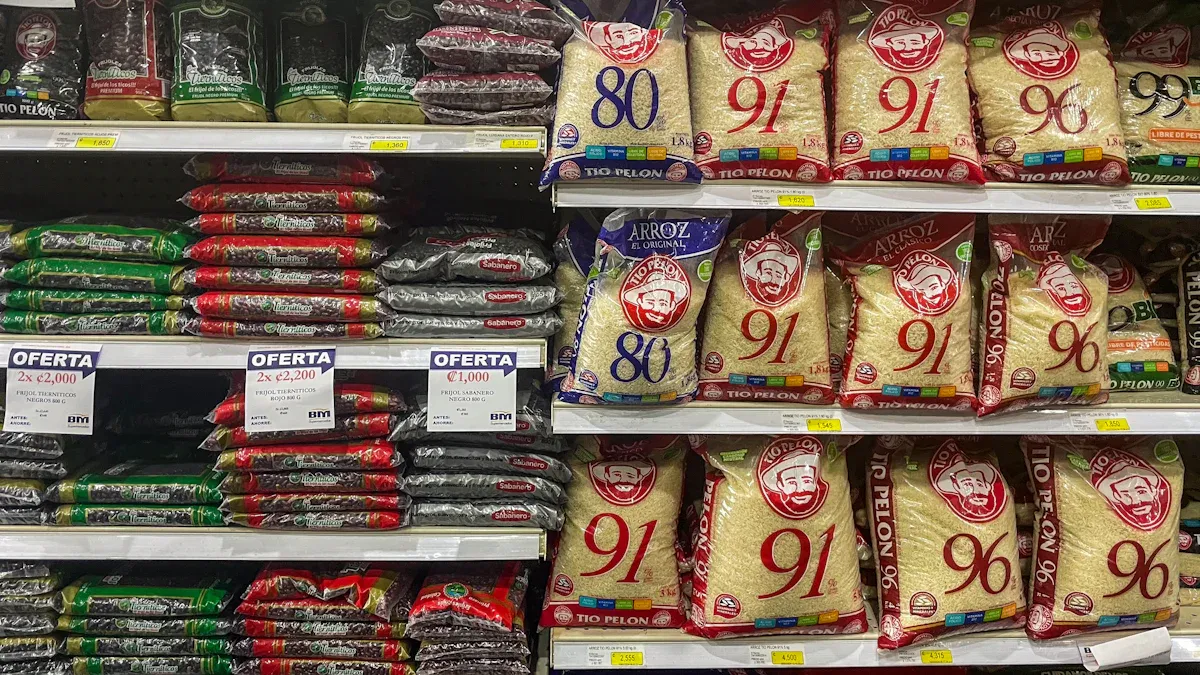
You must look beyond the initial sticker price to find the real cost of pricing. Traditional price tags seem cheap, but digital price tags offer significant long-term cost savings. Your Esl Retail store’s ESL Gateway AP sends dynamic updates to every ESL Price Tag, ensuring flawless accuracy. These digital price tags and electronic shelf labels enable a dynamic strategy. This improves pricing accuracy and builds customer trust. Choosing digital price tag displays or electronic pricing labels means weighing upfront investment against the operational efficiency gained from digital price tags.
The Upfront Investment: Tags vs. Printers
Evaluating the initial financial outlay is a critical first step. You will find that digital and manual systems have fundamentally different cost structures. Your choice involves weighing a significant one-time investment against a smaller initial purchase with recurring expenses.
The Cost of Digital Price Tag Displays
You must view the transition to digital price tags as a complete system upgrade. The investment extends beyond the individual digital price displays on your shelves. The primary cost comes from the digital price tags themselves, with prices varying based on features.
| Model | Price Range | Key Features |
|---|---|---|
| Newton M3 2.2” | $8 – $10 | Full graphic E-ink, 7-color LED, POS integration |
| EE-153R | $10 – $15 | 25m indoor range, Full graphic E-ink, waterproof |
| Minew Supermarket 2.9” | $5 – $13 | 3-color E-ink, 7-color LED, POS integration |
Beyond the electronic pricing labels, you must account for the essential infrastructure that powers your new retail display management system.
System Infrastructure Costs Implementing digital price tags requires a significant initial investment. This includes not only the digital price labels but also the supporting hardware and software. You will need to budget for:
- Wireless access points or gateways
- Central management software and potential licensing fees
- Server hardware to run the system
- Professional installation and integration
These components work together to create the robust network that makes instant updates possible for all your electronic shelf labels.
The Cost of Manual Label Systems
The upfront cost for a manual system is considerably lower. Your main expense is a commercial-grade label printer. These devices have a wide price range, from budget-friendly models under $100 to high-volume industrial units costing over $1,500. This allows you to select a printer that fits your immediate budget and operational scale.
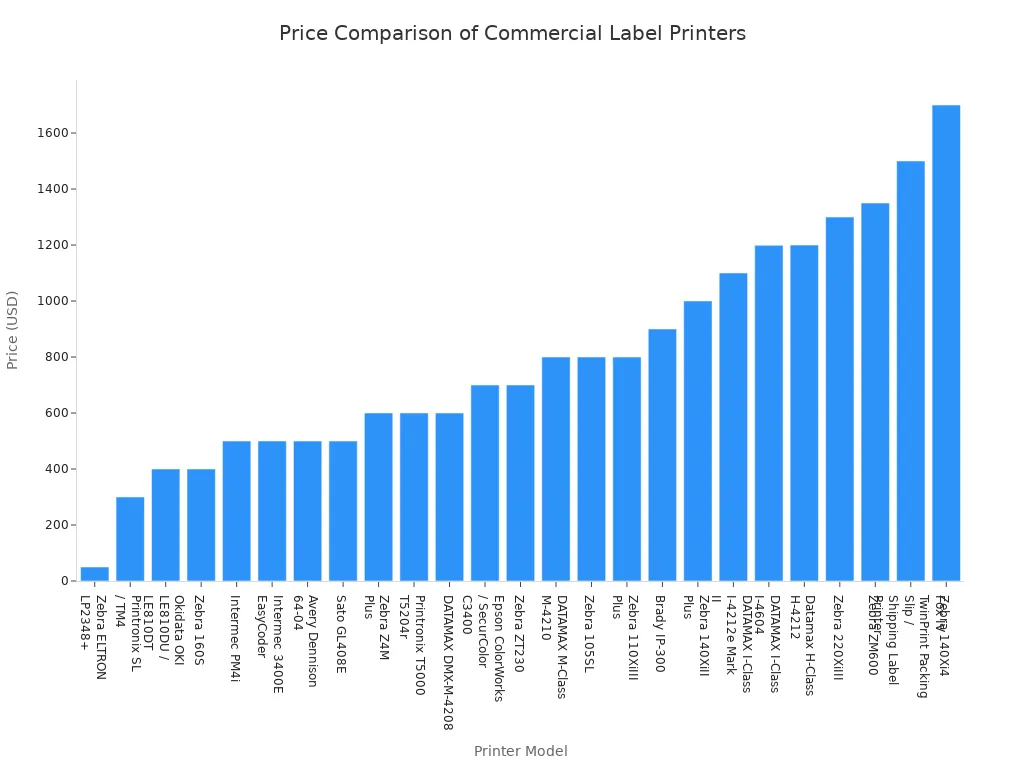
While the initial hardware cost is lower than that of digital price tag displays, this system relies on consumable materials. You must continuously purchase paper and ink to produce your traditional price tags. This initial affordability for traditional price tags is offset by ongoing material and labor costs, which we will explore next.
Analyzing Daily Operational Costs
The initial investment is only one part of the financial picture. You must analyze the recurring daily expenses to understand the true cost difference. Manual systems introduce significant ongoing costs in labor, materials, and error correction. Digital price tags, in contrast, streamline these operations and create substantial long-term savings.
Labor: Manual Changes vs. Instant Updates
Your largest recurring expense with traditional price tags is labor. Employees must physically walk the store, find the correct products, remove old labels, and apply new ones. This process is slow, tedious, and prone to mistakes. You lose valuable staff hours that could be spent assisting customers or managing inventory.
Consider the time savings reported by major retailers. A task that once took an employee two full days to complete can now be finished in just a few minutes using digital price tags. Your team can execute store-wide pricing updates from a central computer. These automated updates free your staff to focus on revenue-generating activities instead of manual price changes. The system sends all updates instantly, ensuring every tag reflects the correct price without any physical intervention. This shift from manual labor to automated updates represents a fundamental improvement in operational efficiency.
A Shift in Focus With digital price tags, your employees transition from price checkers to customer service experts. The time saved on manual updates is reallocated to:
- Improving customer engagement on the sales floor.
- Optimizing stock levels and shelf presentation.
- Executing merchandising strategies more effectively.
This dynamic system allows for rapid pricing updates, giving you complete pricing control without the labor overhead. Your price management becomes a strategic tool, not a logistical burden.
Materials: Paper, Ink, and Waste
Manual labeling creates a constant need for consumable supplies. You must regularly purchase paper, labels, and printer ink or toner. While the cost per label seems small, it accumulates significantly over thousands of SKUs and frequent pricing updates. This model also generates considerable waste from discarded labels and packaging.
Digital price tags eliminate these recurring material costs entirely. The displays are reusable for years and require no paper or ink for updates. The only ongoing material cost is the occasional battery replacement, which is minimal compared to the continuous expense of traditional price tags. This not only reduces your operational budget but also supports your store’s sustainability goals by minimizing paper waste. The transition to electronic pricing labels is a one-time hardware purchase that removes a permanent line item from your expense sheet.
The Financial Impact of Pricing Errors
Pricing errors are an expensive and often hidden cost of manual systems. An employee might place the wrong tag on a shelf, forget to update a price, or print a label with a typo. These mistakes lead directly to lost revenue, customer dissatisfaction, and potential legal compliance issues. When a customer finds a discrepancy at the checkout, you often must honor the lower shelf price, eroding your profit margin.
This is where digital price tag displays offer a decisive advantage. By centralizing pricing management, you ensure flawless price accuracy across every shelf. The price in your price management software is the price your customer sees. This level of accuracy is nearly impossible to achieve manually.
Case studies from retailers highlight the dramatic improvement. For example, GreenMart saw a 99% reduction in pricing errors after implementing electronic shelf labels. Similarly, Coop Denmark reported that pricing errors were “totally eliminated” with their new system. These automated updates provide the real-time pricing accuracy needed to protect your margins and build customer trust. The dynamic nature of digital price tags ensures your real-time updates are always correct, giving you confidence in your pricing strategy and its execution. This high degree of accuracy in your pricing management is a core benefit of instant price updates.
The Strategic Value of Electronic Shelf Labels
Beyond cost savings, electronic shelf labels offer powerful strategic advantages. You can transform your pricing management from a simple operational task into a dynamic tool for growth. These digital price tags empower you to react instantly to market changes, execute flawless promotions, and build lasting customer trust. This dynamic capability is a core benefit of using digital price tags.
Enabling Dynamic and Real-Time Pricing
You can implement powerful dynamic pricing strategies with digital price tags. Your price management software allows for real-time pricing updates across the entire store. This gives you the flexibility to adjust prices based on demand, inventory levels, or competitor actions. This is especially valuable for perishable or seasonal goods. Your dynamic updates help you achieve better outcomes.
- You can achieve higher profits by adjusting prices based on real-time supply and demand.
- You can reduce excess inventory and waste with timely pricing updates driven by stock levels.
These dynamic pricing strategies, enabled by automated updates, turn your shelves into a responsive and intelligent system.
Improving Promotional Accuracy
Digital price tags ensure perfect promotional execution and pricing accuracy. Manual changes often lead to errors, with incorrect or outdated sale tags confusing customers and hurting your bottom line. With electronic pricing labels, your promotional updates are synchronized with your central system.
You can update messaging across stores in real time. This offers new monetization opportunities. It also provides customers with richer, more relevant information right at the decision point. Your price changes can be reflected on every relevant shelf within minutes.
This level of accuracy and speed is impossible with paper labels. The automated updates from digital price tags guarantee that your advertised specials match the shelf price every time, protecting your margins and brand reputation.
Enhancing Customer Trust and Experience
Consistent pricing accuracy is fundamental to a positive customer experience. When customers see that your shelf prices always match the checkout price, you build their trust. Digital price tag displays eliminate the frustration of price discrepancies. This reliability enhances customer engagement and fosters loyalty. The clear, easy-to-read screens of digital price tags improve the overall shopping journey. This focus on a seamless customer experience and building customer trust is a key advantage of these dynamic updates.
Calculating Your Return on Investment (ROI)

You must justify the initial expense of a new system with a clear financial return. Calculating your return on investment (ROI) moves the conversation from cost to value. For digital price tags, the ROI comes from dramatic operational savings and new strategic capabilities. You can quantify these benefits to build a powerful business case for making the switch. This analysis will show you how the technology pays for itself and continues to generate value for years.
How Digital Price Tags Pay for Themselves
Digital price tags deliver their return primarily through massive reductions in labor costs. You can slash labor expenses associated with price management by up to 80%. A mid-sized store can save over $10,000 annually by eliminating manual price tag updates. For a retailer managing 10,000 price tags, that figure can climb to $39,000 per year by removing 50 hours of weekly manual labor. These significant labor cost reductions, combined with the elimination of paper and ink expenses, mean that digital price tags often deliver a full return on investment within one to three years.
The system pays for itself by transforming your most time-consuming tasks.
- Labor Savings: Your employees no longer spend hours printing, finding, and replacing paper labels. All price updates become instant and automated.
- Material Savings: You eliminate the recurring budget line for paper, label stock, and printer toner.
- Error Reduction: Perfect pricing accuracy prevents margin loss from checkout discrepancies, directly protecting your revenue.
These direct savings create a clear and rapid path to profitability for your investment in digital price tags. The frequent updates are no longer a cost center but a seamless background operation.
Finding Your Break-Even Point
Your break-even point is the moment your total savings equal your initial investment. You can calculate this with a simple formula. This calculation gives you a specific timeline for when your digital price tags start generating pure profit.
The Break-Even Formula You can find your break-even point in years by dividing the total cost of the solution by your total annual savings.
Cost of solution / Savings per year = Years to break-even
For example, a system costing $170,000 with annual savings of $416,345 reaches its break-even point in just five months. To find your own annual savings, you must add up all the cost reductions and new revenue opportunities.
Your Savings Calculation Checklist 📝 Use these categories to estimate your potential annual savings:
- Pricing Labor: Calculate the weekly hours your staff spends on price changes and multiply by their hourly wage.
- Printing Costs: Tally your annual spending on paper labels, ink, and printer maintenance.
- Restocking Efficiency: Estimate time saved on restocking with clearer, more accurate electronic pricing labels.
- Pricing Error Elimination: Estimate your annual losses from honoring incorrect shelf prices.
- Margin Optimization: Project a small percentage increase in margins from implementing a dynamic pricing strategy.
- Promotional Lift: Estimate a sales increase from clearer, more accurate promotional messaging and updates.
This detailed analysis will give you a realistic projection for your store’s break-even timeline. The ability to perform dynamic updates is a key driver of these savings.
Factoring in Long-Term Value
The ROI for digital price tags extends far beyond the break-even point. You unlock long-term strategic value that continuously improves your operations and profitability. This value comes from data, efficiency, and an elevated customer experience. The system’s dynamic nature builds a foundation for future growth and builds customer trust.
This technology enhances your entire inventory management process. Real-time updates between shelves and your warehouse system ensure data is always synchronized, which reduces discrepancies. This improved visibility allows you to optimize storage space and make smarter, data-driven decisions about stock levels. Your team’s productivity soars as they shift from manual inventory checks to value-added tasks that improve customer engagement.
Ultimately, this operational excellence translates into a better shopping journey. Flawless pricing accuracy builds deep and lasting trust with your shoppers. When customers know your prices are always correct, their confidence in your brand grows. This reliability, combined with clear and modern displays, enhances the overall customer experience and fosters loyalty. The long-term value of digital price tags lies in creating a more efficient, intelligent, and trustworthy retail environment.
Making the Right Choice for Your Store
Selecting the right pricing system requires you to look at your store’s unique operational profile. The best choice depends on your scale, the pace of your business, and your long-term strategic vision. You must analyze these factors to determine if the upfront investment in digital price tags will deliver a worthwhile return.
Impact of Store Size and SKU Count
Your store’s size and product count are primary drivers in this decision. For a small shop with a few hundred SKUs, manual updates may be manageable. However, as your inventory grows, the labor cost of manual changes quickly becomes unsustainable. The tipping point often arrives sooner than you might expect. For a store with 8,000 SKUs, the cost of manual updates can justify the switch to digital price tags.
| Metric | Value |
|---|---|
| Store Size | 8,000 SKUs |
| Average Price Changes/Month | 2 times |
| Manual Update Time/Label | 1.5 minutes |
| Hourly Staff Cost | $15/hour |
| Monthly Labor Cost | $6,000 |
| ROI for ESLs | < 18 months |
This scenario shows how quickly labor costs for manual updates accumulate, making digital price tags a financially sound investment with a rapid payback period.
Frequency of Pricing Updates
You must also consider how often you change prices. If your pricing is static, paper labels are simple. If you run frequent promotions or adjust prices weekly, the operational burden of manual updates becomes immense. Digital price tags transform your pricing updates from a logistical chore into a strategic advantage. The system automates all updates instantly.
| Feature/Impact Area | Manual Updates | Digital Updates |
|---|---|---|
| Labor Utilization | High overhead, consumes significant staff time | Reduces manual work by up to 80% |
| Accuracy | Prone to errors, leading to revenue loss | Centralized data eliminates errors |
| Response Time | Slow, can take days to implement changes | Instant, real-time price and promo updates |
| Scalability | Difficult to adapt to growing demands | Designed to handle growth seamlessly |
With digital price tags, you can execute promotional updates flawlessly, reducing compliance errors by 90% and ensuring a consistent customer experience. This dynamic capability makes frequent updates efficient and error-free.
Aligning with Strategic Business Goals
Finally, you should align your choice with your broader business objectives. Digital price tags are more than a cost-saving tool; they are an enabler of modern retail strategy. If your goal is to lead on price, you can implement dynamic pricing strategies based on real-time data. Your pricing management becomes proactive, not reactive. These dynamic updates allow you to respond instantly to competitors.
This technology is also essential for omnichannel success, eliminating price discrepancies between your online and physical stores—a common pain point in traditional retail. Furthermore, adopting electronic pricing labels supports your corporate sustainability goals. By eliminating paper labels, you can reduce emissions by a factor of 32,000, demonstrating a powerful commitment to environmental responsibility. These strategic benefits make digital price tags a cornerstone of a forward-thinking retail operation.
You will find the high operational costs of traditional price tags make digital price tags a cost-effective solution. For smaller stores, traditional price tags may suffice. Your operational scale ultimately determines the real cost. As your store grows, the savings from digital price tags become undeniable. You can build customer trust with dynamic updates. The system’s dynamic nature ensures all your updates are instant, which builds further trust. These dynamic updates make digital price tags a superior choice for managing frequent updates.
FAQ
How long do digital price tags last?
You can expect digital price tags to last for many years. Unlike single-use paper labels, these electronic displays are durable and reusable. Their long lifespan is a key factor in their long-term value and return on investment, making them a sustainable choice for your store.
Is installing a digital price tag system difficult?
You will find the installation process involves more than just placing tags on shelves. It requires setting up infrastructure like wireless gateways and management software. Most providers offer professional installation and integration services to ensure your system runs smoothly from day one.
How often do you need to change the batteries? 🔋
You will not need to change batteries frequently. Most digital price tags have a battery life of five to seven years, depending on the model and frequency of updates. This makes battery replacement a minimal and infrequent operational cost compared to constantly buying paper and ink.
Are digital tags a good choice for a very small store?
The choice depends on your operational scale. If you manage a small shop with few products and very infrequent price changes, the lower upfront cost of a manual label system may be more practical. Digital tags deliver the best ROI in environments with higher SKU counts and frequent updates.