For 2025, our ESL electronic price tag manufacturer rankings name SES-imagotag the market leader. Its VUSION platform offers unmatched scalability for enterprise retail. This analysis of the top Esl Retail companies evaluates technology, system reliability, and total cost of ownership. Retailers implementing Electronic Shelf Labels often reduce labor costs and boost operational efficiency. An ESL Price Tag communicates with an ESL Gateway AP for seamless updates.
Quick View: The Top 5 ESL Makers of 2025
- SES-imagotag: Best for Large-Scale Enterprise Retail
- Pricer: Best for Speed and Reliability
- Displaydata: Best for Promotions and Engagement
- Hanshow: Best for Tech-Forward Global Chains
- Zkong: Best for Cloud-First Solutions
Understanding the ESL Market in 2025
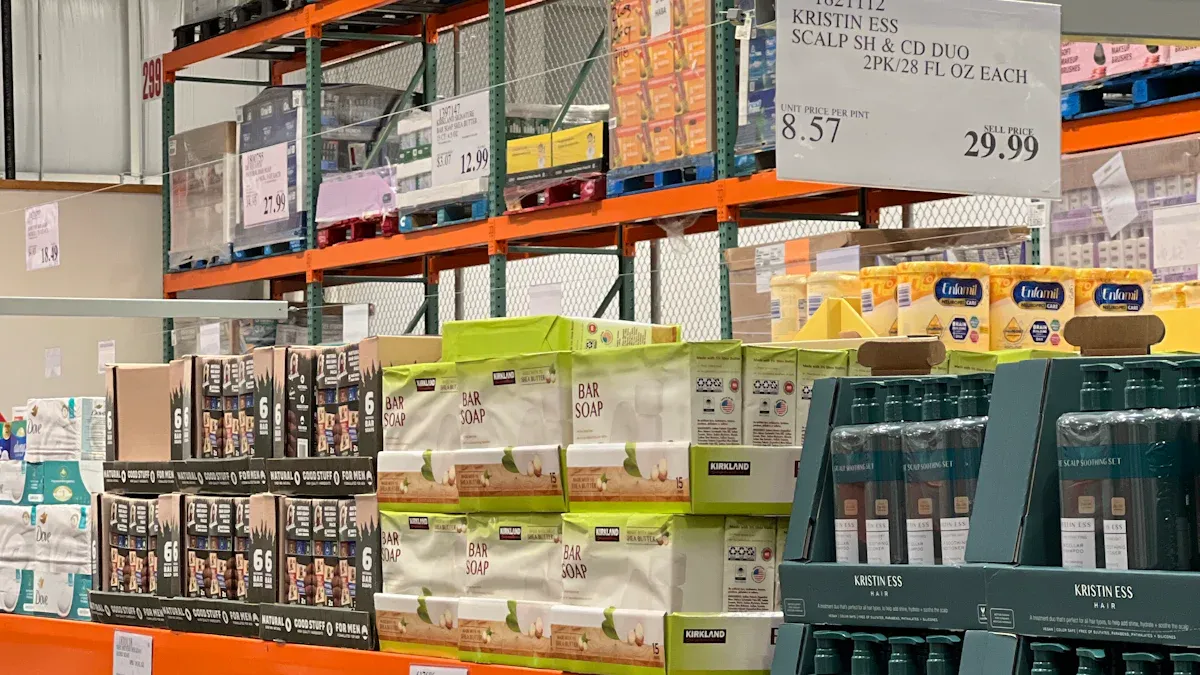
The market for electronic shelf labels is expanding rapidly. Retailers increasingly adopt this technology to automate pricing, reduce labor costs, and enhance the customer experience. Understanding the market’s current state and the technologies that power it is crucial for any business considering this investment.
Market Growth and Projections
Current Market Valuation
Industry analyses show a robust market valuation for 2025. Projections place the global electronic shelf label system market size at approximately USD 1.13 billion. Other reports suggest the total market could reach as high as USD 2.09 billion this year, reflecting strong and widespread adoption across the retail sector. This growth signals a major shift toward store digitalization.
Projected Growth Rate (CAGR)
The market’s future looks even brighter. Experts project a compound annual growth rate (CAGR) of around 12.0% for the overall market between 2025 and 2030. Certain segments show even more aggressive growth. For example, the North American market is expected to expand at a CAGR of 16.2%, while the graphic e-paper display segment may grow at nearly 14.8% annually. This sustained growth highlights the long-term value of digital shelf technology.
Key Technology Driving the Market
The Dominance of E-Paper Displays
E-paper technology is the clear leader in the ESL space. Full graphic e-paper displays command a significant market share, capturing over 47% of the industry. Their popularity stems from several key advantages over older LCD screens.
- Superior Readability: E-paper mimics the appearance of ink on paper, offering high contrast and wide viewing angles.
- Energy Efficiency: These displays consume power only when updating an image, leading to exceptional battery life.
- Dynamic Content: They can display complex graphics, promotions, and QR codes, not just prices.
While LCD labels offer a cost-effective entry point, e-paper’s low power consumption and advanced display capabilities make it the preferred choice for retailers focused on sustainability and long-term performance.
Communication Protocols: RF vs. Infrared
ESL systems use wireless protocols to communicate between a central hub and the labels. The two primary technologies are Radio Frequency (RF) and Infrared (IR).
Radio Frequency (RF) is ideal for large retail environments. It transmits data over long distances and does not require a direct line of sight, offering installation flexibility. However, it can sometimes face interference from other wireless devices.
Infrared (IR) is gaining significant traction. IR requires a direct line of sight but provides high-speed, secure data transmission with minimal interference. This makes it perfect for dense retail settings where fast and accurate updates are critical. IR systems also tend to have lower power consumption, further extending label battery life.
The Rise of Cloud-Based Platforms
Modern ESL systems increasingly rely on cloud-based architecture. Cloud platforms allow retailers to manage pricing, promotions, and inventory data across hundreds or thousands of stores from a single, centralized dashboard. This approach simplifies system management, improves scalability, and enables seamless integration with other enterprise software like ERP and POS systems.
ESL Electronic Price Tag Manufacturer Rankings for 2025
The retail landscape is fiercely competitive. Choosing the right technology partner is critical for success. Our esl electronic price tag manufacturer rankings provide a clear guide to the industry’s leaders. This section dives deep into the top three providers, evaluating their unique strengths, technological advantages, and ideal applications to help you make an informed decision.
1. SES-imagotag (Vusion)
Why They Are Number One
SES-imagotag earns its top spot through market dominance, technological innovation, and proven scalability. The company provides a comprehensive ecosystem that extends far beyond simple price changes. It empowers retailers with a powerful IoT platform for total store digitalization, making it the undisputed leader for large-scale operations.
Superior Technology: The VUSION Platform
The VUSION platform is the core of SES-imagotag’s offering. It is an enterprise-grade, cloud-based IoT solution that transforms store operations. The platform leverages AI-driven analytics to optimize everything from pricing to on-shelf availability. It combines data from multiple sources, including POS systems and computer vision cameras, to generate actionable recommendations that boost profit and reduce waste.
Key Features and System Capabilities
SES-imagotag delivers a robust feature set designed for modern retail challenges. The system allows retailers to manage and monitor millions of digital tags simultaneously, eliminating manual pricing errors. Key capabilities include:
- AI-Powered Insights: The platform applies AI to existing data to maximize on-shelf availability, optimize inventory turnover for each SKU, and organize product assortments.
- Operational Efficiency: It sends automated insights and callouts directly to store associates’ devices via the ESLs, prompting immediate action on tasks like restocking.
- Enhanced Monitoring: Retailers get a 360-degree dashboard view of trading data and IoT device health, alongside wireless mini-cameras for real-time shelf visibility.
Customer Support and Global Reach
SES-imagotag has a massive global footprint, supporting some of the world’s largest retailers. Its partnership with Walmart for a historic ESL rollout is a testament to its capability. The initial phase involves deploying 60 million VUSION labels across 500 U.S. stores, demonstrating the company’s ability to handle deployments of immense scale and complexity.
Ideal Use Cases
The VUSION system excels in complex, high-volume environments. It is perfect for retailers aiming to unify operations across a vast network of stores. Use cases include dynamic pricing, automated promotions, inventory management, and task allocation for store associates.
Best For: Large-Scale Enterprise Retail Global chains and big-box stores that require a scalable, data-rich, and fully integrated IoT platform will find SES-imagotag to be the ideal partner.
2. Pricer
A Close Contender with Unique Tech
Pricer stands out as a powerful contender among the top esl companies, distinguished by its unique communication technology. While many competitors focus on RF, Pricer has perfected the use of Infrared (IR) communication, offering a solution known for its exceptional speed and reliability.
Strengths in Infrared (IR) Communication
Pricer’s optical IR technology uses light to transmit data, which avoids the radio interference common in busy retail environments. This line-of-sight system creates a secure and stable network. Because it operates without radio waves, it is also incredibly energy-efficient, giving Pricer labels an industry-leading battery life that can exceed 10 years.
Unique Offerings: Speed and Reliability
The primary advantage of Pricer’s system is its near-instantaneous update speed. Price changes and promotions can be pushed to thousands of labels in seconds, ensuring pricing accuracy at all times. This reliability is crucial during peak sales events or for products with volatile pricing, like fresh produce. The system also supports “flash” functionality, where labels blink to guide associates for picking or restocking.
System Performance and Integration
Pricer’s platform is built for high performance and seamless integration. It connects easily with existing retail ERP and POS systems, ensuring data flows smoothly. The system’s stability and speed make it a dependable workhorse for daily operations, from price updates to facilitating click-and-collect order fulfillment.
Ideal Use Cases
Pricer is an excellent choice for grocery stores, where frequent price changes for perishable goods demand speed and accuracy. It is also well-suited for electronics retailers and any environment where RF interference is a concern. Its task management features make it valuable for improving associate efficiency in order fulfillment.
Best For: Retailers Prioritizing Speed and Battery Life Businesses like supermarkets and large-format stores that need ultra-fast, reliable updates and want to minimize battery replacement costs will benefit most from Pricer’s IR system.
3. Displaydata
The Leader in Dynamic, Eye-Catching Displays
Displaydata carves out its niche by focusing on the visual quality of its labels. While all ESLs change prices, Displaydata’s products are engineered to be the most visually appealing on the shelf. This makes them a powerful tool for marketing and in-store promotions, which is why it appears in our esl electronic price tag manufacturer rankings.
Competitive Advantages in Display Tech
Displaydata’s labels are widely recognized for their superior display quality. The company’s competitive edge comes from three key attributes:
- Brightness: Their labels are among the brightest available, ensuring they stand out even in challenging store lighting.
- Sharpness: The displays render text and graphics with exceptional clarity.
- Color Consistency: Displaydata excels at producing vibrant and consistent colors across all labels, a crucial factor for brand integrity in promotions.
Core Features and Functionality
Displaydata’s platform enables retailers to control in-store pricing and promotions with fully graphic, three-color labels (black, white, and red or yellow). These labels can display rich content, including product details, promotional flags, stock levels, and even QR codes linking to social reviews or product information pages.
Target Market and Customer Profile
The company targets retailers who view the shelf-edge as a key marketing channel. Its customer base includes a diverse range of segments that rely on promotions to drive sales. Key markets include grocery, consumer electronics, DIY/home improvement, and sporting goods stores.
Ideal Use Cases
Displaydata’s labels are perfect for executing dynamic promotional campaigns. A retailer can use them to highlight a “Deal of the Day,” advertise a BOGO (buy-one-get-one) offer, or display a special financing plan. They are also ideal for showcasing premium products where brand aesthetics are important.
Best For: Retailers Focused on Promotions and Engagement Brands and stores that want to use the shelf-edge to capture customer attention and drive promotional sales will find Displaydata’s vibrant displays to be a perfect fit.
4. Hanshow
The Rapidly Growing Global Innovator
Hanshow has established itself as a major force in the ESL market through rapid innovation and aggressive global expansion. The company demonstrates remarkable growth, particularly in key international markets. Hanshow has seen its most significant market expansion in Europe and various APAC countries. Interestingly, Japan now represents a larger portion of its business than its home market of China, highlighting its successful global strategy.
Notable Features for Diverse Industries
Hanshow offers a versatile product portfolio that serves more than just traditional retail. Its solutions are adaptable for various sectors, including department stores, supermarkets, and pharmacies. The company provides a wide range of label sizes and designs, including specialized labels for fresh food sections and freezer environments. This flexibility makes Hanshow a strong candidate for businesses with diverse operational needs.
Why a Business Might Choose Them
A business might choose Hanshow for its blend of cutting-edge technology, competitive pricing, and proven global track record. The company’s commitment to R&D ensures its partners receive future-proof solutions. Its strong performance and innovative features secure its high placement in our esl electronic price tag manufacturer rankings. Hanshow appeals to retailers who want advanced capabilities without the premium price tag of the top market leader.
Infrastructure and AI-Powered Solutions
Hanshow’s infrastructure is built on a foundation of AI and data analytics. The company’s AI retail solution uses smart cameras to provide real-time operational insights. This system monitors for out-of-stock events, tracks product volume on shelves, and analyzes customer traffic patterns. These capabilities empower store managers to optimize layouts and operations effectively. Key AI-powered solutions include:
- Inventory Robot (SPatrol Robot): An autonomous robot that patrols store aisles to manage inventory and identify stocking issues.
- ViSight Camera: A smart camera with edge computing capabilities that accurately monitors customer flow and shelf conditions.
Ideal Use Cases
Hanshow’s system is ideal for large retail chains planning a multi-national rollout. Its technology is also perfect for stores wanting to leverage AI for shelf monitoring and operational intelligence. Use cases extend from automated pricing to AI-driven stock alerts and customer behavior analysis.
Best For: Tech-Forward Retailers and Global Chains Retailers looking for an innovative technology partner with a strong global presence and advanced AI capabilities will find Hanshow to be an excellent choice.
5. Zkong (Sunyco)
The Strong Cloud-Native Player
Zkong, a brand under Sunyco, secures its position by being a true cloud-native pioneer in the ESL space. While other providers have adapted their systems for the cloud, Zkong built its entire architecture from the ground up with a Software-as-a-Service (SaaS) model. This approach offers unparalleled flexibility and scalability.
Specific Strengths in SaaS and Cloud Architecture
Zkong’s cloud-based retail platform is its greatest strength. The architecture provides real-time inventory visibility by integrating directly with warehouse and ERP systems. It supports instant price updates, bulk changes across multiple stores, and scheduled promotions, all managed from a central dashboard. This SaaS model reduces upfront hardware costs and simplifies large-scale deployments. The platform also delivers advanced features like traffic analytics, out-of-stock alerts, and QR code interactions for consumers.
The Niche They Serve
Zkong serves businesses that prioritize agility, low initial investment, and a pure cloud infrastructure. Its inclusion in the esl electronic price tag manufacturer rankings reflects the growing demand for flexible, SaaS-based solutions. The company is an ideal partner for small to medium-sized businesses or enterprises that want to avoid complex on-premise server management and prefer a subscription-based model.
Product Range and Customization
Zkong offers a comprehensive range of labels and a high degree of customization, allowing businesses to tailor the system to their specific needs. This adaptability is a key differentiator. Customization options include:
- An open API interface for seamless third-party software integration.
- An SDK (Software Development Kit) for custom application development.
- Firmware customization to meet unique operational requirements.
- Personalized and colorful ESLs to match specific branding and store aesthetics.
- Customizable layouts for the tag displays.
Ideal Use Cases
Zkong is perfectly suited for retailers who need a fast, scalable, and manageable ESL solution without a large IT team. It excels in multi-store environments where centralized control is critical. Use cases include rapid price deployment for independent grocery stores, promotional updates for boutique chains, and inventory synchronization for franchises.
Best For: Businesses Seeking Flexible, Cloud-First Solutions SMBs, franchises, and enterprises that value a scalable, cost-effective, and easy-to-manage SaaS platform will find Zkong’s cloud-native system to be the perfect fit.
How We Ranked the Top ESL Companies
Our ranking of the top esl companies results from a detailed and objective evaluation process. We analyzed each manufacturer across several critical performance categories. This method ensures our recommendations reflect the real-world value these systems provide to retailers. The following criteria formed the basis of our comprehensive assessment.
Our Evaluation Criteria Explained
Innovation and Technology
We examined each company’s commitment to research and development. This included evaluating their display technology, communication protocols like RF and IR, and the integration of advanced features such as AI and computer vision. A provider’s ability to innovate directly impacts a retailer’s competitive edge.
System Reliability and Scalability
A system’s dependability is non-negotiable. We assessed the architecture’s stability and its capacity to support deployments from a single store to thousands of locations. Leading Electronic Shelf Label (ESL) systems achieve an uptime of over 99.9%. This high reliability is crucial for maintaining accurate pricing and ensuring smooth store operations.
Market Share and Customer Base
A significant market share and a strong customer portfolio demonstrate a provider’s success and trustworthiness. We considered each company’s global footprint and the scale of their partnerships. Successful large-scale rollouts with major retailers serve as a powerful indicator of a system’s proven capabilities.
Total Cost of Ownership (TCO)
The best value extends beyond the initial price tag. Our analysis considered the total cost of ownership over the system’s lifespan.
TCO includes not just the hardware cost but also installation fees, software subscriptions, ongoing maintenance, and the expected battery life of the labels. A lower TCO signifies a more sustainable long-term investment.
Ease of Integration and API Support
Modern retail ecosystems require seamless connectivity. We evaluated how easily each ESL platform integrates with existing enterprise systems. Key factors included:
- Pre-built connectors for common POS and ERP software.
- A well-documented and flexible API for custom development.
- The availability of a software development kit (SDK) for creating unique applications.
Customer Service and Global Support Network
Effective support is critical for a successful deployment and ongoing operation. We assessed the quality of each manufacturer’s customer service and the reach of their global support network. A strong support infrastructure ensures retailers receive timely assistance for installation, training, and troubleshooting.
Which ESL Manufacturer is Right for Your Business?
Selecting the right ESL partner requires matching a provider’s strengths to your specific operational needs. This section breaks down the key differences between the leading manufacturers and offers recommendations for various business types.
Side-by-Side Comparison of the Top 5
Feature and Technology Comparison Table
This table provides a quick overview of the core technologies and standout features of each leading ESL provider.
| Manufacturer | Communication Tech | Display Type | Key Differentiator |
|---|---|---|---|
| SES-imagotag | Radio Frequency (RF) | E-Paper | AI-powered IoT platform for enterprise |
| Pricer | Infrared (IR) | E-Paper | Speed, reliability, and long battery life |
| Displaydata | Radio Frequency (RF) | E-Paper | Bright, vibrant, promotion-focused displays |
| Hanshow | Radio Frequency (RF) | E-Paper | AI-driven shelf monitoring and global reach |
| Zkong | Radio Frequency (RF) | E-Paper | Cloud-native SaaS architecture |
Pros and Cons of Each Manufacturer
Every system has unique advantages and trade-offs. Understanding these helps align a solution with your store’s environment.
| Manufacturer | Pros | Cons |
|---|---|---|
| SES-imagotag | Unmatched scalability and data analytics. | Higher total cost of ownership; may be overly complex for SMBs. |
| Pricer | Immune to RF interference; extremely fast updates. | Requires a clear line of sight; installation can be more rigid. |
| Displaydata | Excellent for visual marketing and promotions. | Less focus on operational analytics compared to others. |
| Hanshow | Innovative AI features at a competitive price point. | Newer to some Western markets compared to established leaders. |
| Zkong | Flexible, low-cost entry via SaaS model; highly customizable. | Relies entirely on cloud infrastructure, which may not suit all IT policies. |
Matching a Provider to Your Business Needs
For Large Supermarket Chains
Large supermarket chains require a system built for massive scale and complex integration. The ideal platform must process data from numerous sources and automate tens of thousands of decisions daily.
A provider like SES-imagotag excels here. Its ability to integrate with over six third-party vendors, including POS and back-office systems, removes barriers for future upgrades. An open API is essential for enabling real-time pricing and avoiding vendor lock-in.
For Independent and Boutique Retailers
Independent retailers benefit most from agility and low upfront costs. A cloud-native SaaS solution, like the one offered by Zkong, is an excellent choice. These systems minimize the need for on-site server hardware and allow managers to control pricing across one or multiple stores from a simple web dashboard.
For Electronics and Hardware Stores
Electronics and hardware stores are often filled with devices that create radio frequency (RF) interference. This can disrupt the communication of standard ESL systems.
- Pricer’s Infrared (IR) system is a strong solution in these environments. Because it uses light instead of radio waves, it is immune to RF and Wi-Fi interference, ensuring reliable updates.
For Warehousing and Logistics
In a warehouse setting, the focus shifts from pricing to operational efficiency. Most top esl companies offer solutions with features like pick-to-light, where a label flashes to guide an employee to the correct item. This functionality dramatically speeds up order fulfillment and reduces picking errors, making it a valuable tool for any logistics operation.
Future Trends in the Electronic Shelf Label Industry
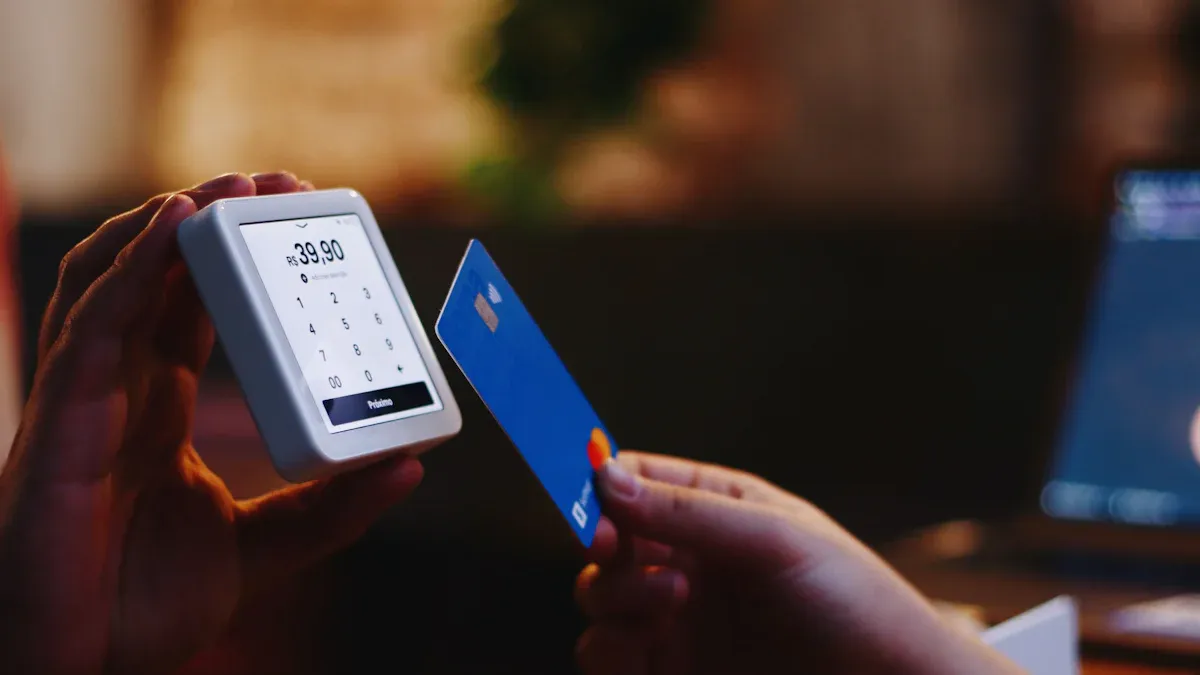
The electronic shelf label industry is evolving far beyond simple price automation. Future advancements focus on integrating intelligence, sustainability, and deeper analytics into the retail environment. These trends promise to redefine the role of the shelf-edge, turning it into a dynamic hub for store operations and customer engagement.
The Impact of AI and Machine Learning
Artificial intelligence (AI) and machine learning (ML) are transforming ESLs from passive displays into intelligent, responsive tools. AI algorithms analyze vast amounts of data to optimize store performance in real time. This technology empowers retailers to make smarter, data-driven decisions that boost profitability and efficiency.
- AI-Driven Price Optimization: AI collects data on sales trends and customer behavior. It then predicts optimal pricing strategies. ESLs can instantly execute these changes, such as lowering prices on slow-moving items or adjusting to competitor pricing.
- Automated Inventory Management: AI systems track product availability on the shelf. They send automated restocking alerts to associates when stock is low. Predictive analytics also help prevent overstocking, ensuring shelves have the right products at the right time.
- Enhanced Customer Interaction: Smart ESLs use AI to create interactive promotions based on a shopper’s browsing history. They can display real-time discounts or integrate with loyalty programs for personalized rewards.
Sustainability and Green Technology
The industry is making significant strides toward sustainability. Manufacturers are focusing on both energy efficiency and responsible hardware design to reduce the environmental footprint of their products.
Innovations like Power Management ICs (PMICs) enable ESLs to harvest ambient energy from sources like indoor light. This technology dramatically reduces the reliance on disposable batteries. One supermarket chain even partnered with engineers to eliminate millions of discarded batteries annually using this system.
Hardware design is also becoming more eco-friendly. Companies are using durable, recyclable materials like metal and glass. They are also creating modular designs, which allow for easy component upgrades to extend the product’s lifespan and minimize e-waste.
Beyond Pricing: ESLs for In-Store Analytics
The future of electronic shelf labels lies in their ability to gather data. These devices are becoming crucial sensors for in-store analytics, providing insights that go far beyond pricing. As this technology becomes more widespread, responsible end-of-life management is also a key focus. Companies are addressing this through structured programs.
- Return Merchandise Authorization (RMA): Some providers, like SOLUM, offer an RMA process. Retailers can return labels with depleted batteries to a repair center for inspection, refurbishment, and recycling.
- IT Asset Disposal (ITAD): Specialized services help retailers manage e-waste responsibly. These services often follow a zero-landfill policy, ensuring old hardware is repurposed or recycled according to environmental guidelines.
Integration with IoT and Smart Store Ecosystems
Electronic shelf labels are no longer isolated tools for price changes. They are becoming essential components of a fully integrated Internet of Things (IoT) retail ecosystem. Building this network involves moving beyond standalone solutions. It requires connecting various smart devices, like ESLs, into a unified platform. This integration with existing software, such as Enterprise Resource Planning (ERP) and Customer Relationship Management (CRM) systems, creates seamless operations and data flow. A centralized, cloud-based hub often manages this complex web of technology.
This synergy is most visible in the collaboration between ESLs and other in-store automation. Inventory robots, for example, work directly with the digital tags to streamline store management. This powerful combination enables several key functions:
- Robots detect an out-of-stock item and automatically trigger the corresponding ESL to display a “Replenishment in Progress” message.
- The ESL can also show customers when the product will be back on the shelf.
- For restocking, a robot can activate an ESL’s LED light, guiding an associate to the exact product location.
- Robots also verify that product details on the ESL match the central database, flagging any discrepancies for immediate correction.
Major food retailer Ahold Delhaize provides a powerful example of a fully integrated system. The company uses ESLs to automate price reductions for products nearing their expiration dates. Its Microsoft-powered platform allows the retailer to update over 3 million labels remotely in just 80 minutes. The system also facilitates customer interactions, including mobile payments and NFC card transactions at the shelf.
This deep integration transforms the shelf-edge into a dynamic and interactive touchpoint. Electronic shelf labels can function like miniature digital signage, turning static displays into eye-catching points of sale. Retailers can further enrich the shopping experience by using QR codes on the labels. A quick scan can link a customer to engaging content, such as product demonstration videos or detailed sustainability information, adding significant value beyond the price.
SES-imagotag stands out as the premier choice for 2025. It offers a comprehensive and technologically advanced solution for modern retail. However, the “best” manufacturer ultimately depends on specific business needs. Pricer delivers exceptional reliability, while Zkong provides superior cloud flexibility. Retailers should evaluate their operational goals, budget, and store environment. This analysis will help them select the ideal partner for their digital transformation journey.
FAQ
What is an electronic shelf label (ESL) system?
An ESL system is a technology retailers use to display product pricing on digital screens. It consists of e-paper labels, a communication network, and software. The system automates price updates, which eliminates the need for manual paper label changes and reduces pricing errors.
How do electronic price tags work?
A central server sends pricing data wirelessly to a gateway or access point in the store. The gateway then transmits this information to the individual e-paper labels on the shelves. This process allows for rapid and accurate updates across thousands of tags simultaneously.
What is the typical battery life of an ESL?
Most modern electronic shelf labels offer a battery life of 5 to 10 years. This longevity is possible because e-paper displays only consume power when the price or image is updated. Infrared (IR) systems often provide slightly longer battery performance than Radio Frequency (RF) systems.
How long does it take to update prices?
Update speed varies by manufacturer and communication protocol.
Infrared (IR) systems, like those from Pricer, can update thousands of labels in seconds. Radio Frequency (RF) systems are also very fast, typically completing store-wide updates in minutes. Both technologies ensure near-real-time pricing accuracy.
Can ESLs display more than just prices?
Yes. Modern ESLs are fully graphic displays. Retailers use them to show a variety of information, including:
- Promotional details (e.g., “20% OFF”)
- Product specifications
- Stock levels
- QR codes for customer engagement
- Competitor pricing
Are ESL systems difficult to install?
Installation complexity depends on the system and store size. Cloud-based SaaS solutions simplify the process by reducing on-site hardware needs. Most manufacturers offer professional installation services or provide detailed guides to ensure a smooth deployment with minimal disruption to store operations.
What is the return on investment (ROI) for ESLs?
Retailers typically see a positive ROI within 18 to 24 months. The return comes from several areas. Key benefits include reduced labor costs from manual price changes, improved pricing accuracy, and enhanced operational efficiency through features like pick-to-light for order fulfillment.