
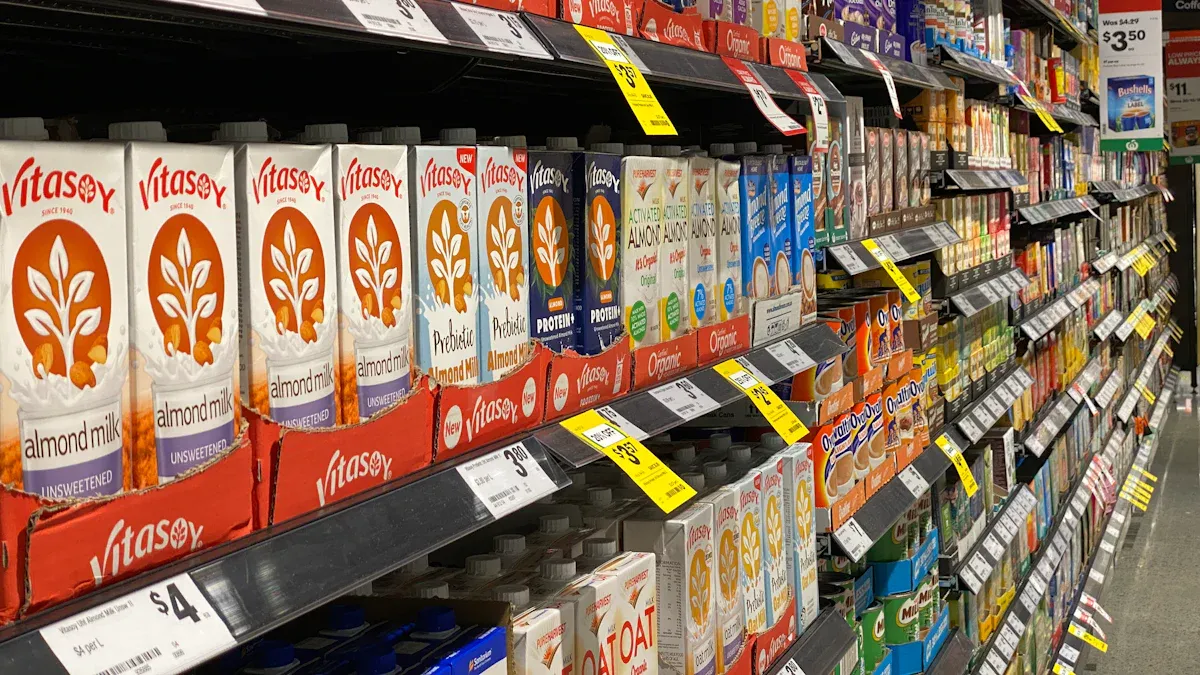
Electronic Shelf Labels are becoming a non-negotiable part of Amazon’s grocery empire. The ESL Gateway AP communicates updates to each ESL Price Tag, a key part of Esl Retail innovation from Amazon.
These labels are the critical technology for Amazon. They enable operational efficiency and dynamic pricing.
Amazon’s esl ambitions reflect its long-term vision. Amazon seeks market dominance through an integrated shopping experience. Amazon understands this technology is central to its goals.
Slashing Costs: How ESLs Drive Unprecedented Operational Efficiency
At the heart of Amazon’s grocery strategy lies a relentless pursuit of efficiency. Physical retail, with its high overhead and labor-intensive processes, presents a significant challenge. Electronic Shelf Labels (ESLs) are the primary tool Amazon uses to attack these legacy costs, transforming store operations from the ground up. The technology moves beyond simple convenience; it is a fundamental driver of a leaner, more profitable, and scalable retail model.
Eliminating Manual Price Changes
Traditional grocery stores expend enormous resources on a simple task: changing prices. Employees manually replace thousands of paper tags each week, a process that requires significant labor for very little value. The ongoing costs include not just paper and ink but also the substantial expense of paying staff for a repetitive, error-prone job.
ESLs completely eliminate this manual drudgery.
- Price updates, managed from a central system, deploy across an entire store—or a national chain—in minutes, not hours.
- A store with 10,000 products can save over 400 labor hours annually just by automating this single task.
- This automation frees employees from tedious updates, allowing them to focus on higher-value activities like customer service and stocking shelves.
Tip: The economic case for ESLs has become undeniable. As the cost of the labels has decreased in recent years, retail labor costs have simultaneously risen, making the technology a critical investment for mitigating operational expenses. For a company operating at the scale of Amazon, these savings are monumental.
This shift boosts productivity significantly. One partnership involving ESL deployment saw a 5% improvement in overall productivity, directly enabling store colleagues to prioritize the customer experience.
Ensuring Near-Perfect Pricing Accuracy
Manual pricing is not just slow; it is notoriously inaccurate. Human error is an unavoidable part of the process, leading to frustrating and costly discrepancies between the shelf price and the checkout price.
The difference between manual and electronic systems is stark.
| System Type | Typical Error Rate |
|---|---|
| Manual (Paper Tags) | 2-10% |
| ESL Systems | < 0.5% |
Case studies confirm this, with some retailers reporting a drop in pricing errors from 15% to virtually zero after implementation. Another study found that ESLs reduced human pricing errors by up to 20%. For a customer-obsessed company like Amazon, this level of accuracy is non-negotiable. It directly prevents:
- Customer Distrust: Inconsistent prices erode consumer confidence.
- Lost Sales: Shoppers may abandon their carts if checkout prices do not match their expectations.
- Damaged Reputation: Frequent errors harm a brand’s image and perceived fairness.
Furthermore, pricing inaccuracies carry severe financial penalties that damage the bottom line.
State inspectors can impose hefty fines, such as up to $100 per incorrectly marked item in New Jersey or $5,000 per violation in North Carolina. Many regions also have mandatory refund policies, like Canada’s “free item rule” for overcharges, which further compound the financial risk.
ESLs protect the business by ensuring perfect synchronization between the shelf edge and the point-of-sale system, safeguarding both revenue and customer trust.
Streamlining Restocking and Inventory
ESLs are evolving beyond mere price displays into dynamic hubs for in-store logistics. Their ability to integrate with inventory management systems provides Amazon with a powerful tool to combat one of retail’s biggest problems: out-of-stocks.
This “smart aisle” technology works by creating a direct line of communication between the shelf and the stockroom.
- ESLs sync with inventory and Enterprise Resource Planning (ERP) systems to reflect real-time stock levels.
- The labels can display alerts, tasks, or symbols to guide staff, signaling an immediate need for restocking.
- Employees can use handheld devices or even press a button on the label itself (a “Kanban” system) to trigger a replenishment request instantly.
The impact is profound. A 2023 case study of a grocery chain found that implementing ESL-driven automated replenishment workflows led to a 40% reduction in out-of-stock incidents. By ensuring products are on the shelf when customers want them, Amazon not only prevents lost sales but also enhances the overall shopping experience, reinforcing its reputation for reliability and selection.
The Engine for Dynamic Commerce: Unpacking Amazon’s ESL Ambitions
Operational efficiency is only one part of the equation. The true power of Electronic Shelf Labels lies in their ability to transform the static grocery aisle into a dynamic, responsive marketplace. This capability is central to amazon’s esl ambitions, which focus on merging the data-rich environment of e-commerce with the physical reality of in-store shopping. ESLs are the engine that allows Amazon to deploy its sophisticated commerce strategies at scale, turning every shelf into a smart, interactive touchpoint.
Enabling Real-Time Algorithmic Pricing
Amazon built its online dominance on a foundation of dynamic pricing. Its algorithms change prices millions of times per day, reacting to competitor moves, customer demand, and inventory levels. ESLs finally give Amazon the tool to bring this powerful strategy into its physical stores. The company can now move beyond the traditional “everyday low prices” model that limits brick-and-mortar rivals.
This technology enables pricing strategies that were previously impossible in a physical setting.
- Perishable Markdowns: ESLs can automatically reduce the price of items nearing their expiration date, a tactic that has helped some grocers reduce food waste by 25% while increasing sales.
- Inventory-Based Discounts: The system can trigger real-time markdowns on overstocked products, displaying messages like “Only 3 left—20% off!” to clear inventory quickly.
- Peak Hour Adjustments: Prices on high-demand items can be subtly adjusted during peak shopping times to maximize revenue, a strategy mirroring online practices.
The speed of these changes gives Amazon an unprecedented competitive edge. Manual updates are no longer a viable option in a market that moves this fast.
| Method | Update Speed (Store-Wide) |
|---|---|
| Modern ESL Technology | Under 5 minutes |
| Manual Paper Tags | Hours or even days |
This agility allows Amazon to respond instantly to market shifts, ensuring its prices remain optimized for profit and competitiveness at all times.
Deploying Personalized In-Aisle Promotions
ESLs transform the shelf edge from a simple price holder into an interactive promotional tool. By integrating with a shopper’s digital profile, often through the Amazon app, the labels can deliver a truly personalized experience. This moves beyond generic store-wide sales to targeted, individual incentives.
This is achieved through several technologies embedded within or alongside the ESLs:
- QR Codes: A shopper can scan a QR code on a label to access detailed product information, online reviews, and even recipes, bridging the gap between the physical product and its vast online data footprint.
- NFC Technology: By tapping their smartphone on an ESL, customers can trigger Near Field Communication (NFC) to receive special offers, watch demonstration videos, or add an item to a digital shopping list.
- Targeted Offers: The system can assess a customer’s buying patterns and loyalty status to push relevant promotions directly to their phone as they browse an aisle.
The impact of such personalization is significant. Studies show that dynamic, data-driven digital displays can increase sales by as much as 29.5%. By knowing a customer’s “prior propensity to buy something,” Amazon can produce unique incentives for each person, dramatically increasing basket size and fostering loyalty.
Powering Prime-Exclusive Deals Instantly
The Prime membership program is the cornerstone of the Amazon ecosystem. ESLs are the key to seamlessly integrating this crucial program into the physical grocery store. They provide a clear, compelling, and constant advertisement for the value of a Prime membership.
With ESLs, Amazon can instantly deploy Prime-exclusive pricing across its entire network of stores.
- The digital tag displays both the standard price and a distinct, lower price available only to Prime members.
- This creates a powerful visual incentive at the point of decision, encouraging non-members to sign up on the spot.
- Flash sales, like “Prime Day” deals, can be activated and deactivated with the click of a button, a feat that would be logistically impossible with paper tags.
This capability is a core component of amazon’s esl ambitions. It weaponizes the shelf edge, turning it into a powerful tool for customer acquisition and retention. By making Prime benefits tangible and immediate in the grocery aisle, Amazon reinforces the value of its ecosystem and solidifies its competitive moat.
Bridging the Digital-Physical Divide for the Modern Shopper
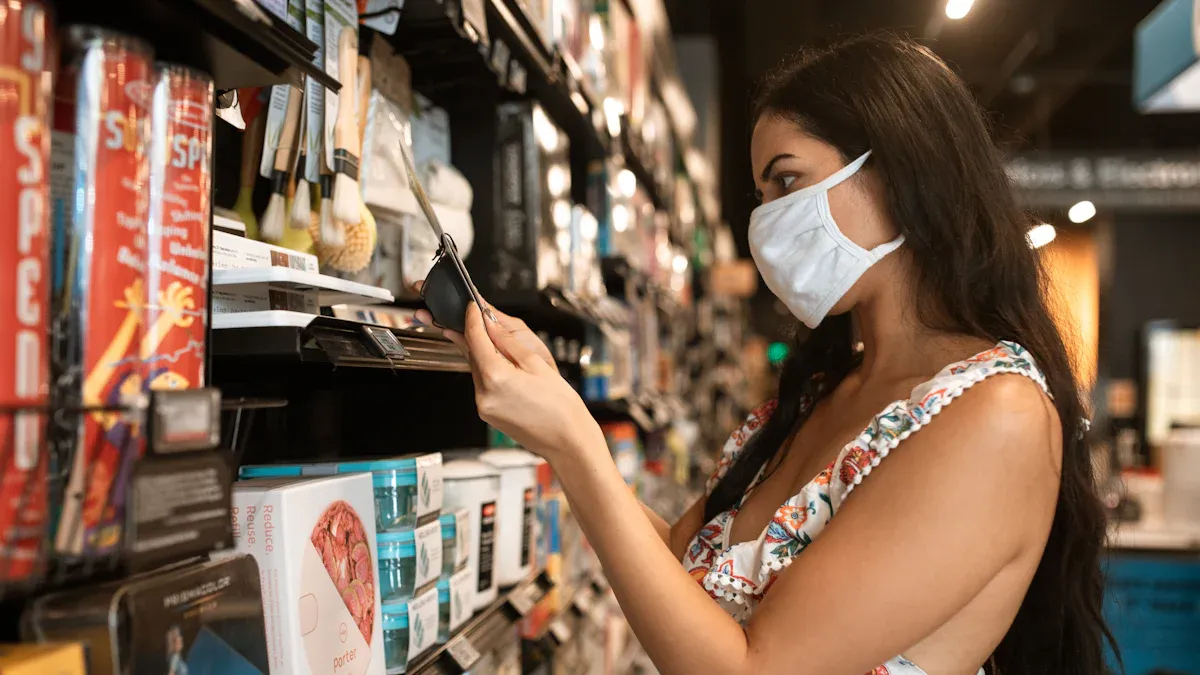
Beyond cost savings and dynamic pricing, Electronic Shelf Labels serve a more profound purpose for amazon: they are the physical interface for the digital world. ESLs dissolve the barrier between the online and in-store experience, creating a truly integrated ecosystem. This technology transforms passive browsing into an active, information-rich journey that caters to the expectations of the modern, connected consumer. For a data-centric company like amazon, this bridge is fundamental to its retail philosophy.
Creating the Interactive ‘Smart’ Aisle
ESLs turn static shelves into interactive zones. Advanced labels are equipped with features that allow for two-way communication, empowering both shoppers and employees. This creates a responsive and intelligent store environment. Key interactive capabilities include:
- Programmable buttons that can trigger a request for staff assistance or replenishment.
- Integrated LED lights that flash to guide customers or employees to a specific product.
- On-shelf alerts for critical information like product recalls or expiration dates.
These features make the aisle an active participant in the shopping and operational process, a core goal for amazon.
Linking Physical Products to Online Data
ESLs act as gateways to the vast repository of online information that amazon commands. Shoppers can use their smartphones to scan a QR code or tap an NFC-enabled label, instantly accessing a wealth of data that was previously confined to a web browser. This includes:
- Detailed nutritional facts and allergen warnings.
- Real-time stock updates.
- Customer reviews and ratings.
By providing this information directly at the point of decision, amazon enhances customer engagement and builds trust. Shoppers can make more informed choices, comparing products based on community feedback or detailed specifications without ever leaving the aisle.
Enhancing In-Store Navigation and Discovery
Finding products in a large grocery store can be a frustrating experience. ESLs offer a powerful solution by integrating geolocation and product locator technology. A shopper can search for an item in the amazon app, and the corresponding ESL on the shelf can flash its LED light, guiding them directly to the location. This “pick-to-light” system dramatically improves the shopping experience. It also allows amazon to strategically highlight new products or special offers, using colored lights or dynamic displays to capture attention and encourage discovery.
The Unseen Backbone of Frictionless Retail
Frictionless checkout is a cornerstone of the amazon retail vision. Electronic Shelf Labels are the silent partner in this revolution, providing the foundational data integrity required for these advanced systems to function. They are the unseen backbone that ensures the seamless experience of cashierless shopping is also an accurate one. Without the reliability of ESLs, the entire model of frictionless commerce would be at risk.
Powering ‘Just Walk Out’ Technology
Amazon’s ‘Just Walk Out’ technology creates a checkout-free shopping experience using a sophisticated network of sensors and AI. While cameras and computer vision track shoppers, ESLs provide the critical pricing data that links a physical product to its digital cost. This system relies on several key components working in harmony:
- Computer Vision and Advanced Sensors: Cameras track shoppers while load-cell sensors on shelves detect when an item is picked up or returned.
- Object Recognition: Machine learning models identify products with high accuracy.
- Sensor Fusion: The system combines data from cameras and weight sensors to confirm which customer took which item.
ESLs ensure the price associated with each identified product in the virtual cart is always correct, providing the final piece of the data puzzle for an accurate automated charge.
Supporting the Amazon Dash Cart
The Amazon Dash Cart offers another path to frictionless shopping, acting as a smart cart that scans items as they are placed inside. The cart uses a combination of computer vision and sensor fusion to identify products. Shoppers can also scan barcodes or manually enter a PLU number for items like produce. The cart’s screen displays a running total, giving customers real-time spending visibility. This technology depends on the price data for every item being perfectly synchronized with the shelf, a task managed flawlessly by the store’s ESL network.
Ensuring Data Integrity for Cashierless Checkout
For any cashierless system to succeed, it must earn absolute customer trust. Pricing errors are a primary source of consumer frustration, and in a frictionless environment, they can be disastrous. ESLs eliminate this risk by guaranteeing price accuracy.
The price displayed on the digital tag is the exact price charged by the ‘Just Walk Out’ system or the Amazon Dash Cart. This perfect synchronization builds shopper confidence, as customers know the price they see is the price they will pay.
This data integrity is non-negotiable for amazon. Centralized control systems update every ESL wirelessly, creating a verifiable audit trail for every price change. This ensures the entire amazon ecosystem, from the shelf edge to the final digital receipt, operates from a single, reliable source of truth.
Electronic Shelf Labels represent a foundational pillar of Amazon’s grocery strategy. They enable the core pillars of radical efficiency, dynamic commerce, and the digital-physical bridge, fulfilling amazon’s esl ambitions.
ESLs build consumer trust by displaying online data like star ratings directly in the aisle. This integration is a key goal for Amazon.
The widespread adoption of this technology is the clearest indicator of its central role. It is a key part of amazon’s esl ambitions and the future grocery empire of amazon.
FAQ
Why are ESLs so important for Amazon’s grocery stores?
ESLs are a foundational technology for Amazon. They enable radical operational efficiency and dynamic, real-time pricing. The labels also connect the physical shelf to online data, creating a seamless, integrated shopping experience central to Amazon’s goals.
Do Electronic Shelf Labels only show prices?
No, ESLs are multi-functional tools. They display inventory levels, promotional details, and QR codes linking to online reviews. Advanced labels use LED lights to guide shoppers and staff, turning the aisle into an interactive environment.
How do ESLs help with ‘Just Walk Out’ technology?
ESLs provide the data backbone for frictionless retail. They ensure the price on the shelf is perfectly synchronized with the price charged by systems like ‘Just Walk Out’. This perfect accuracy is essential for earning customer trust in automated checkout.
Are ESLs expensive for a company like Amazon?
While ESLs require an initial investment, they deliver significant long-term savings. The technology reduces labor costs, eliminates pricing errors, and cuts food waste. For a company at Amazon’s scale, the return on investment from this operational efficiency is substantial.