

A digital shelf edge label is a modern electronic display system for retail shelves. These digital shelf edge displays show dynamic product information. An ESL Gateway AP connects each digital ESL Price Tag to a central system. This digital link enables instant updates across all shelf edge displays. The market for Electronic Shelf Labels shows significant expansion. This growth highlights how digital shelf edge labels are a key digital technology for Esl Retail and their digital shelf edge displays.
The global market for this technology is experiencing rapid growth, with projections indicating a substantial increase in value.
| Metric | Value |
|---|---|
| Market Size 2024 | $1.85 billion |
| Market Size 2025 | $2.09 billion |
| Market Size 2033 | $7.54 billion |
| CAGR (2025-2030) | 17.4% |
What Is a Digital Shelf Edge Label?
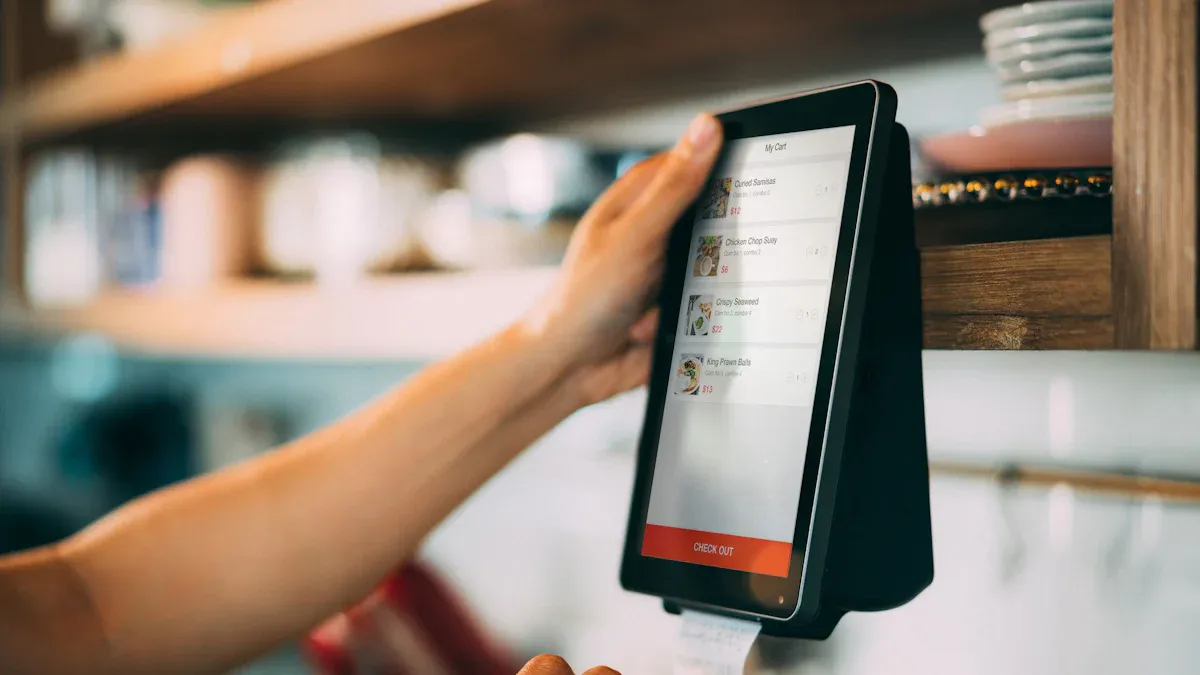
A digital shelf edge label is a sophisticated digital device for displaying product information. These advanced shelf edge displays replace traditional paper tags with a more efficient and accurate system.
Defining the Electronic Shelf Label
An electronic shelf label is a small, battery-powered digital screen attached to a retail shelf. Each label has a unique identifier within a central management system. Modern standards, like the Bluetooth® Electronic Shelf Label Profile, define how a central system controls these digital shelf edge displays. This digital technology enables features far beyond simple pricing. Key specifications often include:
- A battery life of up to ten years
- Faster update speeds
- Multi-page information displays
- Seven-color LED lights for alerts
- NFC capability for customer interaction
From Paper Tags to Digital Shelf Edge Displays
The evolution from paper to digital shelf edge displays marks a significant technological leap in retail. The journey involved several key milestones:
- Early 1990s: The concept emerged to improve pricing accuracy.
- Mid-1990s: The first systems used basic LCD screens with infrared (IR) communication.
- 2000s: Radio Frequency (RF) technology improved reliability by removing line-of-sight requirements.
- Around 2004: The adoption of e-paper technology offered better readability and much lower power use.
- Modern Era: Today’s advanced digital shelf edge displays feature full-color e-paper, IoT connectivity, and enhanced interactive capabilities.
The Core Components of the System
A complete digital system consists of three primary components working together. These elements ensure seamless communication and accurate updates across all shelf edge displays.
The system’s software first processes product information on a central server. This digital data is then sent to gateways, which transmit it wirelessly to the individual shelf edge displays, triggering an instant screen refresh.
The core components are:
- Central Server: This is the brain of the operation. It runs management software, stores the price database, and processes all product information into data packets for transmission.
- Access Points: These communication stations, or gateways, receive data from the server. They ensure stable, long-distance transmission to the labels using wireless protocols like RF.
- Individual Labels: These digital display terminals receive signals from the access points. They execute instructions to display the correct price and product data.
How Do Digital Shelf Edge Displays Work?
An electronic shelf label (ESL) system integrates with a retailer’s existing software to automate price and product information updates. This integration is crucial for ensuring data consistency from the back office to the shelf edge. The process typically involves connecting the ESL management software with a store’s price control application. This application can be part of a larger Enterprise Resource Planning (ERP) system, a Point of Sale (POS) system, or another back-office platform.
The integration works through a defined data exchange process:
- The store’s price control application sends an updated dataset to the ESL management software.
- The ESL software stores this new information and transmits it to the relevant electronic shelf labels.
To achieve this, developers use standard software interfaces like file-based transfers or modern APIs (Application Programming Interfaces). Middleware often acts as a bridge, translating data between the retailer’s ERP system and the ESL platform. This ensures that information stored in systems like SAP ERP, such as stock levels or material details, can be displayed on the shelf edge in near real-time.
Similarly, synchronizing with a POS system ensures customers see the same price at the shelf and the checkout. This direct connection to the store’s database automates updates for prices and promotions, eliminating mismatches. For cloud-based POS systems, API integration enables seamless, real-time data flow. For older, on-premise systems, middleware solutions can facilitate the connection. This digital synchronization is key to enabling dynamic pricing strategies and reducing manual labor costs.
Central System Integration (ERP & POS)
Effective digital shelf edge displays depend on seamless integration with a retailer’s core software, such as Enterprise Resource Planning (ERP) and Point of Sale (POS) systems. This connection ensures that data flows automatically from the central database to every shelf edge display, guaranteeing consistency and accuracy.
The integration process links the ESL management software with the store’s price control application. This application, often a module within an ERP or POS system, sends item-related data to the ESL platform. Middleware frequently serves as an intermediary, translating data between the systems. For example, an add-on for SAP ERP can manage labels directly within the existing system, passing information like stock levels or process steps to the digital displays in near real-time.
This digital link between the POS and shelf edge displays is vital for the customer experience. It eliminates price discrepancies between the shelf and the checkout, building trust. For retailers, it automates updates, enables dynamic pricing strategies like flash sales, and streamlines inventory management.
Wireless Communication Protocols
Digital shelf edge displays rely on wireless protocols to receive updates from the central system. The two primary technologies used are Radio Frequency (RF) and Infrared (IR). Each has distinct characteristics that affect system performance.
RF technology is widely used but can be prone to interference from other wireless networks, like Wi-Fi. IR, on the other hand, operates on a different frequency, avoiding such congestion and ensuring more reliable communication.
A comparison highlights their differences:
| Feature | Radio Frequency (RF) | Infrared (IR) |
|---|---|---|
| Communication | Unidirectional (one-way) | Bidirectional (two-way) |
| Interference | Prone to dead zones and signal interruption | No dead zones; unaffected by other signals |
| Update Speed | Can take hours; slows in high-interference areas | Fast and reliable; updates occur in seconds |
| Security | Signals can pass through walls, posing a privacy risk | Signals are contained within the store, ensuring security |
IR offers a more robust and secure solution for shelf edge displays. Its bidirectional nature allows the system to confirm that each digital shelf edge label has received its update, guaranteeing accuracy. RF sends a broad signal without receiving confirmation, which can lead to uncertainty.
E-Paper Display Technology
The screen technology used in most modern digital shelf edge displays is electronic paper, or e-paper. This digital innovation is designed to mimic the appearance of ink on paper, providing excellent readability from wide viewing angles and in various lighting conditions.
E-paper displays are composed of millions of tiny microcapsules. Each capsule contains a clear fluid with minuscule particles of different colors and electrical charges.
- An electrical charge is applied to the microcapsules.
- This charge causes the colored particles to move to the top or bottom of the capsule.
- The arrangement of these particles forms the image or text seen on the screen.
This digital technology is incredibly energy-efficient. Power is only consumed when the content on the screen changes. Once an image is set, it requires no energy to maintain, allowing the batteries in these shelf edge displays to last for five to ten years, even with multiple updates per day. This long battery life significantly reduces maintenance costs and makes e-paper the ideal choice for large-scale retail deployments.
Key Business Benefits of Using Digital Shelf Edge Labels

Adopting digital shelf edge displays offers retailers a powerful strategic advantage. This technology streamlines operations, empowers agile marketing, and builds customer trust. The benefits extend beyond simple convenience, creating a significant return on investment by transforming core business processes.
Achieve Significant Operational Cost Reduction
Retailers achieve substantial operational cost reduction by automating price management. The primary saving comes from eliminating the manual labor required to print, sort, and replace paper price tags. This digital automation frees up store associates from tedious pricing tasks. They can then dedicate their time to higher-value activities like customer service, inventory management, and merchandising. A case study from Truno shows that an electronic shelf label system can deliver a return on investment within two to three years. This payback period shortens to as little as one year when the system integrates with price optimization software.
The financial and operational benefits are clear and multifaceted. These shelf edge displays create efficiencies across the entire store.
| Metric/Benefit | Description |
|---|---|
| Reduced Labor Costs | Automating price changes with these digital shelf edge displays eliminates manual updates. A 20,000-item store can save 100 hours per week. |
| Increased Sales and Margins | Effective pricing strategies and better inventory management lead to higher sales volumes and improved profit margins. |
| Faster ROI | The combined benefits of labor savings and increased sales often lead to a rapid return on investment, with payback seen in 12-18 months. |
| Sustainability | Reducing paper waste from traditional labels contributes to environmental goals and enhances a retailer’s brand image. |
| Operational Efficiency | Streamlined price management allows staff to focus on customer-facing tasks, boosting overall productivity. |
| Reduced Shrinkage | Accurate pricing and real-time updates help minimize losses from pricing discrepancies and improve inventory control. |
Enable Dynamic Pricing Strategies Instantly
Digital shelf edge displays provide the infrastructure for powerful dynamic pricing solutions. Retailers can update prices instantly across thousands of labels with a single command from a central system. This capability allows for rapid price adjustments, promotional campaigns, and automated markdowns. Stores can implement surge pricing during periods of high demand or reduce prices on near-expiry items to minimize waste.
This digital agility allows retailers to react immediately to market conditions, competitor actions, and inventory levels, turning pricing into a strategic tool.
Successful retailers already leverage this technology to boost sales. For example, REMA 1000 stores in Norway regularly adjust prices in real-time. They respond to factors like competitor activity, current stock levels, or sales velocity. This approach aligns product demand and price more closely. It directly contributes to increased sales by optimizing pricing based on live market conditions. These shelf edge displays make such sophisticated strategies practical for physical retail environments.
Guarantee Pricing Accuracy and Compliance
A core benefit of a digital shelf edge label system is the guarantee of pricing accuracy. The digital displays connect directly to the store’s central database, which also feeds the Point of Sale (POS) system. This direct link ensures the price a customer sees on the shelf is always the same price that scans at the checkout. This synchronization eliminates frustrating and costly price discrepancies.
Maintaining pricing accuracy is not just about customer satisfaction; it is also a matter of legal compliance. Many regions have strict regulations about price integrity, and violations can lead to significant fines. Digital shelf edge displays mitigate this risk by removing the potential for human error associated with manual price changes. This automated accuracy builds consumer trust and protects the retailer’s reputation and bottom line. These shelf edge displays provide a reliable, error-free pricing environment.
Boost In-Store Staff Efficiency
Digital shelf edge displays dramatically improve in-store staff efficiency. They automate the labor-intensive process of changing paper price tags. A single store can have thousands of price changes weekly. Manually updating each tag consumes a significant amount of paid labor. Retailers report saving between 8 to 12 hours of labor per store each week. This digital automation removes a tedious and repetitive burden from employees.
Bonnie Villastrigo, a grocery store owner, estimates that electronic shelf labels save her team about 20 to 24 hours per week. This was time previously spent printing and hanging paper tags.
This recovered time is a valuable asset. Management can redirect employees to focus on tasks that directly improve the business and serve shoppers. Instead of managing paper, staff can dedicate their efforts to more impactful activities. These new responsibilities often include:
- Engaging directly with customers on the sales floor
- Identifying and pursuing new sales opportunities
- Performing other activities highly valued by customers
This shift transforms the role of store associates. They become more active in creating a positive shopping environment. The use of these shelf edge displays makes the entire operation more productive.
Enhance the Customer Shopping Experience
Digital shelf edge displays directly enhance the customer shopping experience. A KPMG survey found that two-thirds of consumers perceive a better experience in stores using this technology. This improvement stems from the reliability and functionality that digital labels provide. Price accuracy, as mentioned earlier, builds a foundation of trust. Customers feel confident that the price on the shelf will match the price at checkout.
The benefits extend beyond just accurate pricing. These modern shelf edge displays offer interactive features that empower shoppers. Many labels include QR codes that customers can scan with their smartphones. This digital capability provides instant access to a wealth of information. By scanning a code, a customer can:
- Read detailed product specifications and usage guides
- Check current inventory levels for that item
- View customer ratings and product reviews
This interactive digital feature gives customers more autonomy in their purchasing decisions. They can get answers to their questions immediately without needing to find a store associate. This creates a smoother, more informed, and satisfying journey through the store.
Implementing Electronic Shelf Label Solutions
Successfully deploying an electronic shelf label system requires careful planning and execution. Retailers must assess their unique environment, select the right technology partner, and manage a structured installation process. This strategic approach ensures a smooth transition to a more efficient and dynamic digital retail space.
Assessing Your Store’s Specific Needs
The first step is a thorough assessment of the store’s operational requirements. This evaluation helps define the scope and goals of the project. Key factors determine the suitability and scale of a system.
The decision of whether an Electronic Shelf Labelling (ESL) system is ‘worth it’ for a retailer is influenced by several factors, including ‘the size of the store’ and ‘the number of products sold.’
A large supermarket with thousands of products has different needs than a small boutique. Retailers should also consider their budget, existing IT infrastructure, and desired level of digital functionality for their shelf edge displays.
Choosing the Right Shelf Edge Displays Provider
Selecting the right provider is critical for long-term success. The market includes numerous global leaders, each with distinct strengths.
- SES-imagotag
- Pricer
- SoluM
- Hanshow Technology
- Zebra Technologies
- Displaydata
When comparing providers for digital shelf edge displays, retailers should evaluate several key criteria:
- Display Technology: Look for high readability and low power consumption, like that found in E Ink displays.
- Connectivity & Integration: Ensure the system is compatible with existing POS and ERP systems.
- Battery Life: Longer battery life reduces maintenance and total cost of ownership for the shelf edge displays.
- Software Platform: A user-friendly management platform is vital for controlling the digital shelf edge displays.
- Vendor Support: Reliable service and technical support ensure smooth operations.
The Process of Installation and Integration
The installation process follows a structured sequence to ensure the system functions correctly. A significant challenge is system integration, so it is crucial to map out how the digital shelf edge displays will connect with POS and inventory systems before deployment. This proactive digital planning prevents issues later.
The typical installation involves several key steps:
- Preparation: Technicians unbox and verify the quantity of shelf edge displays.
- Initialization: Each label is connected to a gateway to ensure it is ready for communication.
- Installation: The labels are physically attached to the shelf rails in their designated sections.
- Testing: The full system undergoes testing to confirm all components are operational.
Staff Training for a Smooth Transition
A successful transition to an electronic shelf label system depends heavily on effective staff training. Technology alone does not guarantee success; employees must feel confident and competent using the new digital tools. A well-structured training program ensures a smooth adoption process and maximizes the return on this significant digital investment.
Management should announce the upcoming changes early. A clear communication strategy explains the benefits of the new system to the entire team, addressing concerns and building positive momentum for the digital shift.
A comprehensive training plan is essential for preparing staff for their new responsibilities. This plan should be tailored to different roles within the store.
- Role-Based Training: Develop specific training modules for managers, administrators, and floor associates. This ensures everyone receives relevant information.
- Varied Formats: Use a mix of in-person sessions, video tutorials, and hands-on practice to accommodate different learning styles.
- Expert Support: Designate a few employees as ‘super users’. These individuals receive advanced training and act as go-to experts for their colleagues.
Implementing the system in phases can also ease the transition. Retailers often start with a pilot program in one department. This allows the team to test the system in a real-world scenario and provide valuable feedback. After a successful pilot, the company can systematically expand the digital label rollout across the entire store. This methodical approach minimizes disruption and builds staff confidence with each successful step.
A digital shelf edge label is a transformative digital technology for modern retail. It automates information on shelf edge displays. Retailers gain clear benefits, including operational cost reduction, guaranteed price accuracy, and agile pricing with these digital shelf edge displays. Adopting these shelf edge displays is a strategic digital investment in store efficiency and an improved customer experience.
The future of these digital shelf edge displays promises even greater digital interactivity and personalization. Expect advancements like seamless IoT integration and enhanced E-Ink technology to further reshape the digital retail landscape.
FAQ
What is the main advantage of digital shelf edge labels?
These labels automate price updates across a store. This automation eliminates manual errors and saves significant labor costs. Retailers can then reassign staff to customer-facing roles, improving service and efficiency.
How long do the batteries in these digital labels last?
Most digital labels use low-power e-paper technology. Their batteries typically last between five and ten years. This long lifespan reduces maintenance needs and lowers the total cost of ownership for the system.
Can digital labels display more than just prices?
Yes, these digital displays show promotions, stock levels, QR codes, and other product data. This functionality enhances the customer’s shopping journey and provides valuable information directly at the shelf.
Are these digital systems secure?
Modern systems use secure wireless protocols. Communication is often encrypted and contained within the store’s physical space. This design prevents external interference and protects sensitive pricing data from unauthorized access.