Retailers are rapidly adopting E Ink electronic shelf labels to gain a significant competitive edge. This technology empowers stores with dynamic pricing and superior operational efficiency. The investment in an esl system often yields a high return, with many systems paying for themselves in under two years. The E Ink technology provides a clear, power-efficient display, future-proofing the physical retail environment against online competition. Esl Retail businesses find this a crucial upgrade.
Core System Components
- What is Eink? A paper-like display technology.
- ESL Gateway AP: The central hub for communication.
- ESL Price Tag: The digital label on the shelf.
This strategic shift to an e-ink esl is not just about modernizing; it’s about building a more profitable and resilient business model with electronic shelf labels.
What is E Ink and How Does It Power the Modern Electronic Shelf Label?
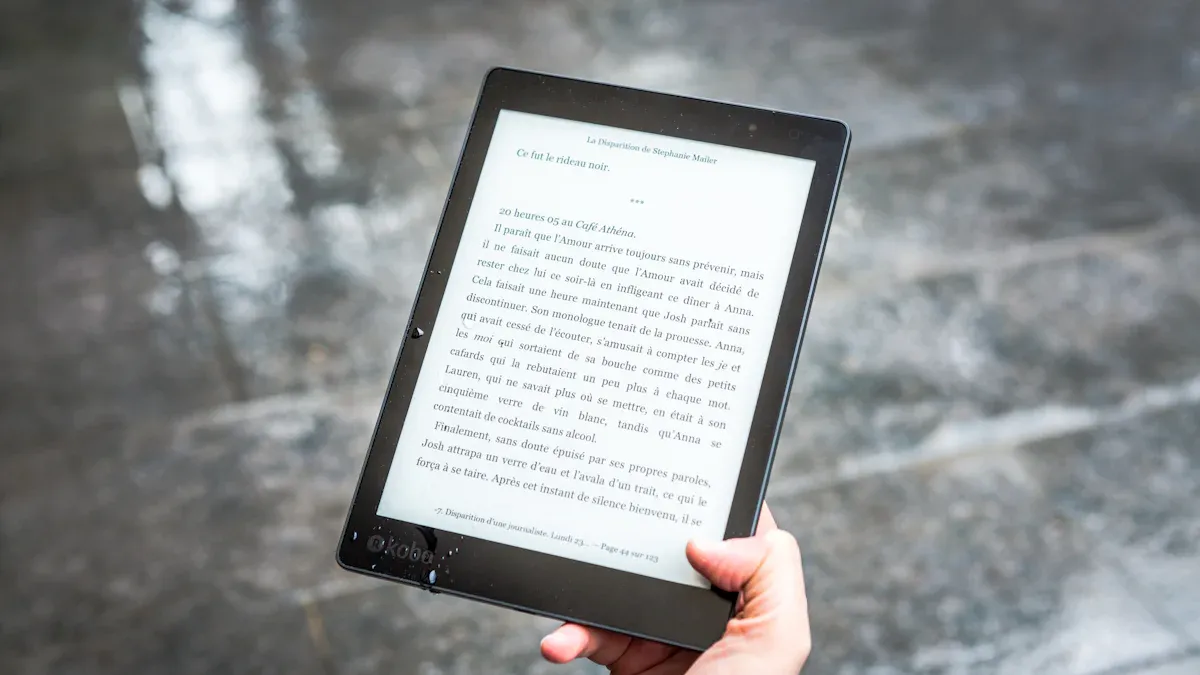
Many people ask, “what is eink?” At its core, E Ink is a revolutionary form of electronic paper. This technology powers the modern electronic shelf label. Unlike traditional screens, e-paper mimics the appearance of ordinary ink on paper. This creates a high-contrast, easy-to-read display that is visible even in bright overhead lighting. The e-ink technology uses tiny microcapsules containing charged pigments. An electrical field arranges these pigments to create text and images, offering a crisp visual experience. This unique form of electronic ink is central to understanding what is eink.
Understanding E-Paper Technology
The key to e-paper is its bistable nature. This means the electronic paper display holds an image without needing a constant power supply. Power is only consumed when the content on the e-ink screen changes. This efficiency is a defining feature of the technology. The e-paper itself is a reflective display, using ambient light to illuminate the screen instead of a power-hungry backlight. This is what is eink’s greatest advantage. The e-paper looks just like real paper, making it comfortable for customers to read. This electronic ink innovation is what makes the entire esl system so effective.
The Core Benefits of an ESL System
An ESL system provides retailers with unparalleled control over their pricing and product information. The primary benefits include:
- Dynamic Updates: Retailers can change prices across thousands of labels instantly.
- Operational Efficiency: Stores eliminate the slow, error-prone process of manual price changes.
- Enhanced Accuracy: An esl ensures the price at the shelf always matches the price at the checkout.
This advanced e-ink technology transforms the shelf edge into a dynamic and reliable communication point with customers. The e-paper display on each electronic shelf label becomes a gateway for real-time information.
Why E Ink is the Superior Choice for Displays
When considering what is eink, its power efficiency makes it the ideal choice for retail environments. E-ink displays consume up to 99% less energy than LCD screens. While LCDs require constant power for backlighting, an e-ink display does not. This low energy consumption allows an e-ink esl to operate for up to five years on a single, small battery. This longevity drastically reduces maintenance costs and environmental impact. The combination of a clear e-paper display, minimal power use, and long life makes e-ink the definitive electronic ink solution for any modern esl. This is what is eink’s ultimate value proposition.
Implement Dynamic Pricing and Boost Profits with Electronic Shelf Labels
Retailers can unlock powerful dynamic pricing strategies with electronic shelf labels. This capability allows stores to adjust to market conditions instantly, maximizing revenue and maintaining a competitive edge. The e-ink displays provide the perfect medium for these rapid changes.
Instantly Update Prices Across All Stores
An esl system connects every e-ink tag to a central server. This connection allows retailers to update prices across thousands of items simultaneously. Price adjustments happen in seconds, not hours. A price change for a promotion or category-wide update can appear on every relevant shelf within minutes. This technology makes manual price tag replacement obsolete. Retailers can manage pricing for hundreds of stores from a single, remote location, ensuring consistency and speed.
React to Competitor Pricing in Real-Time
The agility of electronic shelf labels empowers physical stores to compete directly with online retailers. Stores can monitor competitor pricing and react immediately. This strategy keeps their price points attractive and relevant.
- Intersport in Greece uses its esl network to respond to competitor promotions in real-time.
- Media Markt in Germany leverages the technology to match the frequent price changes of online giants like Amazon.
Nils Hulth, a leader at ESL developer Pricer, notes, “Some online retailers change prices 100 times per day because they all have to match Amazon. But ESLs allow anyone to change a lot, too.”
This real-time capability transforms a store’s pricing from a static element into a dynamic tool.
Automate Promotions and Clearance Sales
An electronic shelf label system automates the entire promotional process. Retailers can schedule sales events, happy hours, or clearance markdowns in advance. The e-ink labels will update the price automatically at the scheduled start time and revert to the original price when the promotion ends. This automation eliminates the risk of human error and ensures every customer sees the correct promotional price. It streamlines operations and frees up staff for more valuable, customer-facing tasks.
Drastically Cut Operational Costs by Switching to E Ink ESL
Adopting an e-ink based electronic shelf label system delivers one of the most immediate and tangible benefits to a retailer: a significant reduction in operational expenses. This technology streamlines core store functions, cuts material waste, and protects revenue, directly boosting the bottom line.
Eliminate Labor for Manual Price Changes
Manual price updates are a major drain on store resources. Employees spend hours printing labels, finding the correct products on the sales floor, and replacing old tags. An esl system automates this entire workflow. Case studies show that retailers commonly save 8–12 hours of labor per store each week. For example, Dan Murphy’s in Australia reported saving approximately 12 staff hours per store weekly after implementing the technology. This frees up employees to focus on high-value activities like customer service and inventory management instead of tedious price adjustments.
Reduce Spending on Paper and Ink
Traditional pricing strategies require a constant supply of paper, labels, and printer ink. These costs add up quickly, especially for large stores with frequent promotions. The switch to durable e-ink displays eliminates this recurring expense.
- Waste Reduction: Retailers can save up to two tons of paper annually per store.
- Sustainability: The long lifespan of e-ink tags (often 5+ years) supports corporate green initiatives by drastically cutting paper and plastic waste.
- Lower Consumable Costs: Stores no longer need to budget for paper stock, ink cartridges, or toner.
This shift not only saves money but also positions the retailer as an environmentally conscious brand.
Minimize Revenue Loss from Pricing Errors
Pricing discrepancies between the shelf and the checkout system erode customer trust and can lead to significant financial losses. A simple human error can result in undercharging for an item or facing legal fines for overcharging. An e-ink esl system pulls data directly from the central pricing database, ensuring perfect synchronization.
This automation guarantees 100% price accuracy across the entire store. The price customers see on the shelf is exactly what they will pay at the register, preventing disputes and building confidence.
By eliminating the risk of manual errors, retailers protect their profit margins and comply effortlessly with price accuracy regulations.
Enhance the In-Store Experience with a Smart Electronic Shelf Label

An electronic shelf label (ESL) system is a powerful tool for retailers. It helps them improve the in-store experience for customers. This technology makes shopping more enjoyable and efficient.
Ensure 100% Price Accuracy to Build Trust
Price accuracy is crucial for building customer trust. When the price on the shelf matches the price at checkout, customers feel confident. An ESL system guarantees this consistency. It links every e-ink tag directly to the store’s central pricing database. This eliminates human errors that can lead to incorrect prices.
Research shows that price discrepancies can damage a customer’s trust. When customers feel they are being treated unfairly, they are less likely to return. An electronic shelf label prevents this issue by ensuring every price is always correct. This builds a foundation of trust and loyalty.
Display Promotions, Stock Levels, and QR Codes
A smart electronic shelf label does more than just show prices. It can display a wide range of useful information. This turns the shelf edge into a dynamic communication tool.
- Promotions: The e-ink display can highlight special offers and discounts. This helps customers easily spot deals.
- Stock Levels: Retailers can show real-time stock information. This lets customers know if an item is low in stock, creating a sense of urgency.
- QR Codes: Customers can scan QR codes with their smartphones. This can link them to detailed product information, online reviews, or even video demonstrations.
These features bridge the gap between the physical and digital shopping worlds. They provide customers with the information they need to make informed decisions.
Create a Modern, Tech-Forward Environment
Adopting e-ink technology helps create a modern and sophisticated store atmosphere. The paper-like appearance of the displays is clean and easy to read. Unlike bright LCD screens, e-ink displays do not have glare. This makes the shopping environment more comfortable for customers.
The sleek, wireless design of the labels also reduces visual clutter. This minimalist aesthetic appeals to shoppers who appreciate a clean and organized store. A field experiment found that while customers may not always understand all the benefits of an esl, the technology positively influences their perception of the store’s image and product quality. By investing in this technology, retailers show they are committed to innovation and improving the customer experience.
Improve Store Management and Inventory Accuracy
Electronic shelf labels do more than display prices; they are a cornerstone of modern inventory management. By integrating with a store’s core software, an ESL system provides a real-time view of the entire sales floor. This connection transforms store operations, boosts accuracy, and provides valuable data directly from the shelf edge.
Streamline Restocking with Real-Time Data
An ESL system connects every label to the retailer’s central Enterprise Resource Planning (ERP) system. This integration automates inventory tracking and eliminates slow, manual processes. For example, the company PTSN deployed ESLs in its warehouse and saw an 80% increase in productivity by replacing manual stock cards. The labels display crucial data like part numbers and quantities, giving staff instant visibility.
This automation provides real-time inventory data, which eliminates delays from out-of-stock items and reduces waste from expired goods. It streamlines the entire replenishment workflow from the shelf to the stockroom.
This process ensures that employees receive instant restock notifications, allowing them to replenish products before the shelf becomes empty.
Improve Accuracy for Buy Online, Pick Up In-Store (BOPIS)
ESLs significantly improve the efficiency of fulfilling online orders for in-store pickup. Many labels feature a “Pick-by-Light” function, using a built-in LED indicator. When an online order is processed, the LEDs on the corresponding product tags flash, guiding employees directly to the correct items. This feature helps staff quickly and accurately locate products, even in large or complex store layouts. Faster picking times lead to shorter customer wait times, creating a seamless and positive BOPIS experience. 🛒
Monitor Product Performance at the Shelf Edge
Smart ESLs turn the shelf into an interactive hub for data collection. They allow retailers to monitor stock levels and track sales patterns with high precision. Some systems, like Newton, include programmable buttons on the labels. An employee can press a button on a low-stock item to send an immediate replenishment request to the backend system. When combined with computer vision technology that scans shelves for empty spaces, retailers gain a complete and automated view of product availability. This allows managers to make smarter, data-driven decisions on restocking and product placement.
Switching to e-ink electronic shelf labels is a strategic imperative. This technology empowers retailers with dynamic pricing, significant cost reduction, and a superior customer experience. Major retailers like Walmart are already deploying millions of e-ink labels, proving the value of this investment. The adoption of an esl system is no longer just an option. It is a fundamental necessity for modern retailers aiming to stay competitive and profitable.
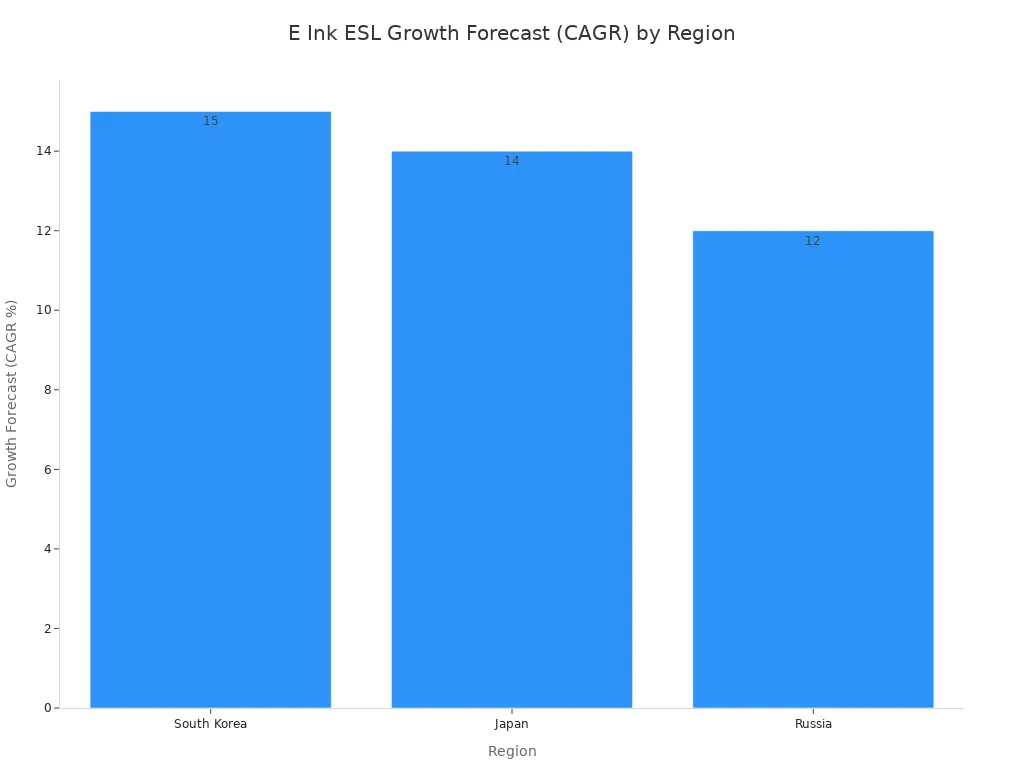
The future of retail is digital, and the e-ink esl is a cornerstone of that transformation. This e-ink technology is driving a global shift toward smarter, more efficient store operations.
The market for electronic shelf labels is expanding rapidly. Projections show strong growth in regions committed to retail innovation. This trend highlights the increasing demand for the automation and sustainability that e-ink provides.
FAQ
How long do the batteries in E Ink ESLs last?
E Ink ESLs are extremely power-efficient. The batteries in these devices typically last between five to seven years. This long lifespan minimizes maintenance requirements and reduces the total cost of ownership for the retailer.
How difficult is the installation process?
Professional teams typically handle the installation of an ESL system. They can deploy the technology with minimal disruption to store operations. The process involves setting up the gateway and attaching the labels to the shelves, often outside of business hours.
Can ESLs display information other than price?
Yes, smart ESLs are versatile communication tools. Retailers can display a wide range of information to enhance the shopping experience.
- Promotional details and sale graphics
- Real-time stock levels
- Product specifications
- QR codes linking to online content
What is the typical return on investment (ROI) for an ESL system?
Retailers often see a return on investment in under two years. The ROI comes from significant operational cost savings. These savings include reduced labor for price changes, elimination of paper and ink expenses, and prevention of revenue loss from pricing errors.