The conversation around e-labeling is escalating as it offers a faster, more sustainable way for companies to provide product information. This system replaces static printed labels with dynamic digital versions accessed instantly through a smartphone. The market for Electronic Shelf Labels alone is projected to grow at a 12.3% CAGR through 2029, signaling a major industry shift.
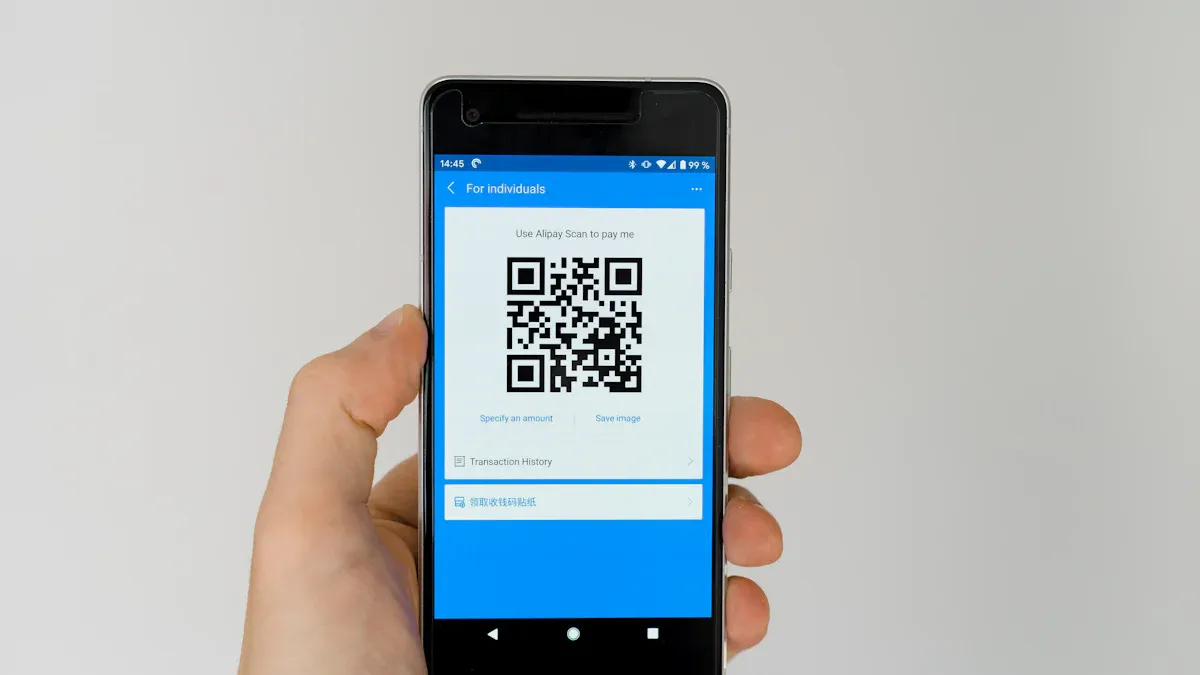
This digital transition aligns perfectly with consumer behavior, as nearly 89% of shoppers already use QR codes to access product details.
In an Esl Retail setting, an ESL Gateway AP can instantly update every ESL Price Tag, demonstrating the power of electronic labeling. This evolution benefits both businesses seeking operational efficiency and consumers demanding greater transparency.
Why E-Labeling Is a Game-Changer
E-labeling represents a fundamental evolution in product communication. It moves beyond static print to a dynamic digital interface. This shift delivers transformative advantages in speed, accessibility, and sustainability that are reshaping industry standards.
It’s Fast and Instantly Updateable
The primary advantage of e-labeling is its unparalleled speed. Traditional labeling workflows are slow and rigid. Digital systems, however, offer agility that was previously impossible.
Real-Time Information Changes
Businesses can modify digital label content on demand. This capability is critical when information requires immediate revision. The contrast with physical labels is stark:
- Digital Labels: Content updates are instantaneous. This is crucial when dosage guidance changes, new contraindications emerge, or regulatory text is revised.
- Physical Labels: Information remains fixed on printed materials. Updates require a complete cycle of reprinting, destroying old inventory, and managing distribution delays.
Eliminating Costly Recalls and Reprints
A minor error on a printed label—like a typo in an ingredient list or an incorrect weight—can trigger a massive and expensive product recall. Companies must absorb the costs of pulling products from shelves, reprinting labels, and repackaging goods. E-labeling virtually eliminates this risk. A correction can be deployed digitally in minutes from a central platform, updating the information for all future scans without disrupting the supply chain.
It’s Easy for Consumers and Businesses
Simplicity is at the heart of the e-labeling experience. The technology is designed to be intuitive for the end-user and highly efficient for the brand managing the information.
A Better User Experience
Modern consumers are well-equipped to interact with digital information. The process of accessing an e-label is seamless and familiar.
- Most smartphone devices have built-in QR code scanners, making information accessible to a wide audience.
- Consumers can easily scan a QR code with their smartphones to get more product details.
- NFC technology allows consumers to simply tap their phones on a product for specific information, offering an even more convenient experience for e-labelling.
Streamlining Compliance for Brands
E-labeling platforms simplify regulatory adherence by enabling easy updates to label content. This capability significantly reduces the risk of non-compliance from outdated information and streamlines the entire regulatory submission process. Digital systems offer powerful tools to maintain compliance.
- Automated Workflows: Centralized asset management and version control ensure that only approved, up-to-date content is published.
- Audit-Ready Records: The platforms maintain precise records of all label approvals and revisions, ensuring full traceability and accountability for regulators.
- Global Alignment: E-labeling helps businesses align with multiple regulatory frameworks (e.g., FDA, EU MDR), simplifying global compliance management from a single interface.
It’s Eco-Friendly and Cost-Effective
Beyond speed and convenience, e-labeling delivers significant environmental and financial benefits. It directly addresses the waste and expense inherent in physical label production.
Reducing Paper and Ink Waste
The shift to digital drastically reduces a company’s environmental footprint. Every digital label lessens the demand for paper, ink, and adhesives. The impact of this change is substantial. For instance, one financial institution saved an incredible 16.5 million A4-sized paper sheets annually just by implementing a digital notes system. This same principle applies to electronic labeling, where ongoing material costs for paper and ink are eliminated.
Slashing Printing and Logistics Costs
Reducing material waste translates directly into financial savings. The expenses associated with traditional labeling extend far beyond simple printing.
By going digital, companies cut costs related to printing machinery, ink procurement, label storage, and the logistics of shipping physical labels to different production facilities. This operational efficiency strengthens the bottom line.
How Does Electronic Labeling Work?
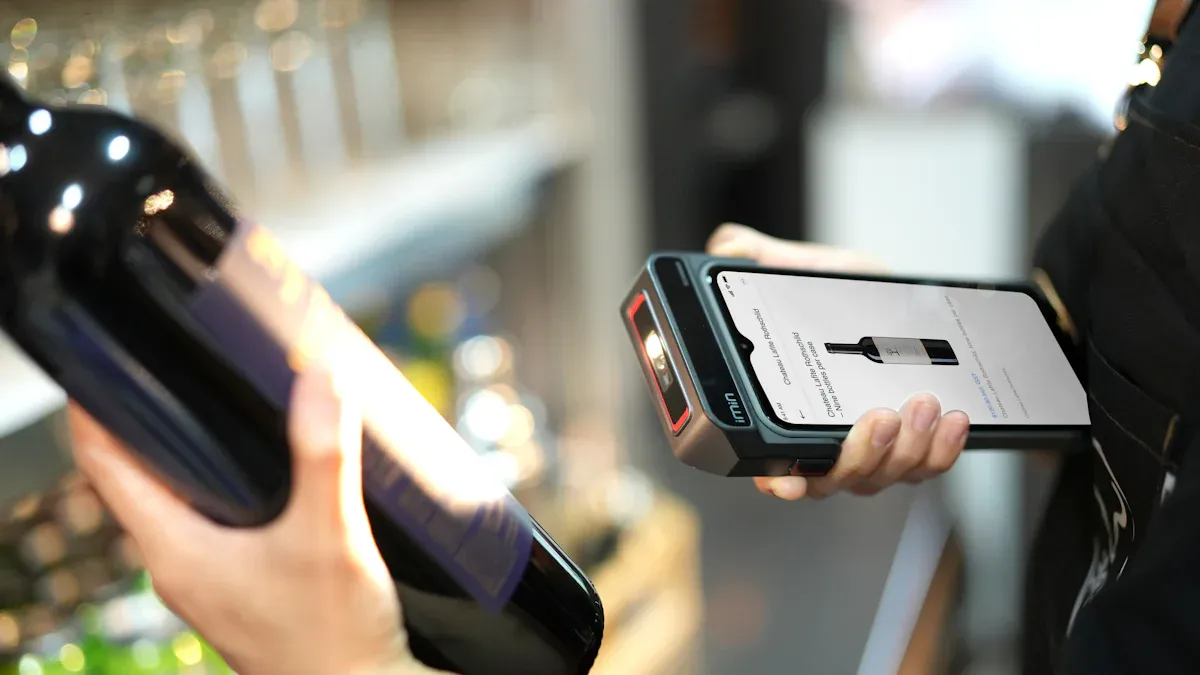
The process behind electronic labeling is designed for simplicity on the consumer side and powerful control on the business side. It bridges the physical product with a world of digital information through a seamless, two-part workflow.
The Consumer’s Journey
For the consumer, accessing an e-label is an intuitive, three-step process that requires nothing more than a standard smartphone.
Step 1: Scan the QR Code or Tap the NFC Tag
The journey begins at the product itself. The consumer uses their smartphone’s camera to scan a QR code printed on the package. Alternatively, for products equipped with Near Field Communication (NFC), a simple tap of the phone against the tag is all that is needed.
Step 2: Access the Digital Label Instantly
Once the code is scanned or the tag is tapped, the user is immediately directed to a web-based digital label. There are no apps to download or complex menus to navigate. The information appears directly in their phone’s browser, providing instant access to the product details they seek.
Step 3: Explore Rich, Interactive Information
This is where e-labels truly shine. Instead of a static block of text, consumers can engage with dynamic content. Brands use this space to offer more value and build a connection. Popular interactive elements include:
- Quizzes and Polls: These tools gather consumer feedback and offer personalized product recommendations.
- Augmented Reality (AR): Users can virtually see a product in their space before buying.
- Interactive Videos and Guides: These offer immersive how-to demonstrations and deeper brand stories.
- Calculators: Practical tools that provide users with actionable data, such as calculating dosage or nutritional intake.
The Business’s Workflow
For a business, implementing an e-label system involves a strategic workflow managed through a central platform. This process ensures all information is accurate, compliant, and easily updateable.
Choosing an E-Labeling Platform
The first step is selecting a robust label management software. This decision is critical, as the label management software serves as the command center for all digital label content. Companies look for a label management software with key features like multilingual capabilities and strong version control. Leading solutions like BarTender or specialized systems such as Artwork PLM provide the necessary tools. A good label management software is essential for success.
Creating and Managing Digital Labels
Once a platform is chosen, brands use the label management software to create, edit, and manage their e-labels. The label management software provides templates and workflows to ensure consistency. Any update—from a regulatory change to a new marketing message—is made within the label management software. This centralized control, a core function of the label management software, guarantees that only the most current and approved information is live. The label management software is the single source of truth.
Deploying on Product Packaging
After the digital label is finalized in the
label management software, the system generates a unique QR code or NFC tag link for each product. This identifier is then incorporated into the product’s physical packaging design and sent for printing. From that point on, thelabel management softwaremanages the digital destination, not the physical print.
What Products Use E-Labelling Today?
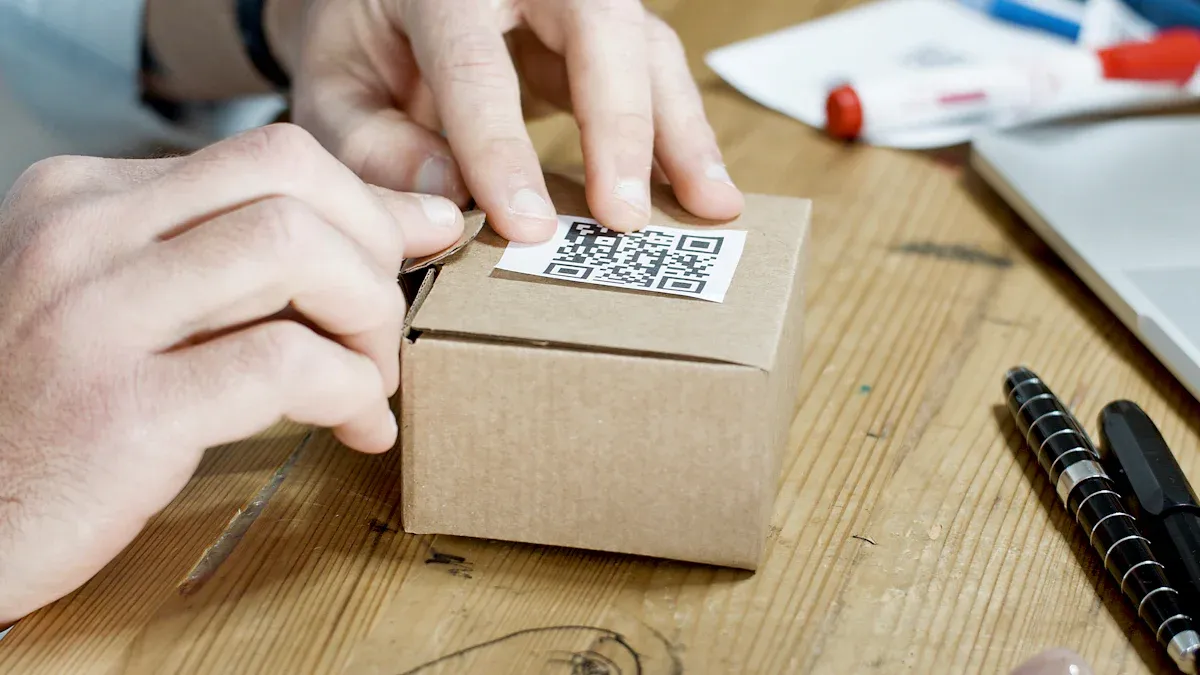
E-labelling is no longer a futuristic concept; it is a practical solution being adopted across diverse industries. From the vineyard to the operating room, digital labels are transforming how companies deliver information for their products. This technology provides regulatory compliance, operational efficiency, and deeper consumer engagement.
Revolutionizing the Wine and Spirits Industry
The wine industry has become a prominent adopter of digital labels, driven by new regulations and a desire to connect with consumers.
Meeting European Union Regulations
A significant driver is the European Union’s Regulation 2021/2117. This mandate reshaped labeling requirements for wine products sold in the EU.
- The physical bottle label must show the energy value, marked with an “E”.
- Allergens must also remain on the physical label.
- A QR code can link to an electronic label with the full ingredient and nutrition list.
- This digital space is strictly for mandatory information; no marketing content is allowed.
- The e-label cannot collect or track any user data.
Telling a Deeper Brand Story
Beyond compliance, wineries use e-labels to enrich the consumer experience. Brands can share their unique heritage, sustainable practices, and winemaking philosophy.
| Brand | Strategy |
|---|---|
| Treasury Wine Estates | Uses augmented reality to make characters on its “19 Crimes” labels come to life. |
| Fetzer Vineyards | Links to detailed reports on its regenerative agriculture and B Corp certification. |
| Jackson Family Wines | Provides specific details about vineyards, terroir, and winemaking techniques. |
Enhancing Consumer Electronics
The electronics sector uses e-labels to streamline the delivery of technical and regulatory information.
Digital Manuals and Specifications
Physical user manuals are often bulky and quickly outdated. E-labels provide access to digital manuals, setup guides, and detailed product specifications. This ensures consumers always have the most current instructions.
Federal Communications Commission (FCC) Compliance
In the United States, the E-LABEL Act of 2014 allows manufacturers of radiofrequency devices to use digital labels. The FCC permits this information to be on a device’s screen, accessible within a few steps in the menu. This saves space on smaller products and reduces printing costs.
Transforming Medical Devices and Pharma
The medical field leverages e-labels for critical safety and compliance, particularly for the Instructions for Use (IFU).
Digital Instructions for Use (IFUs)
Providing an electronic Instructions for Use, or IFU, is now standard practice. EU regulations require the digital IFU to be an exact copy of the paper IFU. Manufacturers must maintain all historical versions of the IFU on their website. The device labeling must clearly state that the IFU is electronic. A robust system must be in place to inform users about any updates to the IFU. This ensures healthcare professionals have access to the correct IFU at all times. The FDA also permits an electronic IFU for certain medical devices. This digital IFU enhances safety and accessibility. The IFU is a critical document, and its digital version must be managed carefully.
Critical Safety and Batch Information
E-labels are essential for supply chain security. Regulations like the U.S. Drug Supply Chain Security Act (DSCSA) mandate serialized 2D barcodes on packaging. Scanning these codes allows for the tracking and verification of medications. This system helps prevent counterfeiting and ensures patients receive authentic products.
Innovating the Food and Cosmetics Sectors
The food and cosmetics industries are rapidly adopting digital solutions to meet consumer demands for greater clarity and ethical sourcing. E-labelling provides a powerful tool to deliver this information without cluttering physical packaging. This technology helps brands build trust and empower consumers to make informed choices.
Detailed Allergen and Nutritional Data
Physical labels have limited space. This makes it difficult to list comprehensive allergen warnings, detailed nutritional profiles, and dietary information. Digital labels solve this problem by offering virtually unlimited space for critical health and safety data.
For consumers with severe allergies or specific dietary needs, instant access to detailed ingredient information is not just a convenience—it is a necessity for their well-being.
Brands can use this digital space to provide much more than the basics.
- Cross-Contamination Warnings: Detailed explanations about manufacturing environments can be provided for highly sensitive individuals.
- Dietary Suitability: Clear icons and text can confirm if a product is vegan, gluten-free, keto-friendly, or halal.
- Interactive Nutritional Info: Consumers could access features that calculate how a serving size fits into their daily dietary goals.
This level of detail helps consumers confidently select the right products for their lifestyle and health requirements.
Ingredient Sourcing and Transparency
Modern consumers care deeply about where their products come from. They want to know the story behind the ingredients, from the farm to the shelf. This demand for transparency is a perfect fit for the capabilities of a digital label.
Brands can use this platform to showcase their commitment to ethical and sustainable practices. A simple scan can transport a consumer to a webpage detailing the origin of key ingredients. This might include videos of the farms, interviews with growers, or certifications for fair trade and organic sourcing. For cosmetics, this could mean providing proof of cruelty-free testing or explaining the benefits of a specific botanical extract. This direct line of communication builds a stronger brand narrative and fosters consumer loyalty.
Understanding the Rules of E-Labeling
Navigating the regulatory landscape is a critical step for any company adopting electronic labeling. Different governing bodies have established specific rules to ensure information is accurate, accessible, and secure. Understanding these mandates is essential for successful implementation and market compliance.
Key Regulatory Bodies and Mandates
Global agencies are actively defining the standards for digital product information. The European Union has taken a leading role, with U.S. agencies also providing important guidelines.
The European Union’s Groundbreaking Mandate
The EU has been a pioneer in this field. Its mandates, like the one for the wine industry, set a clear precedent. The European Accessibility Act (EAA) further requires that digital products and services are accessible to people with disabilities. Conformity is often demonstrated by following the EN 301 549 standard, which points to the Web Content Accessibility Guidelines (WCAG).
U.S. Agency Guidelines (FDA, TTB)
In the United States, agencies like the Food and Drug Administration (FDA) and the Alcohol and Tobacco Tax and Trade Bureau (TTB) oversee labeling requirements. While the U.S. has not issued a broad mandate like the EU, these agencies provide specific guidance for using digital labels for certain products, particularly in the medical device and electronics sectors.
What Information Is Mandatory?
A key aspect of compliance is understanding what information must be on the e-label versus what is considered supplementary.
Differentiating Core vs. Supplementary Data
Regulators clearly distinguish between required data and voluntary marketing claims. The physical package often retains the most critical warnings, while the e-label provides the comprehensive details.
| Category | Mandatory Information (USA) | Supplementary/Voluntary Information (USA) |
|---|---|---|
| General | Nutrition Facts, Ingredients lists, Allergen statements | Health claims (e.g., ‘lowers cholesterol’), Nutrient claims (e.g., ‘excellent source of Ca’), Marketing claims |
| Accessibility | Must be immediately visible or accessible by click/hover | Can appear anywhere on the webpage, including images |
Ensuring Accessibility for All Users
E-labels must be usable by everyone, including individuals with disabilities. This means adhering to established accessibility standards.
- Content must be structured with proper headings for easy navigation.
- Text alternatives (
alt text) must be provided for all meaningful images. - Sufficient color contrast between text and its background is required.
- All functions must be navigable using both a keyboard and a mouse.
- Information must be available without requiring a user to log in.
Staying Compliant Across Global Markets
Selling products internationally introduces another layer of complexity, as regulations can vary significantly from one country to another.
The Challenge of International Regulations
Global compliance is a significant hurdle. Each market may have unique rules. For example, Taiwan allows e-labels for mandatory information on small packages, while South Korea permits them for nutritional data. This patchwork of regulations can create barriers to trade if not managed properly.
How E-Labels Simplify Global Trade
This is where a robust label management software becomes invaluable. These platforms centralize content and streamline compliance across different regions. A good label management software allows a company to manage multiple label variations from a single source, ensuring that the correct information is deployed for each specific market. This simplifies the challenge of regulatory interoperability and facilitates smoother global trade.
From E-Labels to Electronic Shelf Label Systems
The digital transformation of product information extends beyond the package to the retail shelf itself. While e-labels provide deep, interactive content for individual products, electronic shelf label systems bring similar efficiency and dynamism to the entire store. This technology is a natural extension of the e-labeling concept, creating a fully connected retail environment.
The Rise of the Electronic Shelf Label
The adoption of the electronic shelf label is accelerating as retailers seek to automate operations and enhance the in-store experience. The market for this technology is expanding rapidly, driven by the clear advantages it offers over traditional paper tags.
What Are Electronic Shelf Labels (ESLs)?
An electronic shelf label is a small, battery-powered digital display used by retailers to show product pricing and other key information at the shelf edge. Unlike static paper labels, an electronic shelf label can be updated wirelessly and instantly from a central server. This technology is a core component of modern retail automation, with the market projected to grow significantly.
| Metric | Value |
|---|---|
| Market Value (2024) | USD 1.85 billion |
| Projected Market Value (2035) | USD 9.81 billion |
| Compound Annual Growth Rate (CAGR) | 16.38% |
This growth reflects the increasing demand for solutions that streamline operations and improve inventory management.
How ESLs Automate In-Store Pricing
An electronic shelf label system automates the entire product pricing process. Using a central software platform, a retail manager can change the price of a single item or thousands of products across multiple stores with a single command. This enables sophisticated strategies like dynamic pricing, where prices can be adjusted in real-time based on demand, competitor pricing, or promotional schedules. The system sends the new data wirelessly to each electronic shelf label, eliminating manual work.
Benefits for Retail Operations
Implementing an electronic shelf label system delivers immediate and measurable improvements to a store’s daily functions. The primary benefits are found in enhanced accuracy and significant labor savings.
Ensuring Price Accuracy Instantly
Pricing errors are a common problem with manual labels, leading to customer frustration and potential legal issues. An electronic shelf label eliminates this risk. With a centralized electronic shelf label system, the price displayed at the shelf is always synchronized with the checkout system. This guarantees price accuracy, with error rates dropping from as high as 5% with paper tags to less than 0.1%.
Improving Labor Efficiency
The most significant operational gain comes from reducing the labor required for price changes. Manually printing, cutting, and replacing thousands of paper labels is a time-consuming and repetitive task.
Stores using an electronic shelf label have reported a reduction of up to 70% in labor hours dedicated to price updates. In large supermarkets, this efficiency gain can exceed 80%, freeing up employees to focus on more valuable activities like customer service and inventory management.
Connecting On-Shelf Data with E-Labels
The true power of this technology is realized when the electronic shelf label on the shelf connects with the e-label on the product. This creates a seamless and unified information ecosystem for the consumer.
Creating a Unified Customer Experience
Modern electronic shelf label displays do more than just show a price. Many are equipped with QR codes or NFC technology. A customer can scan the electronic shelf label with their smartphone and be instantly directed to the product’s detailed e-label. This bridges the gap between the concise information on the shelf and the rich, interactive content available digitally.
Linking Promotions to Product Information
An electronic shelf label is an excellent tool for highlighting in-store promotions. Using color displays, retailers can draw attention to sale items. This visual cue can be linked directly to more detailed promotional information.
- An electronic shelf label can display a “Sale” price in red.
- Scanning the QR code on that same electronic shelf label can take the customer to a page with digital coupons or bundle deals.
- This allows for complex dynamic pricing strategies where promotions are updated instantly and linked to deeper product stories, creating a powerful and cohesive shopping journey.
The Future of Product Information and E-Labeling
The evolution of e-labelling is paving the way for a new generation of intelligent packaging. Emerging technologies like augmented reality, artificial intelligence, and the Internet of Things are set to transform the simple QR code into a gateway for deeply immersive and data-rich experiences.
Integration with Augmented Reality (AR)
Augmented reality merges the digital and physical worlds, offering consumers a way to interact with products before they even open the box.
Bringing Products to Life Visually
By scanning a code, consumers can use their smartphone to overlay digital content onto the physical product. This technology allows a shopper to visualize how a piece of furniture would look in their living room or view a 3D animation of a complex electronic device. AR turns the package into an interactive showroom.
Interactive How-To Guides and Demos
AR excels at providing practical, visual instructions. Instead of reading a confusing manual, a user can point their phone at a product to see animated, step-by-step guides for assembly, use, or maintenance. This visual guidance simplifies complex tasks and significantly improves the user experience.
The Role of Artificial Intelligence (AI)
AI will make digital labels smarter and more responsive, delivering personalized value to consumers and actionable insights to brands.
Delivering Personalized Consumer Content
AI algorithms can customize the information a user sees based on their location, language preferences, or past interactions. A consumer in France might automatically see content in French, while a user with known dietary restrictions could be shown relevant recipes or allergen alerts first.
Predictive Analytics for Brand Strategy
Brands can leverage AI to analyze aggregated, anonymous data from e-label scans. This analysis can reveal powerful insights into consumer behavior, product engagement, and regional trends. These predictive analytics help companies optimize marketing campaigns and inform future product development.
Towards a Fully Connected Package
The ultimate goal is a package that is fully connected to the digital world, providing real-time data from creation to consumption.
The Internet of Things (IoT) and Smart Labels
The next frontier involves embedding advanced sensors into labels. These “smart labels” can transform any package into an Internet of Things (IoT) device. Equipped with sensors, they can actively monitor conditions like temperature, motion, and humidity, providing a live status update of the package’s environment.
Enhancing Supply Chain Traceability
IoT technologies like Radio-frequency Identification (RFID) and smart labels are revolutionizing supply chain security. They create a unique “digital twin” for individual products, documenting their entire journey from origin to destination. This real-time data transmission helps combat counterfeit goods and guarantees authenticity. With an estimated 581 million smart labels expected to ship by 2028, this capability is becoming essential for tracing back issues like contamination and ensuring the integrity of the supply chain.
Electronic labeling represents a fundamental shift in how we interact with products, not a fleeting trend. It delivers powerful advantages in speed, cost-effectiveness, and sustainability that are impossible to ignore. This evolution benefits both businesses seeking efficiency and consumers demanding greater transparency.
For businesses and consumers alike, e-labeling paves the way for a smarter, more transparent, and connected marketplace.
FAQ
Do I need a special app to scan an e-label?
No. Most modern smartphones have built-in QR code readers in their camera apps. You simply point your camera at the code. No special application is required, making access simple and immediate for consumers.
Is e-labeling expensive for businesses?
Initial setup has costs, but e-labeling often saves money long-term. It eliminates expenses for reprinting, reduces waste, and streamlines compliance. The return on investment comes from operational efficiency and avoiding costly errors on physical labels.
How is an e-label different from an electronic shelf label?
An e-label provides deep product details via a QR code on the package itself. In contrast, an electronic shelf label is a digital price tag on the store shelf, used by retailers for dynamic pricing.
Is my personal data safe when I scan an e-label?
Yes. Regulations, especially in the EU, strictly prohibit mandatory e-labels from collecting or tracking user data. The link directs you to a static information page, ensuring your privacy is protected while you access product details.
Can people with disabilities use e-labels?
Yes. Regulatory standards like the European Accessibility Act require e-labels to be accessible. They must work with screen readers and be navigable by keyboard, ensuring everyone can access the vital information provided.
What happens if the QR code on a package gets damaged?
Minor scratches are often not an issue for modern scanners. For significant damage, some brands print a short URL near the code as a backup. This allows users to manually type the address into their browser.
Does an electronic shelf label connect to the e-label?
Yes, they can work together. A modern electronic shelf label often includes its own QR code. Scanning it can link a shopper directly to the product’s detailed e-label, creating a unified and informative experience.