Electronic shelf label systems allow retailers to update product information digitally. These small, battery-powered Electronic Shelf Labels replace traditional paper tags on the shelf edge. An ESL Gateway AP sends real-time data from a central server to each ESL Price Tag. This esl electronic technology is transforming Esl Retail operations. The market for the electronic shelf label is expanding, showing how essential ESL is becoming. The growth of ESL is notable:
| Metric | Value |
|---|---|
| 2022 Market Size | USD 920.24 Million |
| 2030 Projected Market Size | USD 3,721.16 Million |
| CAGR (2023-2030) | 20.12% |
How Does an ESL Electronic System Work?
An ESL electronic system works by connecting digital tags at the shelf to a central server through a wireless network. This setup allows retailers to manage pricing and product information from a single point, ensuring that updates are sent to the shelves instantly and accurately. The system is composed of several key parts that work together to automate the entire process.
The Core Components
Electronic shelf label systems rely on three main components to function: a central management server, wireless communication gateways, and the electronic shelf labels (ESLs) themselves.
- Management Server/Software: This is the brain of the operation. The software connects to the retailer’s existing IT systems to pull product data. It allows staff to design and customize label templates, manage pricing updates for promotions, and assign specific information to each ESL on the floor.
- Communication Gateway (Access Point): These devices act as bridges. They receive data from the central server and transmit it wirelessly to the electronic price tags throughout the store. Gateways ensure complete store coverage.
- Electronic Shelf Labels (ESLs): These are the small, battery-powered digital displays on the shelf edge. Each ESL receives data from the gateway and shows the updated price, product name, and other relevant information.
The Wireless Communication Process
Automated ESL systems use wireless protocols to send information from the central server to the labels. The server first processes the data and creates the visual layout for the ESL. It then sends this information to the gateways.
The gateways broadcast the update using a specific wireless frequency. Most systems use Radio Frequency (RF) for its wide coverage and flexibility, allowing signals to travel around obstacles. Some providers, however, utilize Infrared (IR) technology, which requires a direct line of sight but can offer very fast data transmission. The esl electronic system ensures that the correct data reaches the designated label securely and efficiently.
Types of ESL Displays
ESL displays are not one-size-fits-all. They come in various types, primarily differing in their display technology and power source. The most common type uses e-paper (or e-ink), similar to an e-reader. This technology is extremely energy-efficient because it only consumes power when the display is updated.
Note: Thanks to e-paper technology, the battery life for an ESL is impressive. While the industry average is around 5 years, some advanced models can last up to 10 years on a single battery, even with multiple updates per day. This longevity makes electronic shelf label systems a sustainable and low-maintenance choice for modern retail.
Key Benefits of Electronic Shelf Labeling for Retailers
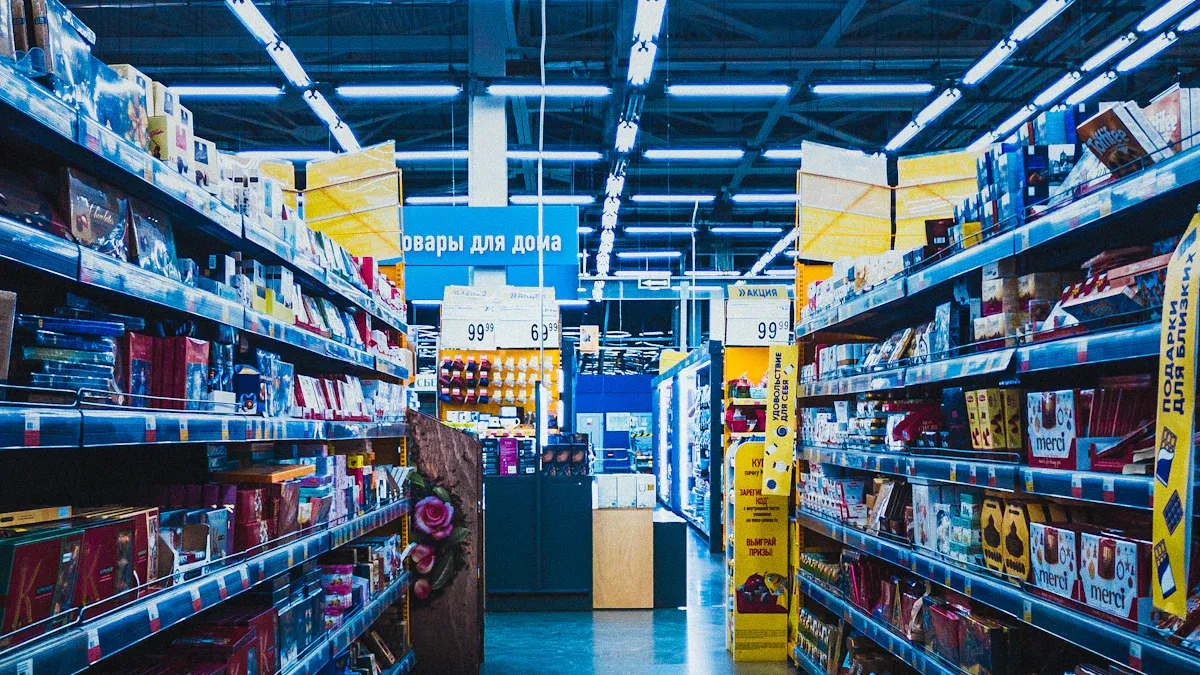
Adopting electronic shelf labeling offers retailers a powerful competitive advantage. The technology streamlines operations, boosts revenue, and modernizes the store environment. These benefits extend from the back office to the sales floor, creating a more efficient and profitable business model.
Ensures Pricing Accuracy and Automation
Manual price changes are prone to human error. An incorrect paper tag can lead to customer frustration, checkout discrepancies, and potential legal compliance issues. Electronic shelf label systems solve this problem by automating the entire process. A central server sends price updates to every tag simultaneously, ensuring 100% accuracy between the shelf and the point-of-sale (POS) system. One retailer saw pricing errors fall from 15% to virtually zero after implementation.
This level of accuracy is consistent across the industry. Studies show significant improvements in pricing integrity after adopting ESL technology.
- Retailers report a 70% general decrease in pricing errors.
- Large European retailers have cut pricing errors by 50%.
- Grocery stores and supermarkets have seen a 25% reduction in pricing mistakes.
This automation eliminates the need for manual price audits. It builds a foundation of trust with customers who see consistent and reliable pricing on every visit.
Improves Operational Efficiency
Retailers constantly seek ways to optimize labor and reduce costs. The esl electronic system is a major driver of operational efficiency. It automates one of the most time-consuming manual tasks: changing paper price tags. A full-store repricing that once took employees days or weeks can now finish in minutes. This automation frees staff from tedious work. They can then focus on high-value activities like assisting customers, managing inventory, and improving store presentation.
A European supermarket chain saved an estimated $250,000 annually in labor costs alone. This demonstrates the powerful financial impact of reallocating staff hours from manual pricing to more productive roles.
The Finnish cooperative SOK provides a compelling case study. After deploying millions of ESL units, the company dramatically increased store efficiency. It automated over 100 million price updates, which improved the employee experience by removing routine tasks. Staff now use the ESL system for “pick-by-light” order fulfillment and “replenish-by-light” restocking, further streamlining store logistics. This advanced pricing management helps retailers address labor shortages and reduce operational costs.
Enables Dynamic Pricing Strategies
An ESL system unlocks sophisticated dynamic pricing strategies that are impossible with paper tags. Retailers can adjust prices in real-time across the entire store or specific departments with just a few clicks. This agility allows them to respond instantly to market changes, competitor actions, and inventory levels.
Retailers can implement various promotional tactics, including:
- Scheduled Promotions: Automatically activate “happy hour” discounts on certain products during specific times of the day to drive traffic during slow periods.
- Flash Sales: Quickly reduce prices on items nearing their expiration date to minimize waste and recover revenue.
- Competitor Price Matching: Use software to monitor competitor prices and automatically adjust shelf prices to stay competitive.
These strategies not only boost sales but also improve profit margins. The return on investment (ROI) for an esl is often realized quickly, driven by a combination of labor savings and enhanced operational efficiency.
| Store Type | Estimated Payback Window | Top Savings Driver |
|---|---|---|
| Small Format | 12–18 months | Labor reduction |
| Standard Grocery | 8–15 months | Error + labor reduction |
| Large Format | 6–12 months | Operational efficiency |
A 2022 Forrester study confirmed these findings, reporting a potential five-year ROI of 277% for retailers, with the system paying for itself in under 18 months.
Enhances Inventory Management
Electronic shelf labeling transforms inventory management by providing real-time visibility into stock levels directly on the sales floor. The system integrates with a retailer’s central inventory software. This connection allows the management server to pull and push crucial data to each digital tag. An ESL can display far more than just a price; it can show current stock counts, indicate if an item is out-of-stock, and even provide information on the next shipment date or approved substitutes. This creates a live, accurate view of inventory where it matters most—at the point of decision for both customers and staff.
This direct link between the shelf and the stockroom helps retailers prevent two major profit killers: stockouts and overstock. The real-time data gathering and analysis provide an accurate, constantly updated picture of inventory status. This leads to several key improvements:
- Real-Time Accuracy: The labels synchronize instantly with the store’s inventory system. As items are sold, the stock level displayed can update automatically, preventing staff from accidentally selling unavailable products.
- Proactive Restocking: Employees no longer need to perform manual stock checks. A quick glance at the shelf reveals items that are running low and need reordering, streamlining replenishment cycles.
- Waste Reduction: For perishable goods, the system can flag items nearing their expiration date, allowing staff to apply discounts or promotions to move the product quickly.
Retailers can take this a step further by using AI-driven forecasting tools powered by the accurate data from their digital systems. Some electronics retailers have reduced both overstock and out-of-stock situations by 30% by using these predictive models. The data from the esl provides the real-time accuracy needed for these tools to work effectively, ensuring shelves remain stocked for in-store shoppers while accurately reserving products for online orders like click-and-collect.
How ESL Technology Impacts the Customer Experience
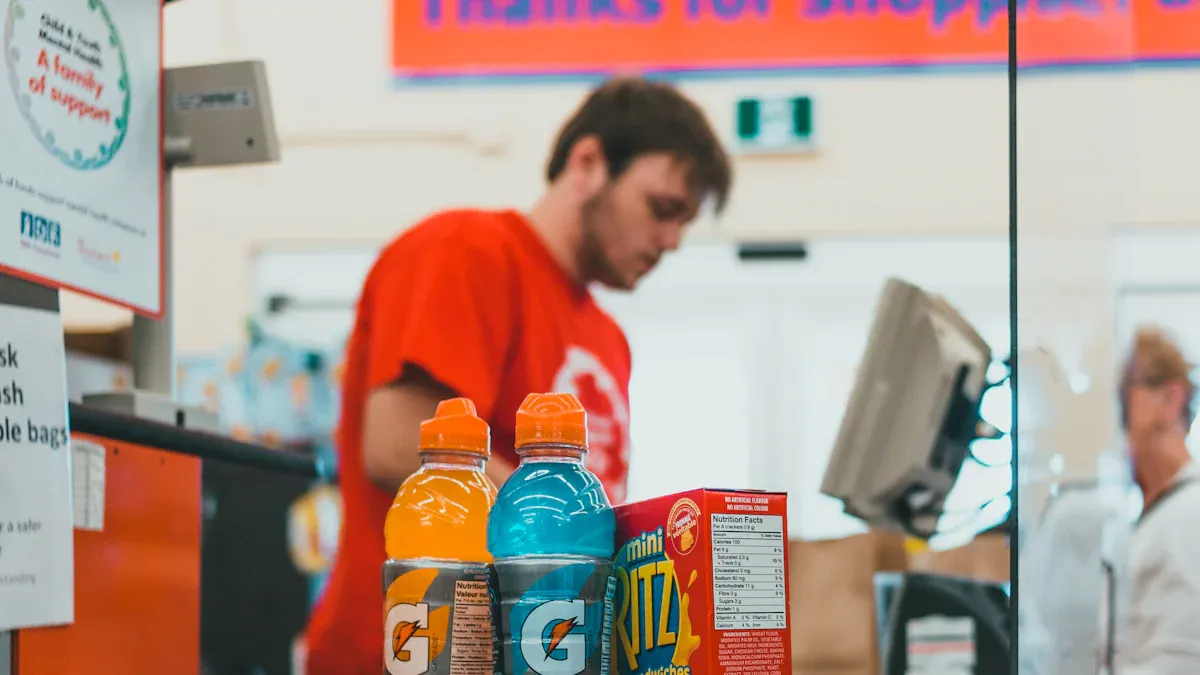
Electronic shelf label systems fundamentally improve the in-store shopping journey. They move beyond simple pricing to create a more informed, trustworthy, and integrated environment. This technology empowers customers with real-time data, building confidence and bridging the gap between online and offline retail.
Provides Accurate and Rich Information
Modern ESLs serve as dynamic information hubs at the shelf edge. They provide shoppers with far more than just a price, helping them make better purchasing decisions on the spot. An ESL can display a wealth of data, including:
- Promotions and discounts
- Customer reviews and ratings
- Product ingredients or origin
- Competitor pricing comparisons
- Inventory levels
Many labels also feature QR codes. A quick scan with a smartphone can unlock detailed nutritional facts, allergen warnings, or even videos about a product’s sustainability journey. This transparency gives customers direct access to the information they need, right when they need it.
Builds Customer Trust and Satisfaction
Pricing accuracy is a cornerstone of customer trust. An esl eliminates the frustration of price discrepancies between the shelf and the checkout counter. When the price displayed is always the price charged, it creates a seamless and reliable shopping experience. This consistency is something shoppers notice and appreciate.
By providing real-time and accurate pricing, ESL technology prevents unpleasant surprises at checkout. This fosters customer trust and contributes to a more enjoyable shopping environment.
This reliability saves customers time and removes doubt from their purchasing decisions. Over time, this dependable accuracy builds strong customer loyalty, as shoppers learn to trust the retailer for fair and consistent pricing on every visit.
Enables Omnichannel Strategy Integration
The esl electronic system is a key enabler of a modern omnichannel strategy. It connects a retailer’s digital presence with the physical store. Advanced labels use Bluetooth to communicate with a retailer’s mobile app. This allows for personalized experiences, such as displaying special offers to loyalty members when they approach a product. This seamless integration creates a cohesive journey, making the in-store experience feel as dynamic and personalized as online shopping.
The esl electronic system is a critical retail tool that automates pricing, improves operational efficiency, and enhances the shopping experience. By providing accurate, real-time information directly at the shelf, it ensures consistency and frees up staff for more valuable tasks. Adopting an ESL is a strategic investment in modernizing retail operations. Most retailers recover their ESL investment within 12 to 36 months, securing a significant competitive advantage in a dynamic market.
FAQ
What is the typical cost of an ESL system?
The cost of an ESL system varies based on store size, label quantity, and chosen features. Retailers often see a return on investment within 6 to 18 months. This payback comes from labor savings, reduced pricing errors, and improved operational efficiency.
How long does it take to install an ESL system?
Installation time depends on the store’s scale. A small format store might complete the process in a few days. Larger supermarkets or big-box stores may require several weeks. Professional installation teams work to minimize disruption to daily store operations during the rollout.
Are electronic shelf label systems secure?
Yes, modern ESL systems use secure, encrypted wireless protocols to protect data. The communication between the central server, gateways, and labels is protected from unauthorized access. This ensures that pricing and product information remain accurate and tamper-proof.
Can ESLs work in all store environments?
Most ESLs are designed for standard indoor retail conditions. However, specialized labels are available for challenging environments. These include waterproof models for seafood counters and durable, low-temperature versions for freezers and refrigerated sections, ensuring functionality across the entire store.