
Retail media is a powerful form of advertising within a retailer’s digital and physical ecosystem. This marketing strategy allows brands to place advertising directly before customers during their shopping journey. The core of retail media is the use of the retail partner’s first-party data, making the marketing highly effective. This includes digital retail media on websites and innovative in-store tech. For instance, Esl Retail solutions use an ESL Gateway AP to instantly update an ESL Price Tag on Electronic Shelf Labels.
The retail media market is expanding rapidly, with projections showing it will reach $7.28 billion by 2031, demonstrating its growing importance in modern advertising.
Why is Retail Media Gaining Momentum?
The rapid ascent of retail media is not accidental. It is a direct response to fundamental shifts in the digital landscape and evolving business needs. Several key drivers are transforming it into the fastest growing advertising channel and a critical component of modern marketing strategies.
The Shift Away from Third-Party Cookies
The digital advertising world is navigating a monumental change: the end of third-party cookies. This shift disrupts long-standing methods for tracking and targeting users across the web.
The Rise of First-Party Data
Advertisers face new hurdles without cookies. Personalized ad targeting is diminished, and measuring campaign results becomes more complex. This challenge has elevated the importance of first-party data. Retailers possess a wealth of this data, collected directly from customer transactions and on-site behavior. By 2026, experts predict 85% of publishers will see first-party data as essential for advertising results. This valuable information allows brands to reach relevant audiences in a privacy-compliant manner.
Building a Privacy-Compliant Ad Strategy
Privacy regulations and browser changes have forced a strategic pivot. Retail media offers a secure solution. It operates within a retailer’s closed-loop ecosystem, using consented data for targeting. This approach reduces reliance on external tracking and helps brands build a more sustainable, privacy-first advertising strategy. Many marketers are adapting their tactics.
A 2024 IAB report found that nearly 90% of marketers are changing their personalization tactics and budget allocations to prioritize first-party data in response to these industry shifts.
The Demand for Performance and ROI
Economic pressures have intensified the need for every marketing dollar to be accountable. Brands are demanding clear, measurable returns on their retail media investments.
Reaching High-Intent Shoppers at Checkout
Retail media platforms give brands direct access to consumers at the most critical moment: the point of purchase. These shoppers are not just browsing; they are actively making buying decisions. Placing an ad on a digital shelf or search result page puts a product directly in the path of a customer with high purchase intent, making the advertising spend highly efficient.
Closing the Loop Between Ad Spend and Sales
A primary advantage of retail media is its ability to connect ad views directly to sales. Unlike traditional advertising, where attribution can be ambiguous, retailers can track whether a shopper who saw an ad ultimately purchased the product. This closed-loop measurement provides a clear Return on Ad Spend (ROAS), answering the crucial question of how marketing efforts impact the bottom line.
A New High-Margin Revenue Stream for Retailers
For the retail industry, this trend represents a powerful new business model. It offers a way to generate significant profits beyond the traditional sale of goods.
Monetizing Digital and Physical Store Traffic
Retailers can now monetize their most valuable assets: their customer traffic and data. Every visitor to a website, app, or physical store becomes part of a potential audience. This creates a lucrative revenue stream from an existing operational footprint. The profit margins from these advertising sales are substantial.
- Core Retail Profit: Typically 3-4%
- Retail Media Profit: Often between 70-90%
Strengthening Brand-Retailer Partnerships
This new dynamic transforms the relationship between brands and retailers from a simple transactional one to a strategic partnership. Brands gain valuable shopping insights and performance data, while retailers secure a high-margin revenue source. This collaborative approach fosters deeper integration and shared goals for growth.
How a Retail Media Network Functions
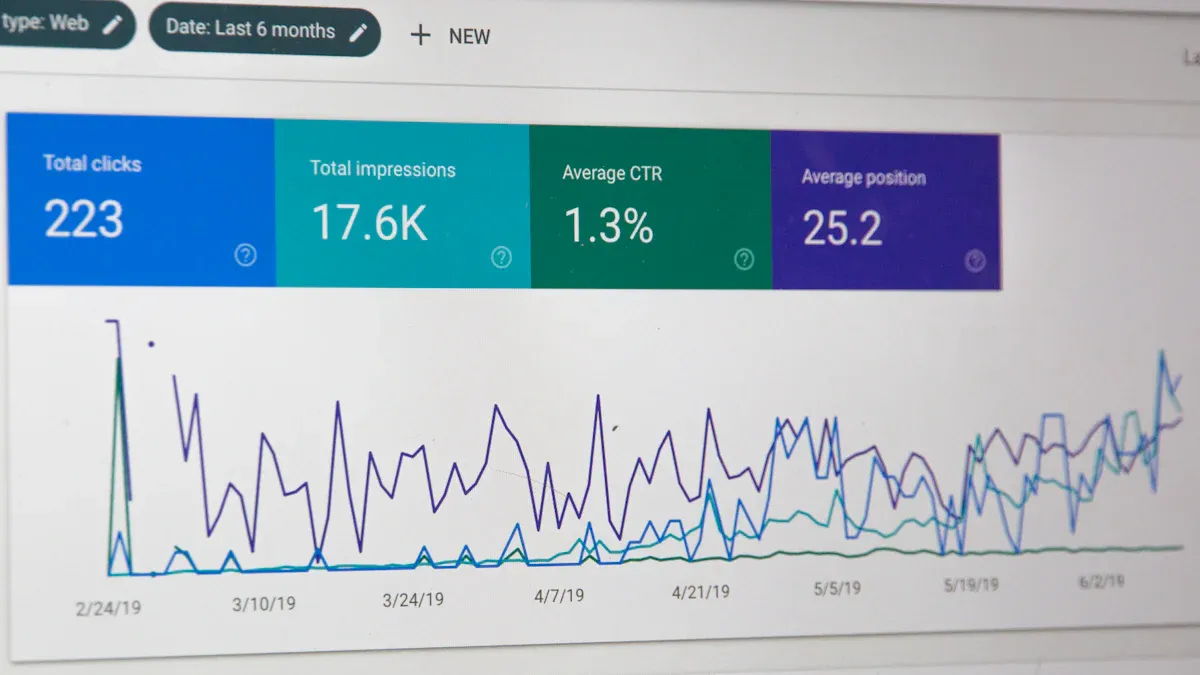
A retail media network (RMN) is the engine that powers a retailer’s advertising business. It is a sophisticated ecosystem of technology, data, and services. This system allows brands to plan, execute, and measure advertising campaigns using the retailer’s valuable first-party data and digital properties. Understanding its mechanics is key to unlocking its potential.
Defining a Retail Media Network (RMN)
At its core, a retail media network is a closed-loop advertising platform. It is owned and operated by a retail company. This network gives brands access to the retailer’s audience of shoppers. Major players like Amazon Advertising, Walmart Connect, and Target’s Roundel have built powerful networks that leverage their vast customer bases and rich data.
The Core Platform and Technology
The technology behind an RMN is its foundation. It combines several critical components to manage the entire advertising process from start to finish. A modern retail media platform integrates these elements to function effectively.
- Data and Bidding Technology: The system uses extensive first-party customer data. This includes purchase history and browsing behavior. Bidding technology then uses this data to target ads with precision.
- Advanced Analytics: Artificial intelligence (AI) and machine learning (ML) are often used. These technologies optimize ad delivery and improve targeting accuracy over time.
- Ad Space Inventory: This refers to the management of all available ad placements. It includes spots on homepages, product listings, and checkout areas across the retailer’s website and app.
The entire process generally follows a clear, four-step operational flow:
- Inventory and Data Aggregation: The retail company compiles its ad inventory and organizes its first-party data from loyalty programs and purchase history.
- Campaign Setup and Targeting: Brands use the platform to define campaign goals, select audience segments, and set budgets.
- Ad Serving and Real-Time Targeting: An automated system matches ads to individual shoppers. It uses an auction mechanism to show the ad to users most likely to convert.
- Measurement and Attribution: The network connects ad views directly to sales. This provides brands with clear metrics like Return on Ad Spend (ROAS).
On-Site vs. Off-Site Advertising
Retail media networks typically offer two primary types of advertising opportunities. Each serves a distinct strategic purpose.
On-Site Advertising: This is advertising that appears directly on the retailer’s own digital properties, such as its website or mobile app. Examples include sponsored product listings in search results or banner ads on the homepage.
Off-Site Advertising: This involves using the retailer’s first-party data to target its shoppers on other platforms across the internet. A brand could use a retailer’s audience segments to run ads on social media or other websites, extending its reach beyond the retail environment.
The Mechanics of Targeting and Activation
The true power of retail media lies in its ability to target consumers with unparalleled precision. This is achieved by transforming raw shopper data into actionable audience segments.
Leveraging Shopper Data for Segmentation
Retailers collect a massive amount of first-party data. This data provides deep insights into customer behaviors and preferences. The network analyzes this information to group shoppers into specific segments. For example, a segment could include “frequent buyers of organic produce” or “shoppers who recently viewed high-end electronics.” This process allows brands to move away from broad marketing and toward tailored campaigns that resonate with individual preferences.
Audience Building and Personalization
Once segments are created, brands can activate them. This involves building targeting strategies around real shopper needs. Customer Data Platforms (CDPs) often play a role here. They combine data from multiple touchpoints to create unified customer profiles. This enables powerful 1:1 personalization. A brand could show an ad for a new vegan product specifically to shoppers who frequently purchase plant-based foods. This precise targeting optimizes ad spend by focusing on high-intent consumers, making the shopping experience more relevant.
The Role of Ad Serving and Bidding
The final step in the process is delivering the right ad to the right person at the right time. This is managed through sophisticated ad serving and bidding systems that operate in real time.
Self-Service vs. Managed Service Models
Brands can typically engage with a retail media network in two ways. The choice depends on their resources and expertise.
| Model Type | Description | Best For |
|---|---|---|
| Self-Service | Brands get direct access to a platform to build, manage, and optimize their own campaigns. | Brands with in-house expertise and a desire for full control. |
| Managed Service | The retailer’s dedicated team of experts manages the campaign on the brand’s behalf. | Brands seeking strategic guidance or those with limited resources. |
Auction Dynamics and Ad Placement
Most retail media ad placements are sold through an automated auction. This process, known as real-time bidding (RTB), happens in milliseconds. When a user visits a page with an ad slot, an auction begins. Advertisers who have targeted that user place bids. An ad decision engine then selects the winning ad, often based on the highest bid. This ensures the advertiser willing to pay the most reaches the consumer. This auction logic allows the retail media network to maximize its revenue while delivering relevant ads to shoppers.
Common Types of Retail Media Ads
Retail media ads are diverse. They appear across a retailer’s digital and physical properties. Understanding the common formats is essential for creating an effective advertising strategy. These formats are generally grouped into three main categories.
On-Site Digital Placements
On-site placements are advertisements located directly on a retailer’s website or app. This digital retail media is highly effective. It reaches consumers while they are actively in a shopping mindset.
Sponsored Product Listings in Search
Sponsored product listings are the most common type of retail media ads. They appear at the top of search results when a shopper looks for a product. This premium placement gives brands immediate visibility. The effectiveness of these listings is well-documented across major retail platforms.
| Platform | Metric | Value |
|---|---|---|
| Amazon | Increase in sales | 150% |
| Walmart | Increase in CTR | 30% |
| Sodimac | ROAS (vendors) | 9x |
Homepage Banners and Display Ads
Homepage banners and other display ads are visual advertisements. They are placed in high-traffic areas of a retail website. These placements are crucial for building brand awareness and promoting special offers. Key locations include:
- Homepage Banners
- Category Pages
- Product Detail Pages (PDPs)
Video Ads on Product Pages
Video ads offer a dynamic way to showcase a product. They can appear on product detail pages to demonstrate features and benefits. This format helps shoppers make more informed purchase decisions.
In-Store and Physical Advertising
The retail media ecosystem extends into the physical store. In-store retail media uses technology to deliver advertising to shoppers on-site. This bridges the gap between the digital and physical shopping experiences.
Digital Screens at Entrances and Aisles
Retailers increasingly use dynamic digital screens. These signs can display promotional retail media advertising content and manage store traffic. This form of in-store retail media creates a modern and engaging environment.
Smart Cart and Checkout Screen Ads
Modern shopping carts and self-checkout kiosks often feature built-in screens. These screens present another opportunity for in-store retail media. They can display targeted promotions based on items in a shopper’s cart.
In-Store Audio Announcements
Audio announcements are a traditional yet effective form of advertising. These announcements can highlight promotions or new products to everyone in the store.
Off-Site Extension Programs
Off-site programs use a retailer’s first-party data to target shoppers on other websites and platforms. This extends a brand’s reach beyond the retailer’s properties.
Using Retailer Data on Social Media
A brand can use a retailer’s valuable shopper data to run campaigns on social media. This data includes purchase history and browsing behavior. It allows for precise targeting that general advertising tools cannot match.
Programmatic Ads on the Open Web
Retailer data can also power programmatic advertising on the open web and Connected TV (CTV). For example, a shopper who buys baby food at a retail store might see a relevant ad for diapers while streaming a show. This shows the power of retail media to connect with consumers across different channels.
The Evolving Retail Media Landscape
The retail media landscape is a dynamic and complex environment. It involves a symbiotic relationship between retailers, brands, and technology providers. Each player has a distinct role. Understanding these roles is crucial to navigating this rapidly growing advertising channel.
Key Players in the Ecosystem
The retail media ecosystem is built on three core pillars. Each contributes to the creation, delivery, and measurement of advertising campaigns.
The Retailers as Publishers
Retailers are the foundation of this model. They own the valuable first-party data and the digital or physical ad inventory. They act as publishers, creating a retail media network to monetize these assets. This transforms their retail business into a media powerhouse.
The Brands as Advertisers
Brands are the advertisers seeking to reach high-intent shoppers. They invest in retail media to place their products in front of consumers at the point of purchase. This direct access to the digital shelf helps them drive sales and measure return on investment effectively.
The Technology Enablers
Technology providers supply the critical infrastructure that powers the entire system. These companies offer specialized solutions that help retailers build and manage their advertising platforms. Key technology enablers include:
- Criteo: Offers a commerce media platform that helps retailers create self-service solutions for advertisers.
- LiveRamp: Provides data connectivity and clean room technology, enabling privacy-compliant targeting and measurement.
- Habu: Specializes in data clean rooms, allowing for secure data collaboration and insights.
These partners provide the tools for everything from audience segmentation to automated bidding, making the retail media platform functional and efficient.
Major Retail Media Networks to Watch
The market for online retail media networks is expanding quickly. It includes established giants and emerging niche players.
Big-Box and Grocery Giants
Large retail companies like Walmart and Target have built formidable networks. Walmart Connect and Target’s Roundel leverage massive customer bases and extensive store footprints. They offer brands immense reach both online and in-store.
Marketplace and E-commerce Leaders
Amazon stands as the undisputed leader in the retail media space. Its advertising revenue dwarfs that of its competitors, showcasing the scale of its marketplace.
| Rank | Retail Media Network | 2024 Ad Revenue (USD) |
|---|---|---|
| 1 | Amazon Ads | $56.2 billion |
| 2 | Walmart Connect | $4.4 billion |
| 3 | Instacart Ads | $1.01 billion |
| 4 | Target Roundel | $649 million |

Niche and Specialty Retailers
Specialty retail is a growing frontier for retail media networks. Companies are leveraging unique, high-value audiences. For example, Ulta Beauty’s UB Media uses its loyalty program data from 43 million members. Even non-traditional retail players like Expedia (travel) and United Airlines (airlines) have launched networks to connect brands with their specific customer bases.
Brand Participation Models
Brands can engage with retail media in two primary ways. The model they choose depends on the products they sell and their strategic goals.
Endemic Brands Selling on the Platform
Endemic brands are companies that sell their products directly through the retailer’s platform. For them, retail media is a tool to boost visibility and drive sales for products already on the digital shelf. Their advertising is contextually relevant and aims for immediate conversion.
Non-Endemic and Emerging Brands
Non-endemic brands do not sell products on the retailer’s site. They advertise to reach the retailer’s valuable audience. This trend is growing as audience fit becomes more important than product availability. For instance, a car insurance company might advertise on a grocery retail site to reach families.
This strategy opens new revenue streams for retailers. It also allows non-endemic advertisers to access new, highly targeted audiences. The focus shifts from direct sales to brand awareness and reaching overlapping customer demographics.
What are the Core Benefits for Stakeholders?
The rise of retail media creates a powerful value exchange for every participant in the ecosystem. Brands, retailers, and consumers each gain distinct advantages. Understanding these core benefits of retail media clarifies why it has become an essential component of modern commerce and marketing.
Advantages for Brands
For brands, retail media offers a direct line to consumers at the most critical moments of their shopping journey. This access translates into tangible performance gains and strategic insights.
Direct Access to the Digital Shelf
Retail media advertising places products directly on the digital shelf. This prime positioning ensures brands are visible when customers are actively searching and ready to buy. It is a powerful way to influence purchase decisions at the point of sale, boosting visibility and capturing market share from competitors.
Measurable Return on Ad Spend (ROAS)
A key advantage is the ability to connect advertising spend directly to sales. This closed-loop attribution provides clear, measurable results. For example, the Halo Top ice cream brand achieved a 470% ROAS on an omnichannel campaign by using Kroger’s retail data to target audiences. This level of measurement allows brands to justify marketing budgets and make more informed buying decisions.
Gaining Actionable Shopper Insights
Retail media networks provide brands with a wealth of first-party data. This information offers a deep understanding of shopper behavior, enabling more effective campaigns. Brands can use these insights to:
- Identify cross-selling opportunities by analyzing purchase histories.
- Re-engage lapsed customers based on purchase frequency data.
- Optimize media efficiency by understanding how many ad exposures lead to a purchase.
- Create a feedback loop where purchase data continuously refines audience targeting for future advertising.
Advantages for Retailers
For retailers, launching a media network is more than just an advertising play. It represents a fundamental shift in their business model, creating new, high-margin opportunities.
Creating a High-Profit Revenue Center
Retail media transforms a retail company’s website and store traffic into a highly profitable asset. The margins on advertising sales are significantly higher than those from traditional product sales. This creates a lucrative new revenue stream that complements the core retail business.
Enhancing the Customer Experience
A well-executed retail media strategy improves the overall customer journey. By using data to deliver relevant promotions and personalized content, retailers can make the shopping experience more engaging and less disruptive.
The most important rule is this: Always put the customer experience first. Retail media presents a tremendous opportunity for retailers to monetize their in-store and digital assets, but this should never come at the expense of the customer experience.
With over 90% of customers dissatisfied with current in-store experiences, there is a clear opportunity for retail to use familiar technologies to deliver personalized content that enhances satisfaction.
Deepening Supplier Relationships
This new dynamic transforms the retailer-brand relationship into a strategic partnership. Retailers provide brands with valuable data and performance metrics, while brands invest in the retailer’s platform. This collaborative approach fosters shared goals, strengthens business ties, and drives mutual growth.
Advantages for Consumers
Ultimately, the consumer stands to gain a more streamlined and relevant shopping experience. The benefits of retail media for shoppers are centered on personalization and value.
A More Relevant Shopping Journey
Consumers receive advertising that is directly related to their interests and needs. Instead of seeing irrelevant ads, they are shown products they are likely to find useful. This makes the journey feel less intrusive and more helpful, guiding them toward impactful discoveries.
Personalized Product Discovery
Personalization is highly valued by modern shoppers. Data shows that 91% of consumers are more likely to shop with brands that provide relevant offers and recommendations. Retail media enables this by:
- Showing recommendations based on past purchases.
- Tailoring offers to individual preferences.
- Making it easier for shoppers to find new products they will love.
Access to Exclusive Offers and Deals
Through targeted advertising, consumers can receive special promotions and discounts on products they frequently buy or have shown interest in. This provides direct monetary value, making their shopping trips more affordable and rewarding.
The Future of Retail Media in 2026 and Beyond
The retail media landscape is set for significant evolution. As we look toward 2026, its principles are expanding beyond traditional retail. New technologies are making advertising smarter, and the industry is pushing for much-needed standardization. These trends will shape the future of marketing and commerce.
Expansion into New Industries
The core concept of monetizing first-party data is moving into new sectors. This expansion is creating “commerce media” opportunities everywhere consumers spend money.
Travel, Hospitality, and Rideshare Networks
Companies with large, loyal customer bases are launching their own media networks. This trend is prominent in the travel and mobility sectors.
- Airlines are using flight booking data to target travelers.
- Ride-hailing apps leverage trip information for location-based promotions.
- Online travel agencies use search history to offer relevant vacation packages.
Media Opportunities in Financial Services
Financial institutions are also entering the space. Chase Media Solutions, for example, uses its vast transaction data from 85 million customers. It provides personalized offers to consumers, creating value for both shoppers and marketing partners while respecting privacy.
The Rise of B2B Retail Media
The principles of retail media are now being applied to business-to-business (B2B) commerce. B2B platforms are building addressable audiences and integrating measurable advertising experiences. This shift moves marketing from a separate activity to a fully integrated part of the B2B purchasing ecosystem.
Technological Advancements
Technology is the engine driving the next wave of innovation in retail media. Artificial intelligence and new channel integrations are making campaigns more effective and efficient.
AI-Powered Creative and Optimization
AI is automating key aspects of campaign management. It can generate new ad headlines and descriptions based on top-performing content. AI also optimizes ad performance by automatically adjusting bids based on real-time trends, ensuring a better return on investment.
Predictive Analytics for Audience Targeting
Predictive analytics allows a retail media network to identify high-conversion shoppers. AI analyzes signals like seasonality and historical behavior to forecast which consumers are most likely to buy. This enables precise targeting that goes beyond simple demographics.
The Growth of Connected TV (CTV) Integrations
The connection between CTV and retail media is growing stronger. Brands can now use a retailer’s first-party data to run targeted advertising campaigns on streaming services. This allows them to measure how a TV ad directly influences online or in-store sales, closing the loop between brand awareness and purchase.
The Push for Standardization
As the number of retail media networks grows, the industry faces a major challenge: a lack of consistency. A coordinated push for standardization is underway to build trust and efficiency.
The Need for Consistent Measurement Metrics
Different retail media networks often calculate key metrics like Return on Ad Spend (ROAS) in different ways. This inconsistency is a major hurdle for advertisers.
According to the Association of National Advertisers (ANA), 55% of U.S. advertisers cite this lack of standardization as their biggest retail media challenge.
Solving Cross-RMN Reporting Challenges
Brands struggle to compare performance across one retail media platform to another. This makes it difficult to allocate budgets effectively. The industry is moving toward unified dashboards and third-party measurement to solve this fragmentation.
The Role of Industry Bodies
Organizations like the Interactive Advertising Bureau (IAB) are leading the charge for standardization. The IAB has released guidelines for both digital and in-store retail media. These standards provide clear definitions for ad formats and measurement, creating a common language for every retail media network.
Retail media represents a fundamental shift in digital advertising. This privacy-first marketing approach creates a powerful value exchange for all stakeholders.
- Brands gain measurable performance.
- Retailers secure a high-profit revenue stream.
- Consumers receive a personalized shopping experience.
Looking to 2026, retail media will solidify its role as a core pillar of modern marketing. Its influence will expand, powered by smarter technology and integrated experiences, reshaping the marketing landscape for years to come.
FAQ
What is the main difference between retail media and e-commerce ads?
Retail media uses a retailer’s exclusive first-party data. This allows for precise ad targeting within the retailer’s own ecosystem. Traditional e-commerce ads often rely on broader, third-party data for targeting across the open web.
Can small brands benefit from retail media?
Yes. Many retail media networks offer self-service platforms with flexible budgets. This accessibility allows smaller brands to compete for visibility on the digital shelf and reach high-intent customers without needing a massive advertising budget.
Is retail media only for online advertising?
No. Retail media is an omnichannel strategy. It includes both digital and physical placements.
- Online: Sponsored products, display ads on websites/apps.
- In-Store: Digital screens, smart cart ads, audio announcements.
Why is first-party data so important in retail media?
First-party data is crucial because it comes directly from the retailer’s customers. It provides accurate, privacy-compliant insights into purchase history and behavior. This enables highly relevant targeting without relying on third-party cookies, which are being phased out.
How does retail media benefit the average consumer?
Retail media creates a more personalized shopping journey. Consumers see relevant product recommendations and receive exclusive offers based on their interests. This makes finding new products easier and the overall experience more valuable and efficient.
What is the biggest challenge facing retail media today?
The primary challenge is the lack of standardization. Different networks use different methods to measure performance metrics like ROAS. This inconsistency makes it difficult for brands to compare results and allocate budgets effectively across various retail platforms.