
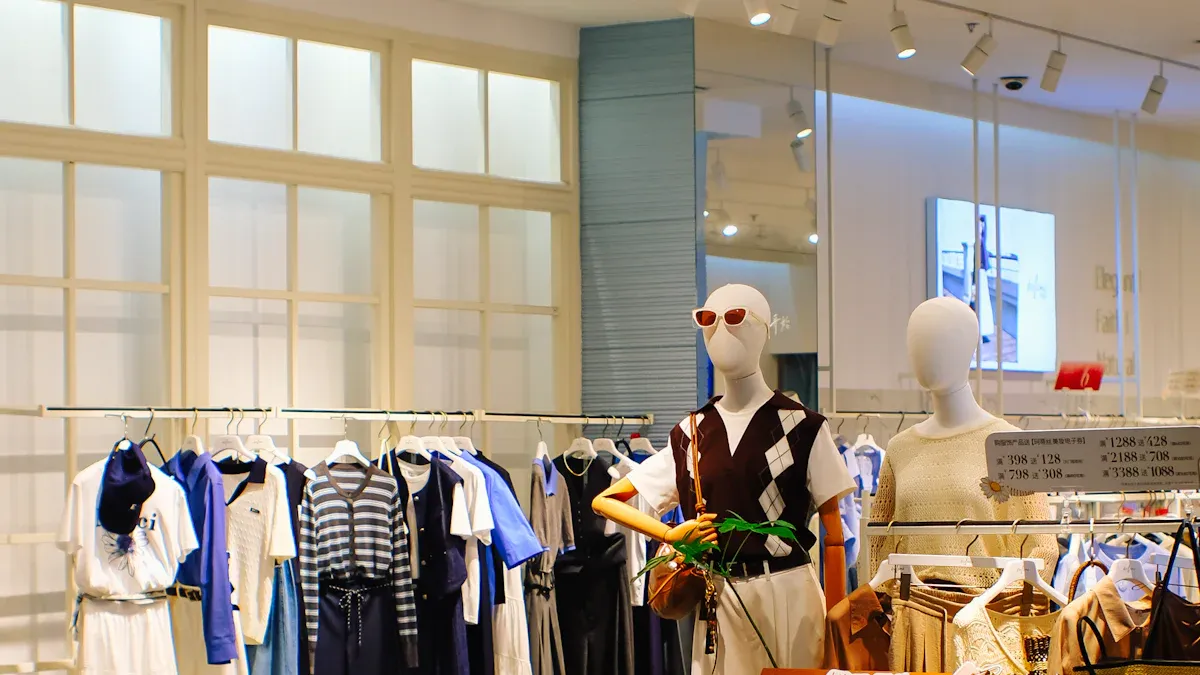
You can transform your retail space with affordable shop shelving ideas that boost both function and style. Smart shelving choices let you display more products, even in tight spaces, without breaking your budget. Retailers often face price differences, as costs for shelving range from a few hundred to tens of thousands of dollars depending on materials and complexity.
- Upgrading shelving can bring at least a 2% increase in sales.
- Solutions like Electronic Shelf Labels, ESL Price Tag, and ESL Gateway AP streamline pricing and inventory in Esl Retail.
Great shelving enhances customer experience and supports your brand.
Top Shop Shelving Ideas for Modern Retail
Wall-Mounted Shelving
Wall-mounted shelving offers you a practical solution for maximizing your retail space. You attach these shelves directly to the perimeter walls, which frees up valuable floor area for customers to move comfortably. This type of shelving provides high-density merchandising, allowing you to display a wide range of products without cluttering the shop. Simple wall shelving replaces bulky metal gondolas, giving your store a modern and clean look. You can use rack shelves to categorize products, making themed displays that help customers find related items quickly. Eye-level shelves work well for displaying products where customers can easily see and reach them. Wall-mounted shelving is cost-effective for permanent installations, especially when you want to optimize every inch of your shop.
Tip: Use narrow shelves on walls to maximize product exposure in small spaces. This approach ensures a continuous display and keeps your shop organized.
Freestanding Shelving Units
Freestanding shelving units give you flexibility in arranging your shop layout. You can move these units to create different zones, which helps you adapt to seasonal promotions or new product launches. These shelving units offer a better return on investment for marketing campaigns because you can reposition them as needed. Low shelves maintain product visibility at touch level, encouraging customers to interact with your merchandise. You can use freestanding shelving to create themed displays in the center of your shop, drawing attention to featured products. Rack shelves work well in these units, helping you organize items by category and making it easier for customers to browse. Freestanding shelving units support a dynamic retail environment, allowing you to refresh your shop shelving ideas without major renovations.
- Freestanding displays enhance zoning flexibility.
- You can use them to highlight new arrivals or bestsellers.
- These units make restocking and rearranging products simple.
Gridwall and Slatwall Shelving
Gridwall and slatwall shelving systems provide you with a versatile and affordable way to display merchandise. You can install these systems yourself, usually within one to two days for a moderate-sized shop. Gridwall shelving uses metal grids that you attach to walls or freestanding frames, while slatwall shelving features horizontal grooves for inserting shelves and hooks. Both options allow you to customize your display by adjusting shelf positions and adding accessories. You can use these shelving systems to create eye-level displays, making products more accessible to customers. Gridwall and slatwall shelving work well for showcasing a variety of items, from clothing to electronics. These systems help you maximize vertical space and keep your shop organized.
| Shelving System | Installation Time | Flexibility | Best Use Case |
|---|---|---|---|
| Gridwall | 1-2 days | High | Apparel, accessories |
| Slatwall | 1-2 days | High | Electronics, gifts |
You can combine gridwall and slatwall shelving with other shop shelving ideas to create a cohesive and efficient retail space. These systems support frequent changes in product display, making them ideal for shops that update inventory regularly.
Modular Shelving Systems
Modular shelving systems give you unmatched flexibility in your retail space. You can easily reconfigure these systems to fit new products or changing layouts. This adaptability helps you keep your store fresh and engaging for customers. When you use modular shelving, you can position high-demand items at eye level, which increases product visibility and draws attention to featured merchandise. This strategic placement not only catches the eye but also makes shopping more convenient for your customers.
- Modular shelving systems highlight products instantly, making it easier for customers to notice new arrivals.
- You can improve store navigation by arranging shelving to guide shoppers through different sections.
- The flexibility of modular shelving creates opportunities for cross-selling, encouraging customers to explore related products.
You often see modular shelving in cosmetics and personal care stores, where it creates a luxurious impression and enhances product selection. By aiding navigation and improving product presentation, modular shelving elevates the overall customer experience. You can quickly adjust the layout to accommodate seasonal promotions or special events, keeping your shop shelving ideas current and effective.
Tip: Use modular shelving to create themed zones or pop-up displays that can be changed in minutes. This approach keeps your store layout dynamic and responsive to trends.
Repurposed and Upcycled Shelving
Repurposed and upcycled shelving offers you a sustainable and cost-effective way to add character to your retail space. You can transform everyday items into unique shelving solutions that stand out and tell a story. This approach not only saves money but also supports eco-friendly business practices.
- Old cabinets can become eye-catching shelving units with a simple update, such as peel-and-stick wallpaper.
- Wooden pallets, when painted and fitted with wheels, serve as versatile tables or shelving for bulk items.
- Wooden barrels add rustic charm and provide sturdy storage or display options.
- Wooden crates, stacked in creative ways, offer flexible shelving for products of different sizes.
- Mason jars work well for displaying small items near the register, adding a personal touch to your checkout area.
You can mix and match these materials to create shelving that fits your brand and appeals to your customers. Repurposed shelving often sparks conversation and gives your store a memorable look. By choosing upcycled options, you reduce waste and demonstrate your commitment to sustainability.
Note: Always check the stability and weight capacity of repurposed shelving before using it for product display.
Mobile and Rolling Shelving
Mobile and rolling shelving units bring a new level of flexibility to your store layout. You can move these units to create temporary spaces for events or promotions, adapting your floor plan as needed. Mobile gondola shelving allows you to change your layout quickly to match sales trends or seasonal needs. This dynamic approach helps you keep your store fresh and engaging.
- Mobile shelving supports rapid stock rotation and restocking, making inventory management more efficient.
- You can reset your store layout in less time, reducing labor costs and minimizing disruption.
- Rolling shelving units let you stage orders directly at shipping or assembly points, streamlining your workflow.
- By eliminating permanent aisles, mobile shelving maximizes storage space and adapts to new product dimensions.
- You can strategically place high-value products to deter theft or promote seasonal items with ease.
Mobile shelving units help you respond quickly to changing demands. You can use them to highlight featured products or create special displays for events. This flexibility ensures that your shelving always supports your business goals and enhances the customer experience.
Pro Tip: Use locking wheels on mobile shelving to keep units stable when needed and easy to move when you want to refresh your layout.
Retail Shelving Ideas to Maximize Space
Vertical Storage Shelving
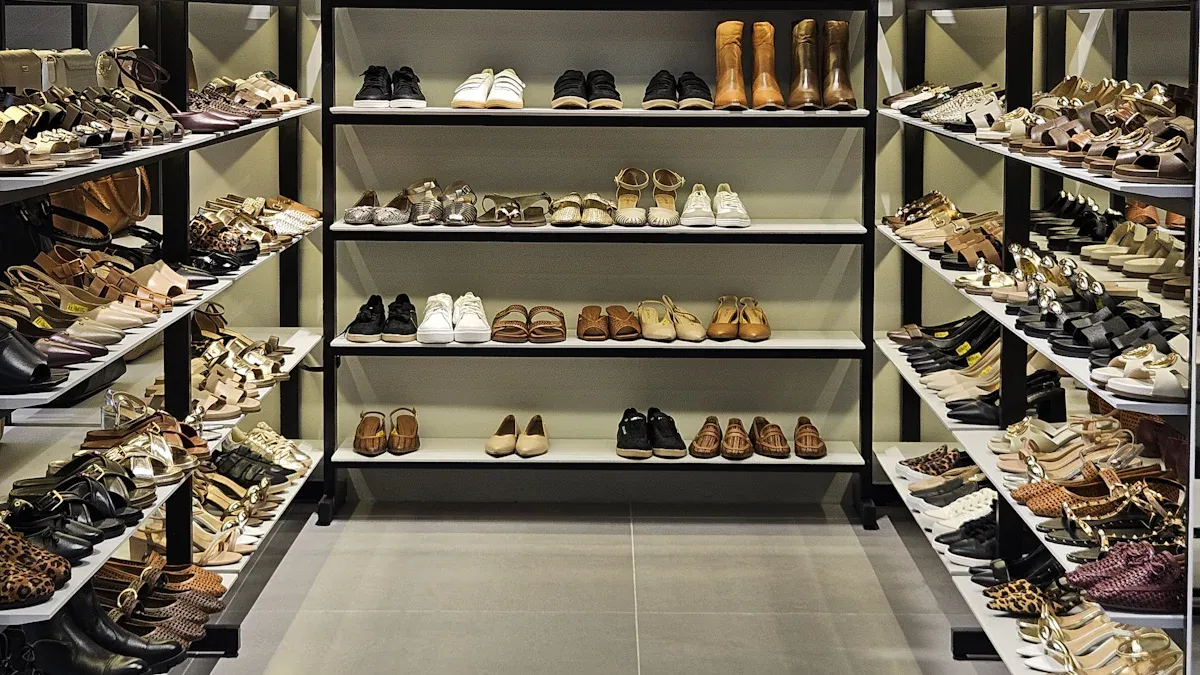
You can maximize your shop’s footprint by using vertical storage shelving. Tall shelving units draw the eye upward and help you store more products without crowding the floor. This approach works especially well in small retail spaces where every inch counts. High shelves let you display seasonal or less frequently accessed items above eye level, while you keep bestsellers within easy reach. Planograms help you organize products at eye level, making the display more attractive and boosting sales. Wall-mounted racks also support vertical storage, giving you extra room for clothing, jewelry, or accessories.
| Shelving Design | Description |
|---|---|
| Vertical Shelving | Tall shelves optimize storage without crowding the room and draw attention upward. |
| Wall-Mounted Racks | Ideal for displaying clothing, jewelry, and accessories, maximizing wall space. |
| Modular Storage Solutions | Adaptable to various spaces and products, providing flexibility in design. |
Tip: Use high shelves for bulk storage and keep fast-moving products at eye level for the best display impact.
Corner Shelving Solutions
Corners often become wasted space in retail environments. You can turn these areas into valuable display zones with corner shelving solutions. Corner shelving converts underused areas into effective storage and display spaces, enhancing both product organization and visibility. Corner gondola shelving helps you utilize ‘dead’ spaces, creating a unified display that improves store flow. This setup works well for showcasing seasonal items or promotional products. By integrating corner shelving into your layout, you highlight products that might otherwise go unnoticed and create a more engaging shopping experience.
- Corner shelving allows you to fully exploit your store layout.
- It enhances the shopping experience by integrating product displays into the store’s flow.
- This configuration helps highlight products that may otherwise go unnoticed.
Shelving for Underutilized Areas
You can unlock hidden potential in your shop by targeting underutilized areas for shelving. Spaces under staircases, above doorways, or along narrow walls often remain empty. Installing shelving in these spots increases your storage capacity and provides new opportunities for creative product display. Slatwall panels work well in tight spaces, letting you mount detachable components for flexible storage. Modular shelving adapts to awkward corners or small nooks, ensuring you make the most of every square foot. By focusing on these overlooked areas, you expand your retail shelving ideas and improve overall store efficiency.
Note: Always check the weight limits of shelving in unconventional spaces to ensure safe and stable product display.
Flexible and Adjustable Shelving
Flexible and adjustable shelving gives you the power to adapt your retail space to changing needs. You can modify shelf heights, widths, and configurations to fit different products. This approach lets you create a custom display that highlights your merchandise and draws customer attention. Adjustable shelving works well for shops that update inventory often or carry a wide range of product sizes.
Gondola shelving stands out as a top choice for flexibility. You can arrange it in many ways to suit your shop’s layout. This type of shelving supports both small and large items, making it easy to switch between product categories. When you use flexible shelving, you maximize consumer interest and improve the efficiency of your display. You can move shelves up or down to create the perfect storage solution for each product. This adaptability helps you keep your shop organized and visually appealing.
Tip: Use adjustable shelving to create feature displays for new arrivals or seasonal promotions. You can change the layout quickly to keep your store fresh.
You also benefit from better storage management. Adjustable shelving lets you use vertical space for bulk storage while keeping popular items at eye level. This method increases your storage capacity without cluttering the floor. You can also use flexible shelving to create zones for different product types, making it easier for customers to find what they need.
Here are some advantages of flexible and adjustable shelving:
- You can reconfigure shelving to match changing inventory.
- You improve product visibility with custom display options.
- You maximize storage by using every inch of available space.
- You reduce the need for frequent shelving replacements.
A well-planned shelving system supports your business growth. You can respond to trends, manage storage more efficiently, and create a display that attracts shoppers.
Choosing Shelving Materials for Shops
Wood Shelving Options
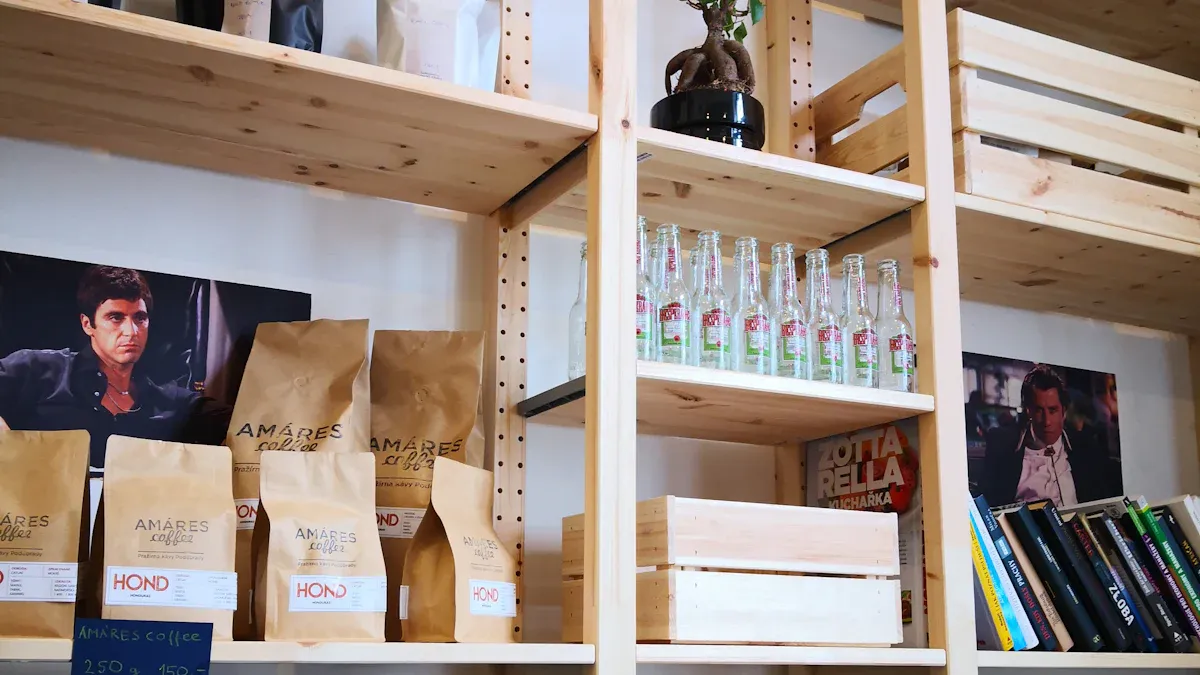
You can create a premium look in your shop with wood shelving. This material brings warmth and aligns with sustainability values, making your retail space feel inviting. Wood shelving works well for boutiques and stores that want to highlight craftsmanship. You get a sturdy display, but you need to maintain it to keep it looking fresh. Wood shelving costs more than metal, and it offers moderate durability. Over time, you may notice scratches or dents, so regular care is important. If you want to improve product visibility, you can combine wood with glass or acrylic shelving. This mix lets you enjoy the classic feel of wood while giving customers a better view of your products.
| Material | Cost | Durability |
|---|---|---|
| Wood | Higher | Moderate |
Tip: Use wood shelving for feature walls or focal points to create a memorable first impression.
Metal Shelving Choices
Metal shelving stands out for its strength and durability. You can use it to support heavy merchandise, with some shelves holding up to 2,000 lbs. This makes metal shelving ideal for high-traffic shops or stores with bulky products. Metal shelving costs less than wood and resists damage from daily use. You should keep metal shelving in dry areas to prevent rust. Choose galvanized options for extra protection. Regular cleaning and inspections help you maintain the shelving and extend its lifespan. Wire shelving, a type of metal shelving, offers an open design that maximizes visibility and airflow. It works well in stockrooms and food service environments.
- Metal shelving supports heavy loads.
- Wire shelving provides a cost-effective solution, starting around $55 for a standard unit.
- You can easily clean and maintain metal shelving with simple routines.
Glass and Acrylic Shelving
Glass and acrylic shelving give your shop a modern, upscale look. You can use tempered glass shelving to create luxury displays, as it is four times stronger than regular glass. Acrylic shelving offers versatility and can be customized for your store’s design needs. Both materials showcase products with clarity, making them stand out. Acrylic shelving is durable and easy to maintain, which suits busy retail environments. The glossy finish of acrylic reflects light, creating a bright and open feel in your shop. You can use acrylic display boxes or shelves to organize products attractively and keep your space looking clean.
- Glass shelving elevates the appearance of high-end products.
- Acrylic shelving combines style with practicality and durability.
- Both options enhance product visibility and complement modern store aesthetics.
Mixed Material Shelving
Mixed material shelving gives you the freedom to design a retail space that stands out. You can combine wood, metal, glass, and acrylic to create shelving that matches your brand and appeals to your customers. This approach lets you highlight products with unique textures and finishes, making your displays more engaging.
You often see mixed material shelving in modern retail shops. You can use wood shelves with metal brackets for a rustic yet sturdy look. Glass shelving paired with metal frames creates a sleek, contemporary vibe. Acrylic shelving adds a pop of color or a glossy finish, drawing attention to featured items. By mixing materials, you can adapt shelving to different departments or product categories.
Tip: Use contrasting materials to separate areas in your shop. This method helps customers navigate and find products quickly.
Mixed material shelving offers several advantages for your retail space. You can enhance visual appeal, differentiate between departments, and create an inviting atmosphere. The table below summarizes these benefits:
| Advantage | Explanation |
|---|---|
| Enhanced visual appeal | Using a mix of materials creates a more attractive display that draws customers in. |
| Differentiation between areas | Different materials can visually separate departments, making navigation easier for shoppers. |
| Inviting shopping experience | A varied material palette can create a warm and welcoming atmosphere, encouraging longer visits. |
You can use shelving with mixed materials to create focal points for new arrivals or seasonal promotions. This strategy encourages customers to explore your shop and spend more time browsing. You also gain flexibility in design, allowing you to update shelving as trends change.
When you plan your shelving, consider durability and maintenance. Metal shelving resists wear, while wood shelving needs regular care. Glass and acrylic shelving require gentle cleaning to maintain their shine. By choosing the right combination, you ensure your shelving remains functional and attractive.
Mixed material shelving supports your brand identity and helps you create a memorable shopping experience. You can refresh your displays easily and keep your shop looking modern.
DIY vs. Ready-Made Shop Shelving
Pros and Cons of DIY Shelving
You may consider building your own shelving to save money and customize your retail space. DIY shelving often costs less than ready-made options if you manage the project efficiently. You can select materials that fit your budget and style. However, DIY shelving requires significant time for planning, purchasing, and construction. You may need to buy extra tools, which can increase expenses. Logistical challenges can arise, making the process more complicated than expected. Budget overruns happen frequently when you underestimate costs. Without professional guidance, you risk creating awkward layouts that reduce workspace efficiency. Safety and building codes vary by region, so you must ensure compliance to avoid issues.
- Lower initial cost if managed well
- Full control over dimensions and finishes
- Time-consuming process
- Potential for unexpected expenses
- Risk of inefficient layouts
- Need for compliance with safety codes
Note: Always plan your shelving project carefully to avoid costly mistakes and ensure a safe retail environment.
Pros and Cons of Ready-Made Shelving
Ready-made shelving offers convenience and speed for your shop setup. You can assemble shelf bin organizers quickly and reconfigure them as your inventory grows. This flexibility helps you adapt to changing product needs. Ready-made shelving requires less effort and fewer tools, making installation straightforward. You may find limited customization options, which can restrict your design choices. Prefabricated shelving sometimes needs regular maintenance, depending on usage and quality. The initial cost may be higher than DIY, but you avoid hidden expenses and save valuable time.
- Easy assembly and quick installation
- Flexible configurations for growing inventory
- Minimal effort and tool requirements
- Limited customization options
- Possible need for ongoing maintenance
- Higher upfront cost compared to DIY
Tip: Choose ready-made shelving if you need a fast solution and want to minimize installation challenges.
How to Decide Between DIY and Ready-Made
You should evaluate several factors before choosing between DIY and ready-made shelving. Customization plays a key role; DIY shelving lets you tailor dimensions and finishes, while ready-made options offer standard sizes. Cost is important, but remember that DIY projects can have hidden expenses for materials and tools. Installation requires more effort with DIY shelving, while ready-made shelves are designed for easy assembly. Maintenance needs differ; custom builds may last longer, but prefab shelving might need regular checks.
Consider these steps when making your decision:
- Assess merchandise needs for specific sizes or weight capacities.
- Consider budget constraints and weigh initial costs against long-term benefits.
- Evaluate store layout and aesthetic goals to ensure shelving matches your brand.
- Anticipate future needs for scalability and flexibility.
Callout: Review your shop’s requirements and growth plans before investing in shelving. The right choice supports your business and enhances customer experience.
Planning and Installing Shop Shelving
Assessing Shop Space and Needs
You need a clear plan before you install shelving in your retail space. Start by defining your goal for the shelving project. Decide if you want to improve product display, increase storage, or enhance customer flow. Use digital tools or apps to gather data about your current layout. Analyze this data to see which areas need better shelving or more effective display solutions. Create a realistic shopping scenario to understand how customers interact with your shelving and storage. Visual tracking tools help you measure shopper interest and behavior around different shelving concepts. Build a framework to interpret these results, combining customer feedback with observed shopping patterns. Check if you have the right products in stock, if prices are correct, and if promotions or signage are visible. Make sure shelf space is allocated properly and that your team positions your brand well.
Tip: Share your findings with your staff and reward top performers who keep shelving organized and displays attractive.
Budgeting for Shelving Projects
Set a clear budget for your shelving project. List all costs, including materials, installation, and any technology you plan to use for display or storage. Compare prices for different shelving types, such as wall-mounted, freestanding, or modular systems. Factor in the cost of accessories like hooks, bins, or lighting that can enhance your display. Remember to include expenses for professional installation if you do not plan to do it yourself. Prioritize your spending based on the areas that need the most improvement in shelving or storage. Allocate funds for future updates, so your shelving remains flexible as your inventory changes.
Step-by-Step Shelving Installation
Proper shelving installation ensures safety and maximizes your display potential. Follow these steps for a successful project:
- Measure your space and mark where each shelving unit will go.
- Assemble shelving according to the manufacturer’s instructions.
- Secure each shelving unit to the wall or floor to prevent tipping.
- Double-check that all shelving is level and stable before adding products.
- Place heavier items on lower shelves for safe storage and easy access.
- Arrange products to create an attractive display that draws customer attention.
Common mistakes include poorly installed fixtures, unsteady shelves, and failing to secure gondola shelving. These errors can lead to breakage, safety hazards, or embarrassing situations if items fall. Always check your shelving for stability and make adjustments as needed.
Note: Safe shelving installation protects your customers and keeps your display looking professional.
Safety and Maintenance Tips
You must prioritize safety when installing shelving in your retail space. Proper shelving installation protects your customers and staff from accidents. You should follow industry standards to maintain structural integrity and prevent hazards. The table below outlines essential safety standards for shelving in retail shops:
| Safety Standard | Description |
|---|---|
| Base Fronts | Required for stability; missing base fronts may cause shelving to collapse. |
| Trim Installation | Install trim on all shelving components to cover unfinished edges. |
| Molding End Trim | Shields customers from sharp shelf corners. |
| Avoid Protrusion | Shelving and display units should not extend into aisles. |
| End Merchandising Panels | Use End Decks to guide people away from shelving edges. |
| Leaning Items | Never lean heavy items on unanchored shelving to prevent tipping. |
| Overloaded Shelving | Reduce loads if shelving leans or bends. |
| Safe Access | Follow OSHA rules; do not climb on shelving. |
| No Modifications | Do not alter shelving structure after installation. |
Regular maintenance keeps your shelving safe and functional. Inspect shelving weekly for loose bolts, bent frames, or signs of overload. Clean shelving surfaces to prevent dust buildup and maintain a professional appearance. You should check for exposed edges and install trim if needed. Replace damaged shelving immediately to avoid accidents.
Tip: Store heavier products on lower shelving to reduce the risk of tipping. Use proper storage bins to organize small items and keep aisles clear.
You must avoid stacking items too high on shelving. Overloaded shelving can bend or collapse, risking injury and product loss. Always anchor shelving to walls or floors for extra stability. Do not modify shelving after installation, as changes can weaken the structure. Safe shelving supports efficient display and storage, helping you maintain a secure retail environment.
Routine inspections and prompt repairs extend the life of your shelving. You create a safer shopping experience and protect your investment in display and storage solutions.
You can transform your store with the right shop shelving ideas.
- Regularly update shelving strategies to keep displays fresh.
- Choose shelving materials that match your product needs and store style.
- Open-wire shelving can improve inventory access, reduce product loss, and boost sales.
- Select shelving sizes that fit your space.
- Use adjustable shelving for changing inventory.
- Place high-demand items at eye level.
| Essential Checklist Items for Shelving Upgrade | Description |
|---|---|
| Inventory Restocking | Regularly replenish shelves to ensure availability of popular items and minimize stockouts. |
| Cleanliness and Sanitation | Inspect and clean customer-facing and staff areas to maintain hygiene and presentation standards. |
| Checking Promotions and Displays | Verify that promotional materials and product displays are accurate and attractive, making adjustments as needed. |
Refreshing your shelving with strategic product placement and seasonal themes creates a better customer experience. You can train your staff and use technology to manage shelving more efficiently.
FAQ
What is the most cost-effective shelving option for small retail shops?
You can choose freestanding metal shelving units. These shelves offer durability and flexibility at a lower price point. You can easily move and reconfigure them to fit your changing inventory needs.
How do you maximize shelving space in a narrow store?
You should install wall-mounted shelves and use vertical storage solutions. Tall shelving units help you display more products without crowding the floor. Corner shelves also turn unused areas into valuable display zones.
Can you combine different shelving materials in one shop?
You can mix wood, metal, glass, and acrylic shelving. This approach creates visual interest and supports your brand identity. You should ensure that each material suits your product weight and maintenance requirements.
How often should you inspect and maintain shop shelving?
You need to inspect shelving weekly for loose bolts, bent frames, or overloaded shelves. Regular cleaning keeps your displays professional. Replace damaged units immediately to maintain safety and appearance.
Is DIY shelving suitable for all retail environments?
You can use DIY shelving in small shops with simple layouts. For larger stores or heavy merchandise, you should consider ready-made shelving for better safety and reliability.