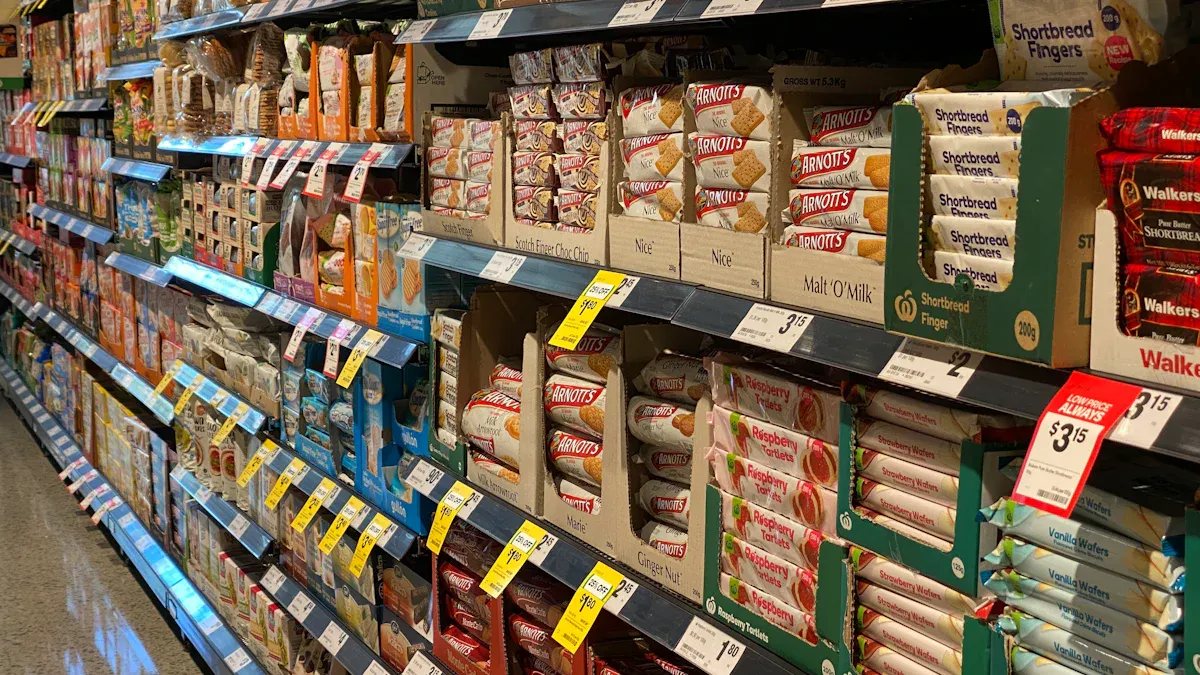
Retailers across the US deploy electronic shelf labels to enhance efficiency and deliver real-time product information. Esl Retail professionals rely on solutions like ESL Gateway AP and ESL Price Tag to automate updates, which leads to better pricing accuracy. Shoppers see consistent prices and clear details on shelves.
Why Electronic Shelf Labels Are Gaining Momentum
Streamlining Retail Operations with Electronic Shelf Labels
Automated Price Updates
Retailers across the US face significant operational challenges when managing prices. Traditional price changes require manual updates, which often result in delays and errors. Electronic shelf labels solve this problem by enabling instant digital price updates across multiple locations. These systems synchronize with inventory databases, ensuring that shelf prices match register prices at all times. Retailers can now adjust prices in real time, responding quickly to market trends and competitor activity. This automation eliminates the need for manual price tag changes, freeing employees to focus on customer service and other value-added tasks.
Tip: Automated price updates not only reduce labor costs but also minimize pricing errors, which improves customer trust and satisfaction.
Reduced Manual Labor
The introduction of electronic shelf labels has transformed labor management in retail environments. Staff previously spent hours changing paper price tags, a process prone to mistakes and inefficiency. With digital price tag technology, employees no longer need to perform repetitive tasks. Instead, they can dedicate more time to assisting shoppers and maintaining store presentation. This shift leads to higher productivity and operational efficiency. Retailers also benefit from reduced labor costs, as fewer staff hours are required for price updates and inventory checks.
- ESLs automate price changes, eliminating manual labor.
- Employees focus on customer engagement rather than administrative tasks.
- Labor resources are reallocated to improve overall store performance.
Dynamic Pricing Enabled by Electronic Shelf Labels
Real-Time Price Adjustments
Dynamic pricing has become a critical strategy for retailers aiming to stay competitive. Electronic shelf labels allow stores to update prices instantly based on demand, inventory levels, and competitor actions. Real-time prices help retailers optimize margins and respond to supply chain fluctuations. For example, when stock levels drop or sales velocity increases, ESLs can trigger immediate price changes to balance supply and demand. This agility supports promotional campaigns and ensures that prices remain accurate and competitive.
- Real-time price adjustments eliminate costly pricing errors.
- Retailers respond quickly to market changes and promotions.
- Accurate pricing builds customer trust and supports increased sales.
Responding to Market Changes
Retailers must adapt rapidly to shifts in consumer behavior and market conditions. Electronic shelf labels enable agile pricing strategies, allowing stores to implement promotions or adjust prices in response to competitor activity. Integration with automation systems links pricing, inventory, and labor scheduling, improving coordination and reducing errors. Retailers can manage price updates centrally, ensuring consistency across all locations. This capability supports data-driven decision-making and enhances supply chain responsiveness.
Note: Dynamic pricing supported by ESLs helps retailers maximize profitability and remain agile in changing markets.
Enhancing Customer Experience with Electronic Shelf Labels
Accurate Product Information
Shoppers expect clear and accurate product information when making purchasing decisions. Electronic shelf labels display up-to-date prices, product details, and even QR codes or NFC links for additional information. This transparency reduces confusion and improves trust between retailers and customers. ESLs also eliminate pricing discrepancies between shelf and checkout, minimizing customer frustration and complaints. Retailers can use analytics from ESL systems to understand customer preferences and optimize product assortment.
- ESLs provide real-time product information and prices.
- QR codes and NFC enhance customer engagement and access to details.
- Accurate pricing reduces disputes and builds loyalty.
Consistent Pricing Across Channels
Consistency in pricing is essential for a seamless shopping experience. Electronic shelf labels connect directly with POS systems, reflecting price updates instantly across all retail channels. This integration ensures that prices remain uniform, whether customers shop in-store or online. ESLs support omnichannel experiences by displaying competitor prices, product reviews, and enabling ordering via QR codes. Retailers can customize displays for multicultural markets, improving accessibility and satisfaction for diverse customer bases.
Block Quote:
“A KPMG consumer survey found that two-thirds of shoppers believe stores with ESLs offer a better customer experience.”
- ESLs enable simultaneous price updates across multiple channels.
- Integration with inventory systems alerts staff and customers about stock levels.
- Consistent pricing builds customer trust and supports a unified shopping experience.
Key Benefits of Electronic Shelf Labels for Retailers and Shoppers
Operational Efficiency and Cost Savings
Labor Reduction
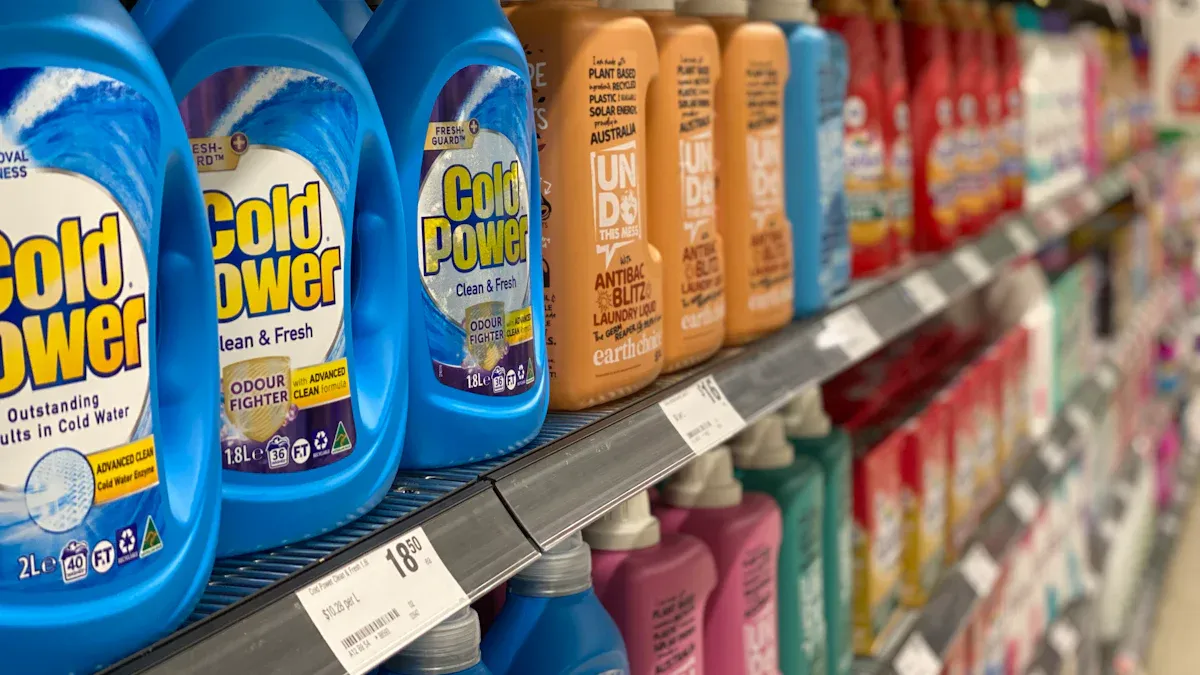
Retailers experience significant labor savings after implementing electronic shelf labels. Staff no longer spend hours replacing paper tags or manually updating prices. Instead, they use digital systems to update thousands of labels across multiple locations in seconds. This automation allows employees to focus on customer service and store presentation. Inventory management also improves, as staff can use ESL features during restocking, streamlining inventory counts and reducing manual scanning time. Remote updates further speed up store resets and product rotations, making operations more agile.
- ESLs automate price and product information updates, eliminating manual labor.
- Staff can manage inventory more efficiently with integrated ESL systems.
- Remote updates reduce the time needed for store changes.
Note: Schneider Electric reported $1.5 million in inventory accuracy improvements and $500,000 in labor cost savings after adopting ESL technology.
Error Minimization
Manual price changes often lead to mistakes, which can frustrate customers and create compliance risks. Electronic shelf labels synchronize with product databases and point-of-sale systems, ensuring prices remain accurate and consistent. This integration reduces human errors and eliminates discrepancies between shelf and checkout prices. Retailers also benefit from improved operational efficiency, as real-time updates support dynamic pricing strategies and compliance with pricing laws.
- Automated updates minimize pricing errors.
- Consistent prices build customer trust and satisfaction.
- Real-time synchronization supports accurate promotions and legal compliance.
Improved Pricing Strategies with Electronic Shelf Labels
Flexible Promotions
Electronic shelf labels empower retailers to launch flexible promotional campaigns. They can adjust prices and promotions instantly, responding to market trends and inventory changes. Integration with inventory and POS systems ensures that promotional prices remain accurate and up to date. Retailers can tailor promotions to specific customer segments, using planogram management and online order fulfillment to optimize product placement. Personalized recommendations and targeted offers further enhance customer engagement and loyalty.
Tip: ESLs enable retailers to implement timely, cost-effective promotions that drive sales and improve the customer experience.
Competitive Advantage
Retailers gain a competitive edge by adopting electronic shelf labels. Automated price updates eliminate manual errors and reduce costs associated with printing and labor. Employees can dedicate more time to customer service, increasing productivity. Real-time price updates ensure accuracy and allow for agile pricing strategies, such as automatic discount activations. Integration with mobile apps provides guided navigation and personalized recommendations, enhancing in-store convenience.
- Enhanced customer experience through clear, readable pricing and interactive product information.
- Significant cost savings on labor and materials.
- Agile pricing strategies maximize margins and support dynamic promotions.
- Integration with mobile technology improves engagement and store navigation.
Better Customer Engagement through Electronic Shelf Labels
Clear Product Details
Shoppers benefit from clear and comprehensive product information displayed on electronic shelf labels. These labels provide real-time updates, ensuring that prices and product details remain accurate. Features such as QR codes and mobile connectivity allow customers to access reviews, video demos, and additional information instantly. Augmented reality features help customers visualize products, making shopping more interactive and enjoyable.
- ESLs display up-to-date product information and prices.
- QR codes and mobile features enhance interactivity.
- Augmented reality increases engagement and purchase likelihood.
Faster Service
Electronic shelf labels improve service speed in retail stores. Instant price updates from a central location reduce the time required for manual changes from hours to seconds. Employees spend less time on administrative tasks and more time assisting customers. Accurate pricing information at the shelf enables shoppers to make quick, informed decisions. Fast updates also help stores comply with pricing laws and maintain correct shelf prices.
- ESLs allow instant price updates, saving time for staff and customers.
- Employees focus on customer service, improving overall store experience.
- Accurate prices support faster decision-making and checkout.
Block Quote:
“Real-time updates and interactive features reduce customer hesitation, increase conversion rates, and create a more engaging shopping experience.”
Electronic Shelf Labels Adoption by Major Retailers
National Retail Chains Using Electronic Shelf Labels
Walmart’s Implementation
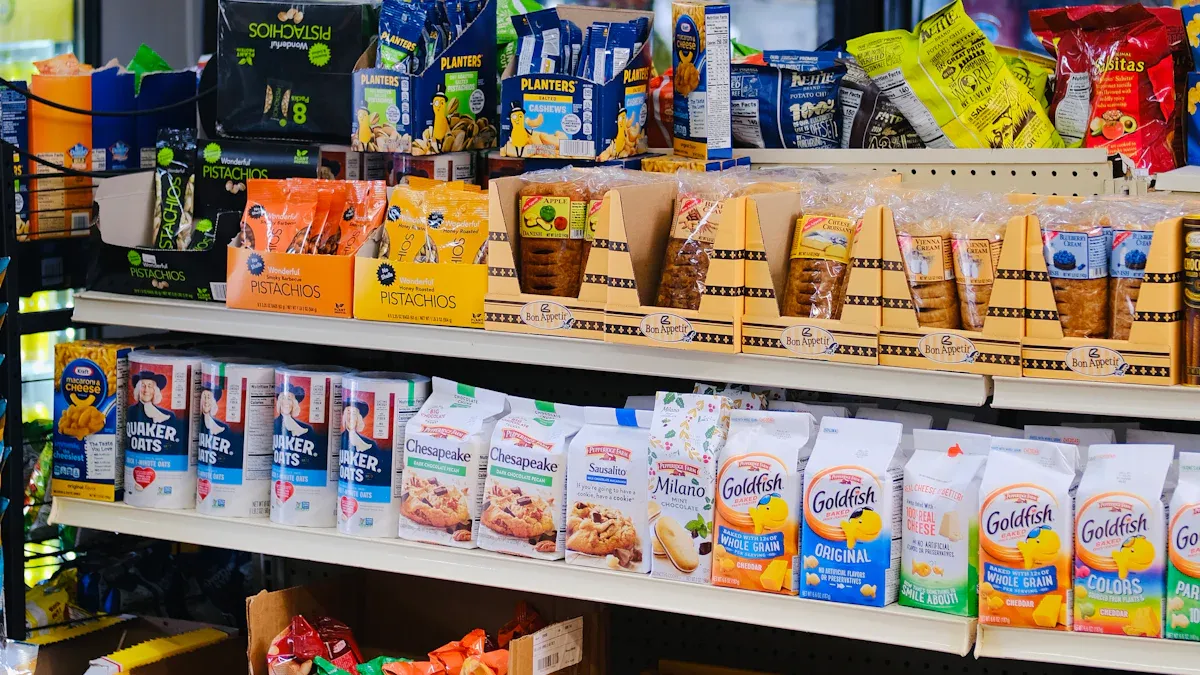
Walmart leads the way in digital transformation by rolling out electronic shelf labels across its stores. The company began testing this technology at Store 266 in Grapevine, Texas, in 2024. Walmart plans to expand the deployment to 2,300 stores by 2026. This large-scale adoption demonstrates the retailer’s commitment to operational efficiency and pricing accuracy. By automating updates to grocery store labels, Walmart reduces manual labor and ensures that grocery store prices remain consistent and transparent for shoppers.
Whole Foods and Schnucks Initiatives
Whole Foods has started testing electronic shelf labels in nearly 50 stores, focusing on improving the customer experience and streamlining store operations. Schnucks, a prominent regional grocer, also invests in this technology to enhance pricing accuracy and reduce labor costs. These initiatives reflect a broader trend among national chains to modernize their approach to grocery store labels and deliver real-time information to customers.
Note: Other major chains, such as Kroger and H&S Energy Group, are expanding their use of electronic shelf labels, highlighting the growing momentum in the US retail sector.
Regional and Specialty Retailers with Electronic Shelf Labels
Grocery Store Innovations
Regional grocers and specialty retailers increasingly adopt electronic shelf labels to improve efficiency and shopper engagement. In the Northeast, cities like New York and Boston see early adoption due to high population density and competitive markets. The South experiences robust growth in supermarkets and convenience stores, driven by rising demand for accurate grocery store labels and dynamic pricing. Grocery stores now use these labels to display not only prices but also allergen and nutrition information, helping shoppers make informed choices. Some stores integrate pick-to-light features, which speed up order picking and support omnichannel retailing.
| Innovation Area | Description and Benefits |
|---|---|
| Real-time Price Updates | Centralized control enables instant changes to grocery store prices. |
| Automated Fresh Food Management | Shelf-life monitoring and automatic discounting reduce food waste. |
| Enhanced Promotional Displays | LED and color displays highlight promotions and loyalty discounts. |
| Expanded Shopper Information | NFC and QR code labels provide allergen and nutrition details. |
Electronics and Specialty Stores
Specialty retailers, including electronics stores and pharmacies, use electronic shelf labels for clear, dynamic pricing and real-time inventory updates. Ace Hardware, for example, collaborates with VusionGroup to implement advanced solutions that include cloud management and instant price changes. These innovations help stores maintain pricing accuracy and improve inventory control, supporting a seamless shopping experience.
Motivations for Adopting Electronic Shelf Labels
Cost Management
Retailers adopt electronic shelf labels to manage costs more effectively. Automation reduces labor hours spent on manual price tag changes and eliminates expenses related to paper, ink, and printing. The technology also improves pricing accuracy, preventing costly errors and compliance fines. By integrating with inventory systems, stores can avoid stockouts and overstock, reducing waste and lost sales. Sustainability benefits, such as reduced paper use, further enhance retailer reputation.
- ESLs cut labor and material costs.
- Improved accuracy prevents pricing disputes.
- Sustainability efforts appeal to eco-conscious shoppers.
Meeting Customer Expectations
Modern shoppers expect accurate, transparent, and up-to-date information at the shelf. Electronic shelf labels enable real-time updates, dynamic promotions, and clear product details, building trust and loyalty. Retailers also support omnichannel strategies by synchronizing prices across online and offline channels. This technology positions stores to adapt quickly to changing consumer demands and maintain a competitive edge.
Real-World Results of Electronic Shelf Labels
Operational Impact of Electronic Shelf Labels
Time Savings
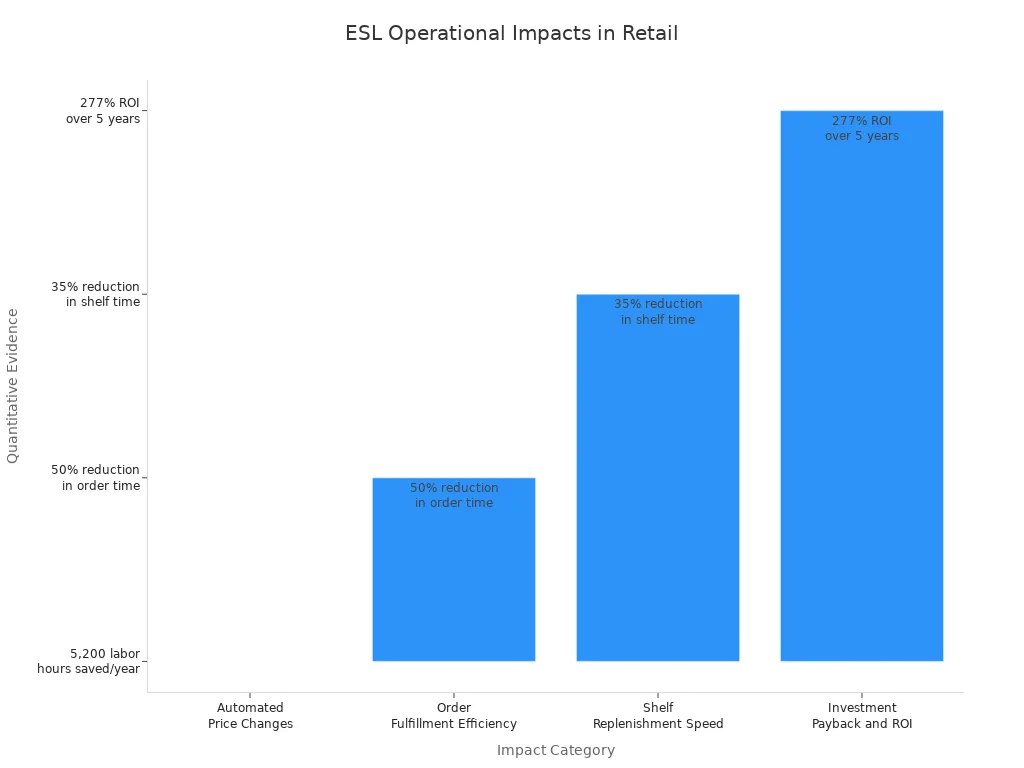
Retail stores experience significant time savings after implementing electronic shelf labels. Employees update prices instantly from a central workstation, eliminating the need to walk through aisles and manually replace paper tags. This automation reduces the time required for price changes by 40%, streamlining operations and allowing staff to focus on customer service. Automated systems also decrease labor costs by 10%, reflecting the efficiency gained in daily store management. Case studies show that stores save approximately 5,200 labor hours per year, with order fulfillment and shelf replenishment processes becoming faster and more accurate.
| Operational Impact | Description | Quantitative Evidence |
|---|---|---|
| Automated Price Changes | Wireless updates replace manual label changes. | Saves ~5,200 labor hours/year |
| Order Fulfillment Efficiency | LED lights guide staff, speeding up online order picking. | Reduces order fulfillment time by 50% |
| Shelf Replenishment Speed | LED alerts notify staff when shelves need restocking. | Cuts shelf navigation time by 35% |
Reduced Pricing Errors
Electronic shelf labels minimize pricing errors by synchronizing with point-of-sale and inventory systems. Retailers report a 30% reduction in pricing mistakes, which lowers customer complaints and improves compliance with pricing regulations. Rapid price changes on perishable goods also reduce waste, supporting sustainability goals. Fewer errors mean staff spend less time correcting mistakes, further enhancing operational efficiency.
Customer Feedback on Electronic Shelf Labels
Shopper Reactions
Shopper feedback on electronic shelf labels remains mixed. Some customers express skepticism, fearing dynamic pricing based on external factors such as weather or demographics. Social media discussions and political debates highlight concerns about potential price surges and privacy. Lawmakers in certain regions have considered bills to limit or ban the technology. However, a study analyzing grocery pricing data from 2019 to 2024 found no significant increase in surge pricing after ESL adoption. Temporary price hikes remain rare, and discounts have become slightly more common. Shoppers also worry about job losses due to automation, but many recognize practical benefits like faster price updates and access to product information through scannable codes.
- Customers appreciate instant price updates and added features.
- Concerns persist about dynamic pricing and automation.
- Studies show discounts are more frequent, with surge pricing remaining rare.
Perceived Value
Shoppers perceive electronic shelf labels as more accurate and dynamic than traditional printed labels. Real-time updates eliminate mismatched prices, reducing frustration and building trust. Some customers prefer the familiarity and readability of paper labels, especially seniors or those with visual impairments. Others value the ability to access additional product details and promotions directly from the shelf. Retailers must balance these preferences by maintaining clear displays and offering support for all shoppers.
| Aspect | Traditional Printed Labels | Electronic Shelf Labels (ESLs) |
|---|---|---|
| Readability | Large, bold fonts; instantly visible; familiar | Crisp digital screens; adjustable brightness; some find smaller screens harder to read |
| Shopping Experience | Simple and familiar | Dynamic product details and promotions enhance experience |
| Price Accuracy & Updates | Prone to errors; slow updates | Real-time updates; instant promotions; fewer mismatches |
| Shopper Preference | Preferred for simplicity | Valued for accuracy and immediacy, but not universally preferred |
Financial Outcomes from Electronic Shelf Labels
Return on Investment
Retailers achieve strong financial outcomes after adopting electronic shelf labels. Labor cost reductions reach up to 50%, and recurring expenses for paper labels are eliminated. Most stores recover their investment within two to three years, with some reporting payback periods as short as 16 months. A major European retailer documented an ROI exceeding 170% within two years, while industry averages show a five-year ROI of 277%. These results demonstrate the long-term value of ESL technology.
Sales Performance
Sales performance improves as stores leverage dynamic pricing and real-time promotions. Electronics retailers report sales increases of up to 15% after implementing ESLs. Dynamic pricing leads to a 6% rise in in-store sales and a 2-3% margin improvement. Automated price updates reduce labor costs and allow staff to focus on customer service, boosting efficiency and conversion rates. Consistent pricing across online and offline channels enhances customer trust and supports higher revenue.
| Aspect | Impact on Sales Performance |
|---|---|
| Dynamic Pricing | Real-time updates adapt to market trends, increasing revenue. |
| Labor Cost Reduction | Staff focus on service, improving efficiency and productivity. |
| Impulse Buying & Promotions | Flash sales and instant promotions boost impulse purchases and conversion rates. |
| Omnichannel Price Synchronization | Consistent pricing builds trust and supports seamless shopping experiences. |
- Retailers report higher sales and improved margins after ESL adoption.
- Automated systems support efficient operations and better customer engagement.
Addressing Concerns and Expert Insights on Electronic Shelf Labels
Understanding Dynamic Pricing with Electronic Shelf Labels
How Dynamic Pricing Works
Dynamic pricing uses real-time data to adjust prices based on factors such as demand, inventory, and competitor activity. Electronic shelf labels make these adjustments possible at the shelf level, allowing retailers to respond quickly to market changes. Retailers benefit from labor cost reductions, improved efficiency, and better inventory management. Consumers sometimes worry that dynamic pricing could lead to unpredictable price surges, similar to those seen in ride-sharing or airline industries. However, a comprehensive study analyzing over 180 million product-level price observations before and after electronic shelf label implementation found no evidence of surge pricing or real-time price spikes, even during periods of high inflation. Researchers from UC San Diego and the University of Texas concluded that electronic shelf labels have not significantly changed pricing behavior in grocery stores.
Transparency for Shoppers
Transparency remains a top priority for retailers using dynamic pricing. Clear communication about how and why prices change helps build consumer trust. Retailers focus on fairness and avoid arbitrary price spikes to maintain loyalty. Calls for transparency and accountability in pricing algorithms continue to grow. Retailers often display explanations near shelves or on digital screens, informing shoppers about the factors influencing prices. This approach reassures customers and supports a positive shopping experience.
Note: Retailers emphasize the benefits of electronic shelf labels, such as price accuracy and waste reduction, rather than focusing on price increases.
| Concern Area | Specific Issues | Explanation / Implications |
|---|---|---|
| Data Privacy & Transparency | Compliance with data protection laws when using personal data for personalized pricing | Retailers must have lawful basis and inform consumers clearly about data use in pricing |
| Fair Pricing Practices | Risk of price discrimination and price gouging | Algorithms must avoid unfair targeting of vulnerable groups and excessive price hikes during emergencies |
| Competition Law | Algorithmic price collusion and abuse of market power | Similar pricing algorithms may unintentionally coordinate prices; dominant retailers must avoid aggressive pricing |
| Employment Law | Labor reductions due to automation | ESLs reduce manual price updates, potentially leading to workforce changes requiring legal consultation and retraining |
| Intellectual Property | Licensing and ownership of pricing algorithms | Retailers must ensure proper software licenses and clear IP ownership agreements |
Building Customer Trust in Electronic Shelf Labels
Communicating Changes
Retailers recognize the importance of clear communication when implementing electronic shelf labels. They use signage, digital displays, and staff training to explain how prices update and what benefits shoppers can expect. This proactive approach addresses confusion and helps customers understand the technology’s role in providing accurate, up-to-date information.
Addressing Skepticism
Some shoppers remain skeptical about dynamic pricing and automation. Retailers address these concerns by focusing on transparency, fairness, and ethical pricing practices. They avoid sudden or unexplained price changes and provide channels for customer feedback. By prioritizing open communication, retailers foster trust and encourage acceptance of new technology.
Tip: Building trust requires ongoing dialogue and a commitment to ethical pricing.
Future Trends in Electronic Shelf Labels Technology
Integration with Mobile Apps
The future of electronic shelf labels includes deeper integration with mobile apps. Retailers plan to offer features such as real-time price alerts, personalized promotions, and guided store navigation. IoT and AI technologies will enable real-time inventory management and predictive analytics, further enhancing the shopping experience.
- Expansion of supermarkets and hypermarkets drives demand for advanced ESL solutions.
- Retailers increasingly integrate ESLs with ERP and POS systems for streamlined operations.
- ZigBee technology adoption supports low-power wireless networks for ESLs.
Sustainability and Environmental Impact
Sustainability shapes the next generation of electronic shelf labels. Manufacturers develop eco-friendly solutions using recyclable materials and energy-harvesting technologies. Retailers seek to minimize waste and comply with environmental regulations. Innovations such as ultra-low power displays and recyclable components help reduce the environmental footprint of retail operations.
- Sustainability and regulatory compliance drive the development of greener ESL solutions.
- Energy-efficient displays and recyclable materials support retailers’ environmental goals.
- The U.S. retail sector’s focus on automation and efficiency fuels high ESL utilization.
The Future of Shopping with Electronic Shelf Labels
Evolving Retail Environments
Personalized Offers
Retailers continue to transform the shopping experience by leveraging data-driven insights. Electronic shelf labels enable stores to deliver personalized offers directly at the shelf. These systems can connect with loyalty programs and customer profiles. When a shopper enters the store, the system recognizes their preferences and highlights relevant promotions. For example, a customer who frequently buys organic products may see special discounts on those items. This targeted approach increases engagement and encourages repeat visits.
Retailers also use analytics from electronic shelf labels to track which promotions attract the most attention. They adjust marketing strategies based on real-time data. This process helps stores optimize inventory and reduce waste. Shoppers benefit from tailored deals that match their interests and needs.
Tip: Personalized offers can boost customer satisfaction and drive higher sales by making each visit feel unique.
Seamless Omnichannel Experience
Modern retail environments demand a seamless connection between online and in-store shopping. Electronic shelf labels play a key role in creating this unified experience. When a retailer updates prices online, those changes appear instantly on in-store shelves. Shoppers see the same information whether they browse on a website or walk through the aisles.
Stores can also use electronic shelf labels to display product reviews, stock availability, and pickup options. This integration supports services like buy online, pick up in store (BOPIS). Customers enjoy a consistent journey across all channels. Retailers gain better control over pricing and inventory, reducing confusion and building trust.
| Omnichannel Feature | Benefit for Shoppers |
|---|---|
| Unified price updates | Consistent pricing everywhere |
| Real-time stock info | Fewer out-of-stock surprises |
| Integrated promotions | Access to deals both online & in-store |
What Shoppers Can Expect from Electronic Shelf Labels
Faster Price Updates
Shoppers expect quick and accurate information. Electronic shelf labels deliver instant price updates, eliminating delays caused by manual changes. When a retailer launches a promotion or adjusts prices, the new information appears on the shelf within seconds. This speed ensures that customers always see the correct price, reducing confusion and improving confidence in the store.
Note: Fast price updates help retailers comply with pricing laws and avoid customer disputes.
Enhanced Store Navigation
Navigating large stores can be challenging. Electronic shelf labels can guide shoppers by highlighting promotions or marking items on a shopping list. Some systems use LED indicators or connect with mobile apps to direct customers to specific products. This technology saves time and makes shopping more enjoyable.
Retailers can also use electronic shelf labels to provide additional product details, such as nutritional information or allergy warnings. Shoppers access this information by scanning a QR code or tapping their phone. These features support informed decision-making and enhance the overall experience.
- LED lights help locate products quickly.
- QR codes offer instant access to detailed information.
- Mobile integration supports personalized navigation.
Retailers across the United States continue to transform store operations with advanced digital solutions. Efficiency and accuracy now define the modern retail landscape. Customers experience faster service and clear pricing. Stores achieve operational savings and improved pricing strategies. As adoption grows, shoppers will encounter more dynamic and transparent environments. The retail sector stands poised for a future shaped by innovation and convenience.
FAQ
What are electronic shelf labels (ESLs)?
Electronic shelf labels are digital displays that show product prices and information on store shelves. Retailers update these labels remotely using a central system. ESLs replace traditional paper tags and support real-time price changes.
How do electronic shelf labels improve pricing accuracy?
ESLs connect directly to a store’s inventory and point-of-sale systems. This integration ensures that shelf prices always match checkout prices. Automated updates reduce human error and maintain consistent pricing throughout the store.
Can electronic shelf labels support promotions and discounts?
Retailers use ESLs to launch promotions instantly. The system updates all relevant labels at once. Shoppers see accurate discounts and special offers in real time, which helps stores respond quickly to market trends.
Are electronic shelf labels environmentally friendly?
ESLs reduce paper and ink waste by eliminating the need for printed tags. Many models use energy-efficient displays and recyclable materials. Retailers choose ESLs to support sustainability goals and lower their environmental impact.
Do electronic shelf labels require Wi-Fi to operate?
Most ESL systems use low-power wireless networks, such as ZigBee, instead of Wi-Fi. This approach ensures reliable communication between the central system and shelf labels. It also minimizes energy consumption and network congestion.
How do electronic shelf labels affect store employees?
ESLs automate repetitive tasks like price changes. Employees spend less time updating tags and more time assisting customers or managing inventory. This shift increases productivity and allows staff to focus on higher-value activities.
Can shoppers access additional product information through ESLs?
Many ESLs feature QR codes or NFC technology. Shoppers scan these codes with smartphones to view product details, reviews, or nutritional information. This feature enhances the in-store experience and supports informed purchasing decisions.