
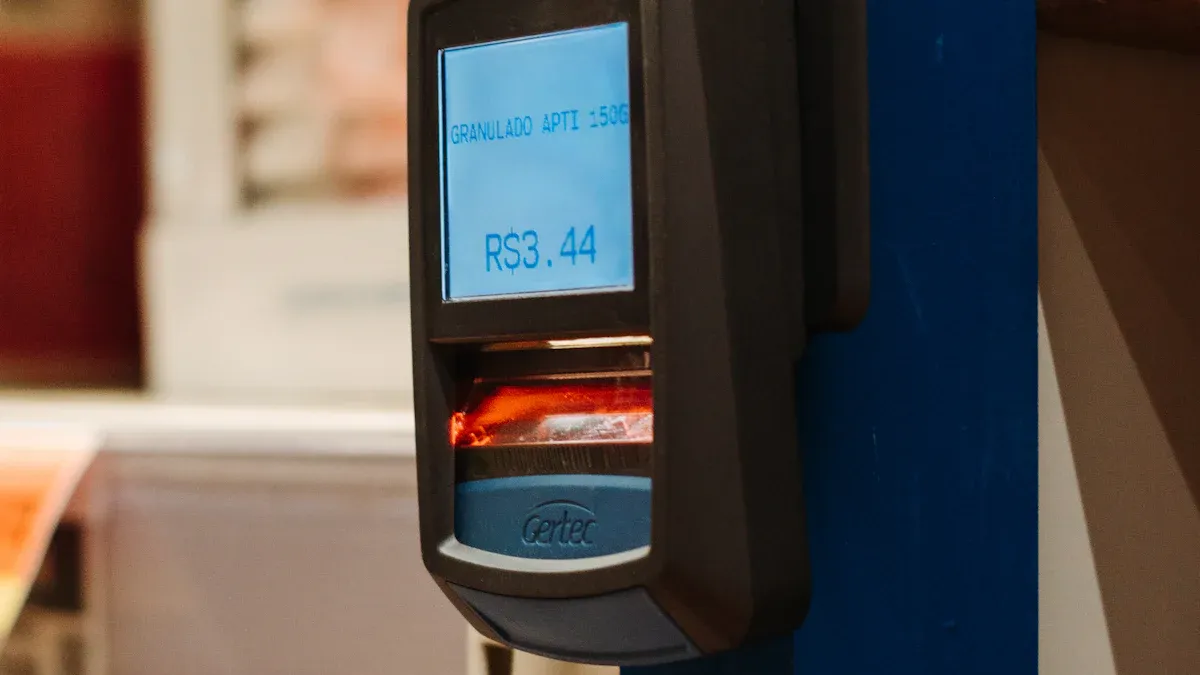
You can reduce training costs by adopting digital price tags in your retail environment. Digital price tags and digital shelf labels replace manual tags, streamlining every update with automation. With Electronic Shelf Labels, ESL Price Tag, and ESL Gateway AP, you simplify pricing tasks and boost efficiency. Esl Retail solutions use digital tags to minimize errors, speed up onboarding, and cut costs. Automated price changes give you real-time accuracy. Digital shelf labels and digital price tags drive efficiency, letting your team focus on customer service instead of repetitive tasks.
The True Cost of Manual Price Tag Training

Manual price tag training in retail environments creates hidden costs that impact your bottom line. When you rely on traditional methods, you face inefficiency, high labor expenses, frequent errors, and complex onboarding for new employees.
Inefficiency and High Labor Costs
Time Spent on Manual Price Changes
You spend significant labor hours updating price tags by hand. Each item requires about two minutes of labor to label. If you manage 250 items, your team invests nearly eight hours—one full work shift—just on price changes. This repetitive process drains labor resources and limits your ability to focus on higher-value tasks. Manual price tag training also adds to these labor costs, as employees must learn and practice each step before they can work independently.
Labor-Intensive Training Sessions
Training sessions for manual price tagging demand both time and money. Industry reports show that general employee training costs average between $1,200 and $1,300 per person. These costs include direct expenses like trainer fees and materials, as well as indirect costs such as lost productivity and administrative labor. When you add the need for ongoing staff training to keep up with new promotions or seasonal changes, labor expenses rise even further.
Tip: Streamlining manual processes can help you reclaim labor hours and reduce unnecessary training costs.
Human Error and Training Overhead
Pricing Mistakes and Corrections
Manual price tag updates often lead to mistakes. Studies show a failure rate between 5% and 10%, with a replacement error rate around 6%. Errors like missing, misplaced, or outdated tags cause mismatches between shelf and register prices. These mistakes force your team to spend extra labor correcting errors and retraining staff. Human error reduction becomes difficult when you rely on manual systems, even with frequent training.
Customer Service Disruptions
When pricing errors occur, customers lose trust and may abandon purchases. Your staff must spend additional labor resolving disputes and correcting prices at checkout. This disrupts the flow of customer service and increases labor costs without improving productivity. In retail, every minute spent fixing errors is a minute lost from serving customers or completing other important tasks.
Complex Onboarding for New Employees
Steep Learning Curve
New hires in retail face a steep learning curve when manual price tag training is part of onboarding. They must master detailed procedures, memorize product locations, and understand pricing protocols. This complexity increases labor hours spent on training and slows down time-to-productivity.
Ongoing Retraining Needs
You often need to retrain employees as promotions change or new products arrive. Complex onboarding processes and frequent updates drive up labor costs and reduce staff retention. Up to 20% of new hires leave within the first 45 days, often due to poor onboarding experiences. When employees feel undertrained, you risk losing your investment in training and must spend more labor recruiting and training replacements.
Note: Effective onboarding and streamlined training processes can improve retention and reduce labor costs in your retail operation.
How Digital Price Tags and Digital Shelf Labels Work

Digital price tags and digital shelf labels transform retail by automating and centralizing price management. You gain control over pricing, inventory, and promotions with a single platform. This technology streamlines operations and ensures accurate and timely data across your stores.
Centralized and Automated Price Management
Real-Time Price Synchronization
Digital price tags use real-time synchronization to keep every tag in your store up to date. You can adjust prices instantly across all locations. Electronic shelf labels connect to a centralized management system, which pushes real-time price updates to every tag. This process eliminates delays and ensures customers always see the correct price. Dynamic pricing becomes possible, letting you respond to market changes, inventory levels, or competitor pricing without manual intervention.
Remote and Automated Price Changes
You can manage price changes remotely with digital price tags. Automation rules let you set triggers, actions, and conditions for price adjustments. For example, you can schedule promotions or set inventory-based price changes. Electronic shelf labels update automatically, reducing the need for manual labor. Role-based access permissions protect pricing integrity, allowing only authorized staff to make changes. This approach ensures consistent price management and reduces errors.
User-Friendly Interfaces for Staff
Intuitive System Design
Digital price tags feature user-friendly interfaces that simplify staff training. Clear labels, logical navigation, and straightforward processes help new employees learn quickly. Electronic shelf labels use intuitive dashboards, so your team can manage tags with confidence. The design reduces the risk of mistakes and boosts employee morale.
Minimal Training Requirements
You minimize training time with digital price tags. Staff can master the system rapidly, even during peak seasons or high turnover periods. The interface guides users through each step, reducing the learning curve. This efficiency allows your team to focus on customer service instead of struggling with complex software. Fewer errors mean less retraining and more consistent results.
Integration with Retail Systems
Compatibility with POS and Inventory
Digital price tags integrate seamlessly with your POS and inventory systems. You ensure real-time synchronization of pricing and stock information. Electronic shelf labels connect through APIs or middleware, supporting both modern and legacy platforms. This integration enables dynamic pricing and inventory optimization, keeping your operations agile.
Streamlined Data Flow
You benefit from streamlined data flow when you use digital price tags. Centralized cloud platforms synchronize data across all channels, reducing errors and improving efficiency. Secure data transmissions and audit trails protect your business. Continuous monitoring and automated alerts help you resolve issues quickly. With digital shelf labels and electronic shelf labels, you maintain accurate and timely data, supporting better decision-making and customer satisfaction.
Tip: Start with a pilot program for digital price tags in select categories to validate benefits and minimize risk before full-scale integration.
Reduce Training Costs with Digital Price Tags
Simplified Training Processes
Elimination of Manual Labeling
You no longer need to train staff on manual labeling when you use digital price tags. Traditional tags require employees to learn how to print, cut, and attach labels for every price change. This process takes time and increases the risk of mistakes. Digital price tags remove this step entirely. Your team can update prices from a central system, which sends changes directly to the tags on the shelf. This automation reduces the complexity of training and allows your staff to focus on more valuable tasks.
- Digital price tags eliminate manual updates, so your staff spends less time learning repetitive tasks.
- You reduce training costs by removing the need for detailed instruction on physical tag handling.
- Employees adapt faster to digital systems, which improves overall efficiency.
By removing manual labeling, you create a smoother workflow and reduce the chance of human error.
Standardized Procedures Across Stores
Digital price tags help you standardize procedures in every location. When you use traditional tags, each store may develop its own way of updating prices. This leads to inconsistencies and confusion during training. With digital price tags, you set up one process that works everywhere. Staff in every store follow the same steps, which makes training easier and more predictable.
- Centralized control ensures every store uses the same digital system.
- You simplify training materials and reduce the need for store-specific instructions.
- Standardization improves pricing accuracy and helps you maintain brand consistency.
Faster and More Efficient Onboarding
Quick System Walkthroughs
You can onboard new employees quickly with digital price tags. The user-friendly interface guides staff through each step, so they learn the system in less time. Instead of spending hours on manual tagging procedures, you provide a simple walkthrough of the digital platform. Employees gain confidence faster and start contributing sooner.
- Digital price tags offer intuitive dashboards that make training straightforward.
- Staff learn to manage tags with minimal supervision.
- Quick onboarding reduces training costs and helps you fill staffing gaps faster.
Reduced Training Time for New Hires
Digital price tags cut down the time you spend training new hires. Manual systems require detailed instruction and practice, but digital platforms streamline the process. You show new employees how to use the system, and they can handle price updates almost immediately. This efficiency means you spend less on training and get new staff up to speed faster.
- Digital price tags reduce the learning curve for new hires.
- You minimize the need for retraining as the system remains consistent.
- Faster onboarding leads to lower turnover and higher productivity.
Tip: Invest in digital upskilling initiatives to help your team adapt smoothly to new technology and further reduce training costs.
Fewer Errors and Less Retraining
Built-In Error Prevention
Digital price tags include features that prevent common mistakes. The system integrates with your POS and inventory platforms, so price updates happen automatically. This automation removes the risk of mislabeling, incorrect pricing, and scan errors. Real-time synchronization ensures that every tag displays the correct price, which boosts pricing accuracy and reduces the need for corrections.
- Automated updates eliminate manual errors and improve pricing accuracy.
- Wireless communication technology enables instant, storewide price changes.
- Staff spend less time fixing mistakes and more time serving customers.
Consistent Pricing Accuracy
You achieve consistent pricing accuracy with digital price tags. The system keeps prices aligned across all sales channels, which reduces cashier errors and customer disputes. Staff learn the software quickly, so you do not need to retrain them often. Retailers have reported up to 60% fewer pricing errors and a 58% drop in human mistakes after switching to digital price tags.
- Digital price tags ensure accuracy by updating all tags at once.
- Consistent pricing accuracy builds customer trust and protects your brand.
- Less retraining means lower training costs and higher efficiency.
Note: Comprehensive training and ongoing support help your staff maintain high pricing accuracy and adapt to system updates with ease.
Efficiency Gains from Automated Price Changes
Labor Savings and Productivity Boost
Less Time Spent on Price Updates
You save significant labor when you switch to digital price tags. Manual updates require staff to walk the aisles, remove old tags, print new ones, and attach them to shelves. With digital price tags, you update thousands of tags at once from a central system. This automation reduces the hours your team spends on repetitive tasks. You no longer need to schedule extra shifts for price changes. Automated price changes free up your staff, allowing you to allocate labor to more valuable activities.
More Time for Customer Service
Digital price tags give your team more time to focus on customers. When staff spend less time handling tags, they can answer questions, restock shelves, and improve the shopping experience. You increase retail efficiency by shifting labor from back-end tasks to customer-facing roles. This shift leads to higher satisfaction and stronger loyalty. Your staff can address customer needs quickly, thanks to the accuracy and reliability of digital tags.
Dynamic Pricing and Real-Time Adjustments
Adapting to Market Changes Instantly
Digital price tags enable you to respond to market changes in real time. Electronic shelf labels connect directly to your inventory and supply chain data. You can adjust prices instantly based on sales velocity, competitor activity, or stock levels. Major retailers use digital tags to update prices multiple times a day, optimizing margins and reducing labor costs. This approach transforms pricing into a live data signal, driving operational efficiency and more responsive supply chain management. You avoid stockouts and overstocking by aligning pricing with real-time demand.
No Need for Extensive Retraining
You do not need to retrain staff every time you update your pricing strategy. Digital price tags automate the process, so your team does not have to learn new procedures for each change. The system maintains pricing accuracy across all tags, reducing the risk of errors. You keep your training costs low and ensure consistent accuracy, even as you adopt dynamic pricing models. Automation supports streamlined operations and minimizes disruptions during transitions.
Environmental and Cost Benefits
Reduced Paper and Waste
Digital price tags help you reduce your environmental footprint. You eliminate the need for frequent printing and disposal of paper tags. This shift cuts down on paper waste and lowers carbon emissions from transporting physical labels. Digital tags use e-ink technology and sustainable power solutions, which further reduce energy consumption. You support a circular economy and contribute to supply chain sustainability by adopting digital price tags.
- Digital price tags reduce packaging waste and energy use from printing equipment.
- Real-time pricing helps you minimize overstock and product waste by adjusting prices before products expire.
- The longevity and recyclability of digital tags lower electronic waste.
Lower Maintenance Training
You spend less time and money on maintenance training with digital price tags. Traditional tags require ongoing instruction for printing, cutting, and attaching labels. Digital tags simplify the process, so your team needs only basic training to manage the system. You maintain high pricing accuracy with minimal effort. This efficiency leads to lower labor costs and a more sustainable operation.
Tip: Digital price tags not only improve accuracy and efficiency but also support your environmental goals.
Real-World Examples of Digital Price Tag Implementation
National Retail Chain Case Study
Training Cost Reduction Metrics
You can see the impact of digital price tags in large retail environments. One national chain implemented digital price tags across hundreds of stores. The company tracked training hours before and after the rollout. Staff previously spent days learning manual tagging procedures. After the switch, new hires learned the digital system in under an hour. This shift reduced training costs by thousands of dollars per location each year. You gain a clear advantage when you standardize training with digital price tags. The system eliminates the need for repetitive instruction on physical tags and ensures every employee follows the same process.
Labor Cost Savings
Digital price tags deliver measurable labor cost savings. The national chain reported a 60% reduction in labor hours dedicated to price updates. Staff no longer walk aisles to replace tags by hand. Instead, you update all tags from a central dashboard. This automation frees your team to focus on customer service and store presentation. You also reduce overtime and minimize errors, which further lowers costs. The chain saw a rapid return on investment, with digital price tags paying for themselves within the first year.
Local Grocery Store Success Story
Improved Staff Efficiency
You can transform your store’s operations by adopting digital price tags. A local grocery store switched from manual tags to digital shelf labels and saw immediate results:
- Price updates happen instantly at the push of a button, saving staff hours of manual labor.
- Staff efficiency improved by eliminating manual price tag changes, reducing overtime and freeing time for customer service.
- Instant price updates can be managed centrally and rolled out simultaneously across stores, reducing update time from hours to minutes.
- Labor costs for updating labels dropped by up to 90%, with repricing time cut from two weeks to just five minutes.
- Inventory management improved through two-way communication and shelf monitoring, reducing waste.
Enhanced Customer Experience
You also enhance the customer experience with digital price tags:
- Checkout errors are virtually eliminated, increasing accuracy and profitability.
- Customers benefit from real-time price updates and clearer product information.
- Digital pricing enables loyalty-based discounts, personalized recommendations, and exclusive member deals.
- Integration with loyalty programs creates a customized, interactive shopping experience.
- Labels can indicate product attributes like organic or local sourcing, helping customers make informed choices.
- Enhanced customer experience leads to increased loyalty and repeat visits.
Quantifying ROI and Training Savings
Training Hours Before and After
You can measure the impact of digital price tags by comparing training hours. Before implementation, staff spent several hours learning manual tagging and correction procedures. After the switch, training time dropped to less than an hour per employee. This reduction in training hours translates directly into lower costs and faster onboarding.
Return on Investment Analysis
You achieve strong ROI with digital price tags. The reduction in labor hours, fewer errors, and lower training costs all contribute to rapid payback. Many retailers report that digital price tags deliver ROI within the first year. You also benefit from ongoing labor cost savings and improved operational efficiency. Digital price tags help you maintain a competitive edge in the retail market while controlling costs and maximizing profitability.
Overcoming Implementation Challenges for Digital Shelf Labels
Transitioning to digital shelf labels brings significant benefits, but you may encounter challenges during implementation. Addressing system integration, staff adaptation, and budgeting concerns ensures a smooth rollout and maximizes the value of digital price tags and electronic shelf labels.
System Integration and Compatibility
Steps for Seamless Integration
You need to ensure that digital shelf labels and electronic shelf labels work seamlessly with your existing systems. Most retailers worry about integrating new tags with their current POS or ERP platforms. Modern solutions offer robust APIs and middleware, making it easier to connect digital price tags to systems like Oracle, SAP, Microsoft Dynamics, and Shopify. Vendors often provide direct support for integration, reducing the risk of data discrepancies.
| Challenge/Component | Description |
|---|---|
| Legacy System Compatibility | Older POS/inventory systems may lack modern APIs; middleware or custom adapters bridge these gaps. |
| Data Synchronization | Centralized price management ensures consistent updates across tags, POS, and online channels. |
| Network Infrastructure | Reliable wireless networks support communication with thousands of electronic shelf labels. |
| Middleware Layer | Acts as a translator between systems, enabling smooth data flow between retail software and tags. |
| Backend Integration | API development and database synchronization connect tags to ERP, warehouse, and e-commerce platforms. |
Note: Ensuring compatibility at every step prevents operational inefficiencies and protects the benefits of your investment in digital price tags.
Addressing Technical Concerns
You may face technical concerns such as network reliability or data synchronization. Address these by working closely with your vendor. Test your infrastructure before full deployment. Use pilot programs to identify and resolve issues early. Vendors can help you set up middleware and ensure your tags communicate effectively with all systems.
Staff Adaptation and Change Management
Strategies for Staff Buy-In
Staff adaptation is crucial for successful adoption of digital shelf labels and electronic shelf labels. You can build confidence by using personalized training modules and interactive simulations. Hands-on pilot projects let your team experience the new tags in real-world scenarios. Clear communication about the purpose and benefits of digital price tags helps reduce resistance. Leadership involvement builds trust and credibility.
- Use AI-supported training for practical skills.
- Engage staff with real-world pilot projects.
- Maintain transparent communication about changes.
- Collect feedback through surveys to refine training.
Tip: Recognize early wins and celebrate progress to sustain momentum during the transition to digital price tags.
Ongoing Support and Training Resources
Continuous support ensures your staff stays confident using electronic shelf labels. Provide access to updated training materials and resources. Encourage feedback and address concerns promptly. Embed digital price tags and digital shelf labels into your company culture and performance metrics for long-term success.
Budgeting and Vendor Support
Upfront Investment vs. Long-Term Savings
You may see a significant upfront investment when implementing digital price tags and electronic shelf labels. For example, per-unit costs range from $5 to $20, with total project costs for large stores reaching over $100,000. However, you gain long-term savings through reduced labor and training costs. Retailers have reported up to 80-90% labor savings for price updates, with payback periods typically between 12 and 36 months.
| Cost Component / Example | Details / Outcome |
|---|---|
| Per-unit ESL price | $5 to $20 depending on size and features |
| Total project cost | Up to $100,000+ for large stores |
| ROI timeline | 12 to 36 months |
| Labor cost reduction | Up to 90% savings in labor for price updates |
Callout: The initial investment in digital shelf labels is justified by rapid labor savings, improved pricing accuracy, and operational efficiency.
Leveraging Vendor Expertise
Work with experienced vendors to maximize your investment in digital price tags and electronic shelf labels. Vendors offer integration support, technical guidance, and ongoing training. Their expertise helps you overcome compatibility challenges and ensures your tags deliver consistent results across all locations.
Practical Tips for a Smooth Transition to Digital Price Tags
Transitioning to digital price tags and digital shelf labels requires careful planning and a focus on both technology and people. You can ensure a smooth rollout by following proven strategies that address store needs, staff training, and ongoing performance monitoring.
Assessing Store Needs and Readiness
Identifying High-Impact Areas
Start by evaluating your store’s unique pain points and opportunities. Examine daily price update workflows, promotional agility, and customer experience goals. Focus your initial efforts on departments with frequent or time-consuming price changes, such as produce or electronics. A phased deployment allows you to validate benefits and refine processes before expanding digital price tags and digital shelf labels storewide.
- Review current price update routines and identify bottlenecks.
- Select departments where digital tags will deliver the most immediate impact.
- Plan for a gradual rollout, starting with high-impact areas.
Setting Measurable Goals
Define clear objectives for your transition to digital shelf labels. Consider initial setup costs, including tags, wireless infrastructure, and software licensing. Establish metrics to track labor hours saved, reduction in pricing discrepancies, and improvements in promotional execution. Monitor customer satisfaction to quantify the impact of digital price tags and digital shelf labels.
Tip: Focus your assessment on operational efficiency, pricing accuracy, and long-term return on investment to maximize the benefits of digital tags.
Effective Team Training Strategies
Hands-On Demonstrations
You can accelerate staff training by using hands-on demonstrations. Leadership support boosts morale and encourages adoption of digital price tags. Build a team of change agents who promote new digital tools and gather feedback. Use varied training methods, such as in-person sessions, online modules, and video tutorials, to engage all learning styles.
- Provide live demonstrations of digital shelf labels and tags in action.
- Encourage staff to practice using the system during training.
- Use real-world scenarios to build confidence and competence.
Continuous Learning Opportunities
Sustain momentum by offering ongoing learning opportunities. Establish clear communication channels to keep staff informed about updates to digital price tags and digital shelf labels. Recognize and reward desired behaviors to reinforce adoption. Measure progress with key performance indicators and adjust training as needed.
- Offer refresher courses and access to updated training materials.
- Encourage open dialogue and feedback to address concerns.
- Celebrate milestones to foster a culture of continuous improvement.
Monitoring Success and Efficiency
Tracking Training Time and Costs
Track the time and costs associated with staff training before and after implementing digital price tags. Use this data to demonstrate labor savings and justify your investment. Monitor reductions in manual tag handling and improvements in pricing accuracy.
| Metric | Before Digital Tags | After Digital Tags |
|---|---|---|
| Training hours per staff | High | Low |
| Labor costs for updates | High | Low |
| Pricing errors | Frequent | Rare |
Gathering Staff Feedback
Collect feedback from your team throughout the transition to digital shelf labels. Use surveys and informal check-ins to identify challenges and successes. Staff insights help you refine training programs and improve the overall adoption of digital price tags and tags.
Note: Regular feedback ensures your transition remains on track and supports a culture of continuous improvement.
The Future of Retail Training and Efficiency with Digital Price Tags
Advancements in Digital Shelf Label Technology
AI and Automation Enhancements
You will see digital shelf label technology evolve rapidly. AI-driven analytics now power dynamic pricing and personalized promotions, reducing your need for manual intervention. When you use tags with built-in automation, you can update prices instantly across all locations. IoT integration allows your tags to connect with sensors and RFID, so inventory-triggered updates happen automatically. Cloud connectivity centralizes your label management, making it easier to control tags in multiple stores. Interactive features like NFC, QR codes, and touchscreens let customers access product information directly from the tags, which boosts engagement without adding complexity for your staff. Battery optimization and ultra-low-power electronics mean your tags require less maintenance, saving you time and resources.
- AI and analytics integration enable smarter, faster price changes.
- IoT and cloud connectivity automate routine tasks and streamline inventory management.
- Interactive tags enhance customer experience while keeping staff training simple.
Tip: Future tags may include self-updating displays and voice or AR features, further reducing your training needs.
Integration with Inventory and Analytics
You can now integrate tags seamlessly with your inventory and analytics systems. This integration automates data exchange, so your tags always reflect real-time stock levels and pricing. Improved e-ink displays make tags easier to read and maintain, while automation frees your employees from manual updates. Personalization features, such as QR codes and NFC, allow customers to self-serve information, reducing the need for staff involvement. As tags evolve, you support omnichannel retailing and operational efficiency, which lowers training complexity and improves your store’s performance.
Long-Term Impact on Workforce Development
Upskilling and New Opportunities
As you adopt digital price tags, you create new opportunities for your workforce. Automation of routine tasks allows your employees to focus on higher-value activities. You will need to invest in upskilling programs, so your team can handle digital tools, data analytics, and technology collaboration. Continuous learning and structured training help your staff adapt to new roles, such as e-commerce management or supply chain coordination. By reskilling your team, you ensure they stay competitive in a technology-driven retail environment.
- Upskilling prepares your staff for digital transformation.
- Automation creates new job roles and career paths.
- Ongoing training supports workforce adaptability.
Focus on Customer Engagement
With digital price tags handling routine updates, your staff can dedicate more time to customer engagement. Accurate, real-time pricing on tags builds shopper trust and satisfaction. Features like flashing tags help your team locate products quickly, improving shelf replenishment and online order preparation. Integration with big data analytics allows you to develop targeted promotions and marketing strategies, increasing customer loyalty. As you shift focus from manual tasks to customer service, you position your business for long-term success in the evolving retail landscape.
| Efficiency Gain Category | Description and Impact |
|---|---|
| Labor Time Savings | Automation of price updates saves up to 12 hours per week per store, freeing staff for customer service. |
| Labor Cost Reduction | Retailers reduce labor costs related to price updates by approximately 52%, improving profitability. |
| Pricing Accuracy Improvement | Pricing accuracy increases by 60%, reducing pricing errors and customer disputes. |
| Reduction in Human Error | Automation cuts human error in pricing and inventory marking by 58%, enhancing operational reliability. |
Note: Embracing digital price tags and advanced inventory integration ensures your team can focus on what matters most—delivering exceptional customer experiences.
Digital price tags and digital shelf labels give you a direct way to lower training costs and boost efficiency. You see faster onboarding, fewer errors, and major labor savings as automated price changes replace manual updates.
- Initial investments cover hardware, integration, and staff training, but you quickly gain long-term savings by removing manual processes.
- Digital tags reduce material costs, improve pricing accuracy, and support dynamic pricing for a better customer experience.
- Integration with your POS and inventory systems streamlines workflows and provides valuable data analytics for smarter decisions.
Embrace this technology to modernize your operations and position your business for lasting success.
FAQ
What are digital price tags and digital shelf labels?
Digital price tags and digital shelf labels are electronic displays that show product prices and information. You control them from a central system. These tags replace paper labels and update automatically, saving you time and reducing errors.
How do digital price tags reduce training costs?
You simplify staff training because digital price tags automate price updates. Employees learn one system instead of multiple manual steps. This reduces onboarding time, minimizes mistakes, and lowers the need for retraining.
Can digital price tags integrate with my current POS system?
Most digital price tag solutions offer integration with popular POS and inventory systems. You connect them using APIs or middleware. This ensures real-time price synchronization and smooth data flow across your retail operations.
Are digital price tags difficult for staff to use?
Digital price tags feature user-friendly interfaces. You train staff quickly with simple dashboards and guided workflows. Most employees adapt within an hour, even if they have limited technical experience.
What is the typical return on investment (ROI) for digital price tags?
You often see ROI within 12 to 36 months. Savings come from reduced labor, fewer errors, and lower training costs. Many retailers report labor cost reductions of up to 90% for price updates.
Do digital price tags require ongoing maintenance?
Digital price tags need minimal maintenance. You may occasionally replace batteries or update software. Most systems use energy-efficient technology, so maintenance tasks remain infrequent and simple.
How do digital price tags improve customer experience?
You provide accurate, real-time pricing and clear product information. Customers trust your pricing and enjoy a smoother checkout process. Digital tags also support promotions and loyalty programs, enhancing the overall shopping experience.
What should I consider before switching to digital price tags?
You should assess your store’s needs, integration requirements, and budget. Plan for staff training and choose a reliable vendor. Set measurable goals to track efficiency gains and cost savings after implementation.