Digital price labels, also known as electronic shelf labels, are small, battery-powered displays. Retailers use them to show product information directly on store shelves. These modern tags replace traditional paper labels. An ESL Gateway AP updates each ESL Price Tag wirelessly and instantly. This technology ensures price accuracy across the entire store. The market for digital shelf labels is growing rapidly.
Esl Retail businesses benefit greatly from electronic shelf price tags. They allow for dynamic pricing and operational efficiency. These electronic shelf price tags modernize the shopping experience.
How Do Digital Price Labels Work?

The magic behind digital price labels lies in a sophisticated yet efficient system. This system connects a central server to every tag on the shelf. It involves a few key pieces of hardware and software working together seamlessly. Understanding this process reveals why so many retailers are adopting this technology.
The Core Components
An electronic shelf label system operates with three primary components. Each part plays a critical role in the system’s function.
- Central Management Server: This is the brain of the operation. It is a computer running specialized software where a retailer manages all product information. Staff members use this server to change product prices, add promotions, or modify item details.
- Communication Gateway: Also known as a base station or access point, this device acts as a bridge. It receives data from the central server and transmits it wirelessly to the labels on the shelves. A store may have multiple gateways to ensure complete coverage.
- The Digital Labels: These are the small displays on the shelf edge. Most modern digital shelf labels use e-paper technology, which is extremely energy-efficient. This efficiency gives them a remarkable battery life, often lasting up to five years with several updates per day.
The communication between these components relies on various wireless technologies. Retailers choose a technology based on their store environment and specific needs.
- Radio Frequency (RF): RF is the most dominant technology, holding a major market share. It is ideal for large retail spaces because its signals can cover a wide area (30-50 meters) and are not blocked by shelves or other obstacles.
- Infrared (IR): IR technology requires a direct line of sight between the gateway and the label. This characteristic provides inherent security, making it a strong choice for environments where data interception is a concern.
- Near-Field Communication (NFC): NFC is a customer-facing technology. It allows shoppers to tap their smartphones on a label to get more product details, reviews, or even add items to a digital cart. This feature greatly enhances the shopping experience.
The Update Process
The procedure to update prices is remarkably simple and fast. It transforms a labor-intensive task into an automated, error-free process. The entire update happens in a few quick steps.
First, an authorized employee accesses the central management server. They input the new pricing or promotional data into the system. This could be for a single item or thousands of products across the entire store.
Next, the server processes this information. It sends the update commands to the communication gateways distributed throughout the store. These gateways then broadcast the data wirelessly to the targeted electronic shelf price tags.
Finally, each electronic shelf price tags receives its specific update and the e-paper display refreshes almost instantly. The new price or information appears on the shelf for customers to see.
This entire workflow allows a retailer to change product prices on thousands of labels simultaneously with just a few clicks. The process eliminates the delays and potential errors associated with printing and replacing paper tags manually.
What Information Can Digital Price Tags Display?
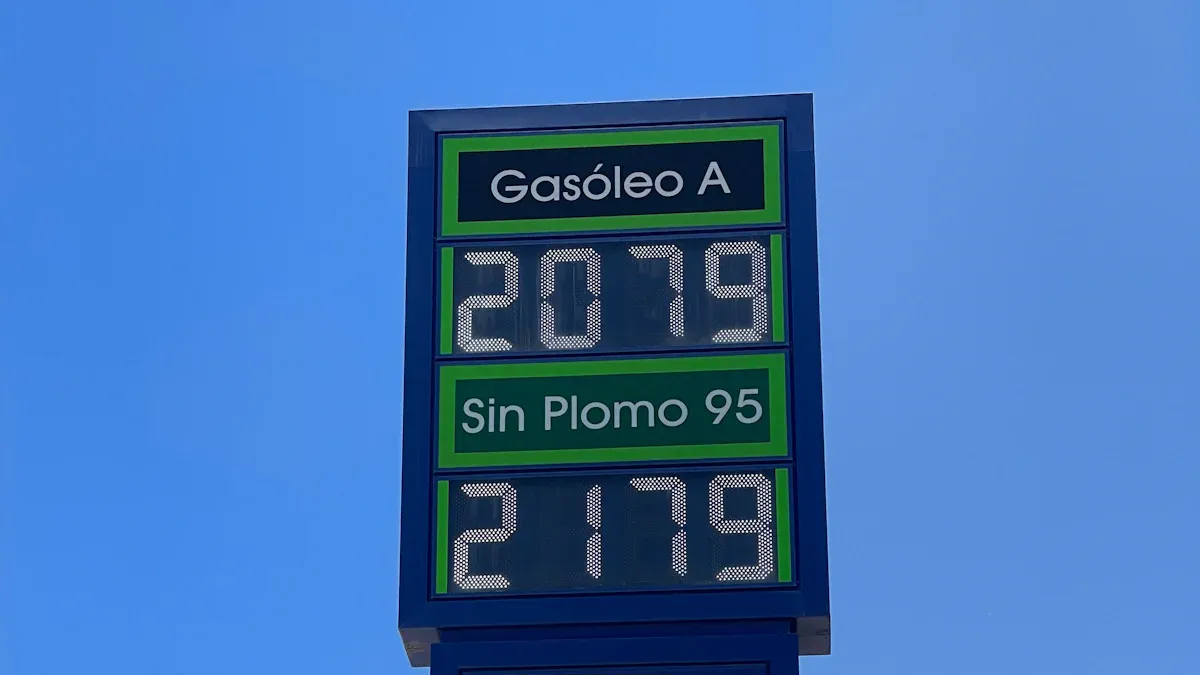
Digital price labels offer far more than just a price. These dynamic displays serve as a rich source of information, transforming the shelf edge into an interactive hub for shoppers and a powerful tool for retailers. Their capabilities extend well beyond what traditional paper can offer.
Pricing and Product Details
The primary function of digital price tags is to display accurate pricing. However, their high-resolution screens can show a wealth of additional product information. This helps customers make informed decisions directly in the aisle. Common details include:
- Product name and barcode
- Unit pricing (e.g., price per ounce)
- Ingredients and allergy warnings
- A brief product description
- Country of origin
Modern displays can even present rich media like images and QR codes that link to digital brochures or videos, providing a comprehensive product overview.
Promotions and Stock Status
Electronic shelf price tags excel at communicating timely information. Retailers can instantly highlight special offers, list and special price deals, and show discounted prices alongside the original price. Integration with a store’s inventory management system unlocks even more power. These electronic shelf price tags can display real-time stock levels, alerting shoppers if an item is running low. This connection also enables dynamic pricing, where prices can adjust based on inventory, demand, or time of day.
Enhanced Shopper Interaction
Digital shelf labels create a more engaging and helpful shopping experience. Shoppers can use their smartphones to interact with the labels in several ways. Scanning a QR code or tapping an NFC-enabled label can instantly pull up customer reviews, detailed specifications, or how-to videos. This feature builds shopper confidence and satisfaction. Some advanced systems offer even more direct interaction.
A key use is to provide added shopper assistance. For example, a label can flash its LED light to guide a customer to a specific item on their shopping list or help an employee during order picking.
This technology empowers customers with all the information they need, right at the point of decision.
Key Benefits of Electronic Shelf Price Tags
Adopting electronic shelf price tags brings a host of powerful advantages. These benefits extend to both the customers walking the aisles and the retailers managing the store. The technology fundamentally modernizes the retail environment, creating a more efficient and satisfying experience for everyone involved.
Advantages for Shoppers
Shoppers gain immediate and tangible benefits from stores that use digital price tags. The improvements center on trust, information, and convenience.
- Guaranteed Price Accuracy: Customers can shop with confidence knowing the price on the shelf is the price at the checkout. Electronic systems eliminate the frustrating discrepancies common with manual labels. An NRF report confirms that stores using this technology see a 30% reduction in pricing errors, building significant shopper trust.
- Richer Product Information: These displays offer more than just a price. Shoppers can see unit pricing, promotional details, stock levels, and even allergy information at a glance. This empowers them to make better purchasing decisions right at the point of sale.
- Engaging Shopping Journey: Interactive features like QR codes and NFC create a modern experience. A customer can tap their phone to access product reviews, usage guides, or complementary product suggestions. This level of engagement makes shopping more informative and enjoyable.
Advantages for Retailers
For retailers, the advantages are transformative, impacting everything from daily operations to long-term profitability. The system streamlines workflows and unlocks new strategic capabilities.
Unmatched Operational Efficiency Retailers dramatically reduce labor costs by automating price updates. Staff no longer spend countless hours printing, cutting, and replacing paper tags. Instead, they can dedicate their time to higher-value activities like assisting customers and improving merchandise displays. For example, GreenMart saved over 200 hours of manual labor per month across its stores after implementing the system. This shift makes the entire workforce more productive.
By automating price changes, retailers can redirect thousands of labor hours annually from tedious manual tasks to valuable, customer-facing service.
Dynamic Pricing and Increased Profitability Dynamic pricing allows retailers to respond instantly to market conditions. They can adjust prices on the fly based on demand, competitor pricing, or inventory levels. Electronic shelf price tags are the key enabler of this strategy in physical stores. Retailers can strategically discount slow-moving items to clear stock or maximize margins on popular products during peak demand. This ability to make frequent, data-driven price adjustments directly boosts revenue and profitability.
Significant Return on Investment (ROI) While there is an upfront investment, digital shelf labels deliver a strong and often rapid return. The ROI comes from labor savings, reduced paper and printing costs, and increased profit from dynamic pricing. The payback period varies by store type and size, but most retailers see a positive return within one to three years.
| Retailer / Example | Typical ROI / Payback Period |
|---|---|
| General Retailers | 12 to 36 months |
| Maurer’s Market | 1.5 to 2.5 years |
| Houchens Food Group | ~3.5 years |
| Electronics Retailers | Within 1 year |
Electronics retailers often see the fastest ROI. Their ability to update thousands of prices rapidly for high-turnover products allows them to capitalize on dynamic pricing strategies almost immediately. Meanwhile, a grocery store like Maurer’s Market, which invested $208,000, anticipates a full return in under 2.5 years by saving nearly 80% of its labor time on price updates. These electronic shelf price tags prove to be a financially sound investment for a wide range of retail environments.
Digital vs. Traditional Paper Labels: A Quick Comparison
When comparing digital systems to traditional paper, the advantages of modern technology become clear. The differences in accuracy, operational costs, and shopper satisfaction are significant.
Accuracy and Speed
Electronic systems offer superior accuracy and speed. They remove the human errors common with manual paper labeling. This ensures the price on the shelf always matches the price at checkout.
| Feature | Electronic Shelf Labels | Paper Labels |
|---|---|---|
| Accuracy | Higher | Lower |
| Pricing Error | Lower and manageable | Higher and frequent |
Retailers can update prices across an entire store in minutes with a digital system. This same task could take employees several days using paper labels. A store manager can implement promotional changes almost instantly, responding to market needs in real time.
Labor and Costs
Paper labels seem inexpensive initially, but their recurring costs add up. These include paper, ink, and the significant labor required for manual updates. Digital shelf labels involve a higher upfront investment but deliver a strong return.
The critical question is not the tag’s cost, but rather the savings ESLs generate and their payback period.
By automating price changes, retailers free up staff for more valuable, customer-facing roles. This automation eliminates tedious tasks and reduces operational expenses. The total cost of ownership for digital systems, including hardware, software, and maintenance, often proves more economical over time.
Customer Experience
The customer’s journey improves dramatically with digital price labels. Shoppers feel more confident when they trust the pricing is correct. The displays provide clear, easy-to-read information, including unit pricing and promotional details, right at the point of decision. This technology creates a more reliable and modern shopping environment, reducing the frustration of price discrepancies and enhancing overall satisfaction.
Electronic shelf labels are advanced, centrally-controlled tags that ensure accurate, dynamic pricing in retail stores. They represent a key technology for modernizing the shopping experience, benefiting both customers with clear information and retailers with operational efficiency.
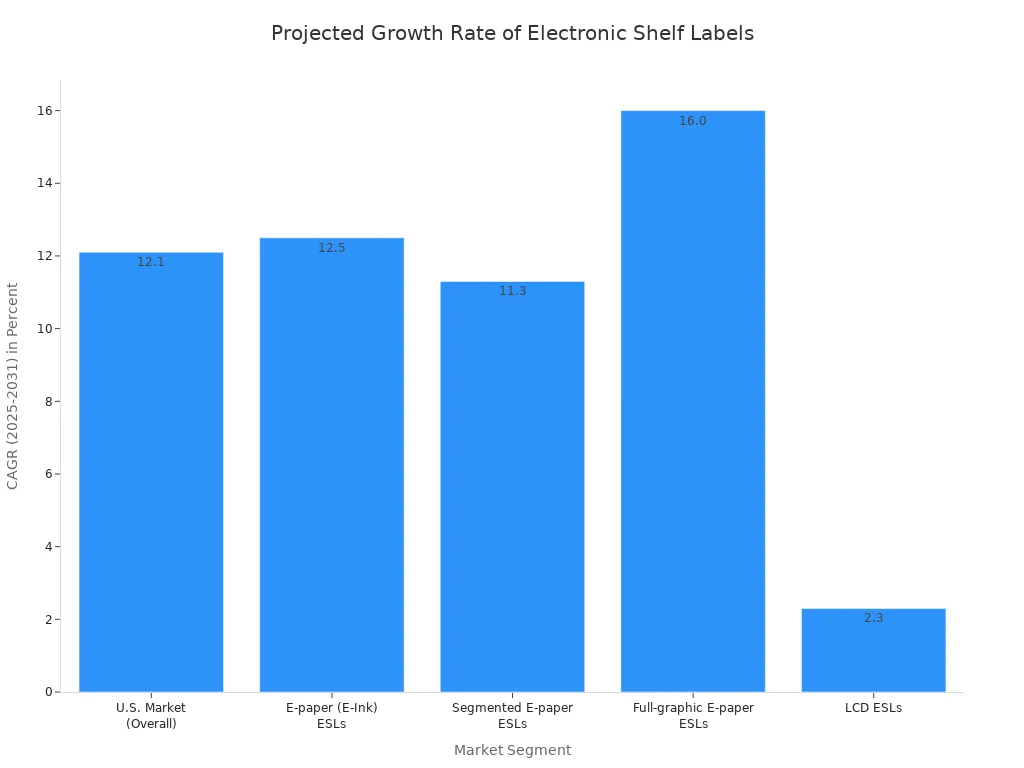
Future advancements point toward full-color displays and AI-powered pricing, promising even more engaging and responsive retail environments.
These digital price labels are a foundational component for building the store of the future, creating a smarter journey for everyone.
FAQ
How long do the batteries in digital price labels last?
Digital price labels use low-power e-paper displays. This technology gives them a remarkable battery life. Most labels can operate for five to seven years before needing a battery replacement, even with multiple daily updates. This longevity minimizes maintenance for retailers.
Are electronic shelf labels durable?
Yes, manufacturers design these labels for busy retail environments. They are built to withstand daily wear, including minor impacts and temperature changes. Many models also offer protection against dust and moisture, ensuring reliable performance on the sales floor.
How difficult is it to install an ESL system?
Installation involves setting up a central server, placing communication gateways, and attaching labels to shelves. While the process is logical, most retailers partner with the ESL provider for professional installation. This ensures proper system integration and network configuration.
Professional installation guarantees the system operates efficiently from day one, covering the entire store without connectivity gaps.
What kind of display technology do ESLs use? 🔋
The majority of modern ESLs use electronic paper (e-paper) technology. This is the same type of display found in e-readers. It provides a high-contrast, paper-like appearance that is easy to read from any angle and consumes very little power.