An e-price tag, or electronic shelf label (ESL), is a small, battery-powered display for product pricing. Its function extends far beyond a simple price display. Retailers implementing electronic shelf labels see major efficiency gains. In fact, over 70% of large retailers report improvements after adopting ESLs, with some achieving a 60% boost in store efficiency with this ESL system. An ESL Price Tag communicates with an ESL Gateway AP to update its display. The ESL market shows significant growth.
| Year | Market Size (USD Billion) | CAGR (%) |
|---|---|---|
| 2024 | 2.34 | N/A |
| 2029 | 4.18 | 12.3 (2025-2029) |
This technology transforms static pricing, making the electronic shelf label a key tool for modern Esl Retail.
How Does an E-Price Tag System Work?
An electronic shelf label system operates through a seamless integration of hardware and software components. This ecosystem enables retailers to manage and update shelf-edge information with speed and precision. At its heart, the entire ESL architecture is designed for centralized control and wireless communication, eliminating the need for manual price changes.
The Core Components
A complete electronic shelf label system consists of three primary elements working in unison. Each part plays a distinct role, from data management to the final information display.
The Digital Tag
The most visible component is the digital tag itself. This is the small, battery-powered device affixed to the retail shelf. Its main purpose is to present the price, product details, and other relevant data. The e-price tag replaces the traditional paper label, offering a dynamic and clear display.
The Communication Base Station
The communication base station, or gateway, acts as the central nervous system for the ESL network. It bridges the gap between the management software and the individual tags on the floor. Its key functions include:
- Scanning barcodes from labels.
- Sending data electronically to the ESL database.
- Supporting various connections like RS232 or USB.
Modern providers are advancing this technology further. For instance, the new generation of ESL solutions from ZKONG uses Wi-Fi and IoT technologies. This allows stores to achieve fully digital functions without needing on-site servers.
The Central Management Software
The central management software is the brain of the electronic shelf label system. This software allows retail staff to create label templates, link products to a specific ESL, and manage all data centrally. Retailers use this platform to control every electronic shelf label across one or multiple stores from a single interface, ensuring consistency and accuracy.
The Update Process
Updating an ESL is a straightforward, two-step process that leverages the system’s core components. The entire operation is quick, efficient, and reliable.
Centralized Data Management
The process begins when an authorized user makes a change within the central management software. This could be a price adjustment, a promotional update, or a change in stock information. The software logs the change and prepares the data for transmission.
Wireless Transmission
Once the data is ready, the software sends a command to the communication base station. The base station then transmits the new information wirelessly using radio frequency or another protocol. The designated ESL tag receives the signal, processes the data, and instantly refreshes its display with the new information. This entire update happens in seconds.
The Technology Behind E Ink Price Tags
The effectiveness of an electronic shelf label stems from two core innovations: its unique display technology and its wireless communication method. These elements work together to deliver a reliable, efficient, and visually appealing solution for modern retail environments.
E-Paper Display Technology
The visual component of modern e ink price tags is a sophisticated e-paper display. This technology is fundamentally different from the LCD screens found on phones or TVs, offering distinct advantages for the retail shelf.
How E-Ink Works
E-Ink technology creates a paper-like display using millions of tiny microcapsules. Each capsule contains positively charged white particles and negatively charged black particles suspended in a clear fluid. An electric field rearranges these particles to form text and images. This method provides a crisp, high-contrast display that is easy to read from any angle, even in direct sunlight. The unique properties of e ink price tags deliver significant benefits:
- Superior Readability: The screen mimics real paper, eliminating glare and reducing eye strain for shoppers and staff.
- High Durability: E-Ink displays are resistant to scratches and environmental factors, making them ideal for busy store aisles.
- Eco-Friendly: This technology reduces the waste associated with printing and disposing of paper labels.
Power Efficiency
A defining feature of e ink price tags is their incredible power efficiency. The technology is “bistable,” meaning the display only consumes power when the content changes. Once an image or price is set, it requires zero energy to hold that information on the screen. This allows the batteries in an ESL to last for years. For instance, a store with 10,000 digital price labels could see annual energy costs of $500-$1,000 for e ink price tags compared to $5,000-$10,000 for LCD. This efficiency makes the ESL a cost-effective and low-maintenance choice.
| Feature | E-Ink Labels | LCD Labels |
|---|---|---|
| Readability | Excellent in all lighting conditions | Struggles in bright light |
| Energy Usage | Minimal (only when updated) | Constant power draw |
| Durability | Long lifespan, low risk of damage | Prone to cracks, needs more care |
| Cost Over Time | Higher upfront, lower long-term expenses | Higher operational costs |
Wireless Communication Protocols
An advanced display needs a reliable communication channel to receive updates from the central server. ESL systems use various wireless protocols to transmit data to each e-price tag on the shelf.
Radio Frequency (RF)
Many electronic shelf label systems use Radio Frequency to communicate. RF technology sends data over radio waves, allowing for robust, two-way communication between the base station and the e ink price tags. It effectively covers large store areas and is not blocked by shelves or products, ensuring reliable updates for every ESL.
Infrared (IR)
Infrared is another protocol used for ESL communication. This technology uses light waves to transmit data and requires a direct line of sight between the transmitter and the tag. While effective, its range is more limited, and physical obstructions can interrupt the signal.
Bluetooth Low Energy (BLE)
Modern ESL solutions increasingly adopt Bluetooth Low Energy. BLE is a highly efficient protocol that consumes very little power, complementing the low-energy nature of e ink price tags. It also opens the door for enhanced customer interactions, as it can communicate directly with shoppers’ smartphones for promotions or product information.
What Can an Electronic Shelf Label Display?
An electronic shelf label serves as a powerful communication tool at the point of purchase. Its capabilities extend far beyond a simple price figure, transforming the shelf edge into a dynamic information hub. Retailers leverage this technology to present a wealth of data that informs customers and streamlines operations. The modern e-price tag can show much more than just cost.
Dynamic Product Information
The primary advantage of an electronic shelf label is its ability to display real-time, relevant product information directly to the shopper. This data syncs with the store’s central system, ensuring accuracy and timeliness. An ESL can therefore provide a richer context for every item on the shelf.
Stock Levels and Availability
An ESL can connect directly to a retailer’s inventory management system. This allows the display to show real-time stock levels. For example, a fashion retailer can show available sizes and quantities for a specific garment. This feature helps customers make immediate decisions and manages their expectations, preventing disappointment over out-of-stock items.
Promotional Details
Retailers use the vibrant display of an ESL to highlight special offers and promotions. Instead of relying on separate paper signs, the label itself can show that an item is part of a “Buy One, Get One Free” deal or has a temporary price reduction. This capability allows for activation campaigns that capture shopper attention directly at the shelf, driving sales for featured products.
Allergen and Origin Data
Modern consumers demand transparency about the products they buy. An ESL provides an ideal platform for displaying crucial details that build trust and inform choices. Retailers can use the screen to show:
- Nutritional Information: Key data like calorie counts, sugar content, and fat percentages.
- Ingredients: A full list of product contents, with potential allergens highlighted.
- Origin Data: Information about where a product was sourced or manufactured.
- Customer Reviews: Star ratings or brief feedback snippets to assist purchasing decisions.
Competitive Intelligence
Electronic shelf labels give retailers a significant strategic advantage in the marketplace. The technology enables agile pricing strategies that can respond instantly to market shifts and competitor actions. This flexibility is crucial for maintaining a competitive edge.
Competitor Price Matching
Retailers can implement dynamic pricing strategies with ESLs. The system allows staff to update prices across an entire store from a central software platform. This agility is essential for competitor price matching.
When a competitor launches a promotion, a retailer using an ESL system can react in minutes, not hours. This immediate response helps protect market share and customer loyalty.
This capability is useful across different retail sectors:
- Grocers can automatically adjust prices on perishable goods to minimize food waste.
- Electronics retailers can react to online pricing changes in real time to protect their margins.
- Fashion stores can clear excess inventory quickly without a massive manual effort.
Online vs. In-Store Pricing
A major challenge for omnichannel retailers is maintaining price consistency between their online and physical stores. Electronic shelf labels solve this problem by synchronizing prices across all channels. Alibaba’s Hema Xiansheng supermarket chain offers a powerful example. The company uses ESLs to ensure the prices shown in-store perfectly match the prices on its app. This creates a seamless, unified shopping experience for customers, whether they are shopping in person or ordering for fast delivery. This convergence of online and offline pricing is a cornerstone of modern retail strategy.
Enhancing Customer Interaction at the Shelf
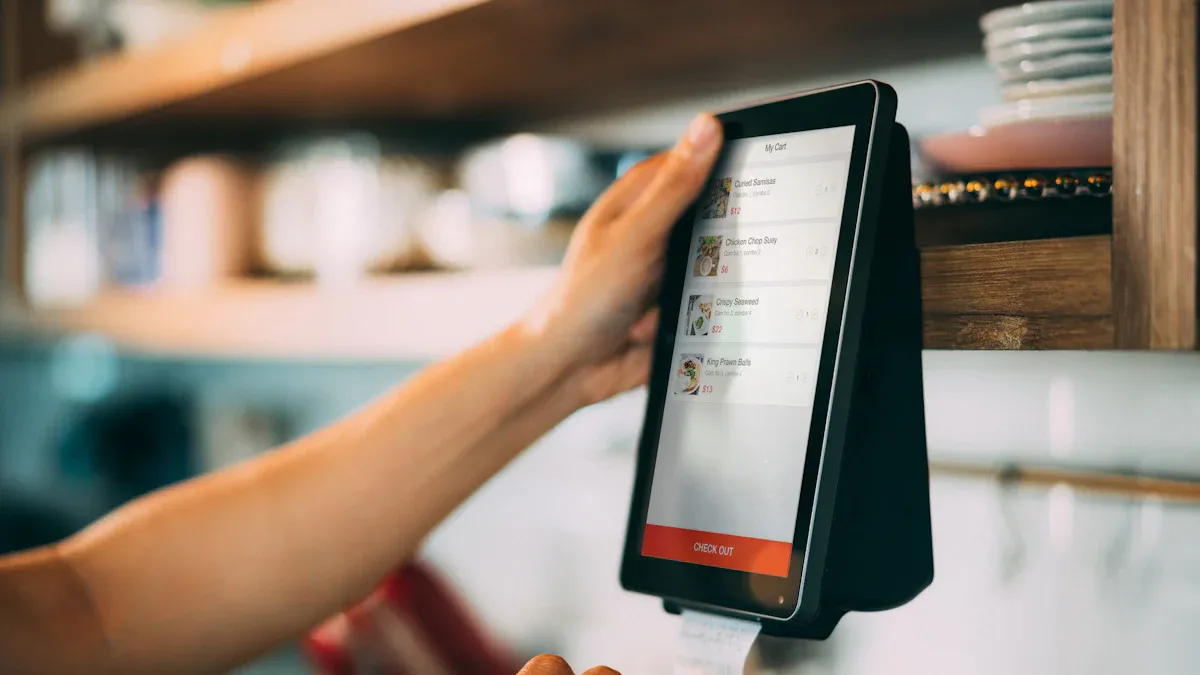
An electronic shelf label transforms the physical shelf into an interactive digital touchpoint. This technology moves beyond one-way information delivery. It creates opportunities for direct shopper engagement, fostering a more connected and trustworthy in-store experience. The modern ESL is a bridge between the digital world and the physical product.
Interactive On-Shelf Content
An ESL can present rich, interactive content that helps customers make informed decisions right at the point of purchase. This capability turns a simple shopping trip into an engaging journey of discovery. The dynamic display on an ESL offers far more than just a price.
QR Codes for Deeper Engagement
Retailers can place QR codes on the ESL display. Shoppers scan these codes with their smartphones to access a wealth of extended content. This could include instructional videos, recipes, detailed user manuals, or the brand’s story. This simple feature connects the physical product to a universe of digital information, enriching the customer’s understanding and experience.
NFC for Tap-and-Go Information
Near Field Communication (NFC) technology offers an even more seamless interaction. Shoppers with NFC-enabled smartphones can simply tap the ESL for instant information. This “tap-and-go” function creates a frictionless experience.
- NFC allows shoppers to wirelessly power and refresh a battery-free ESL display with their phone.
- The technology enables contactless updates, eliminating the need for wiring or battery changes.
- A simple tap can send product details to a shopper’s phone or direct them to an online purchase page.
- Retailers can also use this feature to deliver digital coupons or loyalty points directly through the ESL.
Building Shopper Trust
Trust is a cornerstone of customer loyalty. Electronic shelf labels help build this trust by ensuring the information shoppers see is always accurate and transparent. Consistent and reliable data at the shelf edge eliminates confusion and builds shopper confidence.
Guaranteed Price Accuracy
Price discrepancies between the shelf and the checkout are a major source of customer frustration. ESLs solve this problem by synchronizing prices directly with the point-of-sale system.
This guarantees that the price on the display is the same price a customer pays at the register. This accuracy removes doubt and prevents negative checkout experiences, reinforcing the retailer’s reliability.
Many modern ESLs systems ensure every price update is confirmed, providing a closed-loop verification that builds operational confidence and shopper trust.
Access to Product Reviews
Social proof is a powerful purchasing motivator. An electronic shelf label can display product ratings and reviews directly on its screen.
- API interfaces allow an ESL system to integrate with third-party platforms.
- Retailers can pull and display data like star ratings or brief review snippets.
- Shoppers can scan the label to access more detailed reviews or recommended product lists.
Specialty retailers already use this capability to show rich product details like origin and ingredients. Displaying reviews is a natural extension that helps customers make confident buying decisions on the spot.
Streamlining Retail Operations
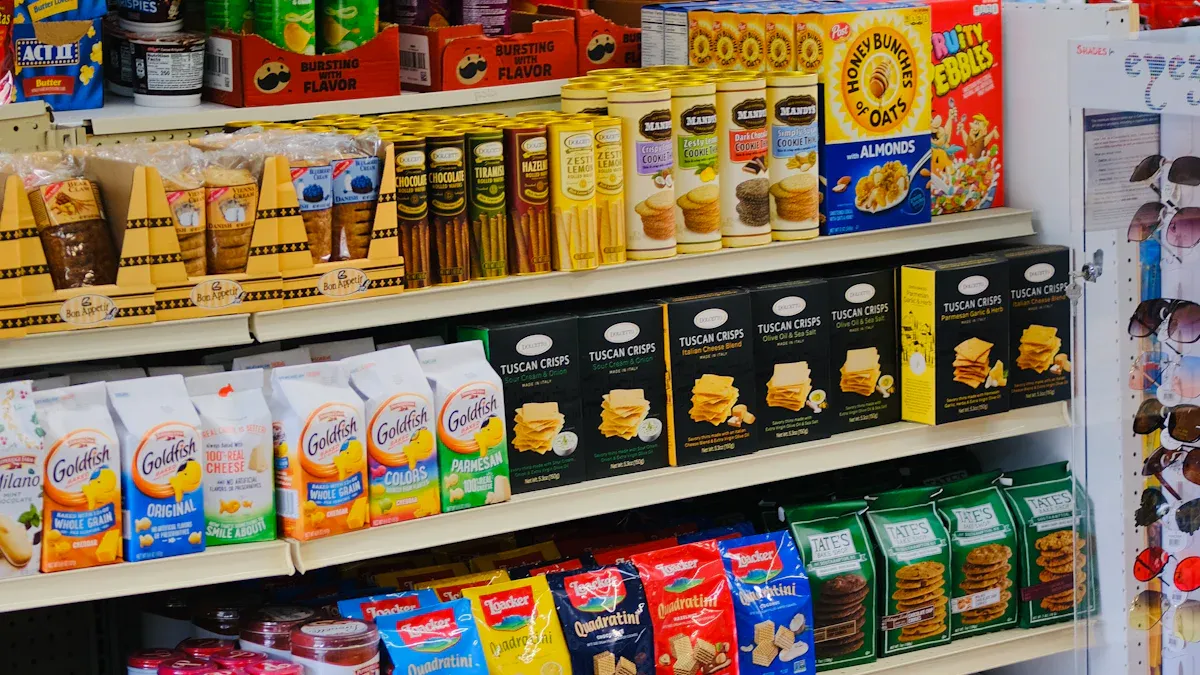
An electronic shelf label does more than communicate with customers; it is a powerful tool for optimizing internal store operations. Retailers use this technology to improve efficiency, reduce errors, and empower their staff. The ESL system integrates directly into a store’s operational workflow, turning the shelf edge into a command center for employees.
Optimizing Order Fulfillment
The rise of online ordering and in-store pickup has placed immense pressure on fulfillment speed and accuracy. Electronic shelf labels provide solutions that guide staff through these critical tasks with precision.
Pick-by-Light Navigation
An ESL can function as a pick-by-light system to guide employees during order fulfillment. The central system activates an LED light or changes the display on the specific ESL for an item on a pick list. This visual cue directs the picker to the exact product location.
This method dramatically reduces human error and increases speed. Studies show that light-directed picking can boost productivity by up to 50% and cut picking errors by as much as 67%. An apparel business, for example, reduced fulfillment errors by over 60% after implementing such a system.
Staff Task Management
Automating price updates with an electronic shelf label system frees up significant employee time. A store with 10,000 products could save over 400 hours of manual labor annually. This allows staff to shift their focus from repetitive tasks to more valuable activities. Instead of printing and replacing paper tags, employees can dedicate their time to:
- Assisting customers on the sales floor
- Improving product merchandising and displays
- Managing inventory and executing promotions
This shift makes the workforce more productive and enhances the overall shopping experience. The ESL handles the tedious work.
Improving Inventory Management
Accurate inventory data is the backbone of any successful retail operation. ESLs provide real-time visibility into stock levels, helping to reduce discrepancies and prevent stockouts.
Automated Replenishment Alerts
An ESL can be configured to signal replenishment needs automatically. When the inventory system detects that stock for a product is low, it can trigger a change on the label’s display. The ESL might show a special icon or change its background color. This visual alert immediately informs floor staff that an item needs to be restocked from the backroom, ensuring shelves remain full and sales opportunities are not missed.
Reducing Stock Discrepancies
ESLs help maintain a single source of truth for product data. The information on the digital display is synchronized with the central inventory and point-of-sale systems. This constant connection ensures that the data employees see at the shelf perfectly matches the backend records. This accuracy minimizes stock discrepancies, reduces the need for frequent manual audits, and improves overall inventory control.
The Strategic Power of Dynamic Pricing
Electronic shelf labels unlock a new level of strategic agility through dynamic pricing. This capability allows retailers to adjust prices automatically in response to real-time market conditions. An ESL system transforms pricing from a static, labor-intensive task into a dynamic, data-driven strategy. This approach empowers businesses to optimize revenue and improve operational efficiency.
Automated Price Adjustments
An ESL provides the foundation for automated price adjustments. Retailers can program their systems to execute complex pricing rules without manual intervention. This automation ensures speed, accuracy, and consistency across all locations.
Responding to Market Demand
Retailers use an ESL to react swiftly to shifts in market demand. The technology enables them to implement price changes that reflect inventory levels, seasonality, or consumer behavior. A 2024 study found that ESL adoption led to a 15% increase in discount frequency, showing that retailers use this technology to offer more value.
- Walmart is deploying digital shelf labels to enable rapid pricing changes for perishable goods, reducing waste by discounting items as expiration dates near.
- Kroger uses ESLs and AI to enhance efficiency, aligning its operations to adapt to changing market conditions.
Time-Based Pricing Strategies
Time-based pricing is another powerful strategy executed through an ESL. A central pricing engine calculates optimal prices based on business rules and sends them to the in-store display. This allows for scheduled price changes that can drive sales during specific periods.
- Happy Hour: A bar can automatically reduce drink prices during off-peak hours.
- Peak Demand: A retailer could adjust pricing for seasonal items based on the time of day or week.
Competitor-Based Adjustments
Dynamic pricing also allows for immediate competitor-based adjustments. When a rival changes a price, a retailer’s system can detect the shift and update its own pricing automatically. This ensures the business remains competitive without a long delay.
Executing Pricing Strategies
ESLs make the execution of complex pricing strategies seamless and efficient. Retailers can manage store-wide campaigns and targeted markdowns from a single, centralized platform.
Store-Wide Promotion Rollouts
Central management software gives retailers the power to deploy store-wide promotions with a single command. This automated approach simplifies operations and ensures pricing consistency across all stores.
ESL technology automates price changes, ensuring the correct information is on every display during large-scale promotions. This centralized control allows staff to focus on high-value activities like customer service instead of manual price updates.
This system allows retailers to oversee multiple stores from one dashboard, deploying updates and managing content remotely. The result is a more agile and accurate promotional pricing strategy.
Clearing Perishable Goods
Clearing perishable goods is a critical challenge for grocers. An ESL system helps minimize waste by enabling automated markdowns. As a product nears its expiration date, the system can gradually lower its price on the digital display. This dynamic pricing strategy encourages shoppers to purchase the item, reducing spoilage and protecting profit margins. The use of esls in this manner is a key operational advantage.
An e-price tag is a multi-functional device, serving as a dynamic link between digital data and the physical store display. The true value of an ESL lies beyond its display; this ESL enhances operational efficiency and enables data-driven pricing strategies.
An ESL system can increase sales conversion by 10-15% and deliver a five-year ROI of 277%.
This technology transforms the shelf edge from a static label into an interactive hub. ESLs are a strategic imperative for the future of retail pricing and display, making the ESL a key tool.
FAQ
How long do ESL batteries last?
ESL batteries have a long lifespan. E-Ink technology consumes power only during updates. This efficiency allows batteries in most digital tags to last for 5 to 10 years, depending on the frequency of price changes and the specific model.
Are electronic shelf label systems secure?
Yes, modern ESL systems use secure communication protocols. Data transmissions between the central server and the tags are encrypted. This security prevents unauthorized access and ensures that pricing information remains accurate and tamper-proof.
What is the cost of implementing an ESL system?
The initial investment includes tags, base stations, and software. While the upfront cost is higher than paper labels, retailers often see a strong return on investment (ROI) through labor savings, improved pricing accuracy, and reduced waste.
Can ESLs display more than just black and white?
Yes, many modern ESLs support multiple colors. Retailers commonly use a third color, like red or yellow, to highlight key information.
- 🔴 Promotions and sales
- 🟡 Low stock alerts
- 🔵 Product-specific details
This feature helps capture shopper attention effectively.
How difficult is it to install an ESL system?
Installation is straightforward. Base stations connect to the store’s network. Staff then affix the digital tags to the shelves. The central software manages the pairing process, making deployment efficient with minimal disruption to store operations.
Do ESLs work in cold environments like freezers?
Yes, manufacturers offer specialized ESL models designed for cold environments. These tags are built to withstand low temperatures found in refrigerators and freezers, ensuring reliable operation for displaying prices on frozen goods and chilled products.