
Retail media marketing is advertising within a retailer’s digital and physical retail media ecosystem. This approach leverages real-time shopper data for precise targeting. It is essentially advertising where the purchase happens, influencing decisions directly. This includes in-store digital assets like an Esl Retail setup, where an ESL Gateway AP communicates with an Electronic Shelf Labels device or an ESL Price Tag. The growth of retail media is significant.
| Metric | Value |
|---|---|
| Market size in 2025 | USD 17.99 billion |
| Revenue forecast in 2033 | USD 36.53 billion |
| Compound Annual Growth Rate (CAGR) | 9.3% from 2025 to 2033 |
This growth is reflected in current advertising budgets, showcasing the power of its targeting and personalization capabilities.
- Globally, retail media accounts for about 16% of total digital spend.
- It is predicted that 18% of all media investments will be allocated to retail media in 2024.
How Does Retail Media Marketing Work?
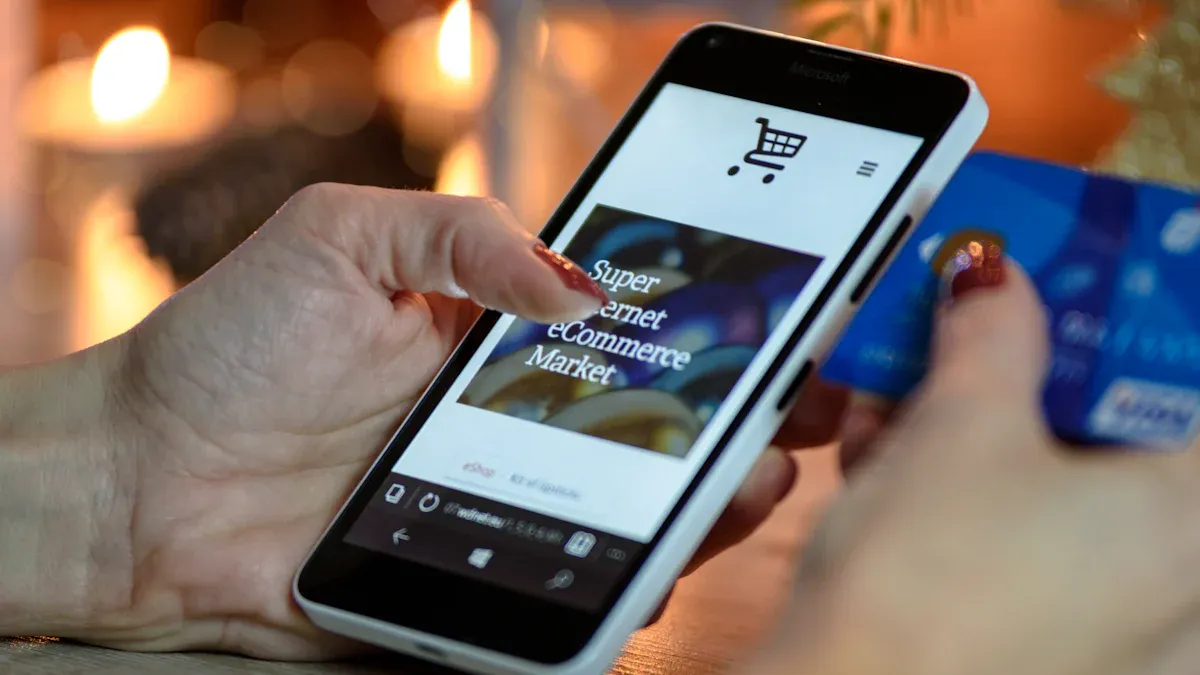
Retail media marketing operates across a connected ecosystem of digital and physical touchpoints. This system allows brands to engage customers at various stages of the buying journey. The mechanics can be broken down into three primary environments: on-site channels on the retailer’s properties, off-site reach across the open web, and in-store digital experiences that merge online data with the physical store.
On-Site Advertising Channels
On-site advertising is the foundation of retail media. It involves placing ads directly on a retailer’s website or mobile app. This channel leverages the retailer’s rich first-party data to target shoppers with high purchase intent.
Sponsored Product Listings
Sponsored product listings are ads that appear within a retailer’s search results or on category pages. These ads blend in with organic product results but are clearly marked as “sponsored.” Their primary function is to boost visibility for specific items at the exact moment a customer is searching for them. For example, a CPG brand can use Walmart Connect‘s on-site search to ensure its cleaning products appear at the top of relevant searches. This strategy is highly effective. Reebok used eBay’s sponsored product ads to promote items with high inventory, resulting in a 55% increase in overall sales.
Homepage and Category Banners
Display ads, such as homepage and category banners, offer broad brand exposure. These visual advertisements are placed in high-traffic areas of a retailer’s website. They can be static images or dynamic ads that change based on a user’s browsing behavior. An electronics brand, for instance, might partner with Target’s Roundel to place display ads for smart home devices. This placement helps generate awareness and educate customers browsing the electronics category.
Branded Storefronts
A branded storefront is a custom, multi-page destination for a single brand within a retailer’s website. It functions as a “store-within-a-store,” giving brands a space to tell their story, showcase a full product line, and create a curated shopping experience. These on-site channels are powered by the retailer’s first-party data, which provides key advantages:
- Improved Attribution: Retailers can directly connect ad interactions to sales.
- Efficient Targeting: Data helps identify high-value customers, allowing brands to focus campaigns for a higher return on ad spend (ROAS).
- Personalization: Deep insights into purchase history and behavior lead to highly relevant messaging and product recommendations.
Off-Site Advertising Reach
Off-site advertising extends a brand’s reach beyond the retailer’s own digital properties. This approach uses the retailer’s valuable first-party data to target known shoppers on other platforms across the internet. It allows brands to develop full-funnel strategies that influence consumers earlier in their purchase journey.
Social Media Retargeting
Retail media networks can identify their customers on social media platforms. This capability allows a brand to retarget shoppers who previously viewed a product on the retailer’s site with an ad on platforms like Instagram or YouTube. This keeps the brand top-of-mind and guides the shopper back to the point of purchase.
Programmatic Display Ads
Through programmatic advertising, retailers enable brands to target their specific audience segments on thousands of publisher sites across the open web. This transforms retail media from a simple performance channel into a comprehensive media partner. A brand can use this to reach in-market audiences with relevant messages during their research and comparison phases. The collaboration between OBI, Ad Alliance, and Decentriq is a successful example of a brand using off-site advertising to expand its presence.
Connected TV (CTV) Campaigns
A major evolution in retail media is the ability to run campaigns on Connected TV. Brands can now use retailer data to target specific households on streaming services like Hulu. This powerful tactic connects TV viewership directly with shopping behavior, bringing commerce and media closer together than ever before.
In-Store Digital Advertising
In-store digital advertising bridges the gap between the online and offline shopping experience. It brings the data-driven personalization of e-commerce into the physical store, creating a cohesive omnichannel journey.
As Shopify expert Meg Button notes, “QR codes can help bridge the gap between offline and online.”
Screens at Checkout
Digital screens placed at checkout counters or in queues capture shopper attention during a period of high dwell time. These screens can run video ads or display promotions, replicating the experience of sponsored product ads online. A display sponsoring Nutella at an Auchan checkout line, for example, uses video and audio to influence last-minute purchase decisions.
Interactive Shelf Displays
Modern retailers are deploying innovative technologies directly on the sales floor. These include interactive displays that enhance the shopping experience.
- Sephora’s ModiFace simulator allows customers to virtually try on makeup.
- ShelfVision displays are small, eye-level video strips on the shelf edge that promote nearby products.
- Nordstrom’s Denim Kiosk acts as a digital personal shopper to help customers find the perfect pair of jeans.
In-App Offers for In-Store Use
Retailer mobile apps are a key tool for in-store engagement. A shopper can receive a personalized push notification with an exclusive offer for a product as they walk down a specific aisle. This tactic uses location data to deliver a perfectly timed, relevant promotion. This integration of interactive technology is central to a modern retail strategy.
A study by TBlocks confirms this, stating, “Omnichannel strategies enable the integration of interactive technology to bridge the gap between online and offline retail. QR codes, NFC, and other technologies can enhance the in-store experience and drive customer engagement.”
The Rise of Retail Media Networks
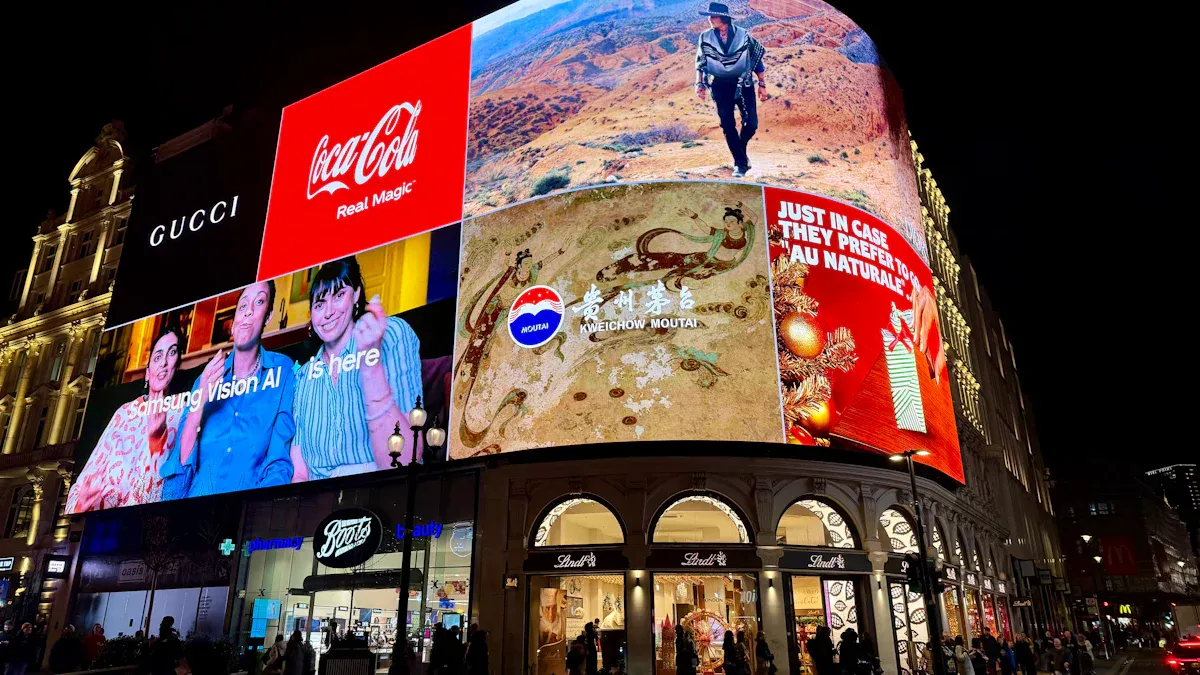
The rapid expansion of retail media is powered by the development of sophisticated retail media networks. These are the ecosystems that retailers build to manage their advertising inventory, activate data, and serve ads. This retail media network growth has created a new and competitive landscape in digital advertising.
Major Retail Media Networks
The US retail media market is highly concentrated, often described as a ‘two-horse race’. Amazon Advertising holds a dominant position with approximately 75-80% market share. Walmart Connect is the clear second major player. Beyond these two giants, several other powerful retail media networks compete for brand investment.
Amazon Ads
As the pioneer and largest player, Amazon Ads offers a mature suite of sponsored ads, display, and video advertising options, leveraging its unparalleled e-commerce data.
Walmart Connect
Walmart Connect utilizes its massive omnichannel footprint, connecting online search with in-store purchasing behavior to reach millions of shoppers.
Target’s Roundel
Target’s Roundel is known for its curated, brand-safe approach, offering advertisers access to its loyal and high-value customer base.
Instacart Ads
Instacart Ads allows CPG brands to reach consumers directly on its digital marketplace, influencing decisions as users build their grocery baskets in real time.
Kroger Precision Marketing
Kroger Precision Marketing leverages 84.51°, its data science arm, to provide precise targeting based on years of loyalty card data.
Key Technology Enablers
Retailers do not always build their advertising platforms from the ground up. Many rely on specialized technology partners to provide the necessary infrastructure and tools. These enablers offer white-label solutions that help retailers scale their retail media operations quickly.
Criteo
Criteo provides commerce media technology that helps retailers and brands manage campaigns. Microsoft recently named Criteo its preferred partner for retail media, a move that followed the shutdown of Microsoft’s own PromoteIQ offering.
Microsoft PromoteIQ
Originally a key player, PromoteIQ helped retailers monetize their sites. The platform’s technology is now being succeeded by the Criteo partnership, showing the dynamic evolution of the market.
Epsilon
Epsilon offers a comprehensive advertising platform that helps retailers activate first-party data for personalized marketing across multiple channels.
The Value Proposition of Networks
The motivation for retailers to build these complex networks is clear and compelling. It centers on leveraging existing assets to create new, high-value opportunities.
Monetizing First-Party Data
Retail media networks provide a privacy-compliant framework for retailers to monetize their most valuable asset: first-party customer data. Technology platforms create the infrastructure to segment and activate this data, turning shopper insights into actionable advertising campaigns.
Creating New Revenue Streams
This data monetization creates a significant and profitable new revenue stream. In 2021, a quarter of retailers generated over $100 million from their retail media efforts. This income diversifies retailer revenue and strengthens financial performance with high-margin sales.
Why Is Retail Media a Priority Now?
The advertising industry is undergoing a seismic shift. Brands now prioritize retail media for three fundamental reasons: the decline of traditional tracking methods, the unparalleled access to motivated shoppers, and the ability to prove marketing effectiveness with concrete sales data. These factors make a strong retail media marketing strategy essential for growth.
The Post-Cookie Advertising World
The digital advertising landscape is being reshaped by the end of third-party cookies. This change forces marketers to find new, reliable ways to reach audiences. Retail media offers a powerful and durable solution.
Leveraging First-Party Data
Retail media networks provide a robust reservoir of first-party data. This data comes directly from a retailer’s customers. It includes purchase history, browsing behavior, and demographic information. Major web browsers are removing support for third-party cookies. This makes first-party data the new gold standard for advertisers. Brands can use this information to create highly personalized campaigns. This precise targeting helps tailor messages to consumer expectations and preferences, boosting campaign effectiveness.
Technology partners are crucial in this new era. Companies like Experian collaborate with leading retail media networks to organize and expand this rich shopper data. They help anchor it to more stable digital identifiers, such as hashed emails (HEMs) and mobile ad IDs (MAIDs), reducing reliance on cookies.
Ensuring Privacy Compliance
Consumer privacy is a growing global concern. New regulations are emerging constantly. Jurisdictions like Canada (PIPEDA) and numerous U.S. states, including California and New Jersey, have implemented stricter privacy laws. This evolving regulatory landscape makes third-party data a risky asset.
Retail media simplifies compliance. It operates within a closed ecosystem where customers have a direct relationship with the retailer. This framework provides a more transparent and privacy-conscious way for brands to advertise, driving results while respecting consumer data rights.
Reaching High-Intent Shoppers
Retail media places advertisements directly in the path of consumers who are ready to buy. This proximity to the point of purchase is a key advantage over other advertising channels.
Targeting Active Buyers
Consumers visit retailer websites with a clear purpose: to shop. While social media platforms are excellent for product discovery, most people prefer to complete their purchases on familiar retailer sites. This preference is clear in the data.
| Platform | Share of Sales (2023) |
|---|---|
| Retailer Websites | 85.5% |
| Other Platforms | 14.5% |
This statistic shows that retailer websites have significantly higher conversion rates. Advertising on these platforms allows brands to engage shoppers at the most critical moment of their journey, just before they make a purchase.
Capitalizing on Contextual Relevance
Effective advertising is about context. Retail media excels at delivering relevant ads at the perfect moment. A brand can place an ad for a coffee maker on a page where a customer is browsing coffee beans. This contextual relevance makes the ad feel helpful rather than intrusive. Advanced solutions are making this even more powerful. Some platforms now use machine learning to analyze web page content, images, and video. They compare this analysis to first-party commerce data, making contextual advertising more precise and effective for marketers.
Achieving Closed-Loop Measurement
For decades, marketers struggled to connect ad spend directly to in-store sales. Retail media solves this problem with a concept called closed-loop measurement. It provides a clear, undeniable link between advertising and revenue.
Directly Linking Ad Spend to Sales
Closed-loop measurement connects ad exposure data directly to shopper purchase data. This system allows brands to see exactly which ads led to a sale, both online and in-store. It moves performance analysis beyond surface-level metrics like clicks and impressions. Instead, it prioritizes sales as the ultimate measure of success.
Key benefits of this measurement approach include:
- Accurately measuring the return on ad spend (ROAS).
- Providing insights into incremental sales lift and category share.
- Enabling real-time optimization of media spend for maximum results.
- Offering a holistic view of how multiple campaigns contribute to a final sale.
Demonstrating Clear ROI
The ability to link ads to sales provides an unambiguous picture of campaign performance. This clear attribution allows brands to demonstrate a clear return on investment (ROI) for their retail media spend. Campaigns on retail media networks often achieve a higher ROAS compared to other channels because they leverage strong purchase intent signals. For example, a Ben & Jerry’s campaign utilizing a retail media network achieved a 1.5x return on ad spend, proving the financial effectiveness of the strategy. This level of accountability is invaluable for modern marketing teams.
Key Benefits of a Retail Media Strategy
A well-executed retail media strategy delivers substantial value to every participant in the commerce ecosystem. Brands gain a direct line to active shoppers, retailers unlock new high-margin revenue, and consumers receive a more relevant and helpful shopping experience. This symbiotic relationship is driving the rapid adoption of retail media marketing.
Advantages for Brands
For brands, the benefits are direct and impactful, translating into increased sales and market share. The advantages of retail media for brands are transforming marketing budgets and priorities.
Boost Product Visibility
Retail media places products in front of shoppers at the most critical moments. This boosts visibility and builds brand awareness. In fact, 30% of advertisers now use retail media specifically for this upper-funnel goal. The growing influence is also seen in off-site retail media, which is projected to capture 18.5% of ad spend in 2024.
Gain Measurable Performance
Retail media campaigns deliver quantifiable results. Brands can directly attribute ad spend to sales, proving a clear return on investment.
- Sparkling Ice used shoppable tools to achieve a purchase rate 15x higher than category benchmarks.
- An unnamed tequila brand tripled its conversions compared to standard retailer links by using compliant shoppable landing pages.
Access Relevant Audiences
Brands gain direct access to high-intent shoppers. Retail media networks allow for precise targeting based on real-time purchase and browsing data. This ensures that marketing messages reach consumers who are actively looking to buy, increasing campaign efficiency.
Advertise in Brand-Safe Environments
Advertising on a trusted retailer’s website or app provides a brand-safe environment. Unlike the open web, where ads can appear next to inappropriate content, retail media ensures that brand messaging is always associated with a secure and reputable shopping context.
Advantages for Retailers
The rise of retail media for retailers is not just about advertising. It represents a fundamental evolution of the retail business model, creating new value from existing assets.
Build High-Margin Revenue
Retail media networks are a powerful engine for profit. These operations can achieve profit margins exceeding 70%. For a retailer, if revenue from retail media constitutes just 1% of total revenue, an 80% margin on that stream can increase overall company profit by 16%.
Enhance Customer Experience
A good retail media program improves the shopping journey. By delivering relevant ads and offers, retailers enhance the customer experience. This personalization makes the site more helpful and engaging, encouraging repeat visits and building loyalty.
Strengthen Supplier Partnerships
Retail media transforms the retailer-supplier relationship into a true partnership. By providing valuable data and advertising tools, retailers help their brand partners succeed.
If the targeted advertising is successful, then it can strengthen an independent retailer’s relationships with CPG brands. Brands highly value their independent retail partners, knowing that a higher percentage of these stores’ shoppers tend to be interested in their brand.
Advantages for Consumers
Ultimately, the consumer is a key beneficiary of a well-run retail media program. The experience becomes more streamlined, relevant, and valuable.
Receive a Personalized Experience
Consumers today expect tailored interactions. Data shows that 71% of consumers expect personalization from brands, and 76% feel frustrated when it is absent. Retail media meets this demand by using shopper data to customize the content and offers they see.
Discover Relevant Products
Effective personalization leads to better product discovery. Shoppers are introduced to new brands and items that align with their interests and past purchases. This makes advertisements feel less like interruptions and more like helpful recommendations.
Access Exclusive Offers
Retail media is a primary channel for delivering targeted promotions. Consumers can receive exclusive discounts and offers on the products they are most likely to buy, saving them money and making their shopping trip more rewarding.
How to Build Your Retail Media Strategy
Developing successful digital marketing strategies for retail media requires a structured approach. Brands must define what success looks like, select the best platforms to achieve it, and manage their financial commitments effectively. A thoughtful plan transforms ad spend into a powerful driver of growth.
Define Clear Objectives
Every successful campaign begins with clear objectives tied to overall business goals. Before launching any retail media initiative, you must define what you want to achieve. This clarity guides every subsequent decision, from network selection to budget allocation.
Brand Awareness vs. Conversion
Your primary goal will shape your entire strategy. Are you focused on upper-funnel brand awareness or lower-funnel conversions?
- Brand Awareness: The objective is to improve brand perception and visibility. Campaigns might prioritize impressions and reach, using display banners on high-traffic homepage or category pages.
- Conversion: The objective is to drive immediate sales. Success is measured by metrics like sales lift and Return on Ad Spend (ROAS). These campaigns often use sponsored product ads to capture high-intent shoppers.
Many brands pursue a full-funnel approach, but it is crucial to set distinct Key Performance Indicators (KPIs) for each stage.
New Customer Acquisition Goals
Beyond immediate sales, a key objective is acquiring new customers. Retail media provides the data to identify and target shoppers who have not purchased from your brand before. Setting specific goals for new customer acquisition helps measure the long-term value of your campaigns. This focus ensures your strategy contributes to sustainable brand growth, not just short-term revenue spikes.
Select the Right Retail Media Networks
The landscape of retail media networks is diverse and growing. Choosing the right partners is critical for reaching your target audience effectively. A one-size-fits-all approach rarely works; instead, tailor your selections to your specific brand needs.
Aligning Networks with Your Audience
The first step is to understand the unique customer base of each retail media network. You must align your brand with retailers whose shoppers match your ideal customer profile.
A successful strategy requires a deep understanding of each platform’s audience. Brands should leverage the rich first-party data from retailers to create highly targeted campaigns based on consumer behavior and demographics.
This alignment ensures your message resonates with the right people. Consistent brand messaging across all selected networks is also essential to build a cohesive identity at every touchpoint.
Evaluating Network Capabilities
Not all retail media networks offer the same tools or opportunities. When evaluating potential partners, consider their technological capabilities. Look for networks that provide advanced targeting options, a variety of ad placements, and robust reporting. Data transparency is key; you need real-time insights into performance metrics like impressions, clicks, and conversions to optimize your campaigns. Some platforms may have limitations, so it is important to know what each network can and cannot do before committing your budget.
Manage Budgets and Bidding
Effective budget and bid management ensures your resources are allocated for maximum impact. This involves strategic planning and continuous optimization across all your chosen retail media platforms.
Allocating Ad Spend Effectively
Budget allocation should align directly with your campaign goals and the capabilities of each retailer. Rank retailers based on your brand’s sales volume and their platform’s strengths. Allocate more budget to networks with strong targeting and reporting, and consider a “test and learn” budget for emerging platforms. A common strategy is to budget heavily from the bottom of the funnel upwards. This approach secures conversions from high-intent shoppers before allocating spend to upper-funnel awareness tactics.
Understanding Bidding Models
Each network has its own bidding model and interface. For example, Amazon is known for its user-friendly, lower-funnel targeting with no minimum bids, while other platforms may require minimums or specialized third-party tools for effective management. Understanding these differences is crucial for optimizing your spend. Continuous monitoring of your bids and performance against KPIs is paramount. This agility allows you to adjust your targeting and bidding strategies to ensure efficient resource allocation and achieve the best possible ROAS.
Measure and Optimize Performance
An effective retail media strategy is not static. It requires continuous measurement and optimization to maximize returns. Brands must diligently track performance, test creative elements, and refine their approach based on data-driven insights. This iterative process ensures that advertising spend is always working as efficiently as possible to achieve campaign objectives.
Tracking Key Performance Indicators (KPIs)
Consistent tracking of the right Key Performance Indicators (KPIs) is fundamental to understanding campaign effectiveness. These metrics provide a clear picture of what is working and where improvements are needed. A comprehensive measurement plan should include a mix of metrics that cover audience engagement, cost efficiency, and sales impact.
Key KPIs to monitor include:
- Audience Metrics: Track
Impressionsto gauge brand awareness andReachto understand the unique size of your audience. - Cost Metrics: Monitor
Cost-Per-Click (CPC)to measure the efficiency of your ad spend in driving traffic. - Product Performance:
Units Solddirectly links ad exposure to sales, while monitoringStock Availabilityprevents wasted ad spend on out-of-stock items. - Retailer-Specific Metrics: Analyze your
Share of Shelfto see how often your products appear in search results compared to competitors. - Brand Health:
Customer Lifetime Value (CLV)helps determine if your campaigns are attracting high-value, long-term customers. - Attribution Metrics:
View-Through Conversionsprovide a fuller picture by tracking sales that occur after a user sees an ad, even without clicking.
Pro Tip 💡: Focus on metrics that align directly with your primary objective. For a brand awareness campaign, prioritize impressions and reach. For a conversion-focused campaign, ROAS and units sold are paramount.
A/B Testing Ad Creative and Copy
Optimization goes beyond just tracking numbers; it involves actively improving your campaign elements. A/B testing, also known as split testing, is a powerful method for achieving this. It involves creating two versions of an ad—an original (A) and a variation (B)—and showing them to similar audiences to see which one performs better.
You can test nearly any element of your ad to identify what resonates most with shoppers. Common variables for testing include:
- Headlines: Test different hooks or value propositions.
- Ad Copy: Experiment with different tones, lengths, and calls to action.
- Visuals: Compare product-only images against lifestyle photos or videos.
- Promotions: Test the impact of “20% Off” versus “Buy One, Get One Free.”
By systematically testing one variable at a time, you can gather clear data on what drives the best results. This continuous refinement of your creative and messaging is essential for improving performance over time. A disciplined approach to A/B testing ensures your retail media investment delivers progressively better outcomes, turning good campaigns into great ones.
Retail media marketing represents a fundamental and lasting shift in the digital advertising landscape. It provides a powerful, data-driven channel for brands to connect with shoppers at critical moments. Integrating retail media is now an essential component of modern digital marketing strategies. Successful digital marketing strategies must embrace this change to achieve sustainable growth and maintain a competitive edge. 📈
FAQ
What is retail media?
Retail media is advertising that occurs within a retailer’s ecosystem. It uses the retailer’s first-party customer data for precise ad targeting on websites, apps, and in-store displays. This allows brands to reach shoppers directly at the point of purchase.
Why is retail media important now?
The decline of third-party cookies makes retail media essential. It provides a privacy-compliant way to reach relevant audiences. Brands can leverage a retailer’s first-party data to target high-intent shoppers effectively, ensuring continued advertising performance in a post-cookie world.
What is a retail media network (RMN)?
A retail media network is the platform a retailer uses to manage its advertising business. It provides the technology for brands to buy ad space, use shopper data for targeting, and measure campaign results across the retailer’s digital and physical properties.
How is retail media different from e-commerce marketing?
E-commerce marketing is a broad strategy to drive traffic to any online store. Retail media is a specific subset. It focuses on advertising within a particular retailer’s platform, using that retailer’s unique shopper data to influence sales on that site.
What is closed-loop measurement?
Closed-loop measurement directly connects ad exposure to actual sales data. This system allows brands to prove the return on investment (ROI) for their campaigns with certainty. It moves beyond clicks to show how advertising drives real revenue, both online and in-store.
Can small brands use retail media? 📈
Yes, many retail media networks offer self-service platforms with flexible bidding models and no high minimum spend requirements. This accessibility allows brands of all sizes to compete for visibility and reach valuable customers on major retail platforms.