A retail media strategy is your plan for advertising products directly on a retailer’s website, app, or other digital platforms. This approach uses a retailer’s first-party data to place targeted retail media advertising where people are already shopping. Retail media is a dominant force, now accounting for 20% of total ad spend.
The primary goal is to influence customers at the point of purchase. This applies to the online advertising platform and in-store technology. For example, an Esl Retail setting can use an ESL Gateway AP to instantly update an Electronic Shelf Labels or ESL Price Tag, creating a cohesive retail media experience.
What is Retail Media? A Foundational Overview
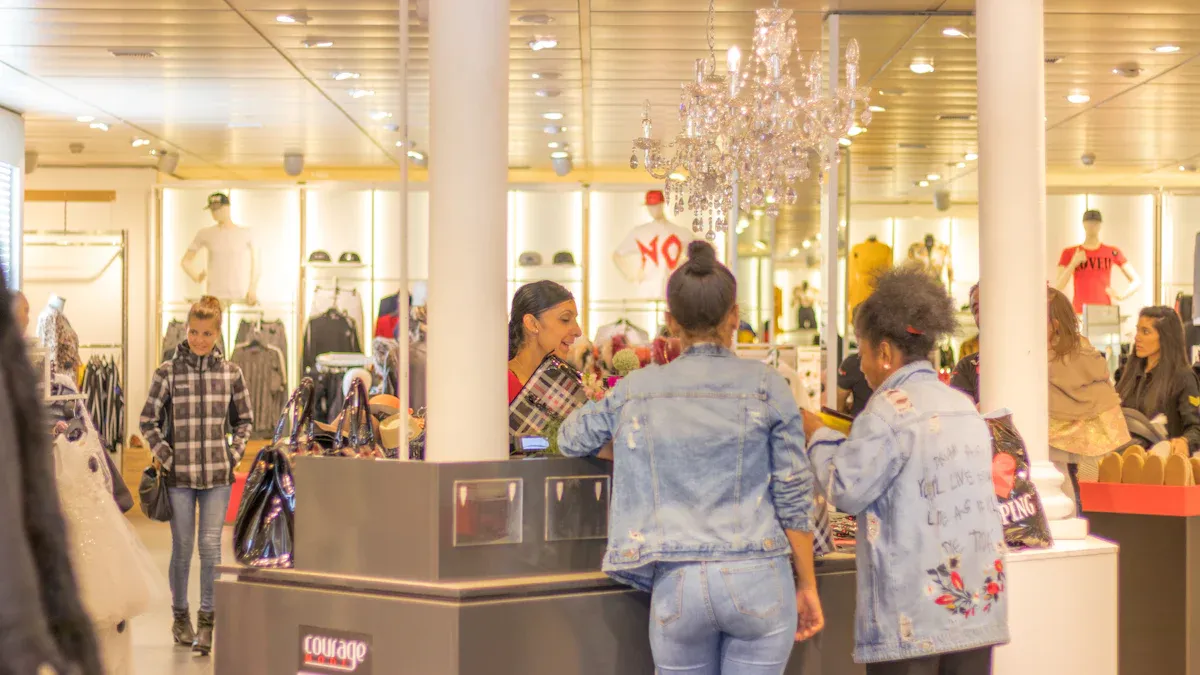
Retail media represents a powerful evolution in digital advertising. It allows brands to place ads directly on a retailer’s digital properties. This creates a direct path to consumers who are actively in a shopping mindset. The entire system functions as a cohesive retail media ecosystem.
Defining Retail Media and Its Core Components
At its heart, retail media connects brands with shoppers on a retailer’s platform. This environment is built upon several key players working together.
- Retailers: These are the platform owners, from e-commerce giants to local grocery stores. They monetize their customer traffic and data.
- Brands: These companies pay to advertise products on the retailer’s network. Their goal is to increase visibility and drive sales.
- Customers: These are the shoppers interacting with the retailer’s website or app. Their behavior provides the valuable data for ad targeting.
- Technology Providers: These are the adtech firms that supply the software for managing ad campaigns, bidding, and audience segmentation.
The Role of First-Party Data
First-party data is the engine of retail media. Retailers collect this information directly from their customers’ shopping activities, including purchase history, search queries, and browsing behavior. This unique data allows for unparalleled targeting and personalization. Brands can use it to reach specific audience segments with highly relevant messages, moving beyond broad demographic targeting to focus on actual purchase intent. This level of personalization makes advertising more effective.
On-Site vs. Off-Site Advertising
Retail media campaigns can run in two primary environments.
- On-site advertising refers to ads placed directly on a retailer’s website or app. These ads appear on homepages, search results, and product pages.
- Off-site advertising uses the retailer’s first-party data to target shoppers on external digital channels, such as social media or other websites. This extends a campaign’s reach beyond the retailer’s own digital properties.
Common Types of Retail Media Ads
Brands have a growing number of formats to choose from when building their retail media ads. The most common types provide different ways to engage shoppers.
Sponsored Products
These are native ad placements that appear within search results or on category pages. They look like organic product listings but are labeled “Sponsored.” They are highly effective because they reach shoppers actively searching for specific items.
Display Banners
These are visual, graphic-based retail media ads. They are often placed on high-traffic areas like the homepage, category pages, or at checkout. They are excellent for building brand awareness and promoting special offers.
Video Ads
Video ads offer a dynamic way to tell a brand’s story. They can appear on product detail pages, on homepages, or even as part of a search result. This format captures attention and can demonstrate a product’s use and benefits effectively.
In-Store Digital Displays
The influence of retail media extends into the physical store. Digital screens at checkout, on endcaps, or on shelves can display targeted promotions, bridging the gap between online and offline shopping experiences.
Beyond the Basics: Many networks offer more advanced ad formats. These can include:
- Offsite Ads Using Retailer’s Data: Extending reach to other digital channels.
- Email Sponsorships: Placing branded content directly into retailer newsletters.
- Social Media Co-Op Buys: Brands and retailers partnering on social campaigns.
- Video Ads on Retailer Platforms: Engaging video content on websites and apps.
- Unique Retailer Offerings: Innovative formats like shoppable content or augmented reality experiences.
Why a Retail Media Strategy is Essential for Brands
A well-executed retail media strategy is no longer optional; it is a fundamental component of modern marketing. The benefits of retail media extend far beyond simple advertising. Brands gain a direct line to consumers, access unparalleled data, and achieve measurable growth. This approach transforms how companies connect with customers in the digital marketplace.
Reach High-Intent Shoppers at the Point of Sale
One of the primary benefits of retail media is its ability to connect with customers who are actively looking to make a purchase. This proximity to the point of sale is a significant advantage over other digital channels.
Tapping into the Digital Shelf
Retail media places your products directly on the “digital shelf” where customers are making decisions. Sponsored product ads appear seamlessly within search results when shoppers are actively looking for an item. This placement feels like a natural part of the online shopping experience. Your brand captures attention at the most critical moment, turning browsing interest into a concrete sale.
Influencing Final Purchase Decisions
You can effectively influence final purchase decisions with targeted promotions. Retail media allows you to present your product as the ideal solution just as a customer is comparing options. This capability is crucial for driving conversions and capturing market share from competitors. It completes a full-funnel strategy by engaging shoppers when they are ready to buy.
Access Valuable First-Party Data
Retail media networks provide access to a retailer’s most valuable asset: its first-party customer data. This information offers a powerful competitive edge.
Understanding Shopper Behavior
First-party data delivers deep insights into consumer preferences and habits. You can analyze purchase history, search queries, and browsing activity to understand what drives buying decisions. These unique insights help you tailor content and messaging for maximum impact. For example, Chobani successfully launched a new yogurt by using Target’s audience segments, reaching low-sugar purchasers and achieving high conversions.
Bypassing Third-Party Cookie Depreciation
The digital advertising world is moving away from third-party cookies. Retail media offers a sustainable solution. It relies on consented, first-party information collected directly by the retailer. This allows you to deliver personalized ads while respecting consumer privacy, future-proofing your advertising efforts across various digital channels.
Drive Measurable Sales Growth
Ultimately, the goal of any advertising spend is to generate revenue. The benefits of retail media include clear, trackable performance and a direct impact on your bottom line.
Success in Numbers: Brands see tangible results from retail media. For instance, wine company Concha y Toro achieved a 10.3x Return on Ad Spend (ROAS) with its campaigns, while jewelry brand Cate & Chloe saw a 41% year-over-year sales increase.
Closing the Loop on Attribution
Retail media provides closed-loop attribution. This means you can directly connect your ad spend to the sales it generates on the platform. This clear measurement helps you understand campaign effectiveness and calculate precise metrics like ROAS. You can optimize your budget with confidence, knowing exactly what works.
Boosting Both Online and In-Store Sales
The impact of retail media is not limited to online transactions. Campaigns on digital platforms often lift in-store sales as well. Loyalty program data and real-time shelf activity can even inform in-store campaigns. This omnichannel effect boosts your brand’s presence and drives revenue growth across all points of purchase.
How to Build Your Retail Media Strategy in 5 Steps
Developing a successful retail media strategy is a methodical process. It moves from high-level goals to the specific details of campaign execution. By following a structured plan, brands can navigate the complexities of various retail media networks and maximize their return on investment. This five-step framework provides a clear path to building a robust and effective plan.
Step 1: Set Clear Objectives
The first step in any successful plan is to define what you want to achieve. Vague goals lead to wasted resources. Clear objectives provide direction for your campaigns and a benchmark for measuring success. Your goals will shape every subsequent decision in your strategy.
Define Your Primary Goals
Before launching any campaign, you must identify your primary objectives. Are you trying to boost sales for a flagship product, or is your focus on introducing a new item to the market? Your goals will dictate your approach. Common objectives for retail media campaigns include:
- Increase Brand Awareness: Make more people recognize and recall your brand. This is crucial for new brands or products entering a competitive space.
- Launch a New Product: Generate excitement and initial sales for a new offering. This often involves educational content and creating early demand.
- Generate Additional Sales: Drive revenue growth for existing products. This is a common goal focused on maximizing profitability.
- Enhance Brand Reputation: Highlight positive reviews and customer testimonials to build trust and credibility with shoppers.
- Reach New Markets: Expand your customer base by targeting new demographics or geographic locations.
Establish Key Performance Indicators (KPIs)
Once your goals are set, you need to establish Key Performance Indicators (KPIs) to measure progress. KPIs are the specific, quantifiable metrics that tell you if your strategy is working. Aligning your KPIs with your primary goals is essential for effective performance tracking.
Tip: Choose KPIs that directly reflect your objectives. If your goal is to increase sales, your primary KPI should be Return on Ad Spend (ROAS) or total attributed sales. If your goal is brand awareness, focus on metrics like impressions and reach.
Common KPIs for retail media include:
- Sales Metrics: Return on Ad Spend (ROAS), Total Sales, Units Sold.
- Engagement Metrics: Click-Through Rate (CTR), Conversion Rate.
- Audience Metrics: Impressions, Reach, New-to-Brand Customers.
- Cost Metrics: Cost-Per-Click (CPC), Cost-Per-Thousand Impressions (CPM).
Step 2: Define Your Target Audience
Retail media’s greatest strength is its access to rich first-party data. This information allows for precise audience targeting, moving beyond the broad strokes of traditional advertising. Understanding and defining your audience is critical for creating relevant and impactful campaigns.
Use Retailer Data for Segmentation
Retail media networks provide powerful tools for audience segmentation. You can group customers based on their actual shopping behaviors, not just their demographics. This level of personalization ensures your ads reach the most receptive shoppers. Key segmentation methods include:
- Purchase History: Target users who have previously bought your product, a competitor’s product, or items in a related category.
- Browsing Behavior: Reach shoppers who have recently viewed your product detail page but did not make a purchase.
- Search Activity: Connect with consumers who are actively searching for keywords related to your products.
- Demographics: Use age, location, and other demographic data to refine your targeting.
This granular approach allows you to tailor messages. For example, you can create a campaign to encourage repeat purchases from loyal customers while running a separate campaign to introduce your brand to new shoppers.
Create Customer Personas
With segmented data, you can build detailed customer personas. A persona is a semi-fictional representation of your ideal customer based on data and market research. Creating personas helps humanize your audience and guides your creative strategy.
A persona might look like this:
- Name: “Health-Conscious Hannah”
- Demographics: Female, 30-45, lives in a suburban area.
- Shopping Behavior: Frequently buys organic produce, gluten-free snacks, and plant-based proteins. Searches for terms like “low sugar” and “natural ingredients.”
- Goals: Wants to provide healthy, convenient meals for her family.
- Pain Points: Finds it difficult to find snacks that are both healthy and appealing to children.
With this persona, a food brand can create ad copy and visuals that speak directly to Hannah’s needs, increasing the likelihood of engagement and conversion.
Step 3: Select the Right Retail Media Networks
The landscape of retail media networks is vast and growing. Not every network is the right fit for every brand. Choosing the right partners is a crucial step that impacts your budget, reach, and overall success. A thoughtful evaluation is necessary to align your brand with the most suitable platforms.
Evaluate Retailer Audience and Reach
The first criterion for selecting retail media networks is their audience. Does the retailer’s typical customer align with your target audience? A brand selling high-end electronics might prioritize Best Buy Ads, while a CPG brand would likely focus on networks like Kroger Precision Marketing or Walmart Connect. Analyze the demographics, shopping habits, and geographic concentration of each network’s user base to ensure a good match.
Compare Ad Formats and Capabilities
Different retail media networks offer different ad formats and technological capabilities. Some may excel at sponsored products, while others provide sophisticated video or display advertising options. It is important to compare these features against your campaign goals.
Consider the following table comparing two major players:
| Feature | Amazon Ads | Walmart Connect |
|---|---|---|
| Primary Audience | Global, diverse demographics | Primarily US-based, strong in grocery |
| Key Ad Formats | Sponsored Products, Brands, Display, Video | Sponsored Products, Display, In-store Ads |
| Targeting | Advanced keyword, product, and audience targeting | Strong behavioral and purchase history targeting |
| Best For | Brands seeking broad reach and advanced features | Brands focused on US grocery and household goods |
Evaluate whether a network’s ad placements are contextually relevant and positioned to capture shopper attention effectively. This is a key part of many digital marketing strategies.
Consider Platform Costs and Bidding Models
Finally, analyze the cost structure and bidding models of each platform. Most retail media networks operate on an auction-based model, where advertisers bid for placements. Common models include:
- Cost-Per-Click (CPC): You pay each time a shopper clicks on your ad.
- Cost-Per-Thousand Impressions (vCPM): You pay for every thousand times your ad is viewed.
Investigate the typical CPCs and competition levels on each network. Newer or more niche retail media networks may offer lower costs and a higher potential ROAS due to less competition. Ensure the platform provides transparent, real-time reporting to track your spend and optimize campaigns efficiently.
Step 4: Allocate Your Budget
Effective budget allocation is the engine that powers your retail media strategy. It ensures your financial resources are directed toward the networks and campaigns most likely to achieve your objectives. This step involves setting a total budget and then strategically distributing it for maximum impact.
Determine Your Overall Spend
Your overall spend is the total amount you are willing to invest in retail media over a specific period. This decision should not be arbitrary. It should be a calculated choice based on your business goals and market position. Consider starting with a percentage of your total marketing budget or a fraction of your projected revenue from e-commerce channels. New brands may need to invest more heavily upfront to gain traction, while established brands might allocate funds to defend market share or support new product launches.
Note: Your budget is not set in stone. Plan to review and adjust it quarterly or even monthly. This flexibility allows you to react to performance data and market changes, reallocating funds from underperforming campaigns to those delivering a higher return.
Allocate Funds Across Networks and Campaigns
Once you have a total budget, the next challenge is deciding where to spend it. A common mistake is spreading funds too thinly across too many platforms. A more effective approach involves prioritizing networks and campaigns based on your specific goals.
According to Erik O’Granning at Accenture, marketers should align their budget with product distribution. Your ad spend on a particular retailer should support the product assortment available there. Max Schneider of beBOLD Digital recommends a full-funnel approach, prioritizing budgets from the bottom up to secure conversions before competitors can. This means funding lower-funnel e-commerce ads first, then mid-funnel search, and finally top-funnel social ads for awareness.
To build a resilient budget allocation model, consider these professional tactics:
- Invest in the Full Funnel: While lower-funnel ads show immediate returns, you must allocate funds to mid and upper-funnel activities. These efforts build your audience for the long term, even if initial returns seem weaker.
- Prioritize Incremental Growth: Focus your budget on search terms and audiences that add new value. Avoid overspending where your brand already has strong organic visibility. Analyze which keywords genuinely drive incremental sales.
- Reserve a Test-and-Learn Budget: Set aside 5-10% of your total budget for experimentation. Use these funds to test new ad formats, audiences, or bidding strategies on a retail media platform. This practice fosters innovation without requiring new funding requests.
- Understand Your Category: Your budget split should reflect shopper behavior in your category. If most searches are generic, invest more in awareness. If searches are heavily branded, focus on capturing that existing demand.
Step 5: Create and Tailor Ad Content
With a clear budget and target audience, your focus now shifts to the creative elements. The content of your ads and product pages is what ultimately persuades a shopper to click and convert. High-quality, relevant content is non-negotiable for success in the competitive retail media landscape.
Optimize Product Detail Pages
Every sponsored ad click leads a shopper to a Product Detail Page (PDP). If this page is unconvincing, your ad spend is wasted. Before launching any campaigns, ensure your PDPs are fully optimized for conversion. A strong PDP acts as your 24/7 digital salesperson.
Key elements for an optimized PDP include:
- High-Resolution Visuals: Use multiple high-quality images and videos showing the product from different angles and in use.
- Descriptive Titles: Create clear, keyword-rich titles that state exactly what the product is.
- Benefit-Oriented Bullet Points: Use bullet points to quickly communicate the top 3-5 benefits and features.
- Detailed Product Descriptions: Tell a story about your product. Explain how it solves a problem or improves the shopper’s life.
- Customer Reviews and Ratings: Social proof is powerful. Encourage and display customer reviews to build trust.
Design Compelling Ad Creatives
Your ad creative is your first chance to capture a shopper’s attention. It must be visually appealing, contextually relevant, and aligned with your brand identity. Success requires moving beyond static, one-size-fits-all branding and embracing dynamic, data-driven creative as part of your digital marketing strategies.
Leverage retailer data to test and optimize your visuals and messaging continuously. A/B testing different headlines, images, or calls to action can reveal what resonates most with your audience.
Furthermore, you must adapt your creative to the unique specifications and audience of each retail media network. What works on Amazon may not perform as well on Target.
| Retail Media Network | Primary Video Formats | Creative Best Practice |
|---|---|---|
| Amazon Ads | Sponsored Brands video, DSP | Use short, intent-driven creative tied to search queries. |
| Walmart Connect | E-commerce listings, in-store screens | Connect digital messaging to the in-store experience. |
| Target Roundel | Target.com, app placements | Incorporate familiar brand elements and loyalty-focused offers. |
| Instacart Ads | In-app video, shoppable ads | Show products in real-life use cases, like recipe content. |
By tailoring your content, you ensure that your message not only reaches the right person but also speaks to them in the right context, dramatically increasing your chances of conversion.
Exploring the Top Retail Media Networks
The retail media landscape is a diverse collection of advertising platforms. Each platform offers unique strengths and access to specific customer segments. Selecting the right partners is fundamental to a successful strategy. The global retail media business is a $140 billion industry, with numerous retail media networks competing for ad spend.
E-commerce Giants
These massive platforms offer unparalleled scale and sophisticated advertising tools. They represent the largest share of the market.
Amazon Ads
Amazon is the undisputed leader in the retail media space. Its vast marketplace provides access to a global customer base with high purchase intent. The platform offers a mature suite of ad products, from sponsored search to advanced video and display options across its digital properties.
Walmart Connect
Walmart Connect is the primary challenger to Amazon, particularly in the United States. It leverages its massive physical store footprint and strong grocery business to offer powerful omnichannel advertising solutions. Together, Amazon and Walmart command 85% of the spend, making them essential retail media networks for many brands.
| Retail Media Network | 2024 Ad Revenue |
|---|---|
| Amazon Ads | $56.2 billion |
| Walmart Connect | $4.4 billion |
Grocery and CPG-Focused Networks
These retail media networks provide deep insights into consumer packaged goods (CPG) purchasing habits. They are invaluable for food, beverage, and household brands.
Kroger Precision Marketing
Kroger Precision Marketing (KPM) utilizes loyalty card data from millions of households. This provides granular insights into shopping behavior. Its expanded partnership with Instacart allows brands to deliver data-driven messaging at the point of purchase across digital channels.
Instacart Ads
Instacart operates as a unique marketplace connecting customers with numerous grocery retailers. This gives brands a way to reach shoppers across different stores through a single campaign.
Instacart offers several innovative ad formats. Brands can use shoppable video ads on platforms like Roku, allowing viewers to purchase products directly. Its advertising platform also features sponsored products, coupons, and high-impact hero banners.
Specialty and Big-Box Retailers
Specialty retail media networks offer access to a highly targeted and engaged audience. These platforms are ideal for brands looking to connect with consumers during specific shopping missions.
Target’s Roundel
Target’s Roundel focuses on its loyal guest base. It provides a brand-safe environment and leverages first-party data to reach shoppers across Target’s digital channels and other external sites.
The Home Depot’s Retail Media+
The Home Depot’s network is built for brands targeting customers involved in home improvement projects. It allows for precise targeting of DIY enthusiasts and professionals. This specialized approach is valuable even for non-endemic brands like State Farm, which can align with the homeowner audience.
Best Buy Ads
Best Buy Ads connects brands with tech-focused consumers. It is the premier destination for consumer electronics companies seeking to influence purchase decisions for high-consideration items. These niche retail media networks are a growing part of the ecosystem.
Key Metrics to Measure Your Retail Media Success
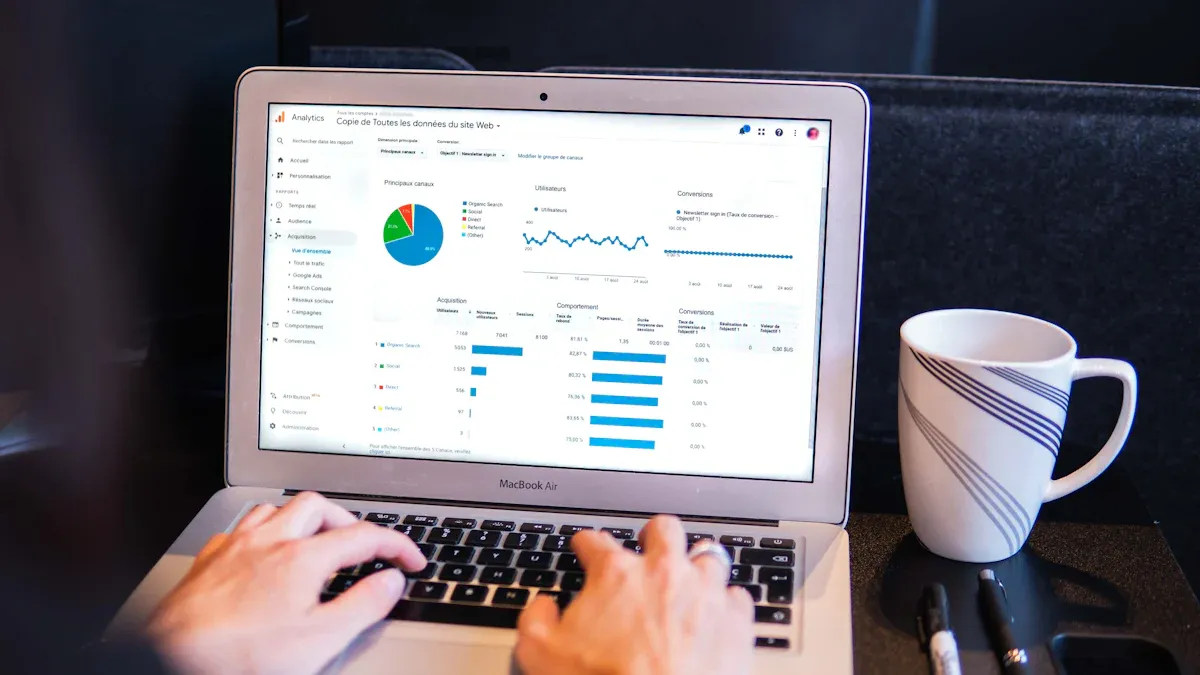
Tracking the right metrics is essential to understand campaign performance and justify your investment. Success in retail media is not defined by a single number. It requires a balanced view of core performance, sales impact, and brand health. These metrics provide the insights needed to optimize your strategy.
Core Performance Metrics
These metrics evaluate the immediate efficiency of your ad campaigns. They are the foundational numbers for day-to-day optimization.
Return on Ad Spend (ROAS)
ROAS measures the gross revenue generated for every dollar spent on advertising. It is a primary indicator of profitability. A common benchmark is a 4:1 ROAS, but this varies. High-value items can achieve a ROAS of 10 or more, while lower-priced goods yield more modest figures.
Advertising Cost of Sales (ACoS)
ACoS is the inverse of ROAS, expressed as a percentage. It shows your ad spend as a percentage of revenue. This metric is prominent on platforms like Amazon and helps you understand how much you are spending to generate a sale.
Click-Through Rate (CTR)
CTR measures the percentage of shoppers who click your ad after seeing it. It is a key indicator of ad relevance and creative effectiveness. While average CTR for online display ads is around 0.51%, this can change based on the campaign. Recent data shows CTR in retail media improved 15% quarter-over-quarter in early 2025.
Sales and Revenue Metrics
These metrics connect your advertising efforts directly to sales outcomes. They provide crucial insights into business growth.
Total Sales and Attributed Sales
Attributed sales are the sales directly credited to an ad within a specific timeframe, usually 7 to 21 days. It is important to understand how each platform calculates this.
“Advertisers need to recognize that the metrics that they’re seeing, just because they’re labeled as ROAS, doesn’t mean that they’re all the same ROAS,” says one industry expert. “There are different assumptions that go into the construction of any given metric, depending on the platform.”
Factors like attribution windows and household-level tracking can shift ROAS figures by an average of 35 percent or more.
Average Order Value (AOV)
AOV tracks the average dollar amount spent each time a customer places an order. Increasing AOV is a key goal. You can use retail media to bundle products or upsell premium items, boosting the value of each transaction.
New-to-Brand Customers
This metric measures the number of purchasers who have not bought from your brand before. Acquiring new customers is vital for long-term growth. Effective strategies include:
- Engage lookalike audiences: Target new shoppers who share characteristics with your best existing customers.
- Use contextual targeting: Reach ready-to-buy individuals by placing ads alongside relevant online content and keywords.
- Target in-market shoppers: Identify consumers actively researching products in your category to inspire their first purchase.
Brand Impact Metrics
These metrics measure the long-term effect of your campaigns on brand perception and awareness.
Share of Voice (SOV)
SOV measures your brand’s visibility compared to competitors on the digital shelf. It is the percentage of ad space your brand occupies for specific keywords or categories. You can calculate it with a simple formula:
Share of Voice = Your Brand’s Impressions / Total Market Impressions x 100
A higher SOV indicates greater brand dominance in search results. These insights help refine competitive strategy.
Branded Search Volume
This metric tracks how often shoppers search for your specific brand name or products. An increase in branded search volume is a strong signal that your brand awareness campaigns are effective and your brand equity is growing.
Common Challenges and How to Overcome Them
While retail media offers immense potential, it is not without its complexities. Brands often face challenges related to fragmentation, budget management, and performance measurement. A proactive approach is necessary to navigate these hurdles and maximize the return on your retail media investments.
Navigating a Fragmented Landscape
The rapid growth of retail media has created a fragmented landscape. Each retailer operates its own platform, leading to a patchwork of walled gardens for advertisers. This fragmentation creates significant operational overhead and makes it difficult to manage campaigns holistically. As noted by industry leaders like Jaclyn Nix of CitrusAd and Nich Weinheimer of Skai, this lack of standardization is a primary gap hindering growth.
Standardizing Reporting Across Networks
A major difficulty is the absence of standardized metrics. Different retail media networks often use proprietary measurements and define basic metrics differently. This inconsistency makes it nearly impossible for brands to compare performance and optimize campaigns effectively across platforms. Lori Johnshoy at LiveRamp points out that varying data formats make it hard for brands to get a clear picture of their total return on spend.
Using Third-Party Management Tools like Pacvue or Skai
To combat fragmentation, many brands turn to third-party management tools. Platforms like Pacvue and Skai offer a centralized dashboard for managing campaigns across multiple retail media networks. This consolidation allows for unified campaign management, optimization, and reporting. For example, Pacvue has collaborated with retailers like Tesco to develop custom reporting metrics that are standardized within its platform, enabling cross-retailer comparability. These tools bring consistency to a chaotic environment, helping teams manage retail media ads more efficiently.
Managing Budgets and Bidding
Effective budget and bid management is critical for avoiding wasted ad spend and maximizing ROI. With auction-based pricing models, costs can quickly escalate without careful oversight. The goal is to ensure your budget is allocated to the most valuable prospects at the right time.
Avoiding Wasted Ad Spend
To prevent wasted spend, brands must regularly audit their media efficiency. This involves analyzing each platform for spend versus attributed sales, CPC trends, and conversion rates.
A key tactic is to cut low-performing ad placements and shift budget toward high-converting products or search terms. This data-driven approach ensures your resources are focused on activities that generate tangible results.
Implementing Automated Bidding Strategies
Most retail media networks offer automated bidding tools that use machine learning to adjust bids in real time. These systems respond to performance signals, optimizing for goals like a target ROAS or maximum CPC.
- Leverage AI-powered bidding to optimize spend across keywords and audience segments.
- Regularly monitor campaign performance to identify opportunities for bid adjustments.
- Test different bidding strategies to find the best approach for your specific objectives.
- Consider factors like seasonality and promotions when adjusting bids and budgets.
This approach to digital marketing strategies helps ensure your budget is working as hard as possible across all retail media networks.
Proving Incrementality
One of the most significant challenges is proving incrementality—that is, demonstrating that your ad spend generated sales that would not have occurred otherwise. Attributed sales are useful, but they do not always tell the full story.
Isolating Ad Impact from Organic Sales
The core of proving incrementality is separating the impact of your ads from organic sales. A customer who was already going to buy your product might click an ad, but that sale is not truly incremental. The goal is to measure the “lift” your campaigns provide above a baseline of organic performance. This is essential for justifying spend on various retail media networks.
Running A/B Tests and Lift Studies
The most reliable way to measure incrementality is through controlled experiments. These tests create matched groups to compare outcomes.
- A/B Testing: This method compares the conversion rate of a test group exposed to an ad against a control group that is not. The difference reveals the incremental lift. For example, a simple test changing button text from “Add to Bag” to “Add to Cart” resulted in a significant increase in purchases.
- Lift Studies: Retail media networks often offer lift studies that use methodologies like geo-based holdouts or audience-based control groups. These formal experiments provide robust data on the true impact of your campaigns on the overall retail media landscape.
An effective retail media strategy is crucial for modern brands. It connects you with shoppers and drives direct sales. Success depends on clear goals, the right retail partners, and consistent performance measurement. Leveraging retailer data allows you to reach customers at the most critical moment in their shopping journey. Start with a focused approach. Test your campaigns. Refine your strategy using data-driven insights. These insights will guide your shopping campaigns toward greater success.
FAQ
What is retail media?
What is retail media?
Retail media is a form of digital advertising. Brands place ads directly on a retailer’s website, app, or other platforms. This approach uses the retailer’s customer data to target shoppers who are ready to buy, influencing decisions at the point of purchase.
Why is first-party data so important?
Why is first-party data so important?
First-party data is information a retailer collects directly from its shoppers. It includes purchase history and search behavior. This data allows for precise ad targeting, ensuring your message reaches the most relevant customers and improves campaign effectiveness.
What is the difference between ROAS and ACoS?
What is the difference between ROAS and ACoS?
Both metrics measure campaign profitability.
- ROAS (Return on Ad Spend) shows the revenue earned for each dollar spent. A higher ROAS is better.
- ACoS (Advertising Cost of Sales) shows ad spend as a percentage of revenue. A lower ACoS is better.
Who are the largest retail media networks?
Who are the largest retail media networks?
The retail media market is led by e-commerce giants. Amazon Ads is the largest global player. Walmart Connect is its primary competitor, especially within the United States. Together, they represent a significant majority of the industry’s ad spend.
Can small brands benefit from retail media?
Can small brands benefit from retail media?
Yes. Retail media offers scalable solutions for businesses of all sizes. Smaller brands can start with a focused budget on a single network. This allows them to reach high-intent shoppers efficiently and compete directly on the digital shelf.
What is incrementality in advertising?
What is incrementality in advertising?
Incrementality measures the sales generated by your ads that would not have happened otherwise. It helps prove the true value of your ad spend by separating ad-driven sales from organic purchases. This is often measured using A/B tests or lift studies.
How do I start building a retail media strategy?
How do I start building a retail media strategy?
Begin by setting clear objectives, such as increasing sales or brand awareness. Next, define your target audience using retailer data. Then, select the right retail media networks that align with your goals and allocate a budget before creating your ad content.