

When you encounter digital price tags in Esl Retail, you instantly notice the difference in customer experience. These Electronic Shelf Labels, connected through ESL Gateway AP, ensure pricing accuracy and reduce confusion. You can rely on consistent information, which builds customer trust and loyalty. With instant updates from each ESL Price Tag, you enjoy a good customer experience and fewer surprises at checkout. Digital price tags improve customer loyalty because they improve customer experience and make every interaction feel seamless.
Traditional Price Tags and Their Impact on Customer Loyalty
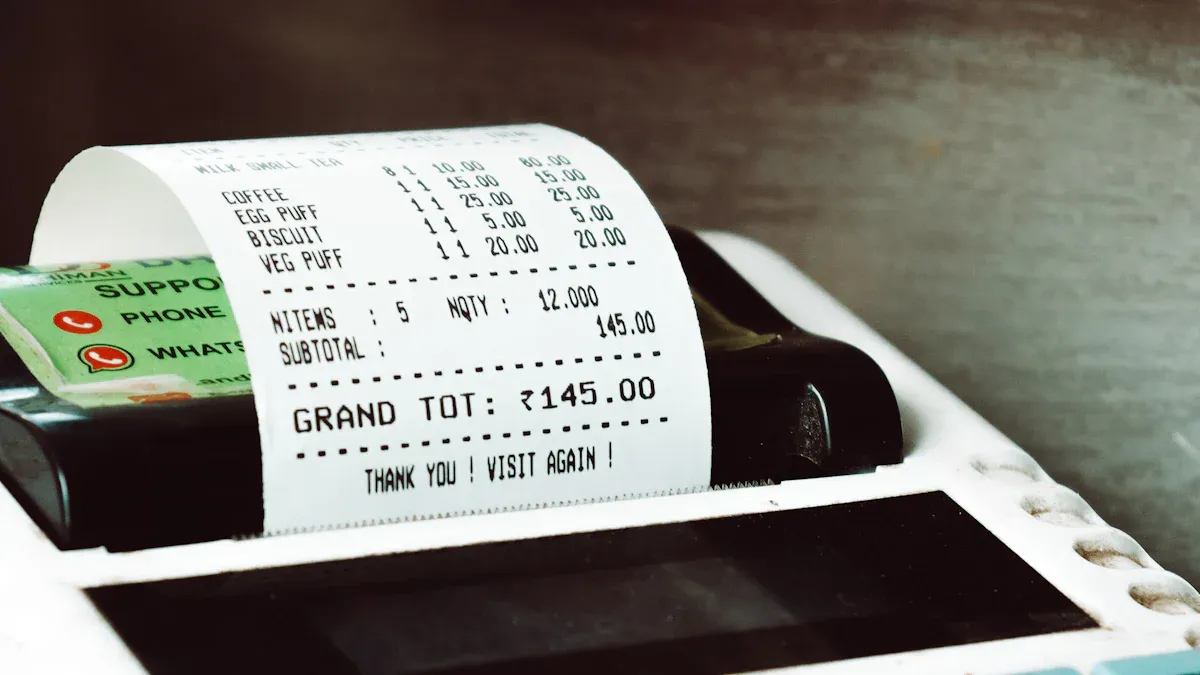
Pricing Errors That Undermine Trust
Mismatched Shelf and Register Prices
You often encounter mismatched prices between the shelf and the register in retail stores. This issue arises when staff update price lists manually or use outdated communication channels. When you see one price on the shelf but get charged another at checkout, your trust in the store drops. Retailers must identify the source of these pricing errors by reviewing data entry, price lists, and customer feedback. If you experience a pricing error, you expect the store to communicate corrections promptly and offer compensation, such as refunds or discounts, to restore your loyalty.
Outdated Promotions and Discounts
Traditional price tags, like stickers or stamps, can easily become outdated. When promotions end or discounts change, staff may not update the tags quickly. This delay leads to confusion and disappointment when you expect a deal that no longer exists. The cost and effort of tagging each item, combined with the risk of misplacement, make it difficult for retail staff to keep up. Neuroscientific research shows that visible high prices can trigger negative reactions, making accurate and timely pricing updates essential for customer satisfaction.
How Manual Processes Affect Customer Experience
Price Disputes at Checkout
Manual pricing processes often result in price disputes at checkout. You might find yourself arguing with staff about the correct price, especially if the shelf label does not match the register. These disputes waste your time and create frustration. Retailers who rely on manual methods struggle to align their pricing with market expectations, which can harm your perception of fairness and value.
Perceived Lack of Transparency
When you shop in a retail environment that uses manual pricing, you may feel uncertain about whether you are getting the best deal. Manual processes make it hard for stores to monitor competitor prices or adjust to market changes in real time. This lack of transparency can erode your confidence in the store’s pricing strategy and reduce your overall satisfaction as a customer.
- Manual pricing processes create operational inefficiencies and decision-making bottlenecks.
- These methods introduce human error and inconsistent pricing strategies, leading to misalignments.
- Delays and inconsistent execution frustrate price-sensitive customers who expect competitive and fair pricing.
Operational Inefficiencies and Their Effect on Loyalty
Manual Updates and Human Error
Manual price updates require significant time and effort from retail staff. Errors can occur during data entry or when updating shelf labels. These mistakes lead to inconsistent pricing across different channels, causing confusion and reducing your trust in the brand.
Time-Consuming Processes
Traditional price tag management slows down operations and prevents stores from responding quickly to market changes. You may notice that prices do not reflect current promotions or inventory levels. This operational lag can make your shopping experience less enjoyable and discourage repeat visits.
| Operational Inefficiency | Description | Impact on Customer Loyalty |
|---|---|---|
| Price Consistency Issues | Maintaining consistent prices across channels is challenging with manual tags. | Causes confusion and loss of trust, negatively affecting loyalty. |
| Difficulty in Dynamic Pricing | Handling dynamic pricing is tough without advanced analytics. | Leads to pricing inconsistencies, reducing satisfaction and retention. |
| Operational Complexity | Manual management increases errors and delays in price updates. | Poor experience due to errors diminishes brand trust and loyalty. |
Note: Poor customer experience from operational inefficiencies can significantly harm loyalty. A 2024 study found that bad service risks trillions in lost sales, with over half of customers reducing spending after a negative experience.
Key Features of Digital Price Tags That Improve Customer Loyalty

Real-Time Price Updates for Trust and Accuracy
Instant Synchronization with POS Systems
You expect accurate pricing every time you shop. Electronic shelf labels deliver instant synchronization with POS systems, so the price you see on the shelf always matches the price at checkout. This real-time connection eliminates confusion and prevents disputes. When you visit a retail store using digital price tags, you benefit from wireless updates that keep every digital label current. This seamless process reduces human error and ensures you never face mismatched prices.
Automatic Promotion Adjustments
Digital price tags allow you to see upcoming promotions and discounts as soon as they go live. Retailers can update electronic shelf labels remotely, so you always have access to the latest deals. This feature supports dynamic pricing, letting stores respond quickly to market trends and competitor actions. You enjoy a transparent shopping experience, knowing that every promotion is accurate and timely. This level of transparency builds trust and encourages you to return.
Tip: Real-time updates from digital labels mean you never miss out on a deal or pay more than expected.
Integration with Inventory and Dynamic Pricing
Accurate Stock and Price Information
You want to know if a product is available before you decide to buy. Digital price tags integrate with inventory systems, providing real-time stock alerts and accurate pricing information. When you check a digital label, you see up-to-date details about both price and availability. This integration helps you make informed decisions and reduces the frustration of finding empty shelves.
Dynamic Pricing Capabilities
Modern pricing tools like electronic shelf labels support dynamic pricing strategies. Retailers can adjust prices instantly based on demand, inventory levels, or competitor pricing. You benefit from timely promotions and personalized offers that reflect current market conditions. This flexibility ensures you always receive fair and competitive pricing, which strengthens your loyalty to the store.
Error Reduction and Consistency Across Channels
Elimination of Manual Labeling
Manual labeling often leads to mistakes and inconsistencies. Digital price tags automate the entire process, removing the risk of human error. You experience fewer pricing errors, which means less confusion and a smoother shopping journey. Retailers also save time and resources, allowing staff to focus on customer service instead of updating paper tags.
Consistent Pricing In-Store and Online
You expect the same pricing whether you shop in-store or online. Electronic shelf labels ensure consistency across all channels by synchronizing prices in real time. This approach eliminates discrepancies and builds your confidence in the store’s pricing solutions. When you see the same price everywhere, you trust the brand and feel more comfortable making repeat purchases.
- Digital price tags and digital labels provide a foundation for reliable, transparent, and customer-focused retail technology.
- These pricing solutions support operational efficiency and enhance your overall experience.
| Feature | Benefit to You |
|---|---|
| Real-time price updates | Accurate, up-to-date pricing |
| Inventory integration | Reliable stock and price information |
| Automated promotions | Instant access to new deals |
| Consistent pricing across channels | Trustworthy and seamless experience |
How Digital Price Tags Improve Customer Experience and Loyalty
Enhanced Pricing Transparency
Clear, Up-to-Date Information
You want to trust the prices you see in a store. Digital price tags give you clear, real-time information every time you shop. When you look at digital labels, you see the most current pricing, which helps you make confident decisions. Research from Harvard Business Review and the University of California, Berkeley shows that transparent pricing increases your likelihood to recommend a brand and boosts your satisfaction. Brands that share clear pricing information see a 70% increase in customer recommendations. Millennials, in particular, value transparency, with 94% preferring brands that prioritize it. Digital price tags make this possible by displaying accurate, up-to-date prices and eliminating confusion.
Retailers such as Monoprix and Walmart have adopted electronic shelf labels to ensure pricing accuracy. These digital labels synchronize with store databases, so the price you see on the shelf always matches the price at checkout. This real-time connection reduces errors and builds your trust in the store.
Fewer Surprises at Checkout
You expect a good customer experience when you shop. Digital price tags help you avoid unpleasant surprises at checkout. When shelf prices match register prices, you feel more confident and satisfied. Digital labels update instantly, so you never worry about outdated promotions or incorrect pricing. This consistency improves customer experience and reduces anxiety about overpaying. Case studies from brands like Everlane and Warby Parker show that transparent pricing leads to higher satisfaction and stronger loyalty. You leave the store feeling valued and respected, which encourages you to return.
Transparent pricing reduces confusion and builds trust, making your shopping journey smoother and more enjoyable.
Seamless and Efficient Shopping Journey
Easy-to-Read Digital Displays
You want to find information quickly when you shop. Digital price tags use bright, easy-to-read displays that help you spot prices at a glance. These electronic shelf labels reduce confusion and speed up your decision-making. Studies show that 72% of consumers prefer stores with clear digital pricing, and 68% feel more confident when they see digital price displays. Digital labels also support multilingual options, making the in-store experience accessible to more customers.
Faster, More Efficient Shopping
You value your time. Digital price tags improve customer experience by making your shopping trip faster and more efficient. Real-time price synchronization ensures that the price you see is the price you pay, which reduces disputes and delays at checkout. Staff spend less time updating prices and more time helping you, which leads to better service. Stores with electronic shelf labels report fewer customer complaints and faster checkout times. You enjoy a good customer experience because you move through the store quickly and get the help you need.
- Digital price tags provide accurate, up-to-date pricing and additional product information, such as allergy warnings or specifications.
- Real-time promotions and flash sales appear instantly, encouraging you to take advantage of deals.
- Dynamic pricing lets stores respond to demand and inventory, so you always see fair prices.
| Benefit | How It Improves Your Experience |
|---|---|
| Clear digital displays | Easier to read and compare prices |
| Real-time updates | No price mismatches at checkout |
| Staff focus on service | More help and better customer support |
Interactive and Personalized Experiences
QR Codes, NFC, and Augmented Reality Integration
You want more than just a price when you shop. Digital price tags now offer interactive features like QR codes, NFC, and augmented reality. You can scan a QR code to read reviews, compare products, or access instant promotions. NFC technology lets you tap your phone to unlock personalized offers or loyalty rewards. Some stores use augmented reality to show you product demos or additional details right on your device. These features transform your shopping trip into a dynamic, engaging experience.
Electronic shelf labels enable real-time price updates and dynamic upselling through NFC and AR demos. These technologies help you discover new products and encourage you to make additional purchases. Retailers use AI and data analytics to personalize your in-store experience, merging online and offline data to improve customer loyalty and satisfaction.
Access to Detailed Product Information
You want to make informed choices. Digital labels give you instant access to detailed product information, such as ingredients, specifications, or allergy warnings. Personalized recommendations and tailored offers based on your loyalty card data make you feel valued. Studies show that customers who receive exclusive, personalized benefits are more likely to engage and return. Target’s use of digital price tags and personalized promotions led to a 20% increase in in-store sales and a 40% boost in user engagement. Personalized marketing strategies based on customer data increase spending by 30%, showing that tailored experiences improve customer loyalty.
- Digital price tags support predictive analytics, which optimize inventory and product availability.
- You benefit from a seamless, unified shopping experience across all channels.
- Interactive and personalized features turn a static store visit into a memorable, good customer experience.
Tip: Use your smartphone to scan digital labels for instant access to reviews, promotions, and loyalty rewards. This makes your shopping trip smarter and more rewarding.
Digital Price Tags as a Platform to Improve Customer Loyalty Programs
Personalized Promotions and Offers
Targeted Deals via Digital Tags
You expect personalized offers when you shop. Digital price tags make this possible by connecting with customer data and QR codes. When you scan a QR code on a digital tag, you unlock flash sales, member-exclusive deals, or dynamic pricing tailored to your shopping habits. These targeted promotions appear in real time, giving you instant access to discounts and product information right at the shelf. AI-driven personalization segments you into micro-groups, so you receive offers that match your preferences. This approach increases your participation in loyalty programs and encourages you to return for more deals.
Real-Time Loyalty Program Integration
You want a seamless experience when using loyalty rewards. Digital price tags integrate with loyalty programs, allowing you to redeem offers instantly. When you scan a QR code, you can sign up for a loyalty program, check your points, or receive personalized recommendations. Integration with mobile wallets and digital payments lets you scan, pay, and redeem promotions quickly. This process streamlines your checkout and provides valuable data for retailers to refine their marketing strategies. Consistent pricing and promotions across online and physical stores further enhance your loyalty.
Gamification and Engagement Features
Dynamic Graphics and Videos
You notice digital price tags displaying dynamic graphics and videos that catch your attention. These features make shopping more interactive and fun. You might see badges or achievement icons that recognize your milestones, motivating you to keep engaging with the brand. Point systems reward you for purchases, while spin-the-wheel or scratch card games add excitement to your visit. These gamification elements increase your engagement and make you want to return.
Interactive Promotions to Encourage Repeat Visits
You enjoy challenges and leaderboards that foster friendly competition. Digital price tags support these features, encouraging you to participate in store events or share your achievements on social media. Mystery rewards and surprise gifts create anticipation and delight, strengthening your emotional connection with the brand. The table below shows how different gamification features influence your engagement and repeat visits:
| Gamification Feature | Influence on Engagement and Repeat Visits | Measurable Outcomes |
|---|---|---|
| Point Systems | Earn points for purchases, boosting repeat transactions | Increases repeat visits |
| Badges and Achievement Icons | Visual recognition motivates continued interaction | Enhances loyalty |
| Challenges and Leaderboards | Competition encourages ongoing participation | Boosts conversion rates |
| Social Sharing Rewards | Incentivizes sharing, expanding brand reach | Increases brand awareness |
| Spin-the-Wheel/Scratch Cards | Adds excitement, making shopping more engaging | Encourages return visits |
| Mystery Rewards/Surprise Gifts | Creates anticipation and delight | Improves retention |
Data-Driven Insights for Loyalty Enhancement
Collecting Consumer Insights
You want offers that match your needs. Digital price tags collect real-time data on your shopping behavior, which helps retailers understand what you value. By tracking your interactions and purchases, retailers use analytics to tailor marketing messages and offers. Advanced analytics uncover hidden patterns and predict future trends, allowing stores to create proactive, personalized strategies that align with consumer loyalty goals.
Optimizing Marketing and Pricing Strategies
You benefit when retailers use analytics to optimize pricing and promotions. A small improvement in price can lead to a significant increase in profit margins. Digital price tags provide accurate pricing information and enable retailers to measure the ROI of their campaigns. AI-powered analytics integrate market, competitor, and customer behavior data to refine pricing and promotional tactics. This operational agility allows stores to adjust offers quickly, improving your satisfaction and loyalty. When retailers use analytics to balance market demands and internal goals, you receive better value and a more rewarding experience.
Tip: Take advantage of interactive digital price tags to access exclusive offers and participate in loyalty programs that reward your engagement.
Operational Benefits That Support Customer Loyalty
Improved Employee Focus on Service
More Time for Customer Interaction
You notice a difference when employees spend more time helping you instead of updating paper tags. Digital price tags automate the pricing process, which reduces the time staff spend on manual updates by up to 80%. This automation lets employees focus on tasks that improve your customer experience, such as answering questions, restocking shelves, and maintaining a clean store. When staff members engage with you, they become more cheerful and helpful, which creates a positive atmosphere. You benefit from better service, and your shopping experience feels more personal and efficient.
Reduced Backroom Workload
Digital price tags also reduce the workload behind the scenes. Employees no longer need to print, cut, and replace paper tags for every price change. This shift allows them to spend more time on the sales floor, where they can support you directly. Fewer pricing errors mean fewer customer complaints, which boosts your confidence in the store. As a result, you enjoy a smoother shopping journey and feel more satisfied with your retail experience.
When employees focus on you instead of repetitive tasks, your satisfaction increases, and the store’s image improves.
Dynamic Pricing Strategies to Improve Customer Loyalty
Quick Response to Market Changes
You expect prices to reflect current market trends. Digital price tags enable retailers to adjust prices instantly in response to demand, competitor actions, or inventory changes. This flexibility supports advanced pricing strategies and ensures you always see fair, competitive prices. Quick updates help retailers avoid stockouts or overstock situations, which improves your overall customer experience.
Optimized Inventory Turnover
Retailers use digital price tags to implement price optimization and dynamic pricing strategies. These tools help stores move products efficiently, reducing excess inventory and minimizing waste. You benefit from timely promotions and markdowns, which make shopping more rewarding. When stores optimize inventory turnover, you find fresh products and better deals, which encourages you to return.
Sustainability and Modernization
Reduced Paper Waste
You care about sustainability when choosing where to shop. Digital price tags eliminate paper waste and reduce printing costs, which lowers the store’s carbon footprint. Retailers that adopt eco-friendly practices attract environmentally conscious customers like you. Many consumers prefer brands that support sustainability and are willing to pay more for responsible choices.
- Digital price tags support sustainability by:
- Eliminating paper waste
- Reducing energy use from printing
- Lowering overall environmental impact
Enhanced Store Image
Sustainable marketing practices, such as using digital price tags, help build a strong brand image. When you see a retailer investing in modern, eco-friendly technology, your trust in the brand grows. A positive store image, shaped by environmental responsibility, leads to greater customer satisfaction and loyalty. Interactive features like real-time updates and QR codes also enhance your experience, making your visits more engaging and memorable.
Retailers that modernize with digital price tags show commitment to both innovation and sustainability, which strengthens your loyalty.
Comparing Digital Price Tags and Traditional Pricing for Customer Loyalty
Accuracy, Reliability, and Customer Trust
Digital vs. Manual Updates
You expect accurate pricing every time you shop. Digital labels deliver this by updating prices instantly across all shelves and registers. Manual updates, on the other hand, rely on staff to change paper tags, which often leads to delays and mistakes. When you see electronic shelf labels in a retail store, you know the price matches what you pay at checkout. This consistency builds trust and reduces confusion. Manual tags can create mismatches between shelf and register prices, which damages your confidence in the store.
Error Rates and Customer Impact
Digital price tags reduce human error. With manual processes, staff might miss a tag or enter the wrong price, leading to frequent pricing errors. These mistakes frustrate you and disrupt your customer experience. Electronic shelf labels automate updates, so you encounter fewer errors and enjoy a smoother experience. When you trust the pricing, you feel more comfortable making purchases and returning to the store.
| Pricing Method | Error Rate | Impact on Customer Experience |
|---|---|---|
| Manual Paper Tags | High | Frequent disputes, confusion |
| Digital Labels | Low | Reliable, seamless shopping |
Customer Perception and Adaptation
Trust in Technology
You may notice that digital labels signal a modern, reliable retail environment. Studies show that customers often associate electronic shelf labels with advanced technology and price accuracy, especially when the product matches the digital format. This matchup effect increases your trust in the displayed pricing and reduces skepticism, even during deep discounts or rapid price changes. However, some customers remain cautious, worrying about the potential for instant price manipulation. Your adaptation to digital price tags depends on how much you trust the information and how well the technology fits the product.
Meeting Modern Retail Expectations
Retailers today must meet your expectations for a seamless customer experience. Digital price tags help stores deliver consistent pricing across all channels, which you value. When you see the same price online and in-store, your confidence in the brand grows. Digital labels also support quick updates for promotions, so you never miss a deal. As retail evolves, you expect technology to enhance your shopping experience and make pricing transparent and fair.
Note: The symbolic meaning of digital labels can influence your perception. When the technology aligns with the product, you feel more confident in the pricing information.
Long-Term Loyalty Outcomes
Retention Rates
You are more likely to return to stores that provide a reliable customer experience. Digital price tags reduce pricing errors and disputes, which encourages you to shop again. Consistent, accurate pricing builds loyalty over time. Retailers that invest in electronic shelf labels see higher retention rates because you trust their pricing and appreciate the seamless experience.
Lifetime Customer Value
When you trust a retailer’s pricing and enjoy a positive experience, you tend to spend more over your lifetime. Digital labels support this by ensuring every interaction feels fair and transparent. As you adapt to new technology, your loyalty grows, and you become a valuable customer for the store. Retailers benefit from increased customer loyalty, which leads to higher lifetime customer value and long-term success.
Real-World Success Stories: Improving Customer Loyalty with Digital Price Tags
Retailers Who Improved Customer Loyalty
Case Study: Grocery Chains
You see grocery chains leading the way in digital price tag adoption. These retailers use electronic shelf labels to keep prices accurate and promotions current. When you shop in these stores, you notice fewer pricing errors and more consistent deals. Grocery chains often update prices several times a day to reflect market changes or inventory levels. This real-time accuracy helps you trust the store and encourages you to return. You also benefit from instant access to loyalty rewards and personalized offers displayed right on the shelf. Many grocery stores report higher repeat purchase rates after switching to digital price tags.
Case Study: Electronics Stores
Electronics stores face unique challenges with frequent price changes and complex product information. You often compare features and prices before making a decision. Digital price tags help these retailers provide up-to-date pricing and detailed product specs. When you visit an electronics store with digital labels, you find QR codes that link to product demos or reviews. This transparency builds your confidence and makes your shopping experience smoother. Electronics retailers also use digital tags to highlight exclusive loyalty offers, which motivates you to join their programs and return for future purchases.
Lessons Learned and Best Practices
Effective Implementation Strategies
You can learn from the strategies that successful retailers use when rolling out digital price tags. The most effective approaches include:
- Set clear, measurable objectives. Focus on goals like increasing repeat purchases, boosting customer lifetime value, and encouraging referrals.
- Analyze customer preferences. Use data to tailor rewards and time incentives for maximum impact.
- Simplify the user experience. Make sign-up easy, keep program rules clear, and ensure mobile access.
- Personalize rewards. Offer custom gifts, milestone bonuses, and dynamic point systems that match individual shopping habits.
- Keep customers engaged. Use content marketing, push notifications, and social media to maintain program visibility.
- Add gamification. Motivate participation with tiered status, challenges, leaderboards, and surprise rewards.
- Measure and refine. Track retention rates and order values to improve the program over time.
Tip: Personalization and simplicity drive higher engagement and loyalty. You should focus on making every interaction rewarding and easy to understand.
Common Pitfalls to Avoid
You may encounter challenges if you overlook key factors during implementation. Avoid these common pitfalls:
- Failing to define clear objectives can lead to unfocused programs and wasted resources.
- Ignoring customer data results in generic rewards that do not resonate.
- Complicated sign-up processes or unclear rules frustrate customers and reduce participation.
- Neglecting ongoing engagement causes loyalty programs to lose relevance.
- Overlooking measurement means you miss opportunities to improve and adapt.
You build stronger loyalty when you focus on unique value, emotional engagement, and continuous improvement. Digital price tags give you the tools to create a differentiated and customer-centric loyalty experience.
Digital price tags give you instant, accurate pricing and product details, which builds trust and loyalty. You benefit from real-time updates, fewer errors, and personalized offers that match your needs.
- Automation reduces mistakes and frees staff to help you directly.
- Interactive features, like QR codes, make shopping more engaging.
- Sustainability improves as stores reduce paper waste.
As retailers adopt AI and dynamic pricing, you can expect even more transparent and rewarding experiences in the future.
FAQ
What are digital price tags?
Digital price tags, also called electronic shelf labels (ESLs), display product prices electronically. You see real-time updates on these tags, which connect to a central system. Retailers use them to ensure pricing accuracy and improve your shopping experience.
How do digital price tags improve pricing accuracy?
You benefit from instant price updates. Digital price tags synchronize with the store’s point-of-sale system. This process eliminates manual errors and ensures you always see the correct price on the shelf and at checkout.
Can digital price tags support loyalty programs?
Yes, digital price tags integrate with loyalty programs. You can scan QR codes or use NFC features to access personalized offers, check your points, or redeem rewards instantly. This integration makes your loyalty experience seamless and engaging.
Are digital price tags environmentally friendly?
You help reduce paper waste when stores use digital price tags. Retailers no longer need to print and replace paper labels. This shift supports sustainability goals and lowers the store’s environmental impact.
Do digital price tags work with dynamic pricing?
Digital price tags support dynamic pricing strategies. You see prices change in real time based on demand, inventory, or market trends. This flexibility ensures you always get fair and competitive prices.
Will digital price tags make shopping faster?
You shop more efficiently with digital price tags. Clear displays and real-time updates reduce confusion and speed up your decision-making. Staff spend less time updating prices and more time helping you.
What interactive features do digital price tags offer?
You can access product details, reviews, and promotions by scanning QR codes or using NFC. Some stores use digital tags to display videos or augmented reality content. These features make your shopping experience more informative and engaging.