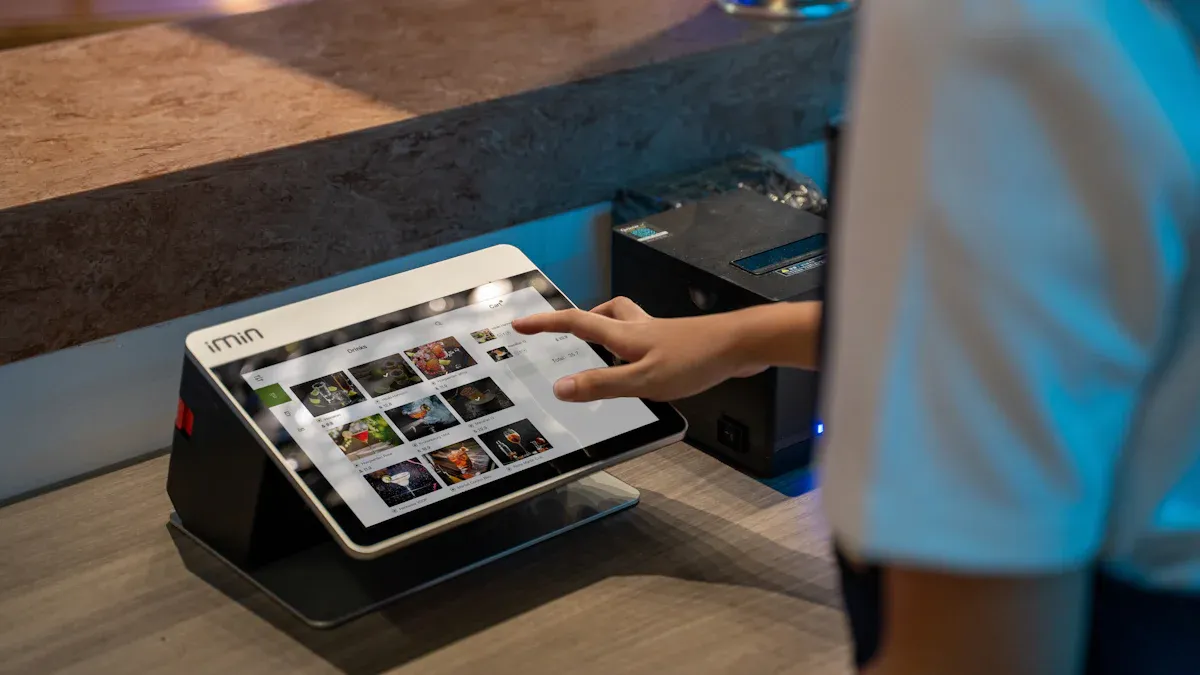
You experience a faster shopping journey when retailers use digital price tags and digital shelf labels. These digital solutions reduce queue time by allowing instant price updates and supporting self-checkout. Retailers like Carrefour report up to 60% better pricing accuracy and 80% less label maintenance time. The table below shows measurable improvements:
| Improvement Area | Measurable Outcome / Example |
|---|---|
| Pricing Accuracy | Improved by up to 60% |
| Pricing Errors | 50% fewer errors reported by Carrefour |
| Label Maintenance Time | Reduced by 80% at Carrefour |
| Employee Productivity | Increased, leading to better customer service |
| Out-of-Stock Situations | Reduced due to real-time inventory updates |
| Customer Experience | Faster product search, personalized offers, and dynamic pricing |
| Customer Trust and Confidence | Enhanced through synchronized shelf and checkout prices |
| Adoption Rate | Over 68% of large retail chains use digital price tags |
| Dynamic Pricing & Promotions | Enabled real-time discounts and personalized deals |
| Inventory Turnover | Optimized, reducing excess stock and waste |
Digital shelf labels, including Electronic Shelf Labels, ESL Gateway AP, and ESL Price Tag, help retailers reduce queue times and eliminate pricing mistakes. When you shop at Esl Retail locations, you find consistent prices and less waiting line congestion. Customers benefit from improved satisfaction, while retailers enjoy greater customer satisfaction and higher productivity. Digital price tags and digital shelf labels help retailers reduce queue time and improve the overall experience for all customers.
What Are Digital Price Tags and Digital Shelf Labels?
Definition and Basic Functionality
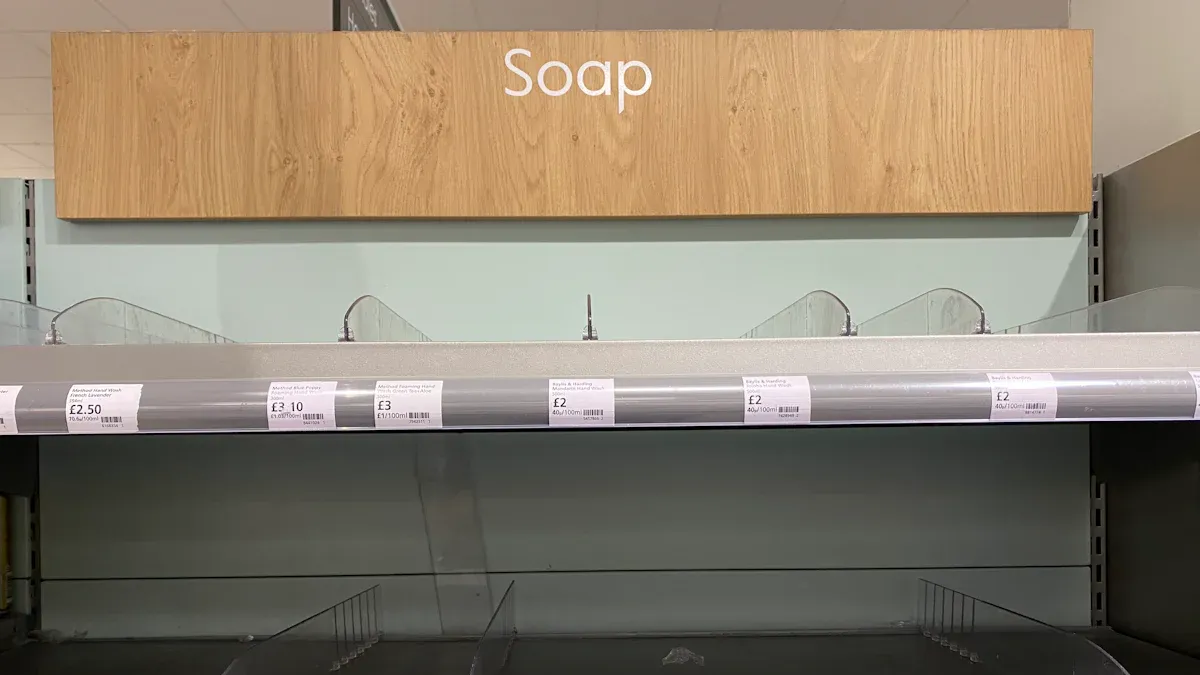
You encounter digital price tags and digital shelf labels in modern retail environments. These digital solutions replace traditional paper tags with electronic displays. You see clear, high-contrast screens that show current price information, product details, and promotions. Digital shelf labels use e-ink or LCD technology, which ensures easy readability and long battery life. You benefit from real-time synchronization between the shelf and the store’s central system, so you always see accurate prices. Retailers use these labels to automate price changes, reduce manual labor, and minimize errors.
Note: Digital price tags and shelf labels support automation, improve decision-making, and help you find accurate information quickly.
How Digital Price Tags Work
Wireless Communication and Centralized Price Management
Digital price tags operate through wireless communication protocols such as Bluetooth, Wi-Fi, ZigBee, and NFC. You notice that these protocols allow instant updates from a central management system. When a retailer needs to make price changes, the system sends updates directly to the shelf labels. This process eliminates the need for manual updates and ensures real-time synchronization across all shelves. You experience fewer pricing errors and more consistent information throughout the store.
RFID and Real-Time Data Integration
Some digital shelf labels include RFID technology. You benefit from real-time inventory tracking and instant price updates. RFID-enabled labels communicate stock levels, product locations, and even theft alerts. This integration helps retailers automate stock updates and maintain accurate inventory. You find products more easily, and you see up-to-date price information every time you shop.
Types of Digital Shelf Labels
Electronic Shelf Labels (ESLs)
You often see electronic shelf labels in supermarkets and large retail stores. ESLs use e-ink displays for clear visibility and long battery life. These labels connect wirelessly to the store’s system, allowing for fast price changes and real-time synchronization. You notice that ESLs withstand temperature changes and physical handling, making them durable for busy retail environments.
Interactive and NFC-Enabled Digital Price Tags
Some digital price tags offer interactive features. You can tap your smartphone on NFC-enabled labels to access product details, reviews, or special offers. These interactive shelf labels enhance your shopping experience by providing more information and supporting contactless transactions. Retailers use these advanced labels to engage you and streamline the checkout process.
Tip: Look for digital shelf labels with large, high-contrast displays for the best readability and shopping convenience.
How Digital Price Tags Reduce Queue Time
Instant Price Updates and Dynamic Pricing
Eliminating Manual Price Changes
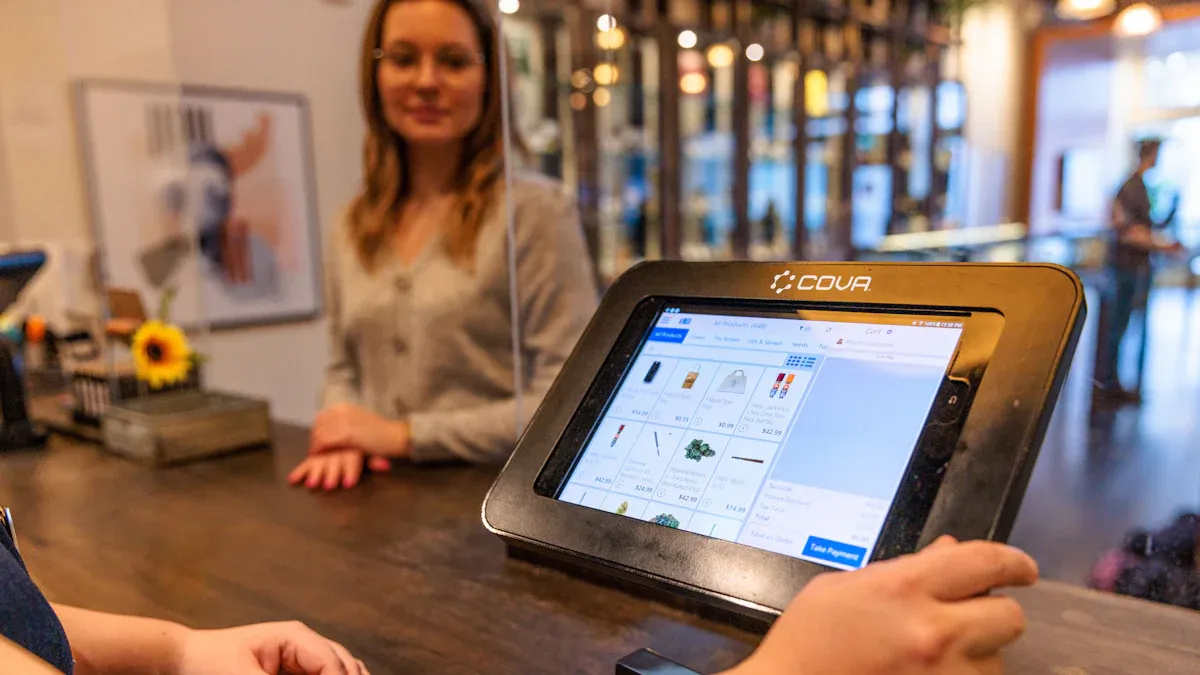
You see the impact of digital price tags every time you shop. These digital solutions allow retailers to make faster price changes across thousands of products instantly. You no longer wait for staff to update paper tags by hand, which often leads to delays and mistakes. When you visit a store using digital price tags, you benefit from real-time updates that keep prices accurate and consistent. This automation helps reduce queue time by ensuring that the price you see on the shelf matches the one at checkout. You avoid confusion and disputes, which often slow down customer queues.
Note: Digital price tags automate price changes, reducing human errors by 58% and improving pricing accuracy by 60%. This leads to fewer delays at checkout and a smoother shopping experience.
Preventing Price Discrepancies at Checkout
Digital price tags synchronize with the store’s central system. You always see the correct price on the shelf, and the same price appears at the register. This real-time connection eliminates pricing mismatches that can cause disputes and slow down the checkout process. When you use self-checkout systems, you experience fewer interruptions because the system reads the updated price directly from the database. This consistency helps reduce queue waiting times and improves customer queues, especially during busy hours.
Supporting Self-Checkout and Contactless Payments
Accurate Pricing for Self-Checkout Systems
You rely on self-checkout systems for speed and convenience. Digital price tags ensure that these systems always display the latest price changes. When you scan an item, the system pulls the current price from the central database, reducing the risk of errors. This accuracy speeds up the checkout process and helps reduce queue time. You spend less time waiting for staff to resolve pricing issues, and you move through the line faster.
NFC and RFID for Faster Transactions
Some digital price tags use NFC and RFID technology to further reduce queue waiting times. When you shop in stores with RFID-enabled self-checkout systems, you can place your items in a designated area, and the system instantly detects and registers each product. This process eliminates the need for manual barcode scanning, which often slows down customer queues. You experience a much faster checkout speed, especially during peak shopping periods. NFC-enabled digital price tags also support contactless payments, allowing you to tap your phone or card for a quick transaction.
Tip: Look for stores that use RFID-enabled self-checkout systems. These stores can reduce queue time dramatically, transforming your checkout experience.
Reducing Customer Confusion and Delays
Clear, Consistent Pricing Information
You benefit from clear and consistent pricing information when stores use digital price tags. The price you see on the shelf always matches the price at checkout, which builds trust and confidence. Retailers like Walmart and Whole Foods have adopted digital shelf labels to improve pricing accuracy and reduce confusion. Automated alerts and LED-guided replenishment help staff restock shelves quickly, reducing out-of-stock situations and delays that can slow down customer queues.
- Retailers report a 60% improvement in pricing accuracy after adopting digital price tags.
- Human errors related to pricing and inventory marking are reduced by 58% through automation.
- Real-time synchronization between shelf labels and checkout systems eliminates pricing mismatches, reducing customer confusion and disputes.
- Automated alerts and LED-guided replenishment speed up restocking, reducing out-of-stock situations and delays.
- Centralized price management ensures consistent pricing across all channels, supporting customer confidence and reducing delays at checkout.
Real-Time Promotions and Updates
Digital price tags allow retailers to launch real-time promotions and dynamic pricing instantly. You see updated offers and discounts as soon as they become available, which helps you make faster purchasing decisions. The visual appeal of digital displays, including colorful animations and product information, increases your engagement and satisfaction. When you shop, you find products more easily and avoid delays caused by outdated promotions or missing information. Real-time updates also help staff manage inventory more efficiently, reducing the chance of empty shelves and further helping to reduce queue waiting times.
Block Quote: Real-time promotions and updates via digital price tags influence your purchasing behavior by providing detailed, dynamic product information and personalized promotions. This leads to increased purchase confidence and satisfaction, which streamlines your shopping journey and helps reduce queue time.
Real-World Examples of Queue Time Reduction
Supermarkets Using Digital Price Tags
Queue Time Reduction Results
You see the impact of digital price tags most clearly in supermarkets. These retailers use digital shelf labels to update prices instantly, which helps manage customer queues during busy hours. The table below highlights key outcomes from real-world supermarket implementations:
| Example / Statistic | Outcome and Explanation |
|---|---|
| 54% increase in frequency of price changes in a UK grocery store | Enables rapid markdowns and timely promotions, improving pricing agility and responsiveness to demand. |
| 853% increase in price changes in a European store | Demonstrates dramatic improvement in pricing flexibility, allowing immediate price updates that help manage inventory and customer flow. |
| Digital price tags ensure shelf prices always match checkout prices | Reduces pricing errors by 40%, builds shopper trust, and minimizes disputes at checkout, thereby speeding up the checkout process and reducing queue times. |
| Integration with loyalty programs and Scan & Go™ technology | Automatically applies discounts, streamlining the shopping and checkout experience, which helps reduce wait times. |
| Labor cost savings up to $200,000 annually | Automation of price updates frees staff to focus on customer service, indirectly contributing to faster checkout and shorter queues. |
| 15% boost in sales reported | Indicates improved customer satisfaction and shopping efficiency, likely linked to faster checkout and better deal visibility. |
| Use of nearly 600 robotic inventory scanners at Sam’s Club | Enhances pricing accuracy and inventory management, supporting smoother shopping and checkout flow. |
| Visual cues on digital price tags (color changes, icons) | Help shoppers quickly spot deals, reducing time spent searching for prices and promotions, thus improving shopping convenience and reducing queue times. |
| Real-time price updates and flash sales | Allow stores to trigger instant discounts, encouraging quicker purchases and reducing inventory holding times, which supports operational efficiency and shorter queues. |
Customer Feedback and Satisfaction
You benefit from digital price tags because they ensure the price you see on the shelf matches the price at checkout. This consistency reduces disputes and keeps customer queues moving. Supermarkets that use digital shelf labels report fewer pricing errors and smoother transactions. When you shop in these stores, you experience less confusion and faster service, which leads to higher customer satisfaction and a better overall customer experience.
Electronics and Specialty Retailers
Operational Efficiency and Staff Productivity
Electronics and specialty retailers have adopted digital price tags to streamline operations. You notice that these stores use electronic shelf labels with LCD or color displays for dynamic content. Staff save up to 12 hours per week by automating price updates. This efficiency allows employees to spend more time assisting you, rather than changing labels. Price changes now happen in seconds, not hours, which keeps customer queues short and improves the shopping environment.
| Aspect | Evidence / Impact |
|---|---|
| Implementation Method | Use of Electronic Shelf Labeling (ESL) systems with centralized, real-time price control |
| Technology Used | LCD/color displays for dynamic content; RFID-enabled tags for inventory management |
| Labor Savings | Up to 12 hours saved per week per store by automating price updates |
| Error Reduction | 58% decrease in human pricing errors |
| Pricing Accuracy | 60% increase in pricing accuracy |
| Speed of Price Updates | Price changes implemented in seconds instead of hours/days |
| Operational Efficiency | Staff redeployed from manual pricing to customer service, improving shopping environment |
| Impact on Queue Times | Improved operational efficiency and accurate pricing imply reduced wait times |
| Retailer Examples | Monoprix, Westside Market NYC reported faster product rollouts and improved pricing accuracy |
| Dynamic Pricing & Promotions | Real-time updates enable flash sales, time-sensitive discounts, and personalized pricing |
Impact on Staff Workload and Customer Flow
You see a direct impact on staff workload and customer flow when retailers use digital price tags. Manual labor for price updates drops by up to 80%. Staff can focus on helping you, which improves your shopping experience and keeps customer queues moving. Price synchronization happens 40% faster, and errors disappear. These improvements mean you spend less time waiting and more time shopping.
Convenience Stores and Pharmacies
Unique Use Cases for Fast Checkout
Convenience stores and pharmacies face unique challenges when adopting digital price tags. You may notice high initial investment costs and the need for ongoing maintenance. These stores rely on digital shelf labels to update prices quickly for fast-moving items. Wireless communication and integration with back-end systems help manage inventory and speed up checkout. You benefit from detailed product or medication information displayed on the labels, which supports informed decisions and faster customer queues.
- Real-time price updates for over-the-counter items
- Integration with inventory and POS systems for operational efficiency
- Display of dosage instructions and nutritional info on shelf labels
- Security features to prevent unauthorized price changes
Lessons Learned from Implementation
You see that convenience stores and pharmacies overcome challenges by leveraging digital shelf labels for flexibility and accuracy. Staff training and reliable technology infrastructure are essential. These retailers improve inventory management and reduce manual errors, which speeds up checkout and keeps customer queues short. Environmental concerns and customer preferences for traditional tags remain, but the benefits of digital price tags—such as rapid updates and enhanced information—support better customer satisfaction and operational efficiency.
Operational Improvements That Reduce Queue Times
Labor Savings and Streamlined Workflows
Fewer Manual Tasks and Faster Price Campaigns
You notice immediate labor savings when your store adopts digital price tags. These systems eliminate the need for manual price changes, which reduces labor costs and human errors. Staff no longer spend hours printing and replacing paper labels. Instead, you can update prices across all shelves in minutes through centralized control. Large supermarkets have reported annual labor cost savings of up to $200,000. Smaller stores have reduced price update times by up to 80%. Automated inventory alerts help you optimize shelf management and restocking, which keeps your store running smoothly and reduces the time customers spend waiting in line.
- Digital price tags automate routine tasks, freeing up staff for more valuable work.
- Real-time price updates ensure that your store always displays the correct price, improving pricing accuracy.
- Integration with POS and inventory systems allows for automatic price adjustments and better inventory visibility.
More Time for Customer Service
When you automate price updates, your staff can focus on helping customers instead of handling repetitive tasks. Naifeh’s Cash Saver, for example, saved 50 labor hours per week by reducing manual price changes from two days to just minutes. This shift allows your team to spend more time assisting customers, answering questions, and managing inventory. As a result, you create a more efficient and customer-focused environment.
Tip: Streamlined workflows mean your staff can dedicate more attention to customer needs, which leads to a better shopping experience.
Error Reduction and Compliance
Accurate Pricing Across All Products
Digital price tags connect wirelessly to a central system, ensuring real-time price updates and minimizing pricing errors. You benefit from consistent pricing accuracy across all products and store locations. FreshMarket, for instance, improved pricing accuracy from 92% to 99.8% after implementing electronic shelf labels. Automation virtually eliminates mismatches between shelf tags and point-of-sale systems, which reduces customer complaints and builds trust.
- Real-time synchronization keeps shelf and register prices aligned.
- Centralized management software enforces consistent pricing and compliance.
- Audit trails and reporting features provide transparency for regulatory checks.
Meeting Regulatory and Promotional Requirements
You meet regulatory and promotional requirements more easily with digital price tags. Dynamic pricing capabilities let you adjust prices based on demand or inventory while staying within legal limits. Digital menu boards and shelf labels simplify compliance with nutritional labeling laws, reducing regulatory risks. Network-wide price and promotion updates that once took a week now finish in as little as 30 minutes. This speed ensures your store remains competitive and compliant.
- Automation reduces manual labeling errors and discrepancies.
- Synchronization of physical and online prices fosters customer trust and operational compliance.
- Deloitte reports up to 80% reduction in labor costs and up to 50% fewer pricing errors with electronic shelf labels.
Enhanced Staff Productivity and Training
Simplified Training and Onboarding
You simplify staff training and onboarding with digital price tag systems. Personalized learning pathways and tailored content help your team learn faster. Training completion rates have increased from 62% to 93% in some cases. Continuous feedback loops make training more relevant and effective, which boosts employee satisfaction.
- Automated systems reduce the need for complex manual processes.
- Staff adapt quickly to new workflows, which improves productivity.
Staff Focus on High-Value Tasks
When you automate price updates, your staff can focus on high-value tasks. These include customer service, inventory management, and merchandising. Automation leads to fewer pricing errors, which means less time spent on corrections. Cost savings arise from reduced resource use in manual price changes. Your team becomes more productive, and your store operates more efficiently.
Note: Enhanced staff productivity and streamlined workflows directly contribute to shorter queues and a better customer experience.
Integration with Checkout Process and Store Systems
Inventory Management and Real-Time Stock Updates
You gain a significant advantage when your store connects digital price tags with inventory management systems. Real-time stock updates keep your system records aligned with the physical inventory on your shelves. This alignment ensures you always have accurate, up-to-the-minute stock data, which supports a faster and more reliable checkout process.
Dynamic Pricing Capabilities
You can use dynamic pricing to respond instantly to changes in demand or inventory levels. Automated data collection tools, such as barcode scanners, RFID tags, and IoT sensors, update your inventory as soon as products move. Barcode scanners track items during receiving, picking, and shipping by scanning SKUs and product IDs. RFID tags allow you to track inventory movement automatically, without manual scanning. IoT devices provide real-time updates on the location and condition of items, which helps prevent overselling and stockouts. This technology ensures your pricing and inventory data remain accurate, supporting a seamless checkout process.
Automated Stock Level Adjustments
Automated inventory management systems give you real-time data updates that speed up decision-making and reduce manual tasks. You can focus more on customer service because the system handles routine inventory tracking. Real-time visibility across all store locations helps you track stock levels accurately and plan better. Barcode scanning and RFID technology instantly update stock levels, minimizing human errors and ensuring your inventory records match what is actually on the shelves. Synchronization across all sales channels prevents overselling by updating inventory everywhere at once. Automated order management streamlines order processing and updates inventory instantly, which supports a faster and more accurate checkout process.
Tip: Real-time inventory updates help you avoid out-of-stock situations and keep your checkout process running smoothly.
POS System Connectivity for Seamless Checkout
You improve the checkout process when you connect digital price tags to your POS system. This integration ensures that every price update reaches both the shelf and the register instantly, eliminating discrepancies and manual errors.
Synchronized Promotions and Discounts
You can launch or end promotions instantly with digital price tags connected to your POS system. This capability ensures that promotional prices appear at both the shelf and the register at the same time. The table below highlights the main benefits of this integration:
| Benefit | Explanation |
|---|---|
| Accurate Pricing | Ensures every product displays the correct price instantly, eliminating manual errors and discrepancies between shelf and checkout prices, which supports seamless checkout. |
| Operational Efficiency | Reduces staff time spent on manual price updates, allowing employees to focus on customer service and inventory management. |
| Customer Trust | Consistent pricing across all channels (shelf, POS, online) increases shopper confidence and loyalty. |
| Dynamic Promotions | Enables instant launching or ending of promotions, maximizing sales opportunities and ensuring promotional prices are synchronized at checkout. |
| Inventory Management | Real-time alerts help maintain stock levels of popular items, reducing customer frustration and supporting smooth transactions. |
Real-time synchronization connects each digital price tag wirelessly to a central system, pushing instant price updates from the POS to every shelf label within seconds. This process eliminates manual relabeling and ensures omnichannel price consistency, which prevents discrepancies at checkout. Automation features, such as push-based triggers and scheduling options, keep your pricing data accurate and up to date.
Faster, Error-Free Transactions
You experience faster, error-free transactions because the system updates prices and promotions automatically. Security measures, such as role-based access control and secure communication protocols, protect your pricing data and prevent unauthorized changes. Reliable network infrastructure ensures that updates reach every shelf label quickly, supporting a smooth checkout process. This integration boosts your checkout speed and reduces the risk of pricing disputes.
Data Analytics for Queue Time Optimization
You can use data analytics tools to optimize your checkout process and store layout. These tools collect and analyze information from digital price tags and other smart devices to improve customer flow and reduce wait times.
Tracking Customer Behavior and Flow
Retail analytics systems collect data on foot traffic, customer movement, and engagement. People counting systems track how many visitors enter your store, helping you identify peak hours and allocate staff more effectively. Heatmaps visualize where customers spend the most time, allowing you to place high-margin items in high-traffic areas. Dwell time analysis shows how long customers stay in different sections, guiding your decisions on product placement and promotional displays.
Queue management systems use data on checkout line lengths and waiting times to adjust staffing and open more registers when needed. This approach helps you reduce bottlenecks and keep your checkout process efficient.
Optimizing Store Layouts to Reduce Congestion
You can use digital price tags and information kiosks to provide real-time product and pricing updates, which enhances the shopping experience. Smart carts and baskets track products as customers shop, speeding up the checkout process and enabling personalized recommendations. Self-serve and checkout kiosks reduce wait times and labor costs, especially during busy periods. Queue management systems with IoT sensors monitor line lengths and alert managers to open more registers, minimizing wait times. Data collected from these devices helps you optimize your store layout and product placement, improving customer flow and increasing sales.
Note: By leveraging data analytics, you can create a more efficient checkout process and a better shopping experience for your customers.
Additional Features That Enhance the Checkout Process
Interactive Displays and QR Codes
Product Information Access and Guided Shopping
You interact with digital price tags that do more than display prices. Modern interactive displays provide real-time information about products, inventory, and promotions. When you shop, you see clear screens that update instantly. These displays help you make quick decisions and avoid confusion at checkout.
| Feature | Description | Benefit to Checkout Process |
|---|---|---|
| Real-time Pricing | Automatic updates of prices on displays | Ensures error-free pricing, reducing disputes and delays |
| Inventory Updates | Live stock information shown on screens | Prevents out-of-stock issues, avoiding checkout interruptions |
| Personalized Promotions | Targeted deals based on purchase history | Encourages purchases and speeds decision-making |
| POS Integration | Sync with Square POS for seamless management | Speeds up checkout by reducing manual errors and wait times |
You benefit from QR codes placed on digital shelf labels. These codes let you scan with your smartphone to access detailed product information, reviews, and even video guides. You can follow guided shopping paths, which help you find what you need faster. QR codes also connect you to self-service support, such as FAQs and tutorials, so you solve problems without waiting for staff.
Mobile Integration for Faster Purchases
You use your phone to speed up purchases. QR codes on digital price tags link you directly to secure payment portals. This contactless payment method reduces the need to handle cash or cards, which shortens lines and keeps the checkout area moving. Stores often display multiple payment provider QR codes, giving you flexibility and convenience.
- QR codes enable contactless payments, making your checkout experience faster.
- You can sign up for loyalty programs instantly by scanning a code at checkout.
- Self-service support via QR codes helps you resolve questions quickly, reducing wait times.
Tip: Use your smartphone to scan QR codes for instant access to product details, payment options, and loyalty rewards.
Multilingual and Accessibility Options
Serving Diverse Customer Needs
You shop in stores that welcome everyone. Digital price tags support up to 28 languages and display prices in local currencies. This feature ensures you see clear, accurate information, no matter where you come from. AI-powered tools adjust pricing communication and visuals to match your language and culture, making your experience more engaging.
- Digital price tags display information in your preferred language.
- Local currency formatting builds trust and reduces confusion.
- AI avatars and talking photos explain products in your language, making shopping easier.
Improving Shopping for All Customers
You benefit from accessibility features built into digital price tags. Interactive elements like NFC and QR codes provide extra information for those who need it. AI avatars can be customized by ethnicity and style, ensuring everyone feels included. These features make shopping more accessible for people with different abilities and backgrounds.
- Multilingual and accessible displays foster trust and loyalty.
- Inclusive communication helps you feel valued as a customer.
- Clear, accurate information supports a smooth and enjoyable shopping experience.
Note: When stores use digital price tags with multilingual and accessibility options, you enjoy a more inclusive and efficient checkout process.
Addressing Cost vs. Long-Term Benefits of Digital Price Tags
Upfront Investment and Implementation
Hardware, Installation, and Training Costs
When you consider digital price tags for your store, you face several upfront costs. These include purchasing digital displays, scanners, and the software that manages them. You also need to invest in infrastructure to support these devices, such as wireless networks and power supplies. Customizing the system to fit your store’s unique needs, like branding or special sizing, can add to the expense. Integration with your existing inventory and pricing systems requires additional resources. Staff training is essential so your team can operate and troubleshoot the new technology. For smaller retailers, the investment in digital shelf labels may seem high at first, but the long-term benefits often outweigh the initial expense.
- Hardware (digital displays, scanners)
- Software and integration
- Infrastructure upgrades
- Customization for branding or sizing
- Staff training
Maintenance and Support Considerations
After installation, you must plan for ongoing maintenance. This includes software updates, technical support, and occasional repairs. Long-lasting batteries in electronic shelf labels help keep maintenance costs low over time. You should also budget for periodic staff training to keep your team up to date with new features and best practices.
Tip: Regular maintenance and support ensure your digital price tag system remains reliable and efficient.
Calculating ROI: Queue Time Reduction and Labor Savings
Increased Customer Satisfaction and Retention
You can measure the return on your investment in digital shelf labels by looking at labor savings and queue time reduction. Start by identifying how much time your staff spends on manual price updates. Calculate the hourly wage and multiply it by the hours saved after automation. For example, if your team saves four hours per week at $22 per hour, you save $88 weekly. Multiply this by the number of tasks or weeks in a year to see your annual savings. Subtract your initial investment from these savings to find your net benefit. Use the formula:
ROI = (Total Benefit - Cost of Investment) / Cost of Investment
This approach helps you see how digital price tags improve efficiency and boost customer satisfaction by reducing wait times and errors.
Long-Term Operational Efficiency
Over time, you gain more than just labor savings. Digital price tags eliminate paper labels, which reduces waste and environmental impact. Your staff can focus on customer service instead of manual updates. Accurate, real-time pricing helps you avoid compliance risks and pricing errors. You can synchronize promotions across all locations instantly and respond to market trends with dynamic pricing. These efficiencies lead to better resource allocation and a stronger bottom line.
- Reduced labor costs
- Improved pricing accuracy
- Enhanced inventory control
- Lower environmental impact
Overcoming Implementation Challenges
Change Management and Staff Buy-In
You may face challenges when introducing digital price tags. Staff might worry about learning new systems or changing workflows. You can address these concerns by providing clear training and showing how automation frees up time for more valuable tasks. Transparency about pricing changes and ethical use of dynamic pricing also builds trust with both staff and customers.
- Offer hands-on training sessions
- Communicate benefits clearly
- Set limits on price changes to avoid confusion
Selecting the Right Vendor and Technology
Choosing the right vendor is crucial for a successful investment in digital shelf labels. Look for solutions that offer real-time updates, robust integration with your inventory and POS systems, and features like long battery life or customizable displays. Consider energy-efficient e-paper labels for cost savings. Evaluate vendors based on their support, reliability, and ability to scale with your business. Integration with omnichannel strategies, such as QR codes and online ordering, can further enhance your store’s efficiency and customer experience.
| Selection Criteria | Why It Matters |
|---|---|
| Real-time updates | Keeps pricing accurate and responsive |
| Integration capabilities | Ensures smooth operations across all systems |
| Battery life and durability | Reduces long-term maintenance costs |
| Customization options | Matches your store’s branding and needs |
| Vendor support | Provides help when you need it most |
Note: Careful planning and vendor selection help you maximize the value of your investment in digital shelf labels.
You see digital price tags and digital shelf labels transform your shopping experience by reducing queue times and supporting faster checkout.
- These technologies eliminate price mismatches, helping you avoid disputes and manual checks, which leads to quicker transactions for every customer.
- Integration with POS and inventory systems ensures real-time updates, supporting scan-and-go and mobile payments.
- Retailers report fewer pricing errors, lower labor costs, and more time for staff to assist each customer, which boosts customer satisfaction.
- Digital price tags enable instant promotions and dynamic pricing, keeping your store competitive and engaging for every customer.
FAQ
What are digital price tags?
You see digital price tags as electronic displays that show product prices and information. Retailers update these tags remotely, which ensures accurate pricing and reduces manual work. You benefit from real-time updates and clear information during your shopping experience.
How do digital shelf labels improve checkout speed?
You experience faster checkout because digital shelf labels synchronize prices instantly with the register. This eliminates price discrepancies and reduces the need for staff intervention. You spend less time waiting in line and avoid confusion at the point of sale.
Can digital price tags support promotions and discounts?
You can take advantage of real-time promotions and discounts displayed on digital price tags. Retailers update offers instantly, so you always see the latest deals. This feature helps you make quick purchasing decisions and enjoy timely savings.
Are digital price tags reliable during busy shopping periods?
You rely on digital price tags for consistent performance, even during peak hours. These systems handle high volumes of updates without delays. You see accurate prices and promotions, which helps maintain smooth customer flow and reduces queue times.
Do digital price tags work with self-checkout systems?
You benefit from seamless integration between digital price tags and self-checkout systems. The technology ensures that the price you scan matches the shelf price. This reduces errors and speeds up your self-checkout process.
How do digital price tags help store staff?
You notice that staff spend less time on manual price changes. Digital price tags automate updates, allowing employees to focus on customer service and inventory management. This shift improves overall store efficiency and enhances your shopping experience.
Are digital price tags used in e-commerce?
You find digital price tags mainly in physical stores. However, some retailers use similar technology to synchronize prices between their physical locations and e-commerce platforms. This approach ensures consistent pricing and promotions across all sales channels.